From over 100,000 films, discover the handful you'll love.
Free or premium access to the world's largest documentary library.
Topics explored in films with this theme:
14119 films(Page 6 of 295)
600 million barrels of oil were discovered offshore from Ghana in 2007, raising hopes for jobs and infrastructure in local fishing villages.
A desert hedgehog can survive long periods without water by relying on juicy grubs to quench its thirst in extreme heat.
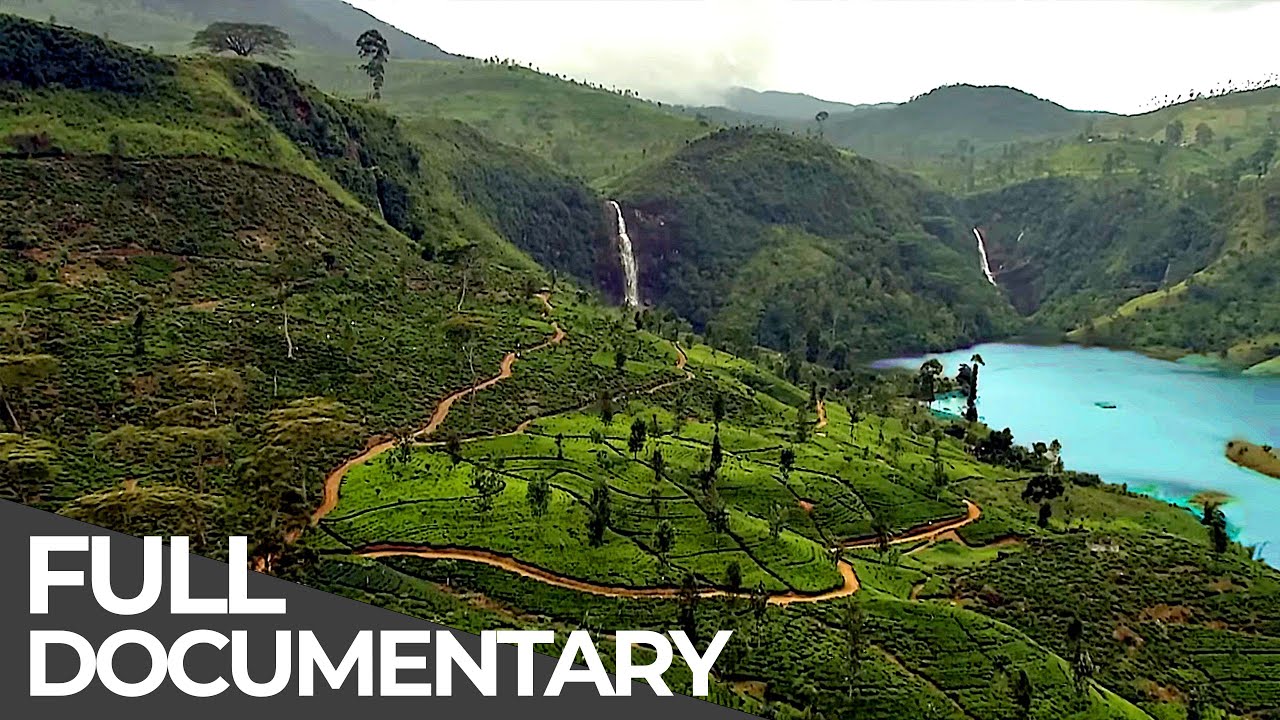
A 104-carat sapphire, once owned by numerous figures, now resides in the British crown after being mined in Sri Lanka's gem-rich Ratnapura region.
President Truman authorized the use of atomic bombs on Hiroshima and Nagasaki in August 1945, leading to massive destruction and loss of life.
60% of all fake U.S. bills are produced in Peru, where a new breed of counterfeiter has emerged amid a growing criminal enterprise.
Naturpark Südheide features unspoilt landscapes between Hamburg and Hannover, rich in history.
Industrial hybridization of fruits and vegetables has led to significant nutritional losses, with tomatoes losing over half of their vitamins and a quarter of their calcium.
A German U-boat, U-455, was discovered off the coast of Italy at a depth of 400 feet, nearly intact and resting vertically on the seabed.
Around 300 years ago, humans developed machines capable of processing extraordinary amounts of energy to perform previously unimaginable tasks.
A single high mountain road, 413 kilometers long, connects Kyrgyzstan to Tajikistan, where drivers face extreme weather while delivering goods to remote villages.
On April 27, 2011, 62 tornadoes touched down in Alabama, resulting in 252 fatalities and widespread destruction across the region.
The ITER project, the largest fusion research initiative in the world, aims to create a Tokamak reactor that will weigh 23,000 tons.
1,000 Northern gannets breed on Helgoland, a vital habitat threatened by erosion and storm floods in the North Sea.
August 6, 1945, marked the day the United States dropped an atomic bomb on Hiroshima, signaling the start of a nuclear arms race with the Soviet Union.
Snowflakes form unique six-pointed crystals as winter transforms landscapes, while animals adapt to survive harsh conditions and find food.
Nausicaá's expansion includes a giant tank with a capacity of 2.6 million gallons, equivalent to four Olympic-sized swimming pools.
31 men, 14 horses, and 11 laptops are deployed in Mongolia to search for the long-lost burial site of Genghis Khan.
Lobsters are like medieval warriors, armed and facing a fate on gourmet plates worldwide.
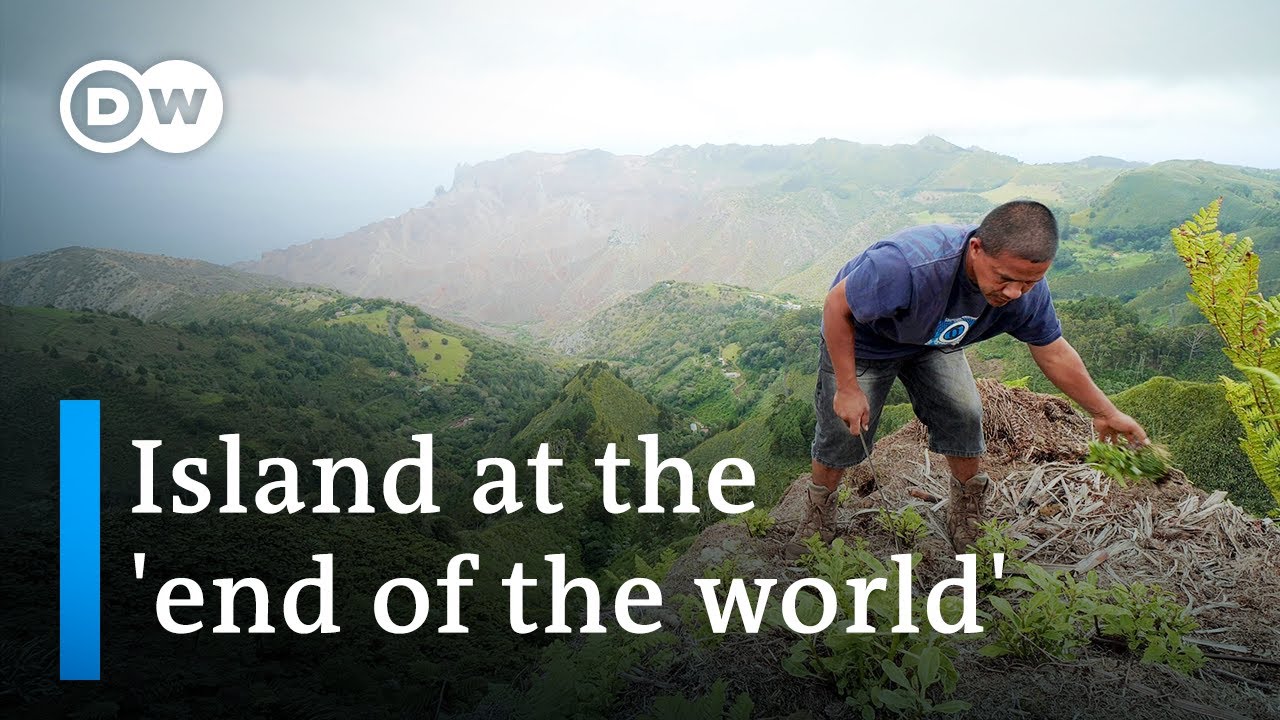
St. Helena is a remote island in the South Atlantic with unique fauna and flora preservation efforts.
Neanderthals reigned for 300,000 years before their extinction, possibly linked to a super volcano's catastrophic eruption.
The Marianas Trench, Earth's deepest point, reveals the geological history shaped by floods, volcanoes, and earthquakes over 4.5 billion years.
A 137-kilometer route through the Selkirk Mountains typically takes eight to ten days to complete, challenging Leah Evans to test her limits.
A female Emperor moth lays her eggs within hours of mating, ensuring the survival of her caterpillars on specific host plants.
More than 350,000 tons of fish and seafood are offloaded each year at Dutch Harbor, a key U.S. fishing port in the Aleutian Islands.
Up to a billion planets similar to Earth may exist in the galaxy, according to scientists featured in this 50-minute documentary.
300 feet in the air, Anthony Mackie confronts his fears while joining Bear Grylls in the Dolomite mountains of Italy for a BASE jump.
Hartsfield-Jackson Atlanta Airport's operations are examined, highlighting air traffic control, baggage handling, and wildlife management in a complex, high-traffic environment.
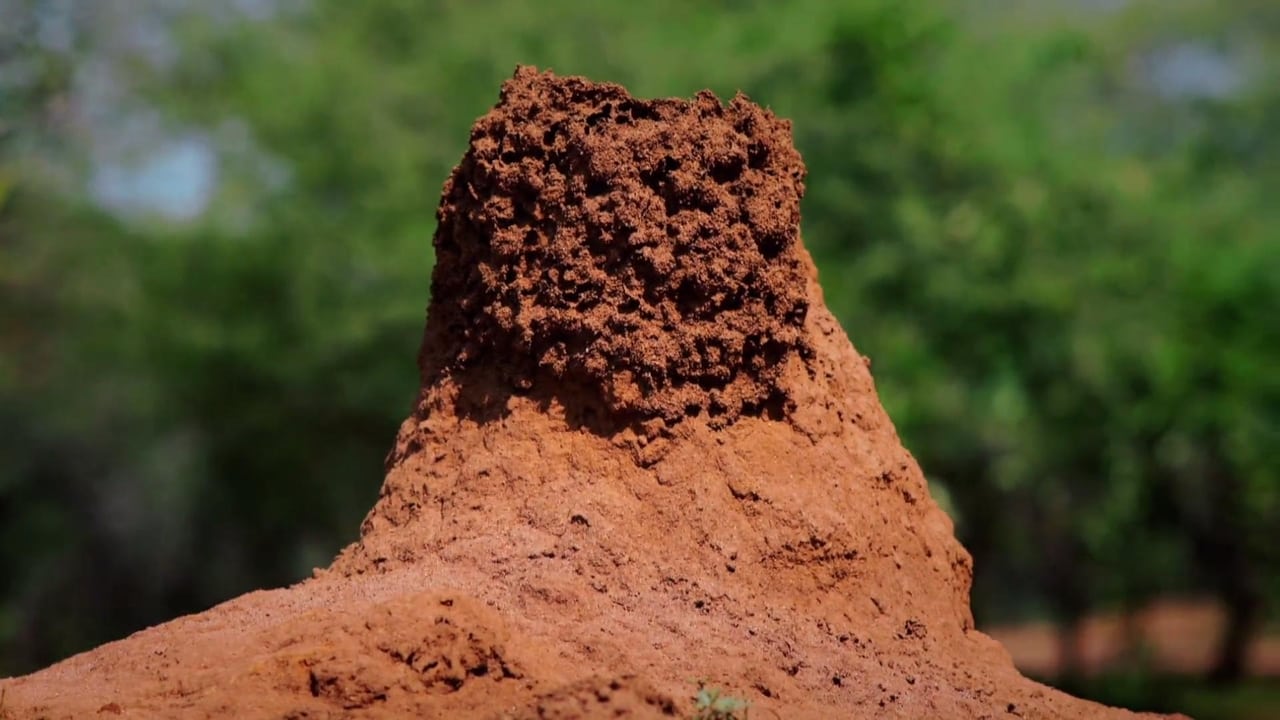
Termites build mounds that can reach heights 25 times greater than the Empire State Building in New York City.
Nathaniel Mori discovers thirty-two new reptile species while documenting the unique ecosystems of Myanmar, home to around 350 reptile species.
More than 300 islands make up the Fiji archipelago, where Manasa Bulivou dives with his son Tumbi to honor their Shark Gods and preserve local traditions.
Klaus Weißmann documents the resurgence of beavers in Germany, where their population has grown to over 35,000 due to successful conservation efforts.
Harvard researchers announced in February 2018 that the genetic signature of the ancient builders of Stonehenge vanished almost entirely from the British Isles.
The Apache Longbow helicopter can detect and attack multiple targets simultaneously, marking a significant shift in modern combat tactics.
Astronauts collected 382 kilograms of lunar rocks during the Apollo missions, which scientists now study to understand the moon's history and its link to Earth.
Three feet of ice cover the St. Lawrence River as Anthony Bourdain joins chefs Fred Morin and Dave McMillan for ice fishing and culinary adventures in Quebec.
Ten hours on the road yields €200 for Adam, who faces delays from bad weather and poor infrastructure while buying fish from Lake Victoria.
Hundreds of thousands of King Penguins gather on the beaches of Crozet, Marion, Kerguelen, and Amsterdam each summer to mate and raise their young.
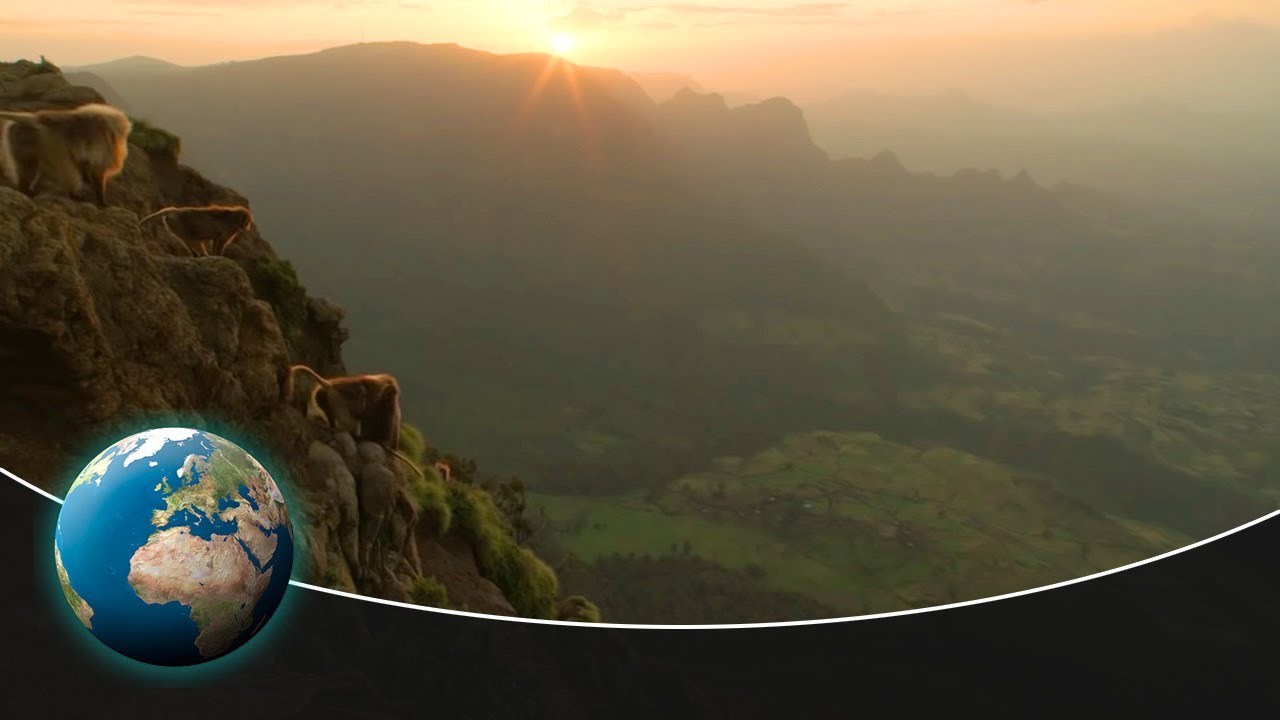
Less than 500 Ethiopian wolves remain in the highlands, where one lone wolf named Megeti searches for a new pack and territory.
The Thunder Boat, Tonnerre, serves multiple roles for the Marine Nationale during crises.
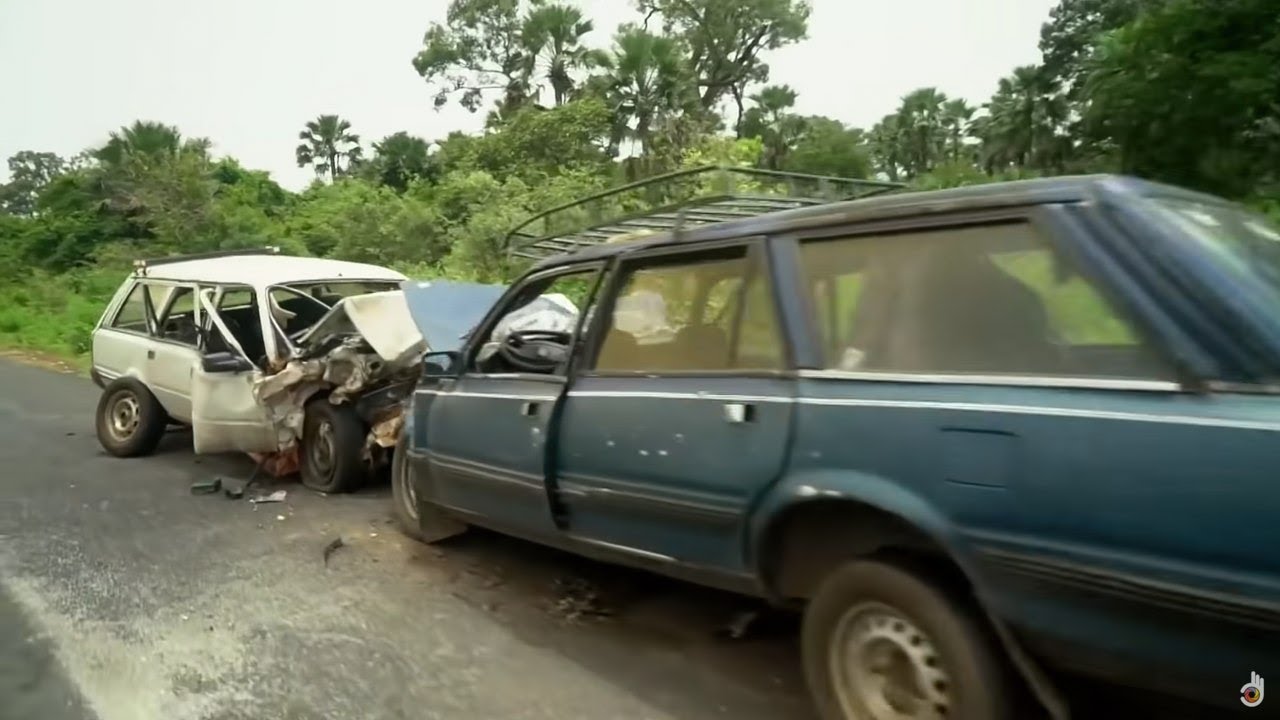
Every summer, heavy rains flood neighborhoods in Kaolack, forcing residents like Hassan to leave their homes and seek refuge in Casamance.
Around 300 years ago, the dream of creating machines that mimic human actions became a reality with the invention of automata.
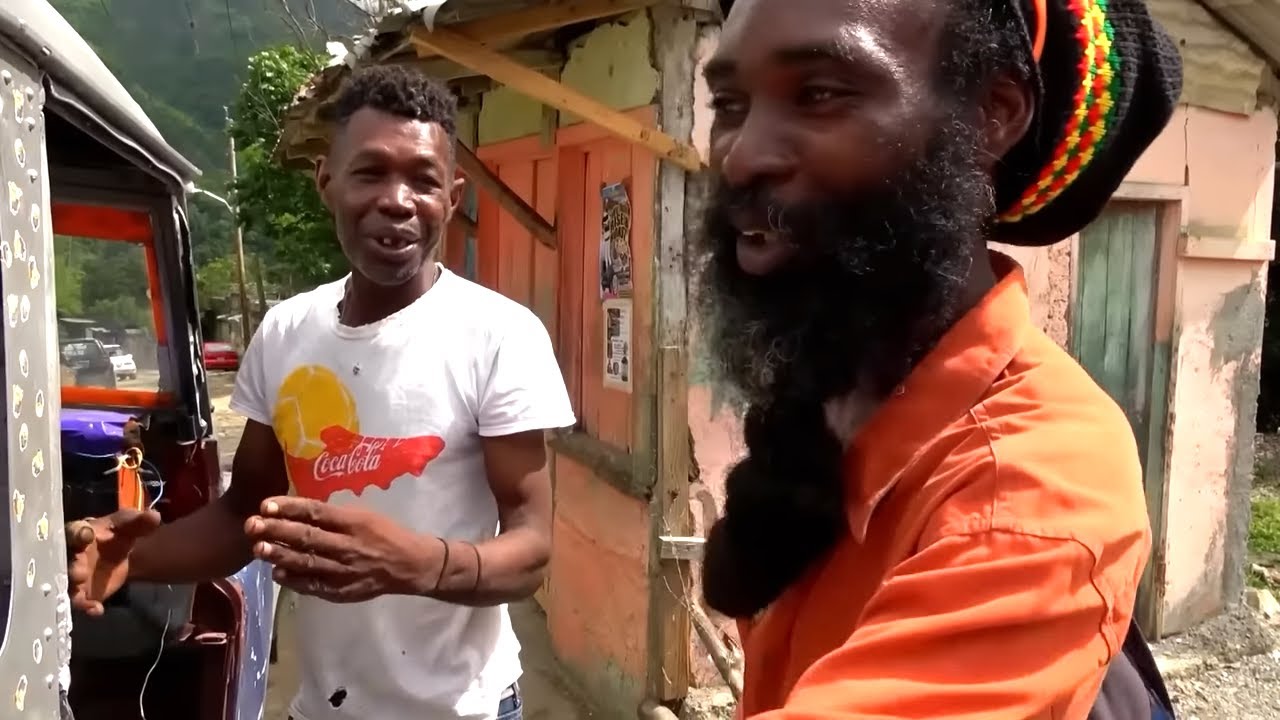
Jamaica's Blue Mountains reveal a challenging reality beyond the postcard image.
A sooty tern can spend the first four years of its life entirely on the wing, avoiding water to prevent drowning in the Pacific Ocean.
A 32-hour train ride covers 1,700 kilometers from Hanoi to Ho Chi Minh City, connecting the North and South of Vietnam.
Planet Earth is 25,000 miles around and has undergone nearly five billion years of transformation from a molten mass to a habitable environment.
Artificial Intelligence could transform agriculture and help ensure food security worldwide.
Two sets of remains, one belonging to a human and the other to a Paranthropus, were found at Kromdraai, dating back 2.5 million years.
380 euros are paid for about 2,000 fish to save them from being slaughtered, allowing them to live in a monastery pond in Bhutan's subtropical south.