From over 100,000 films, discover the handful you'll love.
Free or premium access to the world's largest documentary library.
Topics explored in films with this theme:
14119 films(Page 54 of 295)
Costing $300 million, the High Roller stands 167 meters tall and features 28 temperature-controlled capsules that remain level during each rotation.
In a highwire obstacle challenge and bazooka shooting test, Mythbusters evaluates if real-life skills can match video game mechanics under real-world conditions.
Andreas Kieling travels to Indonesia, Canada, and Rwanda to film endangered species like the Komodo Dragon, emphasizing the critical need for conservation.
Engineering failures, such as the Toledo sinkhole and the Beagle 2 Mars mission, illustrate the catastrophic consequences of neglecting proper practices.
In Guinea, a fishing team pursues the formidable African Kubera while navigating remote waters and performing a unique ceremony for good luck.
A combined forces operation searched almost 100 square kilometers of ocean for a missing diver, whose body was never found after a tragic accident.
Canadian astronaut Chris Hadfield describes the experience of weightlessness in space, where movement becomes effortless and the body floats freely.
Naxos is home to about 15 islands in the Cyclades, where fishing traditions blend with Venetian influences and vibrant local culture.
Animal Health Inspectors Sharon and Deborah at Heathrow's Animal Reception Centre manage the farewell of lemurs and the care of a calf in a suburban garden.
Cyril Chauquet and crab fisherman Derek navigate the Gulf of Mexico in search of the elusive monster barracuda, encountering diverse marine life along the way.
Doctors believe two boys were within hours of death when they were rescued after being lost at sea, battling storms and dehydration.
Adam Savage and Jamie Hyneman test various myths through explosive experiments, including liquid nitrogen jawbreakers and firewalking challenges.
Rob Huitt survives four days adrift in the ocean after a lethal undercurrent pulls him away from his diving team off the coast of New Zealand.
In Gabon's jungle, anglers pursue the elusive African cubera snapper in shark-infested lagoons, facing the challenges of the wild.
Mythbusters tests if jumping can save you in a falling elevator with Buster inside.
A tourist loses his way at Kilauea Volcano, facing 20 days of hunger, dehydration, and sleep deprivation before finally finding his way back to safety.
Catastrophic floods in New Zealand reveal significant engineering failures and the challenges of preserving historic structures like the Scottish tower amid natural disasters.
Animal Health Inspectors at Heathrow's Animal Reception Centre confront the illegal puppy trade and exotic animal smuggling, highlighting their commitment to animal welfare.
Experiments conducted by Mythbusters demonstrate water's effectiveness in shielding against explosive blast waves, while also addressing myths about underwater bullet protection.
Tropical Storm Washi devastates the Philippines while Texas and Colorado face extreme weather events.
The MythBusters team tests zigzag running to escape Cuban crocodiles at St Augustine Alligator Farm.
The 1980 Almo bridge collapse in Sweden reveals critical engineering flaws after ships collide.
In 2015, the World Health Organization classified processed meats as carcinogenic, prompting an investigation into the meat industry's lobbying tactics.
A new law in Germany requires companies to trace their supply chains, but it does not address the conditions faced by miners in Madagascar.
Residents of Cockpit Country fight against bauxite mining threatening their livelihoods.
130,000 Iranian soldiers are currently deployed in Iraq, as tensions rise following the assassination of nuclear scientist Mohsen Fakhrizadeh.
An all-American supply chain for clothing company American Giant operates within 120 miles of its North Carolina cotton field.
More than half the population of the Dominican Republic lives below the poverty line, leading many young men to become sanky-pankys for tourists.
Thirty thousand Congolese francs, about 16 pounds, is the cost for truck drivers to pass through a detour in South Kivu's treacherous terrain.
2,280 aircraft sprayings of pesticides were recorded in Paraguay last year, impacting the health of local families living near soybean fields.
2,691 people died on Mumbai's railway system in 2019, averaging seven deaths each day amid overcrowded trains and dangerous conditions.
5.6 million people are projected to die from obesity worldwide by 2020, as junk food consumption rises in countries like India and Brazil.
In 2015, the World Health Organization classified processed meats as carcinogenic, prompting an investigation into the food industry's lobbying tactics.
77% of Americans believe there are signs that aliens have visited Earth, yet the government has not acknowledged this widespread belief.
The NotPetya cyber attack in June 2017 caused an estimated $10 billion in damages, affecting the world's largest shipping company and marking a significant shift in warfare.
Dirk Nienhaus raises 6,500 pigs each year on his factory farm, where he faces growing concerns about animal welfare and the ethics of meat production.
Globally, 70% of water is used for irrigation, yet many regions face severe shortages as climate change intensifies the water crisis.
Alexander Litvinenko, a former KGB officer, was poisoned with radioactive polonium in London in 2006, leading to a complex investigation by Scotland Yard.
Vladimir Putin discusses global changes and U.S. relations in an exclusive Financial Times interview.
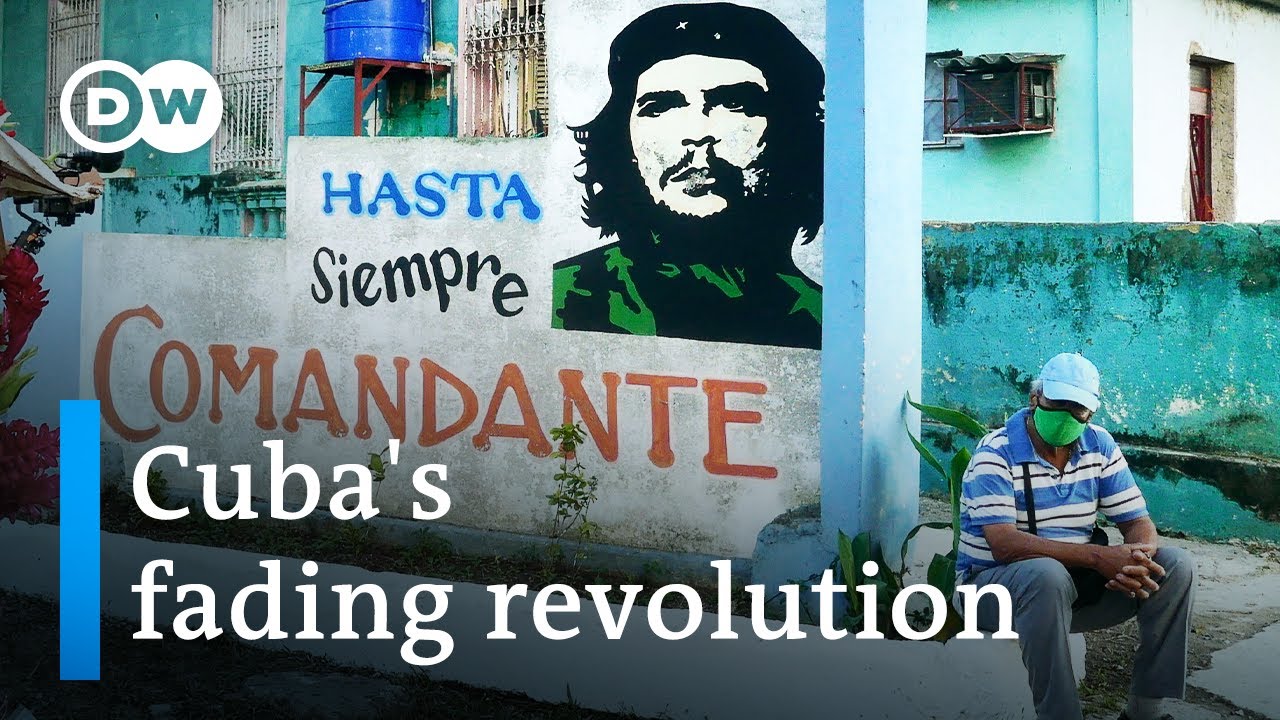
Real wages in Cuba fell despite nominal wage increases, leading to a significant decline in purchasing power for the population.
More than 5 million Muslims in Germany are driving demand for halal products, which are becoming a significant economic force.
Eighteen out of 23 provinces in Chad are underwater, displacing thousands and disrupting food supplies as families struggle to survive.
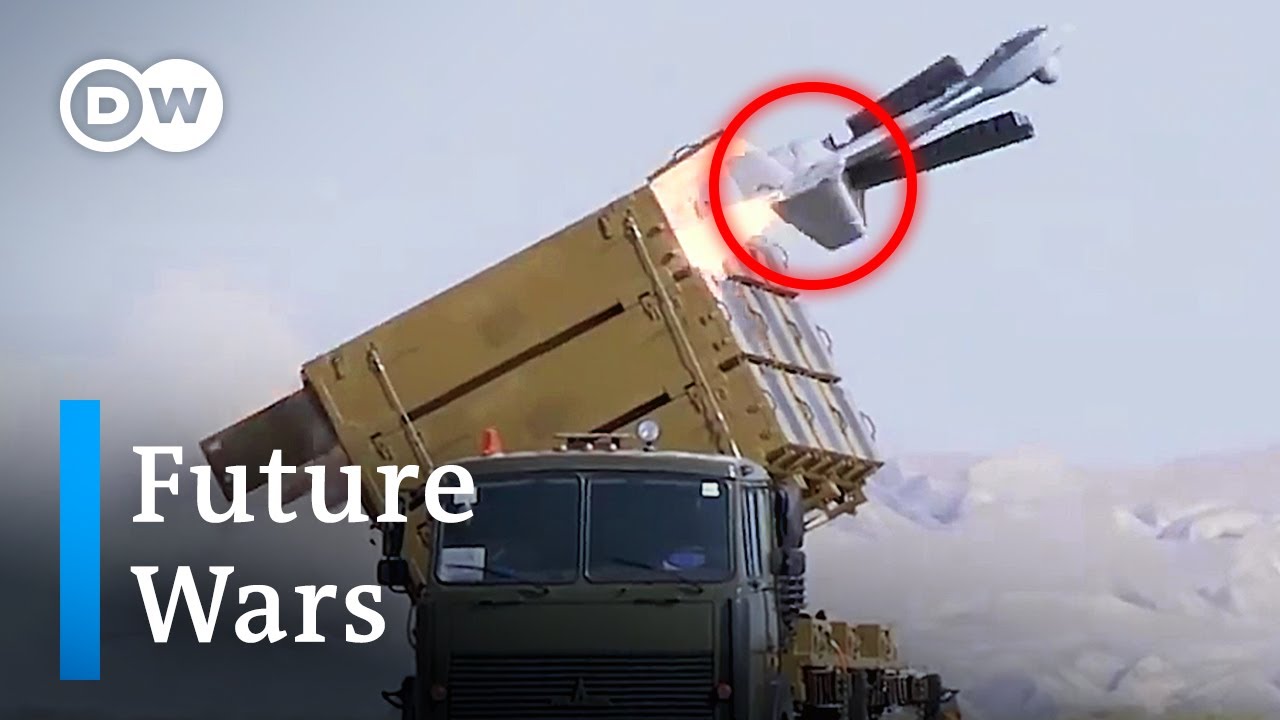
In Germany, Foreign Minister Heiko Maas emphasizes the urgent need for international regulations as cyber and autonomous weapons reshape modern warfare.
The COVID-19 pandemic and the war in Ukraine have highlighted vulnerabilities in hyper-globalized food systems, prompting calls for a shift towards sustainable agricultural practices.
In 2019, 2,691 people died on Mumbai's railway system, averaging seven deaths each day amid overcrowded trains and dangerous conditions.
Time bombs from World War II vessels threaten to cause the biggest oil spill in history.
A 25-ton unexploded bomb lies buried 70 feet underground beneath a farmhouse in Belgium, posing a significant danger to the surrounding area.
Food manufacturers use banned tactics in the developing world, targeting vulnerable populations.