From over 100,000 films, discover the handful you'll love.
Free or premium access to the world's largest documentary library.
Topics explored in films with this theme:
14119 films(Page 83 of 295)
Superman confronts the KKK in the 1940s after fighting Hitler and Hirohito.
Svalbard has about 1,100 glaciers, which melt in summer, creating rivers of cold fresh water that attract thousands of seabirds and marine life.
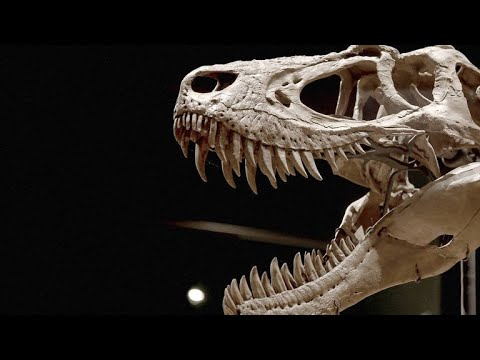
The T-Rex's 400,000 pounds per square inch biting force allows it to prey on Triceratops.
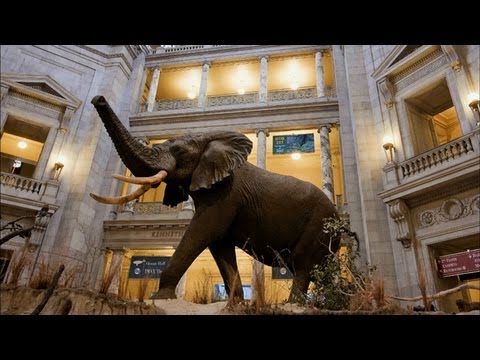
The largest elephant ever prepared for a museum weighs approximately 27,000 pounds and was installed at the Smithsonian in 1959 after extensive taxidermy work.
In the late 1300s, tea was introduced to Japan from China, leading to a cultural transformation that elevated tea drinking and the artistry of tea jars.
Nikola Tesla's vision of wireless power is being revived by companies like Why Tricity.
More than 20,000 Australians undergo androgen deprivation therapy, which stops testosterone production to treat prostate cancer.
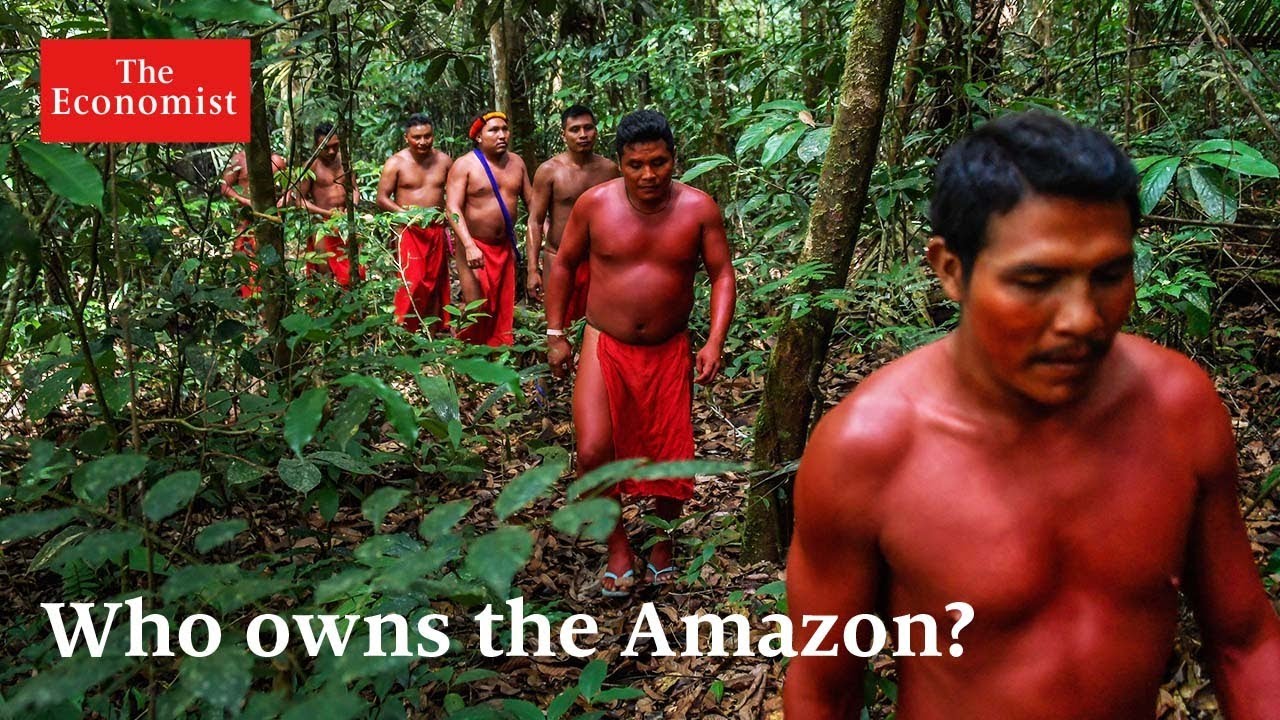
The Brazilian Amazon faces land-grabbing and deforestation issues under Lula's new policies.
The desert-dwelling oryx survives extreme heat through a unique panting mechanism.
The Peregrine falcon dives at 242 mph to catch prey, showcasing its triumph as the fastest animal.
Pelagornis sandersi, the largest flying bird, uses ocean currents to stay airborne with a 24-foot wingspan.
Great white sharks raise their body temperature to hunt fatty prey in colder waters.
Wilson Greatbatch's invention of the pacemaker transformed cardiac care, stemming from his commitment to help others after a near-death experience in World War II.
Desert elephants consume up to 600 pounds of vegetation daily to survive in the harsh conditions of northwestern Namibia's dry riverbeds.
NASA's James Webb Telescope shows how gravity forms large-scale structures in the universe.
Greg Turner, a wildlife biologist, manages animal care for the Pennsylvania Game Commission.
155 miles north of the Arctic Circle, the Ocean Endeavour faces icebergs that can make passage to Ilulissat, Greenland, extremely dangerous.
A unique lizard from Namibia uses its fringed toes to dive through hot desert sand, showcasing its remarkable adaptation to survive in harsh environments.
Kunlé Adeyemi designs a floating system to help Makoko adapt to rising sea levels.
Sara shares tips on managing her period during a survival challenge in South Africa.
Katie Acosta, a non-directed kidney donor, exemplifies a rising trend in altruism, with living kidney donations to strangers increasing by 31% from 2017 to 2018.
Brain Worm discusses lethal diseases caused by parasites that invade the brain and vital organs.
By 2040, global energy use is projected to increase by 30%, necessitating a shift to cleaner energy sources to combat climate change.
Zoo vets give Kaylee, a 400-lb dolphin, a CT scan in a challenging medical procedure.
Major brands invest in bacteria fungus and yeast for sustainable fashion innovations.
Fourteen electrodes are implanted deep into Olivia's brain to investigate the source of her epilepsy and map brain functions.
Air conditioning and refrigeration systems account for about 20% of total electricity used in buildings, with the U.S. consuming as much as the entire continent of Africa.
Catherine King and Wayne Adams live on a floating island near Vancouver Island, built over 24 years.
Entrepreneur Yves generated £150,000 by selling dog backpacks online, detailing his marketing strategies and challenges in the pet accessory market.
Ciné-Real in London offers a unique 16mm movie experience curated by Mesut Hassan and Liam Saint.
Madison Stewart educates about sharks to reduce fear and promote understanding in schools.
James Lovelock proposes AI solutions to save the human race from climate change threats.
Germany aims to triple its renewable energy production, with wind turbines already generating more electricity than the province of Schleswig-Holstein needs.
Gifted children show early skills, self-starting abilities, and obsessive interests in their passions.
Engineers use the Interceptor to clean the Klang River in Malaysia and prevent ocean plastic pollution.
A single elephant tusk can sell for over $4,000 on the black market, contributing to the ongoing threat of extinction for the species.
Nearly 15 percent of global greenhouse gas emissions come from crop and livestock production, raising concerns about the environmental impact of meat consumption.
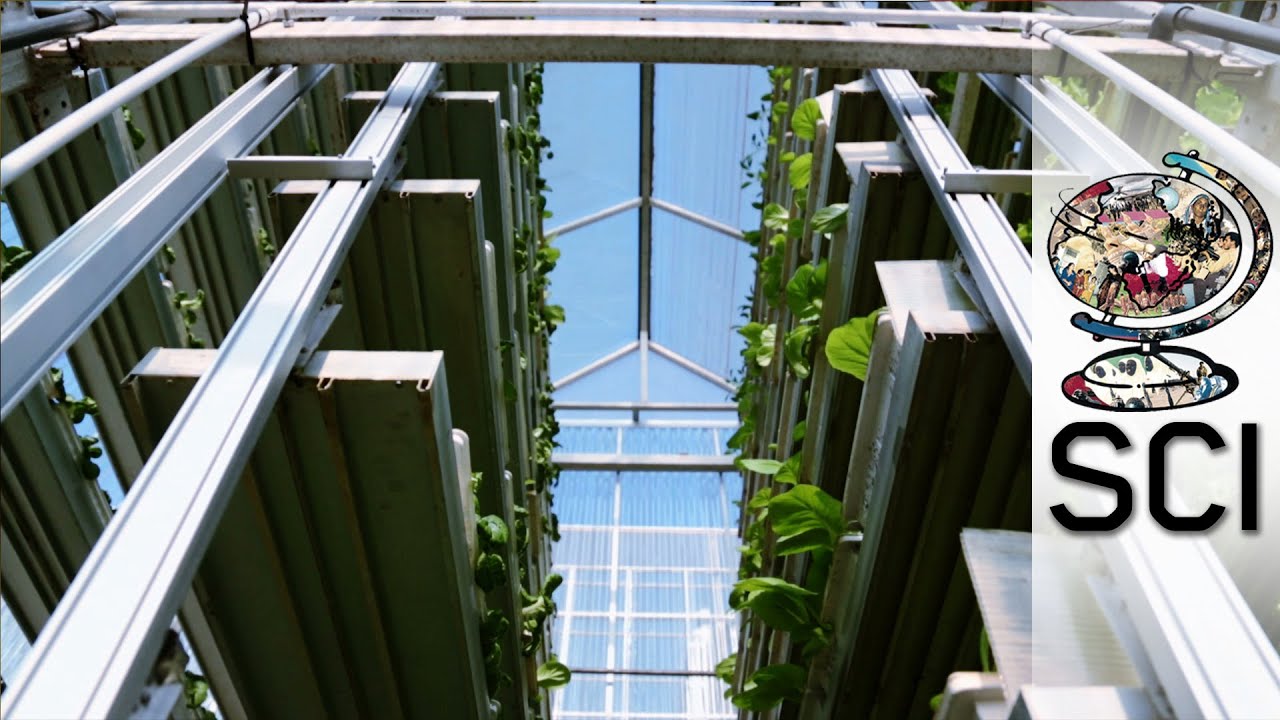
SkyGreens' vertical farm uses a closed loop hydraulic system that consumes only three dollars a month in electricity to produce fresh vegetables for Singapore's residents.
A market for virtual restaurants is expected to generate $1 trillion by 2030, fueled by the rise of digital ordering and delivery services.
In 1948, archaeologist Graham Clark led a dig at Star Car, uncovering one of the best Mesolithic settlements in Europe, preserved for 10,000 years.
Red Rock Canyon forms from ancient sea and tectonic plate movement in Las Vegas Valley.
Dr. Tom Davey tests if waves create sightings of the Loch Ness Monster despite little evidence.
Professor Jim Al-Khalili explains how we could be smelling through vibrations in quantum physics.
A total solar eclipse occurs approximately once every 18 months somewhere in the world, with the last coast-to-coast eclipse in the U.S. happening in 1918.
Scientists in Yellowstone combat invasive lake trout threatening cutthroat trout survival.
Smithsonian scientists provide practical tips and techniques for photographing Mars, detailing necessary equipment and settings for optimal results.
Zambian villagers and Norman Carr find a way to coexist with elephant herds in the 1950s.
The Hubble Space Telescope's first light images in HD showcase galaxies, nebulae, and other celestial phenomena, revealing intricate details of the universe.