From over 100,000 films, discover the handful you'll love.
Free or premium access to the world's largest documentary library.
Topics explored in films with this theme:
14119 films(Page 70 of 295)
Russia claims control of Luhansk region while increasing attacks on Ukrainian civilians.
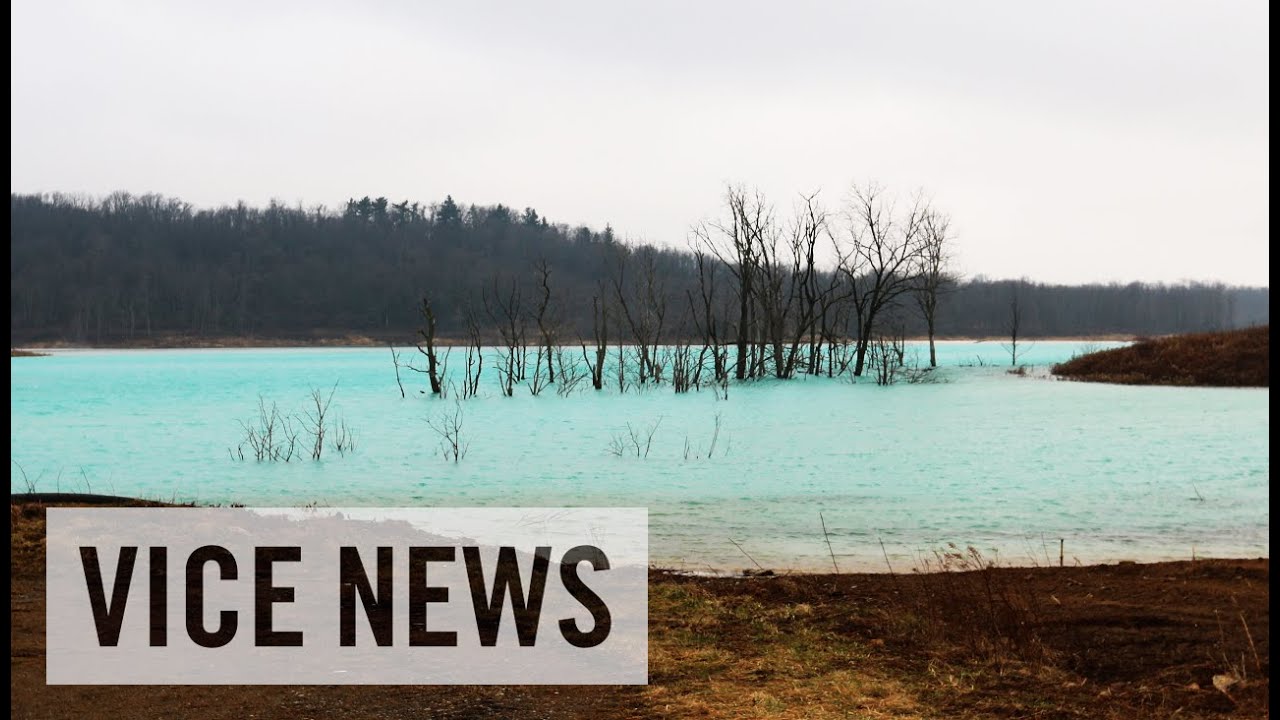
Little Blue Run, the largest coal ash pond in the US, spans over two states and contains 20 billion gallons of coal ash, leaking toxic elements into nearby communities.
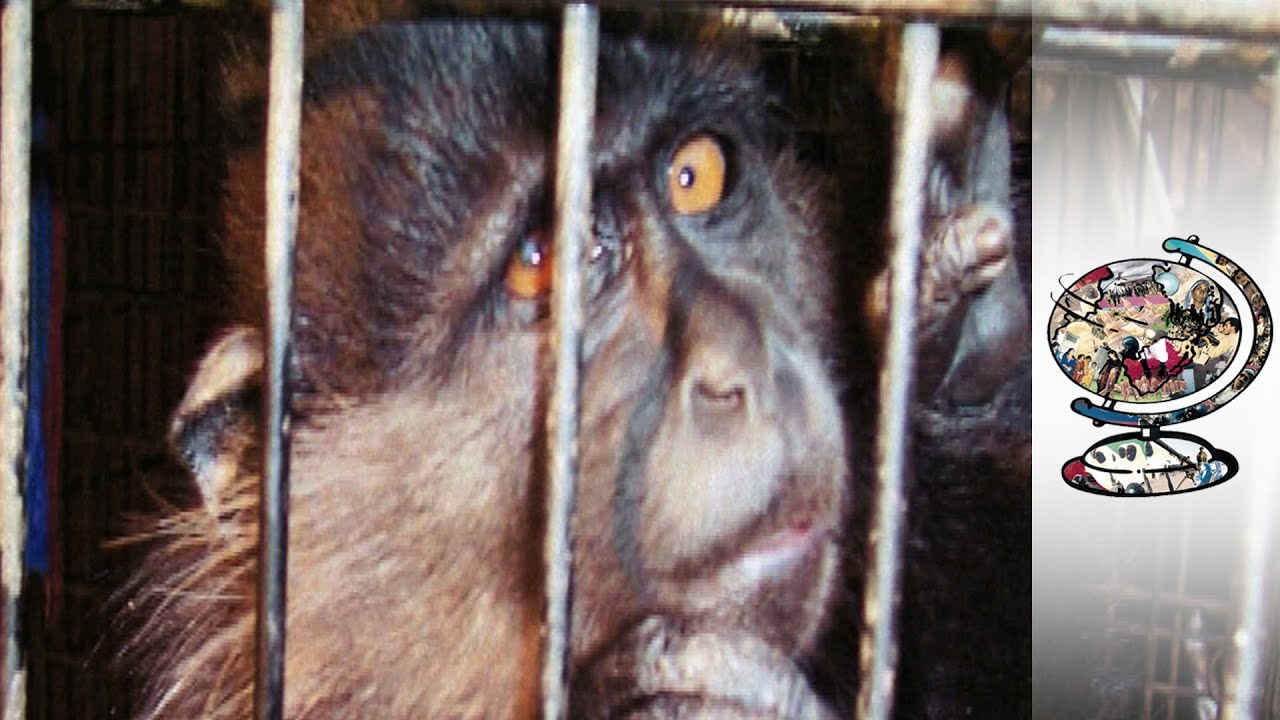
Seven to nine hundred cages hold various research animals at a Johns Hopkins University facility, where trials for synthetic cornea implants are conducted.
Timmy Covi helps clean up the Taylor Energy oil spill in the Gulf of Mexico, America's longest-running spill.
Michael Twitty teaches southern food traditions in Colonial Williamsburg, highlighting enslaved Africans' impact.
Out of 100 monkeys exported from Congo, 34 are sent to the United States, where they are claimed to be rescued from the bush meat trade.
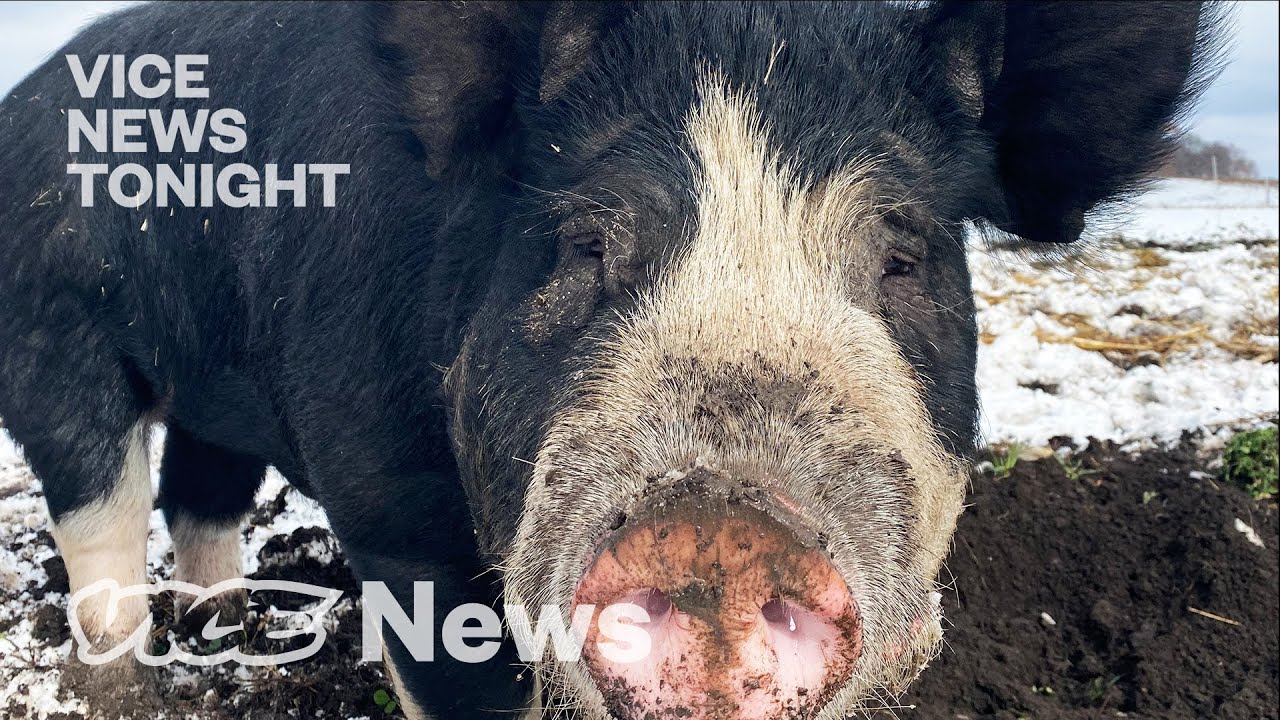
Smithfield's acquisition of Romanian pig farms devastates local breeders and raises pollution concerns.
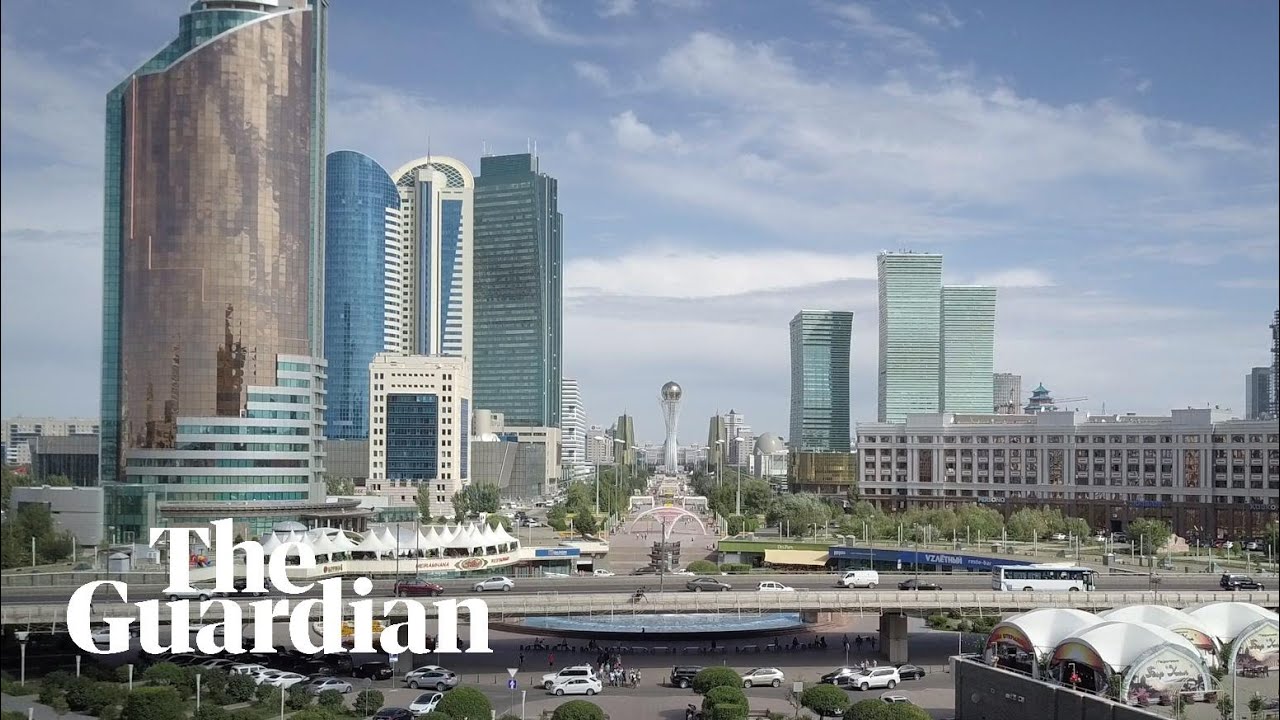
Kazakhstan aims for 50 percent renewable energy by 2050, despite its rich reserves of oil, gas, and coal that have fueled its economy for decades.
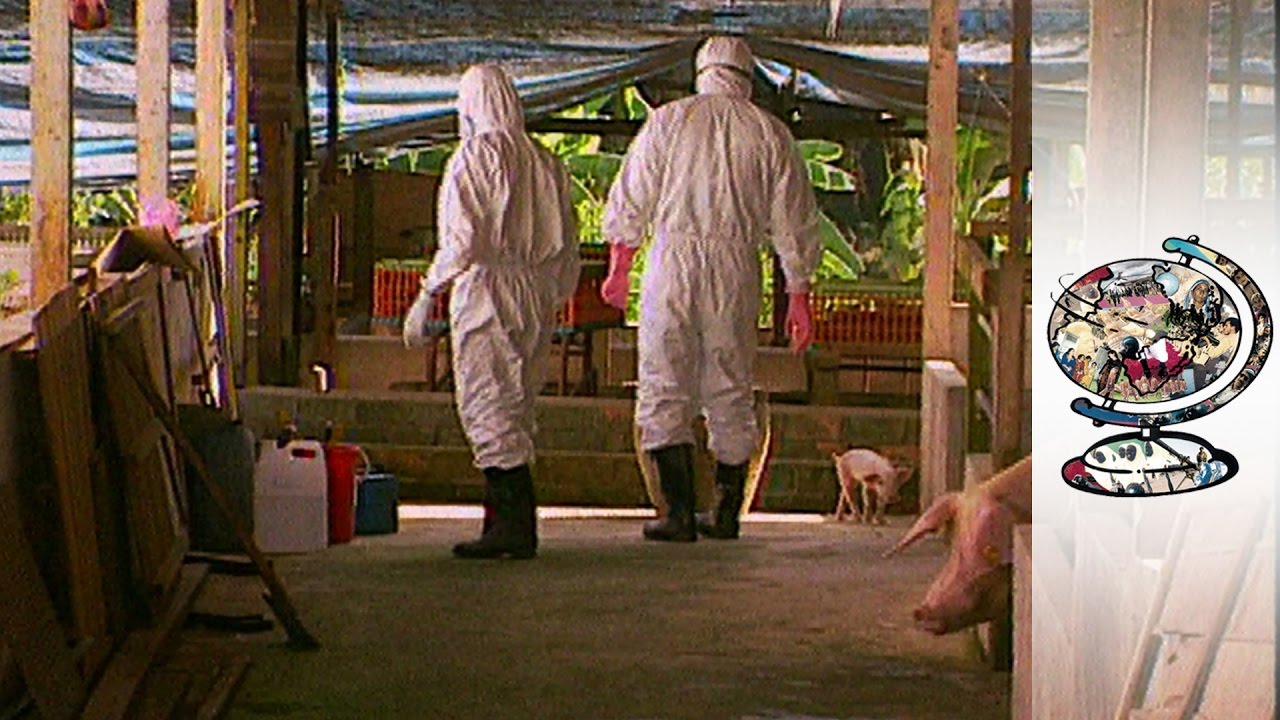
Eighty people died in two small farming villages in Malaysia due to the Nipah virus outbreak, which devastated the local pig industry.
Changbin township in Taiwan revitalizes to attract young residents amid a population crisis.
9,500 animals were poached in Zimbabwe last December, as farmers struggle against the consequences of government land reform policies.
Activists plan to break into a pig farm to collect feces and swab animals, believing a global pandemic is brewing inside American factory farms.
Less than 200 argan trees now grow per hectare in Southwest Morocco, down from over 600 a century ago, as urban sprawl and goats threaten the forest.
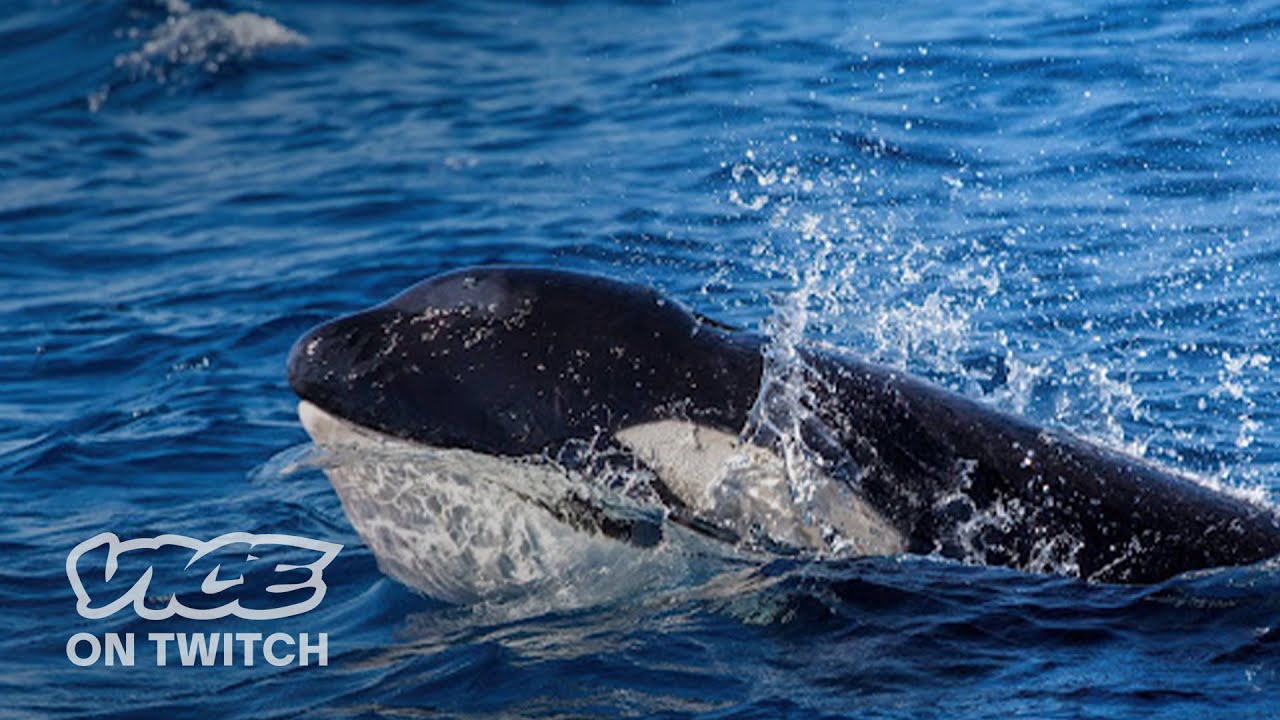
Over 200 interactions between orcas and boats were reported last year, resulting in the sinking of three ships due to orcas targeting rudders.
An armed militia led by Ammon Bundy occupies a wildlife refuge in Burns, Oregon, in January.
More than 100,000 visitors come to the Galápagos Islands each year, where a conflict between fishermen and park rangers threatens the local wildlife.
Protesters in Rossport oppose Shell's controversial gas pipeline project amid local concerns.
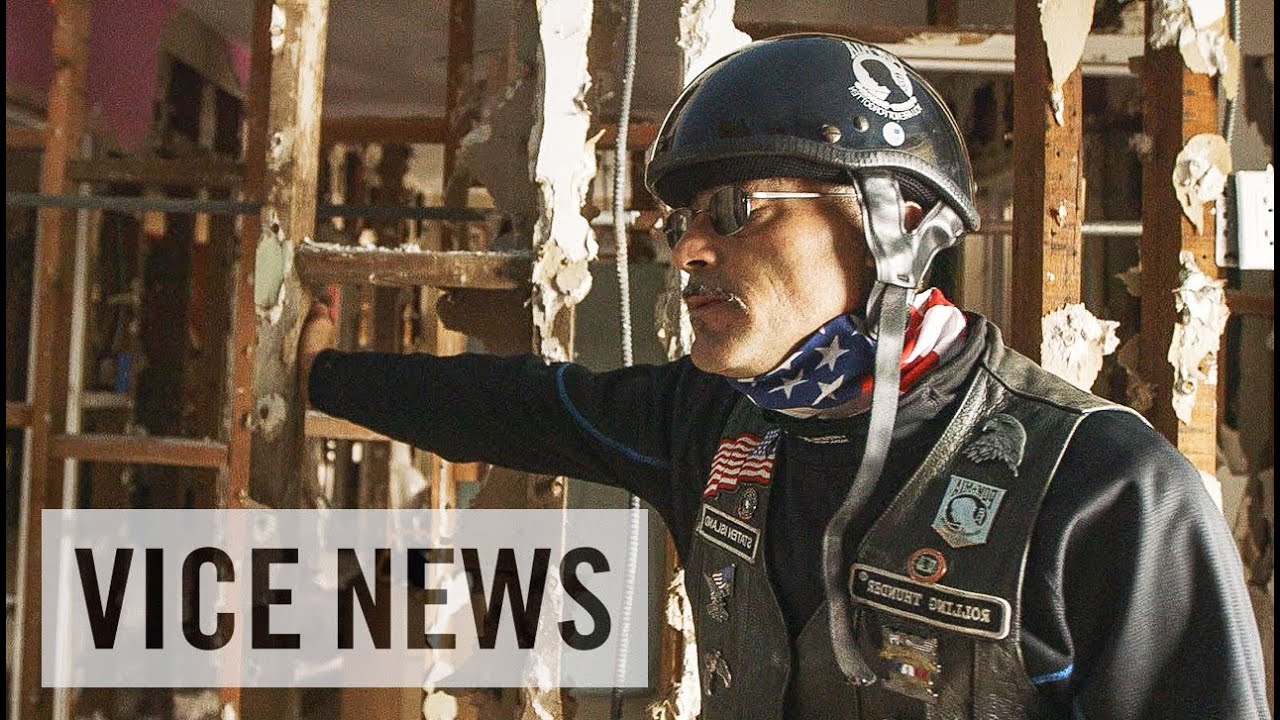
Nearly $2 billion in federal funding for Hurricane Sandy recovery remains largely unallocated, leaving many residents without the means to rebuild their homes.
A $16 billion plan to export natural gas from Papua New Guinea has sparked protests among local landowners who fear exploitation of their resources.
5,700 people died in two weeks during one of Ecuador's worst coronavirus outbreaks, prompting a state of emergency across the country.
A 150,000-square-foot bunker is designed to provide a normal life for families during extreme conditions, reflecting the wealthy's preparations for potential disasters.
Each week, a licensed diamond trader in Angola purchases over $2 million worth of stones amid a dangerous and corrupt trade environment.
In rural China, 60 million residents struggle to survive on $90 a year, facing a conflict between small micro-loans and larger government loans for agricultural investment.
Each year, 20,000 to 30,000 green sea turtles are killed in Bali, primarily for their meat, often under the guise of religious rituals.
In July 2001, Soviet leaders' actions lead to the Aral Sea's environmental disaster.
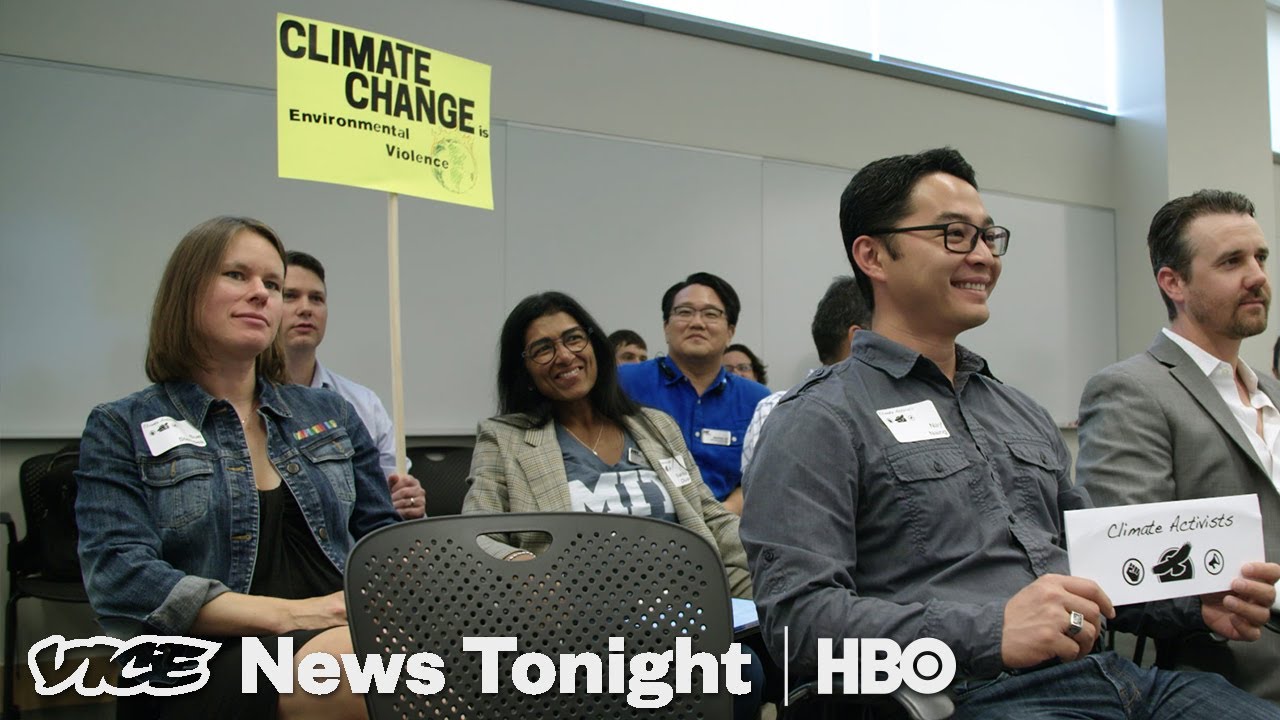
Participants simulate climate negotiations with the Honorable Donald J. Trump representing the U.S.
The Department of Defense shapes military portrayal in films through script approval.
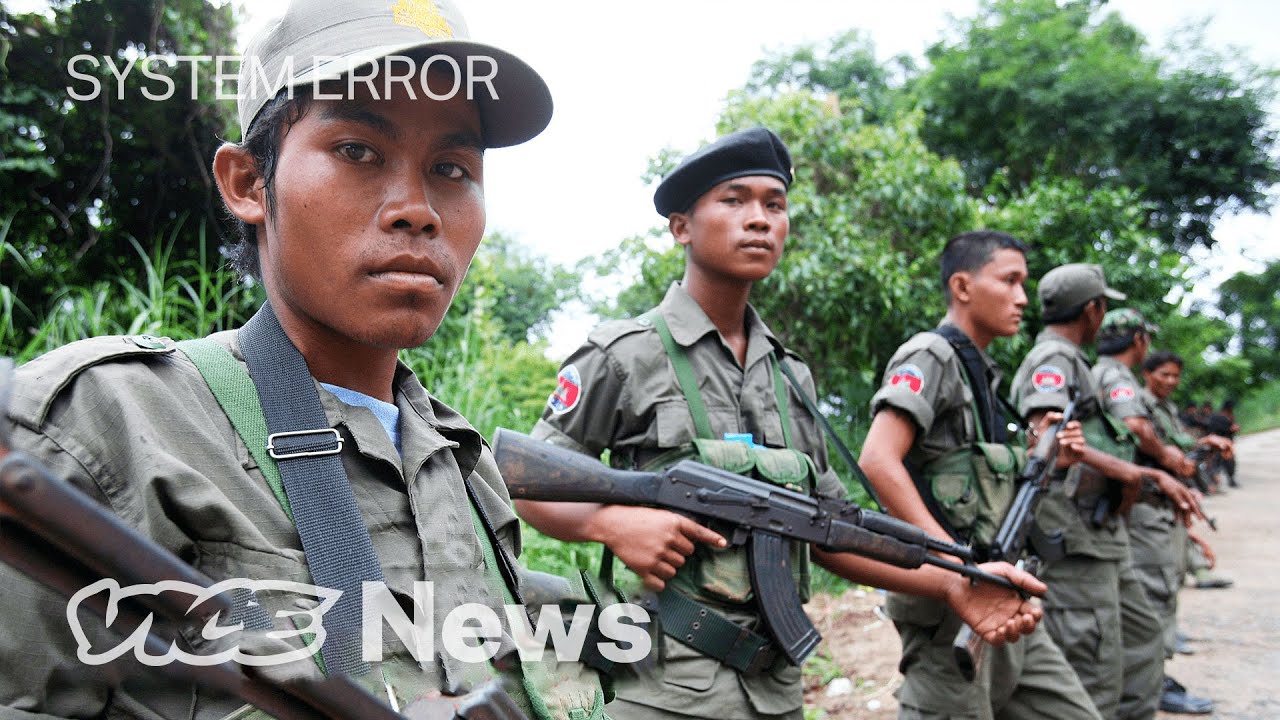
Eighteen people died and thousands were displaced during clashes over the Preah Vihear temple after it received UNESCO World Heritage status in 2008.
Miners at Kawah Ijen face toxic fumes and harsh conditions for just $2 a day.
Between 50,000 and 100,000 illegal miners work in perilous conditions on Bangka Island, contributing to Indonesia's status as the world's largest tin exporter.
The United States tested 67 nuclear bombs in the Marshall Islands, including the Bravo shot, which was a thousand times greater than Hiroshima.
Mount Vernon, New York faces a sewage crisis impacting residents' health and homes.
Washington County, Utah, plans to build a pipeline to divert billions of gallons of water from the Colorado River amid concerns from conservationists about sustainability.
Every year, up to 41 million people are poisoned by pesticides, with many victims coming from developing countries like Kenya.
Every year, almost 4 million tons of electronic waste arrives at Karachi's harbor, contributing to a toxic recycling industry that employs around 150,000 people.
Every year, the Dutch government spends 6 million euros on clean-up operations for toxic waste from illegal drug production.
Ethiopia has tripled its agricultural production in the last 20 years, but local farmers face displacement as foreign investors acquire their land.
Kiribati, a nation of 115,000 people, faces the imminent threat of disappearing due to rising sea levels caused by climate change.
West Africa's fishing grounds face overexploitation from global fleets, impacting local communities.
Over 120 billion garments are produced worldwide each year, contributing to significant textile waste and questioning the fashion industry's claims of sustainability.
Millions of Brits may choose between starving and keeping warm this winter amid rising energy prices.
The New Shale Rush in North Dakota transforms global energy markets and politics.
Lillian Alba assists Afghan refugees, providing essentials for their first night in the U.S.
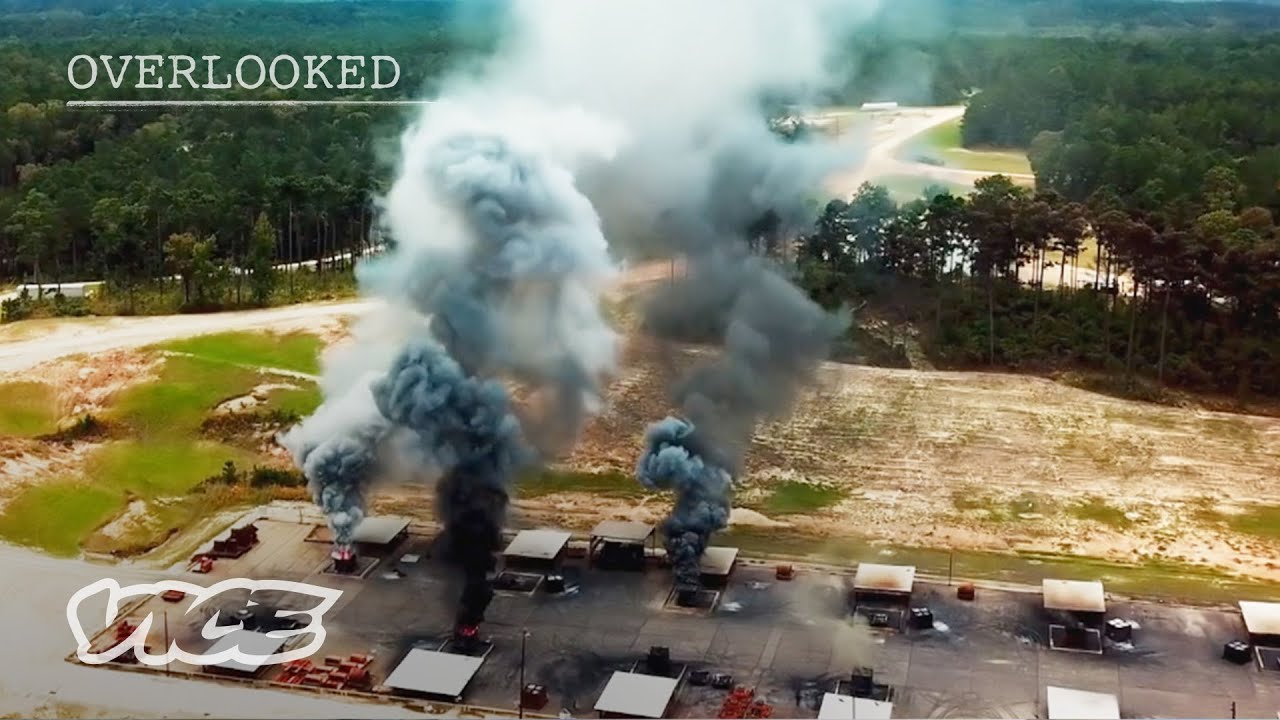
Colfax, Louisiana, faces environmental risks from military contracts with Clean Harbors.
China's two-child policy faces challenges amid an ageing population and migrant worker issues.
Residents of Grindavik face a looming volcanic threat from Fagradalsfjall in Iceland.
Residents of Juliette, Georgia, drink from wells that tap into an aquifer containing an ash pond storing decades of waste from the nearby coal plant.
Human interference with the environment raises ethical questions about the feasibility of geo-engineering as a solution to the climate crisis.