From over 100,000 films, discover the handful you'll love.
Free or premium access to the world's largest documentary library.
Topics explored in films with this theme:
14119 films(Page 94 of 295)
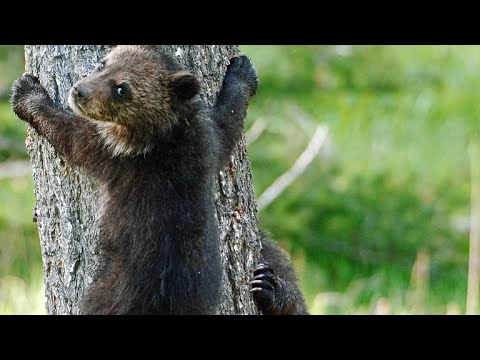
Quad mom, a celebrated bear in Yellowstone National Park, plays a crucial role in the ecosystem and the recovery of the bear population after being endangered.
William Levitt revolutionizes suburban housing for Americans in the 1950s with Levittown.
John Scopes is tried in Tennessee for teaching evolution, violating the Butler Act in July 1925.
A long-tailed weasel captures a meadow vole, benefiting Mississippi farmers in America.
Hydrogen cyanide is key to understanding the origin of life in outer space environments.
Richard Pearse, a New Zealand farmer, builds a flying bicycle and pioneers aviation in 1903.
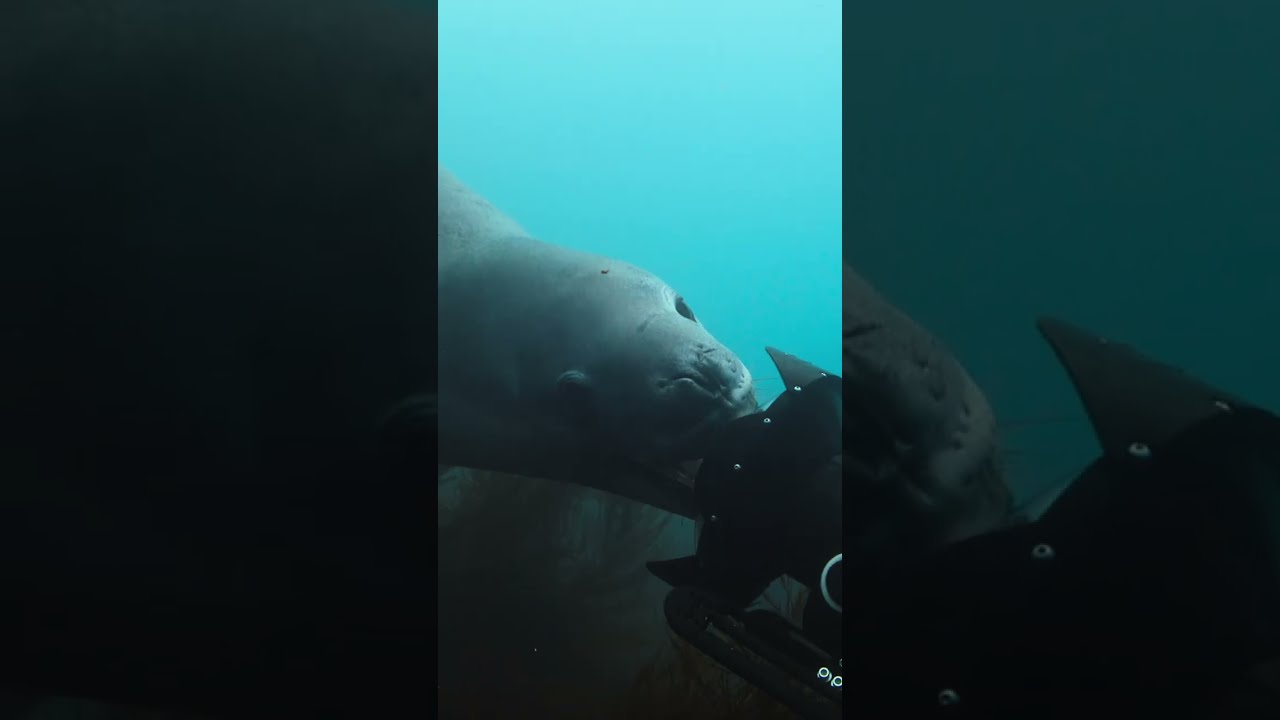
In Antarctica, a leopard seal showcases its impressive size and playful nature, prompting discussions about the potential dangers of close encounters with humans.
John Gurche creates life-like sculptures of early ancestors for Smithsonian Spotlight: Human Origins.
Forensic botanists use seed pods as the only evidence to solve a murder case.
Liz Bonnin highlights the playful Galápagos sea lion in this Nat Geo Original series.
A full-grown dunkleosteus measured more than 25 feet long and weighed over three tons, making it a dominant predator in ancient oceans.
The British Antarctic Survey's center withstands extreme cold and relocates in danger.
The angel's trumpet flower, like Fort Knox, stores nectar deep within its foot-long structure.
Migrating elephants gather at a clearing for minerals and reunions in Wild India.
Wolfgang Dittus studies macaques in Sri Lanka, revealing their social structures and behaviors.
Forrest Galante travels to Stream Island to study Walking Sharks and highlight the importance of marine conservation and biodiversity.
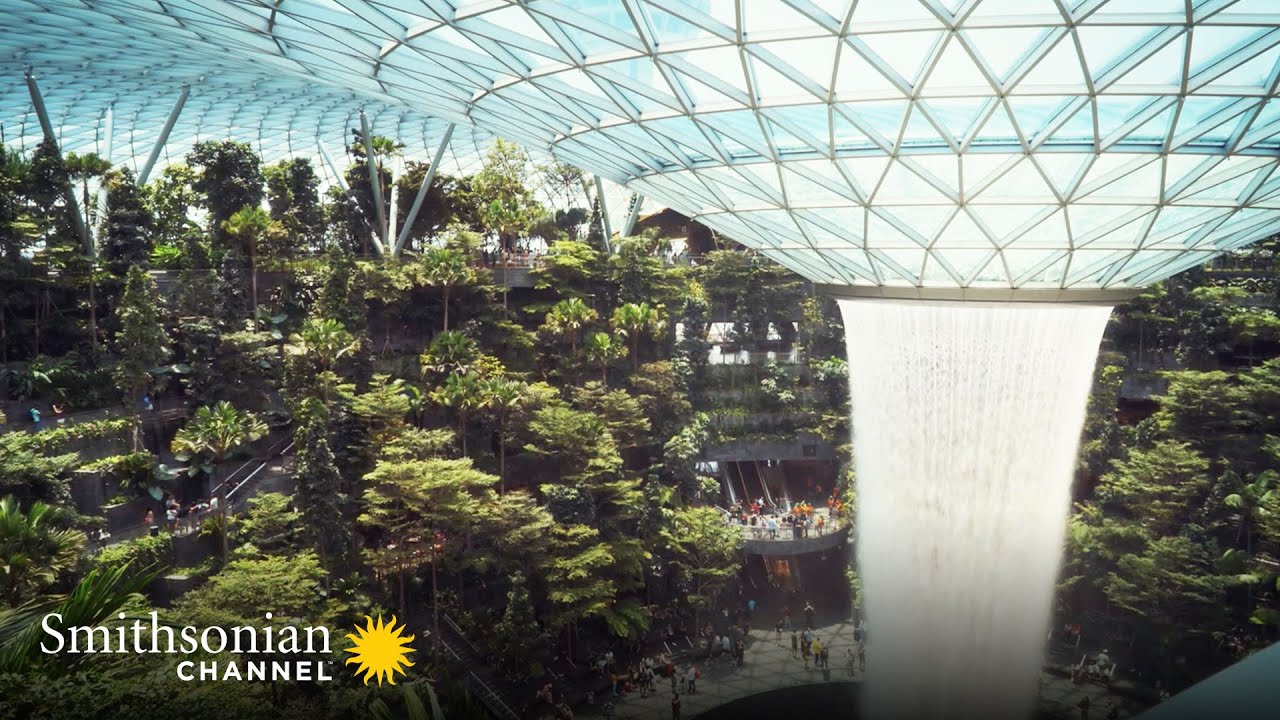
Singapore's airport features a rainforest and waterfall, redefining travel experiences.
Meet the Malabar Pit Viper, a snake that disappears into the forest and strikes with deadly venom.
A female golden dart frog seeks a mate while her toxin coating poses a deadly threat.
The USS Vinson uses 300-year-old steam technology in its advanced aircraft carrier operations.
The Himba people of Namibia have a unique view on infidelity and parenthood, with 17% of children born out of wedlock.
Volunteers at Tortugranja on Isla Mujeres care for green turtle hatchlings to help them survive against threats from predators and humans.
The Great Temple of Amun was constructed over 3,000 years ago and served as the home of the most important deity in ancient Egypt.
Sally Snowman manages Boston Light, America's oldest lighthouse, as its 70th keeper.
Each astronaut would require more than 4,000 pounds of food over a three-year trip to Mars, costing approximately $320 million per person.
Tickle and his wife Carol celebrate the grand opening of Heartline Restaurant, blending 1950s diner charm with the tradition of moonshining in Appalachia.
Young tiger Kumal is captivated by a female tiger signaling her interest through urine.
The U.S. first commercial nuclear power plant began in 1958, leading to a nuclear energy future.
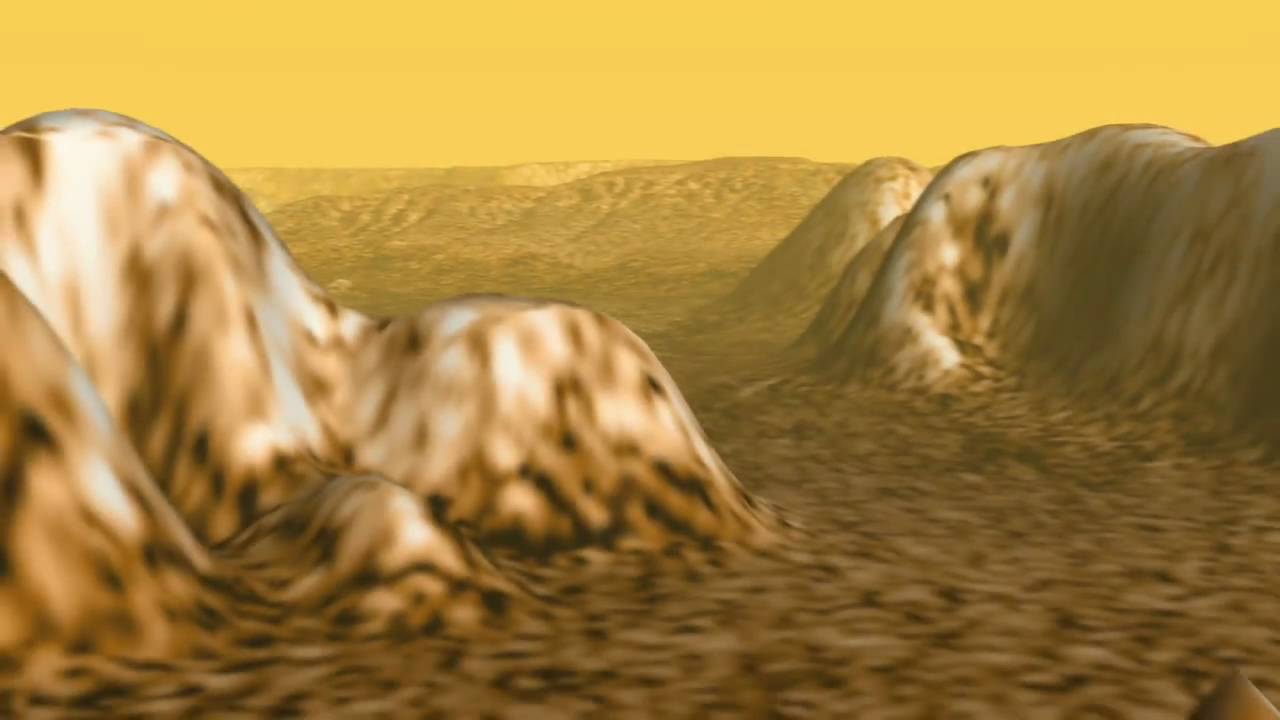
Radar data reveals that Titan has areas of carst topography similar to places on Earth like Jamaica and Puerto Rico, formed by liquid methane.
Titan, Saturn's largest moon, features a complex weather system with liquid hydrocarbons like methane and ethane, challenging our understanding of planetary atmospheres.
Check out the life-size titanoboa replica coming to the Smithsonian Institution Traveling Exhibition Service.
The titanoboa, a prehistoric monster snake, could swallow prey whole, even motorcycles.
Carlos Jaramillo discusses Titanoboa and fossil discoveries at the Smithsonian Tropical Research Institute.
The video discusses what a titanoboa would eat at the National Zoo today.
Titanoboa, the largest snake in history, is humorously depicted in a song by a crocodile character, blending entertainment with facts about its size and predatory nature.
A 48-foot prehistoric snake, Titanoboa, killed by constriction with a pressure of 400 pounds per square inch, challenges the Tyrannosaurus rex in a hypothetical battle.
Lake Titicaca in Bolivia is home to the ancient site of Tiahuanaco and the sacred islands of the sun and moon, where local traditions honor Pachamama and Viracocha.
Barry's crew prepares to catch a shark named Harrison by using a hook and a satellite tag bolted to the dorsal fin after drilling holes in it.
Two young Tolai men undergo a painful initiation known as the fish test, where they must endure whipping without showing signs of distress.
Dust devils form on Earth and Mars, visible due to the dust they lift from the ground.
A storm chaser captures a tornado, urging viewers to find their safe place amid the chaos.
The Barcode of Life initiative aims to catalog plant and animal species to enhance medical research and promote biodiversity conservation.
Baow baow, a young panda at the Chengdu Research Base of Giant Panda Breeding, shows progress in training as she becomes more active and engaged.
This feature documentary reveals the tukdam phenomenon among Tibetan Buddhists after death.
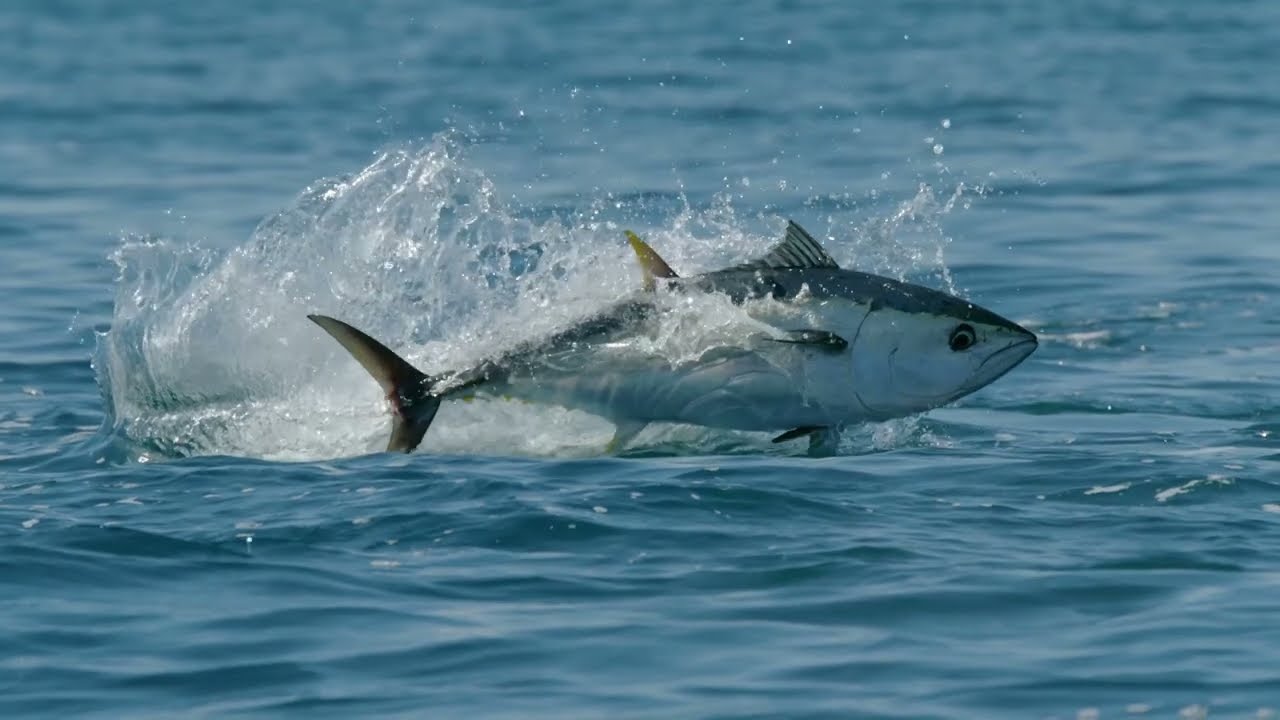
Bluefin tuna can reach over 800 pounds and 10 feet in length by the age of 20, preying on schools of anchovies in open water.
Two superfan critics of Naked and Afraid test their survival skills in Colombia's jungles, facing extreme conditions with only one survival item each.
The Hubble Space Telescope reveals the Twin Jet Nebula's intricate shells and fast-moving gas jets extending from a central star system.
In the Mendip Hills of the UK, paleo climatologist Gina Mosely studies calcite crystals in Shatter Cave to reveal climate changes over the last 600,000 years.