From over 100,000 films, discover the handful you'll love.
Free or premium access to the world's largest documentary library.
Topics explored in films with this theme:
14116 films(Page 119 of 295)
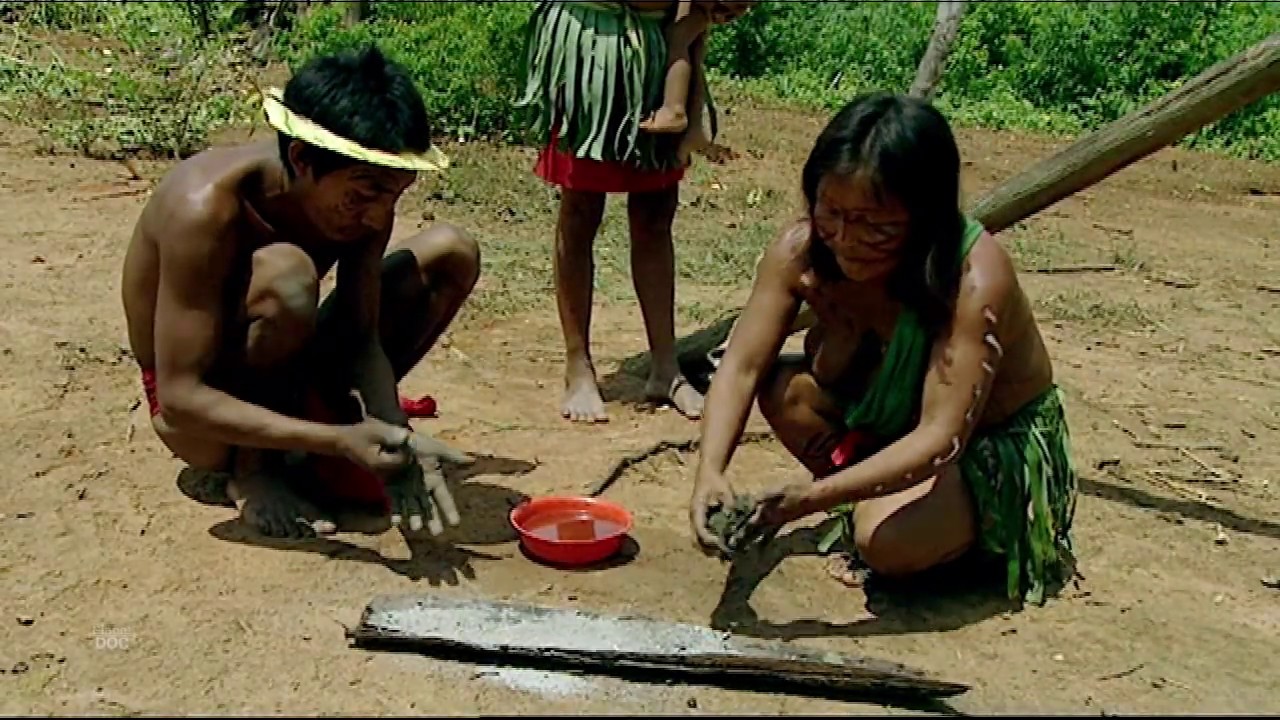
Sanema women in Venezuela cultivate crops and resist outside influences in their forest home.
Enceladus, one of Saturn's moons, features a bright icy surface, extreme temperatures, and intriguing geological characteristics that suggest potential for scientific exploration.
Hasan Kızıl helps disabled animals in Mardin, Turkey by building custom prosthetics and walkers.
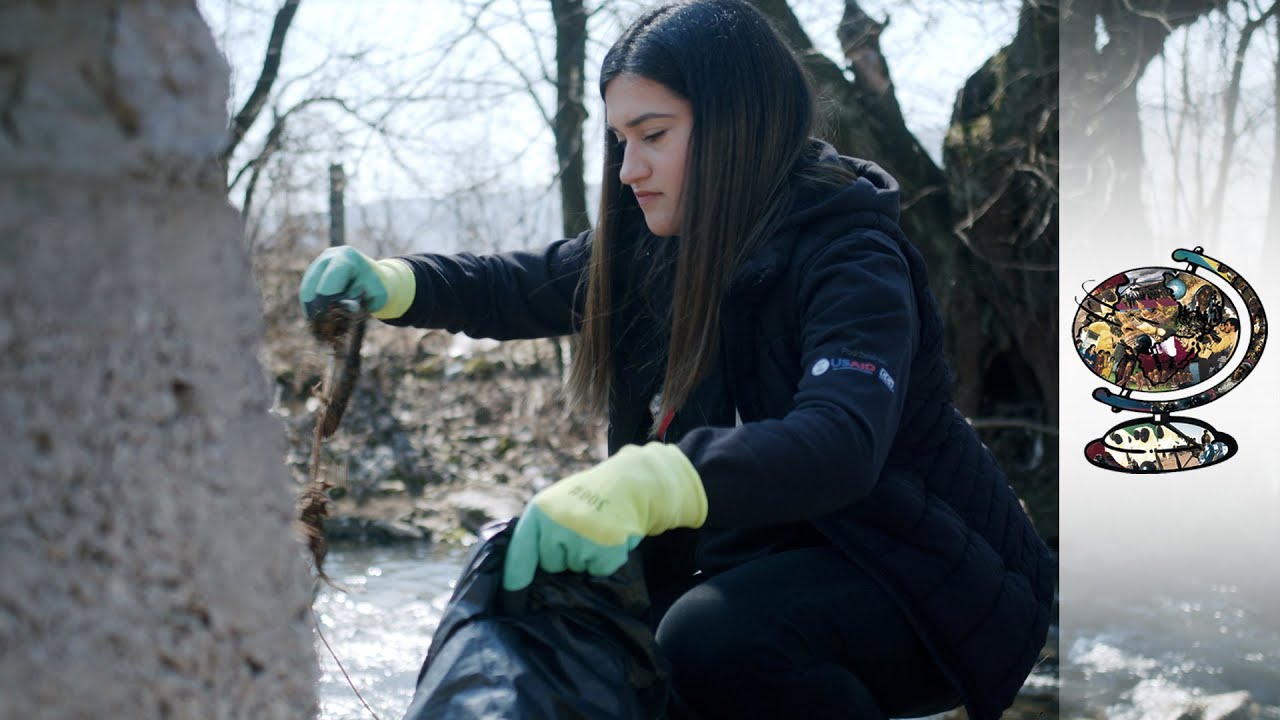
In Bosnia and Herzegovina, Serbs, Croats, and Bosniaks unite against small dam constructions on the country's free-flowing rivers, achieving a legal victory in July.
Over 65% of King Island residents oppose the expansion of the fish farming industry, citing concerns about environmental degradation and local culture.
The Fortington-Neave family reduces their carbon footprint from over 14 tons per person to around 11.5 tons while learning to live more sustainably.
Over 200 otters have been rehabilitated and returned to the wild since the UK Wild Otter Trust began its work in 1998.
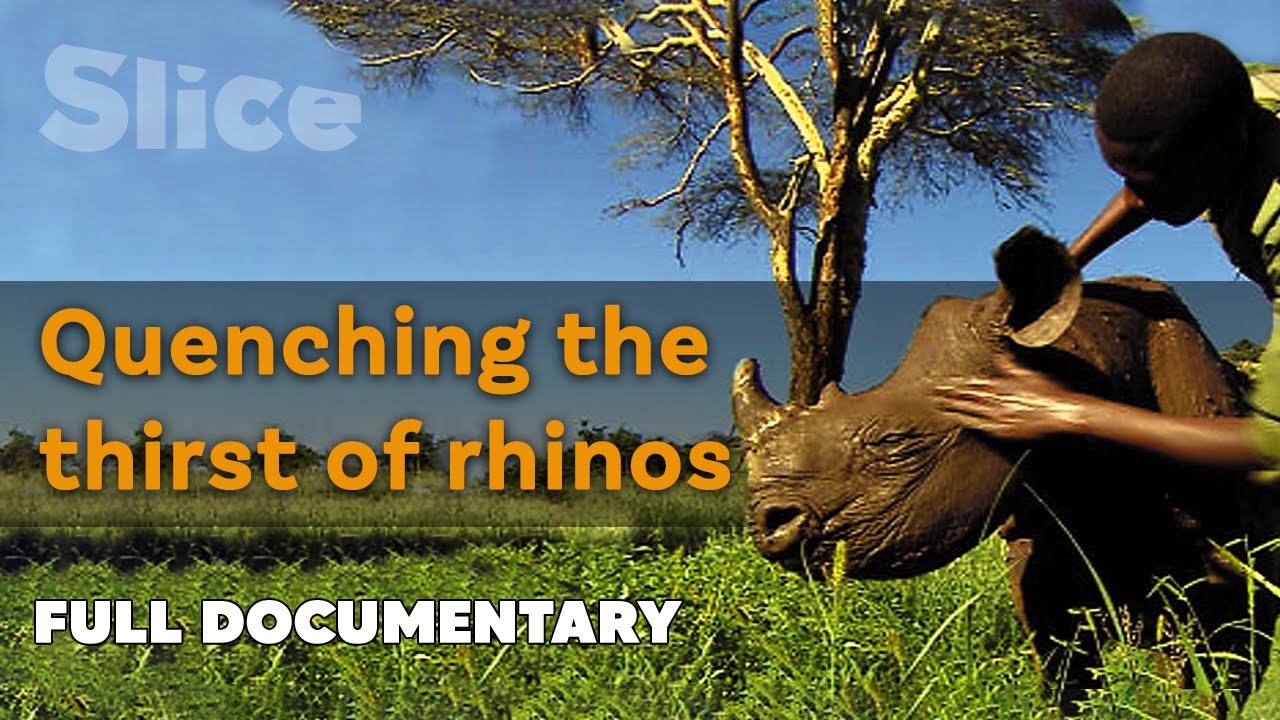
Rangers David and Leikeirio work to save rhinos in Lewa amid a devastating drought.
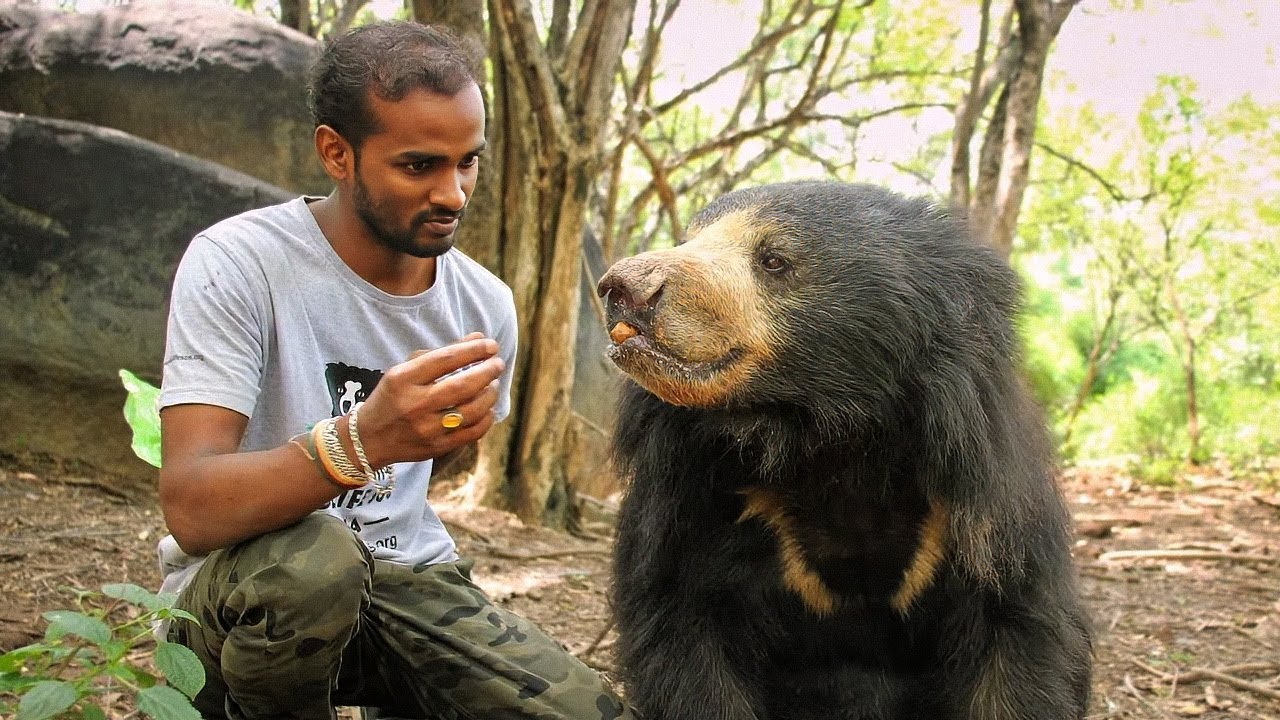
Over 400 years, sloth bears in India have been exploited for entertainment, with 628 bears rescued from captivity by Kartick Satyanarayan and Geeta Seshamani.
Less than 70,000 kiwi birds remain in New Zealand, a sharp decline from 12 million, largely due to predation by stoats and rats.
In a fierce BattleBots matchup, Sawblaze showcases its powerful hammer-saw weapon against Blip, highlighting cutting-edge robot combat technology.
Footage from 'Scavengers of the Savannah' highlights the role of scavengers in the ecosystem.
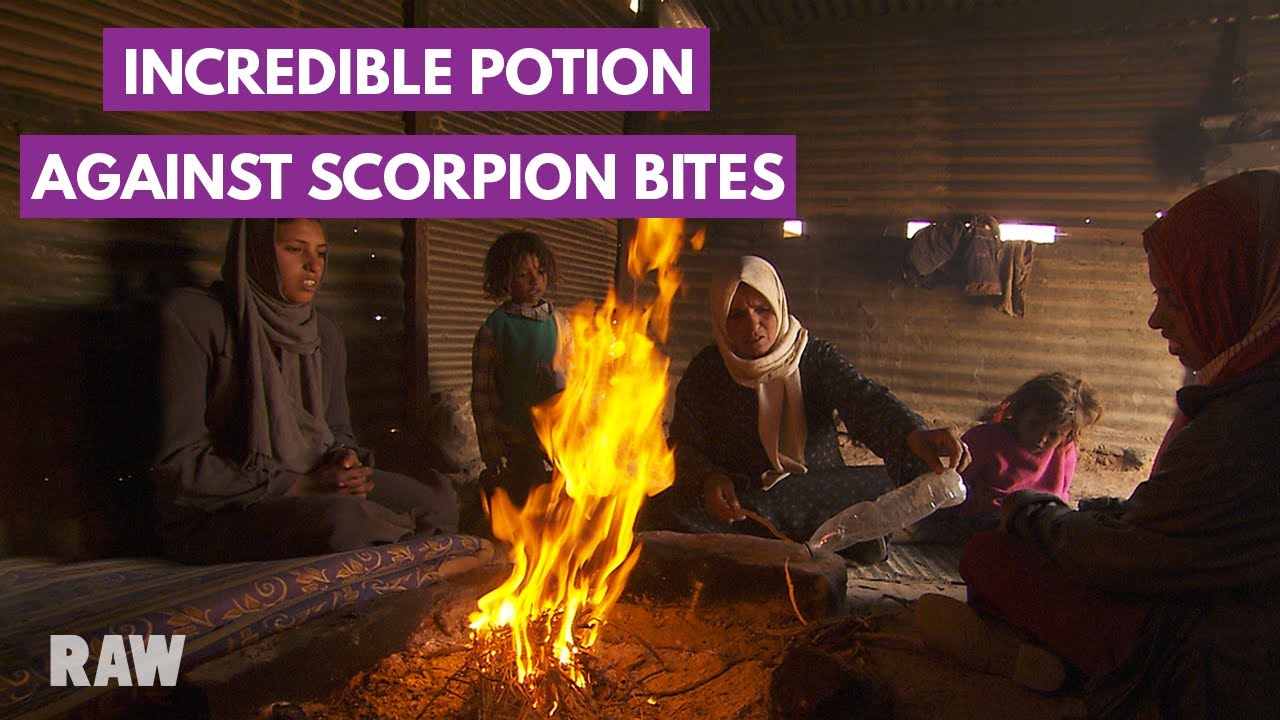
The Bedouins use scorpion bites in traditional medicine to protect newborns from danger.
Over 4,000 years ago, crocodiles became trapped in the Ennedi Massif when water receded, now surviving in the region's scattered gueltas.
2,000 tons of coal were collected every weekend by hundreds of sea coal collectors along the English shore before the industry began to decline.
They spend their early months learning to hunt alongside stripped marlin in the Sea of Cortez.
A father prays for his son, Marwan, as they wait on a cold beach among other refugees, fearing the vast and indifferent sea.
At the South Carolina Aquarium Sea Turtle Care Center, Hopper is ready for release while Glen requires a pioneering procedure to survive.
Two rehabilitated Kemp's Ridley turtles are released back into the wild at Folly Beach.
Sumter, a loggerhead turtle, receives cataract surgery to restore her sight at the care center.
A tornado touched down for 41 minutes on May 2, 2024, leaving a path of destruction over 25 miles long in Holly, Texas.
A tornado touched down in Alabama, with eyewitnesses reporting baseball-sized hail and intense winds that left them scrambling for safety.
A team tests sniffer dogs' abilities by hiding contraband in various locations, including inside peanut butter, to see if they can still detect it.
1,000 meters underground, magma-heated water fuels China's largest geothermal power station, providing energy to 50,000 Tibetan households.
Nuclear weapons malfunctions are examined through the lens of top-secret government operations, revealing alarming incidents and military secrecy worldwide.
This episode reveals how Earth came to exist and how long will humans call it home.
NASA's Dawn mission began on September 17, 2007, to study the two largest asteroids, Ceres and Vesta, in the asteroid belt.
The Yami people of Orchid Island celebrate the fishing season with the 'Night of the Silver Helmets.'
Dr. Robert Stein from Michigan State University studies solar dynamics and coronal mass ejections.
The Webb Space Telescope will study how planets form and evolve in our solar system and beyond.
Men in Bengal risk facing tigers to gather wild honey in the Sundarbans.
110,000 people mobilized to plant 52 million mangrove seedlings across 15,600 hectares in Senegal, revitalizing critical coastal ecosystems.
Over a thousand refugees in Belgrade face sub-zero temperatures while living in abandoned warehouses, struggling for basic shelter and support.
Serengeti National Park, spanning 30,000 km² in eastern Africa, is home to the annual migration of hundreds of thousands of gnus seeking pasture.
Serengeti National Park, spanning 30,000 km² in eastern Africa, is home to the annual migration of hundreds of thousands of gnus seeking fresh pasture.
Serengeti National Park, spanning 30,000 km² in eastern Africa, is home to the annual migration of hundreds of thousands of gnus seeking fresh pastures.
Serengeti National Park in eastern Africa, spanning 30,000 km², is home to the annual migration of hundreds of thousands of gnus seeking fresh pastures.
Grevy’s zebras and Burchell’s zebras form mixed herds in Shaba during the rainy season before migrating to the Aberdare mountains for year-round pasture.
In Kenya's savannah, drought severely affects wildlife, as elephants gather near the last green patches on limestone hills to survive the harsh conditions.
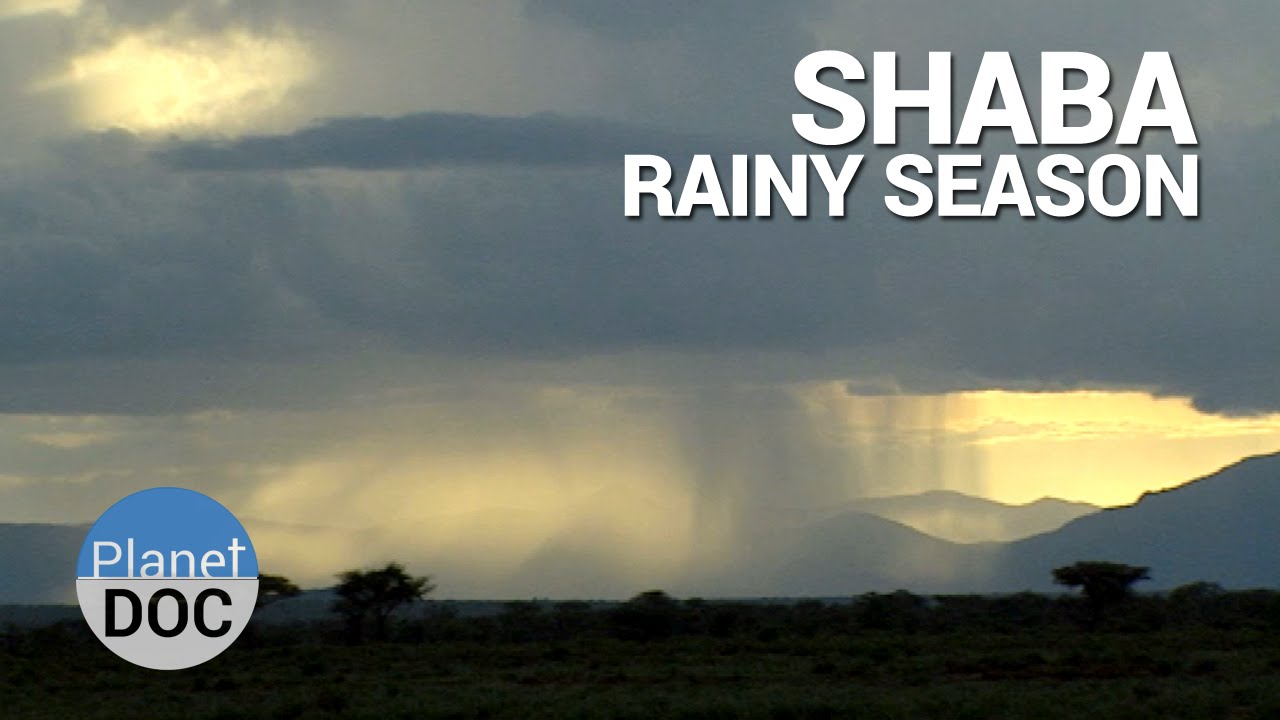
After three years of drought, the arrival of rain transforms the Shaba region, causing the Ewaso Ngiro river to flow vigorously once again.
Elephants in Shaba require between 80 and 160 liters of water daily, drawing large herds to the banks of the Ewaso Ngiro river.
100 million sharks are killed worldwide each year, prompting Palau to declare itself the first national shark sanctuary in March 2010.
In the South Pacific, a scientist from the Under the Pole team experiences a shark attack while exploring deep sea corals, highlighting the risks of marine research.
A woman survives a shark attack, losing her right buttock and severed tendons in her fingers.
Sawa and his sons fish for shark fins, a prized delicacy in Chinese cuisine, in the Sunda Strait.
A family travels from Southeast Florida to Montauk, New York, to participate in a shark tagging program led by marine biologist Dr. Craig O'Connell.
A Sherpa explains that climbers pay $6,500 each for a trip to the north col of Mount Everest, while an expedition to the summit costs $35,000.
Shipwrecks in the Mediterranean, particularly around Marseille, are being transformed into artificial reefs that support marine biodiversity and inspire conservation efforts.