From over 100,000 films, discover the handful you'll love.
Free or premium access to the world's largest documentary library.
Topics explored in films with this theme:
14119 films(Page 81 of 295)
Bertolt expresses strong discomfort upon seeing the Bionic Man's new face, describing it as a "Patchwork assembly of parts" that looks horrifying.
A 23-year study in Cirs Marshland reveals that many native plants struggle to adapt to rising CO2 levels, allowing invasive species to thrive.
Gloria Steinem reflects on her unconventional upbringing and the impact of her family's nomadic lifestyle on her views of societal expectations and personal dreams.
A miner in Serra Pelada processes crushed red rock over a mercury-coated copper plate, yielding only $32 worth of gold from his efforts.
The golden eagle hunts on mountain slopes, targeting prey like rabbits and deer.
The Goliath tigerfish is a terrifying predator, likened to a shark crossed with a piranha.
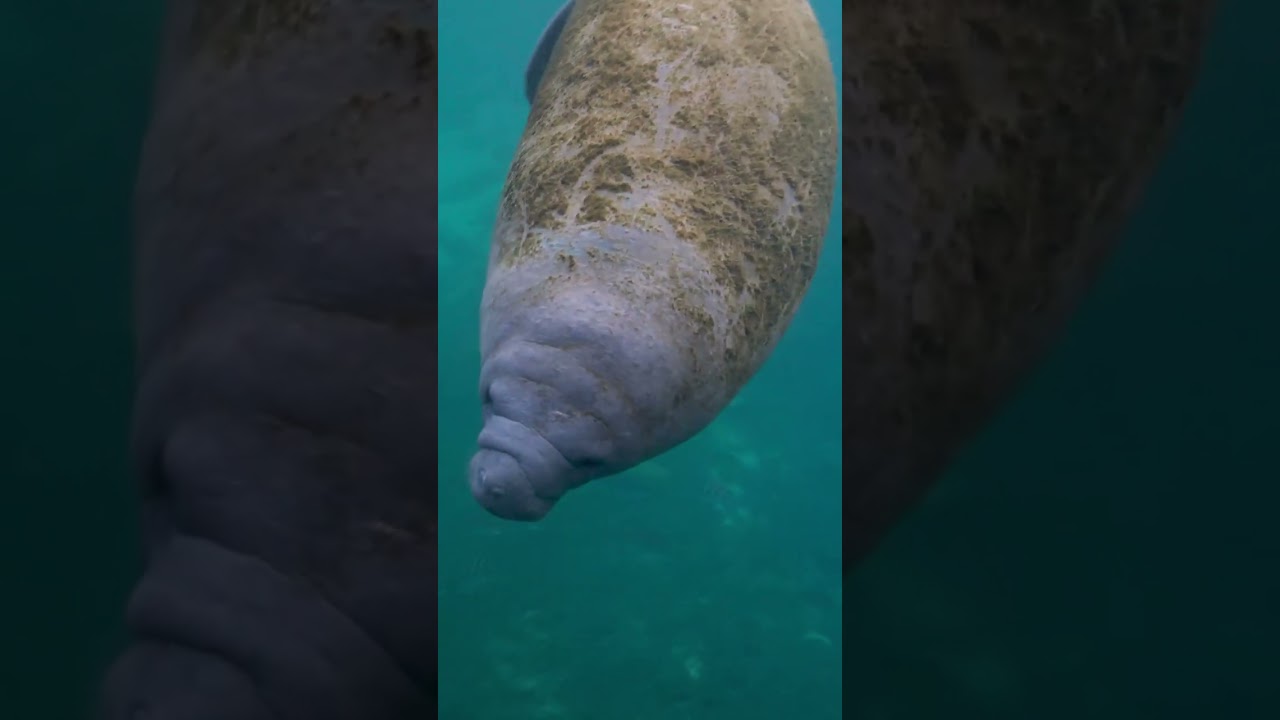
Manatees are shown in their natural habitat, interacting with humans and seeking fresh water, while grazing on seagrass in a serene marine environment.
The goshawk, or Ghost Hawk, hunts prey in lush forests with exceptional precision.
Modern life relies on huge amounts of energy, primarily from fossil fuels, impacting climate change.
NASA's Operation IceBridge has flown over Greenland more than 100 times since 2009, collecting data to create a 3D map of the ice sheet's age.
The Griffon vulture uses thermals to fly efficiently, showcasing its impressive adaptation.
Griffon vultures gather to feed on carcasses, creating impressive displays and disputes.
A manatee can live for over 50 years and is often injured by motorboats, contributing to its status as an endangered species.
A 2,000-pound Great White Shark named Bruce is closely observed by scientists who aim to challenge misconceptions about shark behavior and intelligence.
Dr Jay Sanguinetti and Shinzen Young use ultrasound to enhance meditation at the University of Arizona.
Cheyenne Bottoms is the largest inland marsh and a key stop for migrating shorebirds.
A hammerhead shark locates a hiding stingray, prompting a frantic escape attempt.
Hammerhead sharks can hear injured fish from over a mile away using low-frequency sounds.
Ramen, a dish that originated from Chinese noodles, becomes a Japanese culinary staple post-World War II.
Eva zu Beck travels to Tanzania to meet the Hadza, one of the last hunter-gatherer tribes, highlighting their unique lifestyle and survival skills.
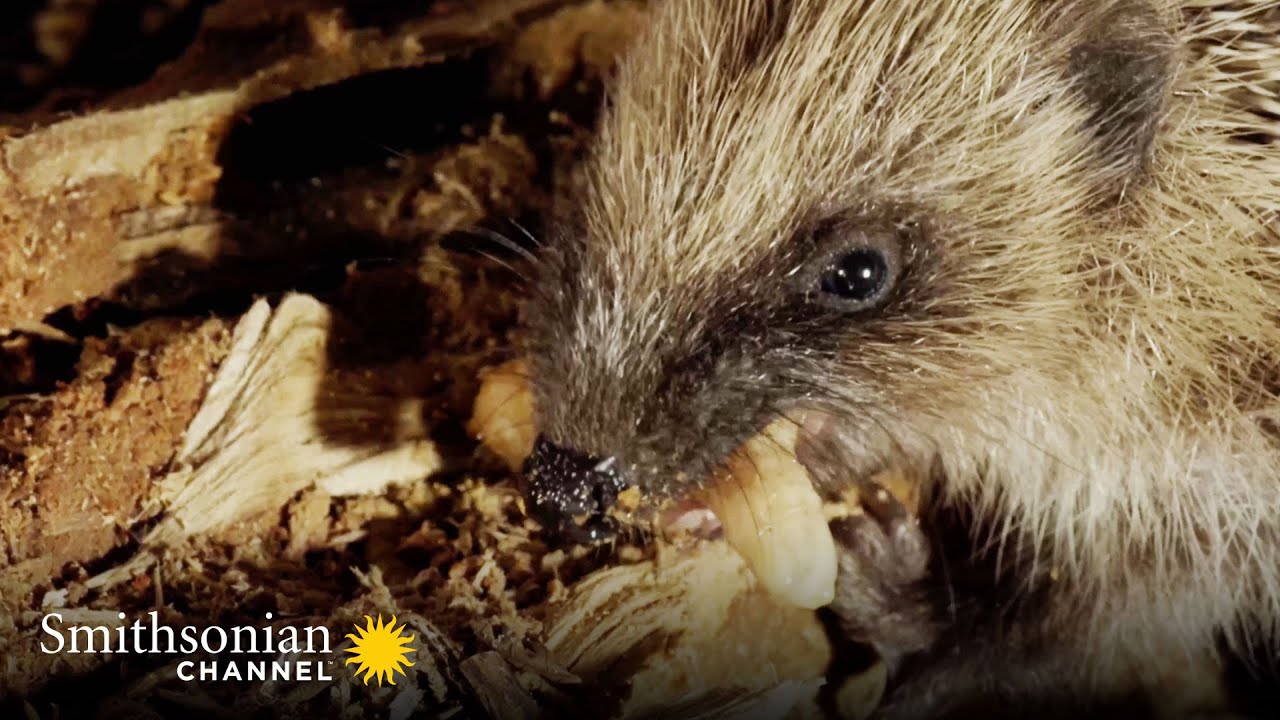
A hedgehog in New Zealand travels nightly for food to prepare for winter hibernation.
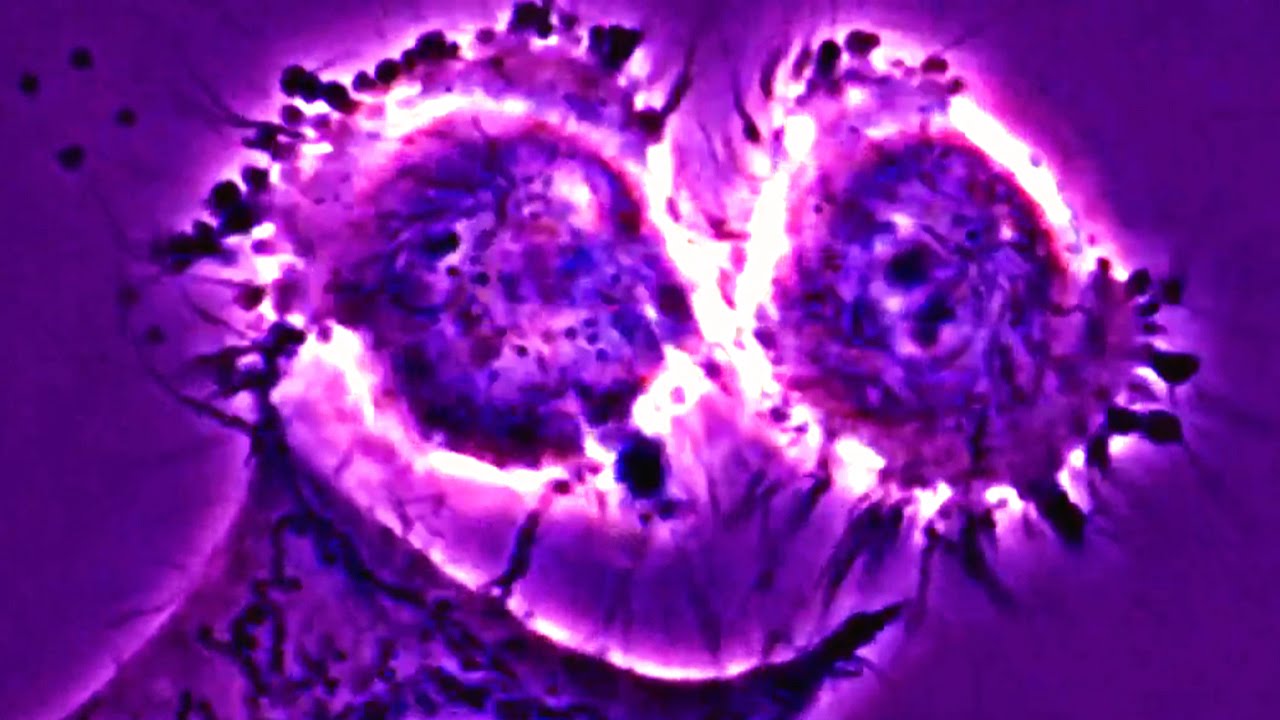
The clip shows a HeLa cell dividing using phase contrast microscopy techniques.
World-class scientists and filmmakers from National Geographic explore how science can enhance quality of life and promote sustainable living for the future.
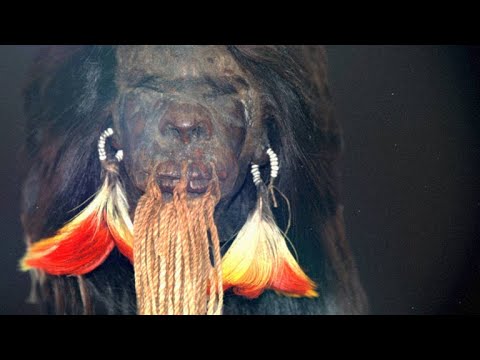
A scientist learns the secrets of head shrinking from a Shuar elder in Ecuador.
Male Hercules beetles engage in a fierce battle for feeding rights, demonstrating their remarkable strength and competitive behavior in nature.
The Komodo dragon is the largest lizard, known for its powerful claws and deadly bite.
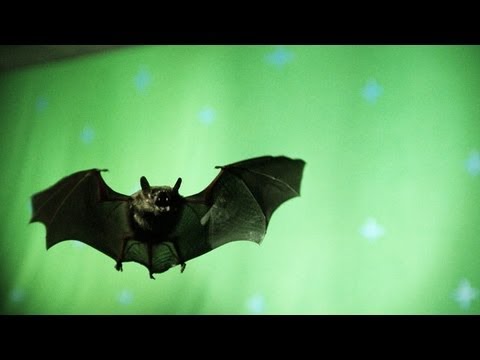
High-speed cameras capture a bat's flight in super slow motion, revealing its unique anatomy and impressive agility as part of the series 'Killer in the Caves.
Hippos are dangerous, often killing more people than sharks each year.
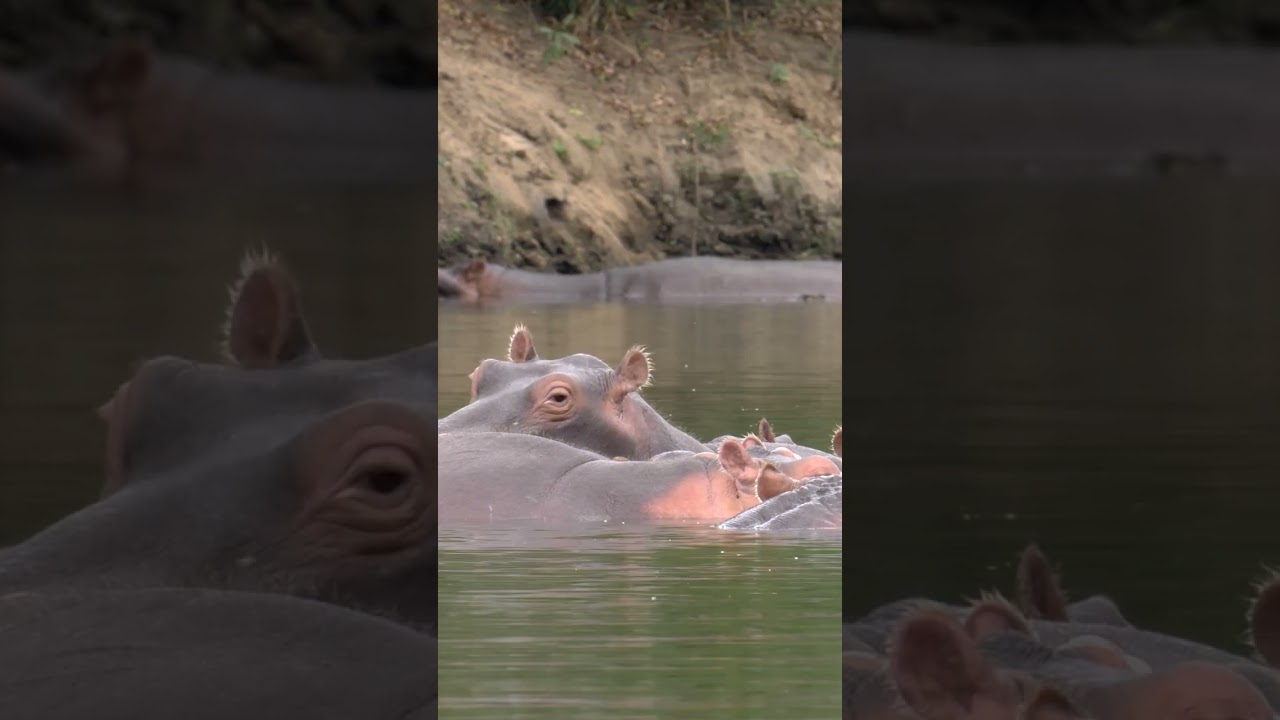
A 15-foot male hippopotamus in Zambia climbs a steep cliff to access water, showcasing the species' agility and adaptability in its natural habitat.
The Holiday Train Show in New York features amazing architecture made from natural materials.
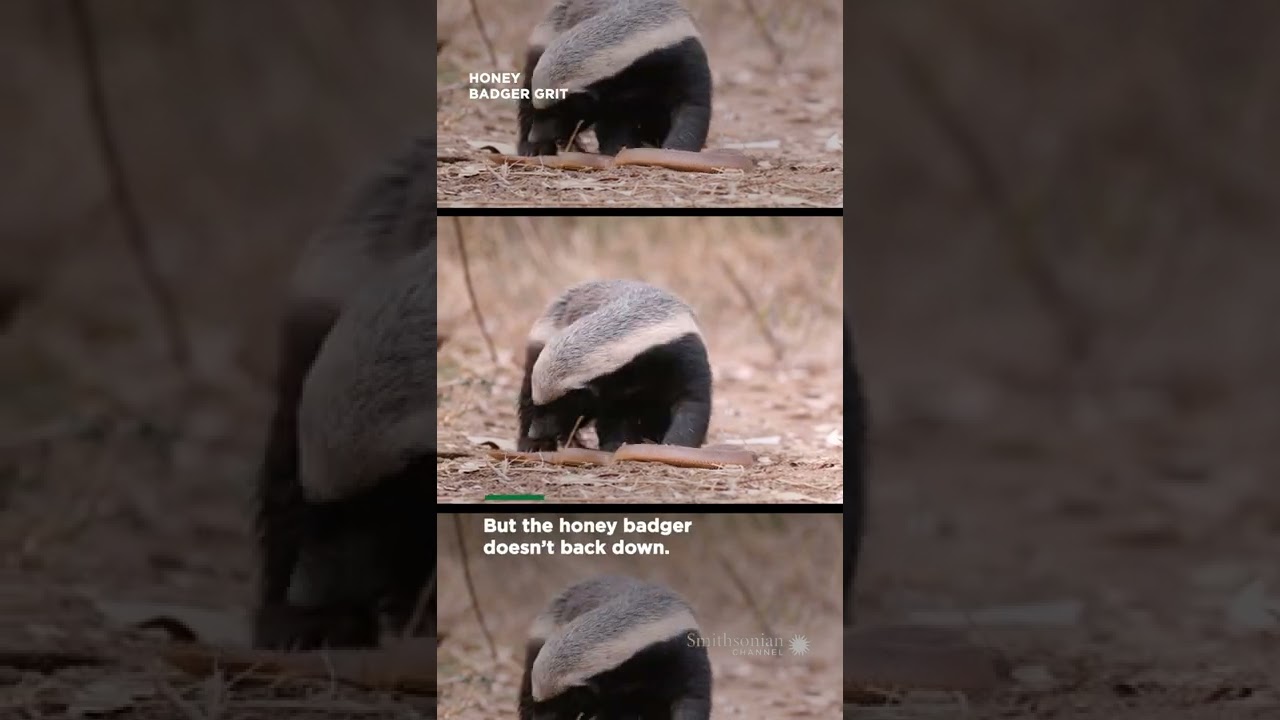
Both predators inflict deadly pain in a fierce battle between a honey badger and a mole snake.
Black holes pose extreme dangers due to their intense gravitational forces, leading to two popular theories on how they would kill an unsuspecting victim.
Jaime Lerner revolutionizes urban planning in Curitiba by prioritizing people over cars.
In 1978, a rock shop owner discovered tiny bones in Montana that led to the identification of a new dinosaur species named Myasaura.
A vast slow-moving river of grass, 60 miles wide and 100 miles long, meanders through South Florida, forming the Everglades' diverse ecosystems.
The Very Large Telescope (VLT) utilizes active optics technology to maintain mirror shape and provide astronomers with sharp images of distant celestial objects.
The Salton Sea, once a thriving resort, is now a toxic ghost town plagued by pollution.
A single asteroid is known to have caused the extinction of the dinosaurs and triggered mass extinction.
Lego evolves from 10 employees to a billion-dollar brand through innovative play strategies.
Africa's population is set to grow, with figures like Ida, Emma, and Geshe leading the way.
Specialists in Alabama use fire to clear hundreds of acres for replanting in a controlled burn.
Many dream of home ownership, but policies promoting it may harm the economy significantly.
The Nimitz-class aircraft carrier's angled-flight deck revolutionizes flight operations.
Caretakers at the Smithsonian's National Zoo explain the difference between seals and sea lions.
Artificial light has been around since fire, impacting civilizations like the Egyptians and Romans.
In 1895, Edward Ned McIlhenny raised eight young snowy egrets in a rookery on Avery Island, establishing Louisiana's first wildlife preserve.
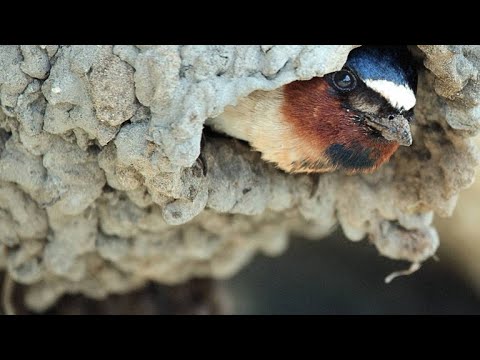
In Yellowstone National Park, bison contribute to the ecosystem by providing mud pellets essential for cliff swallows to build their nests.
30 percent of Napa County was consumed during the 2020 fire season, affecting businesses in California's wine-growing region.