From over 100,000 films, discover the handful you'll love.
Free or premium access to the world's largest documentary library.
Topics explored in films with this theme:
14119 films(Page 9 of 295)
A lone wolf in the highlands of Africa struggles to survive after losing her pack and faces threats from cattle breeders and rival wolves.
Humanity's exploration of the universe is examined through insights from scientists and rich narratives of achievements and challenges in space exploration.
2400 kilometers of coastline along the North and Baltic Seas host diverse wildlife, including thriving harbor seals and thousands of migrating birds each year.
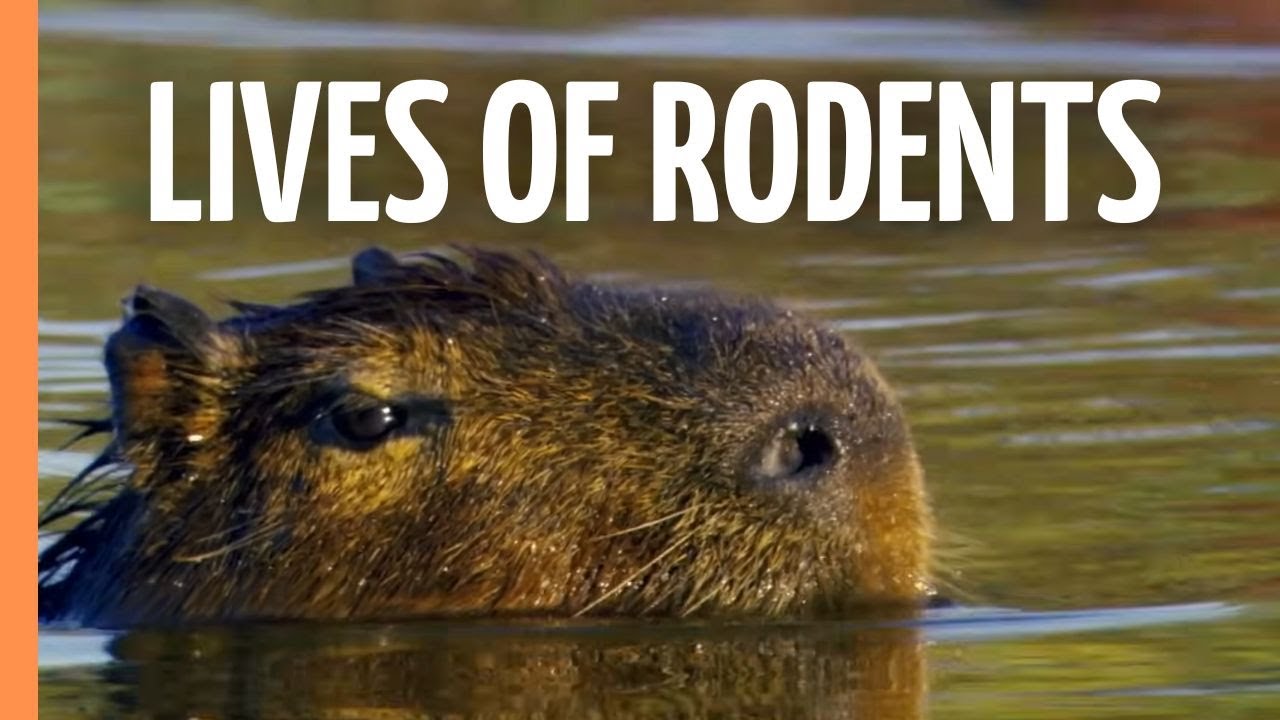
Rodents shape the world around them, surviving extremes and enriching ecosystems.
A team of scientists carries 4,100 kilos of equipment to the Matarombeo Massif in Sulawesi, aiming to document its unique biodiversity for the first time.
90% of Haiti's 4,000 kilometers of roads are in very poor condition, complicating travel and transport across the country.
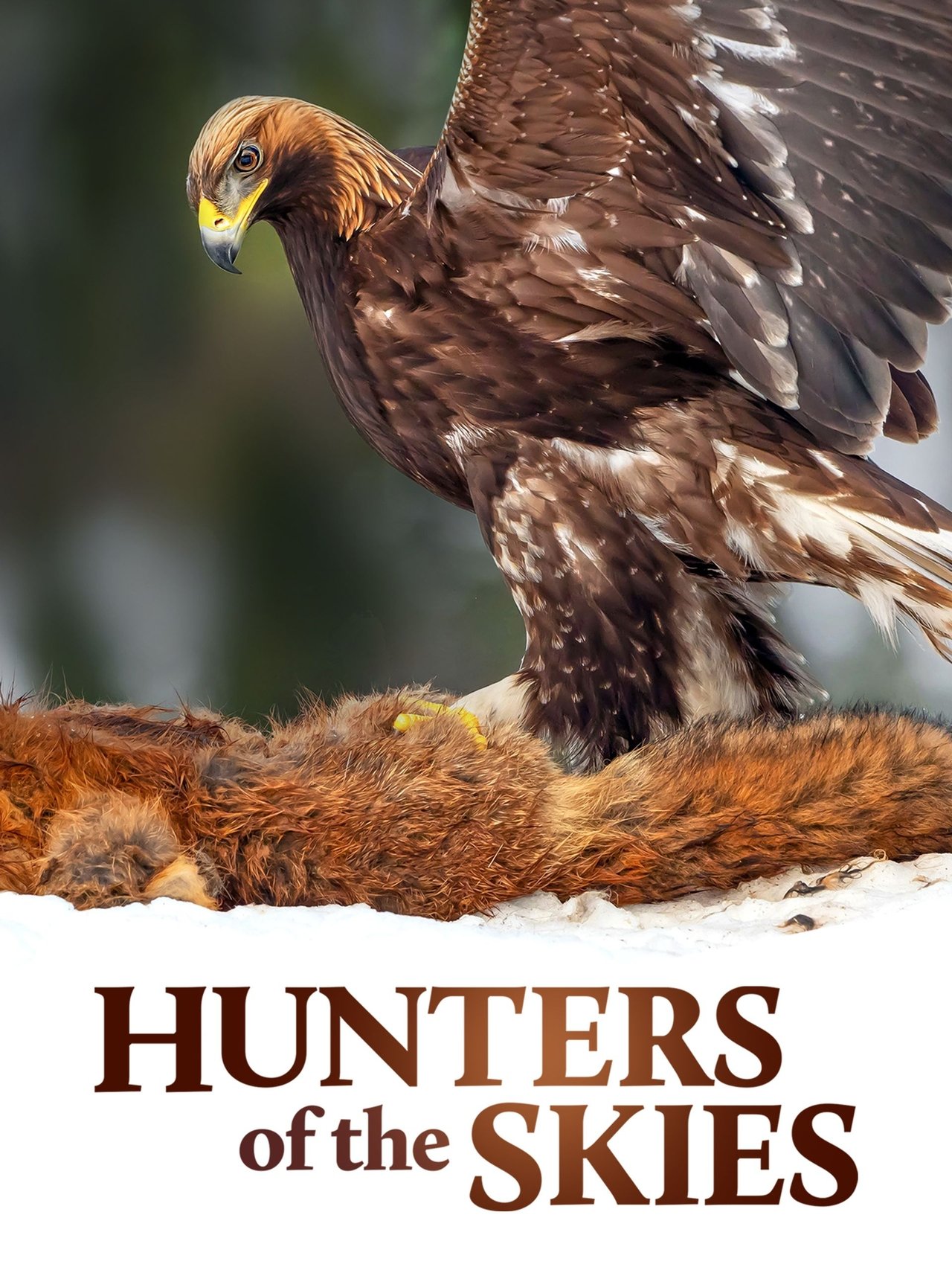
Hawks, buzzards, and eagles adapt to habitats ranging from the Sahara Desert to the Amazon Rainforest, demonstrating diverse hunting techniques.
Tickets for first-class flights can cost as much as 10,000 pounds, offering meals and services that rival high-end restaurants.
88 islands make up the Bijagos archipelago, an isolated territory in Guinea-Bissau where traditional healing practices blend with modern medicine.
Villagers in Malawi struggle for water in the isolated Phirilongwe Mountains region.
Scientists examine how multitasking affects humans' brains and efficiency in daily life.
A male lynx patrols a territory that can cover several hundred square kilometers in the Bohemian Forest, where he hunts and raises his young.
The Punan tribe, numbering a few thousand, live in small groups across Borneo's vast forest and have developed unique hunting techniques for survival.
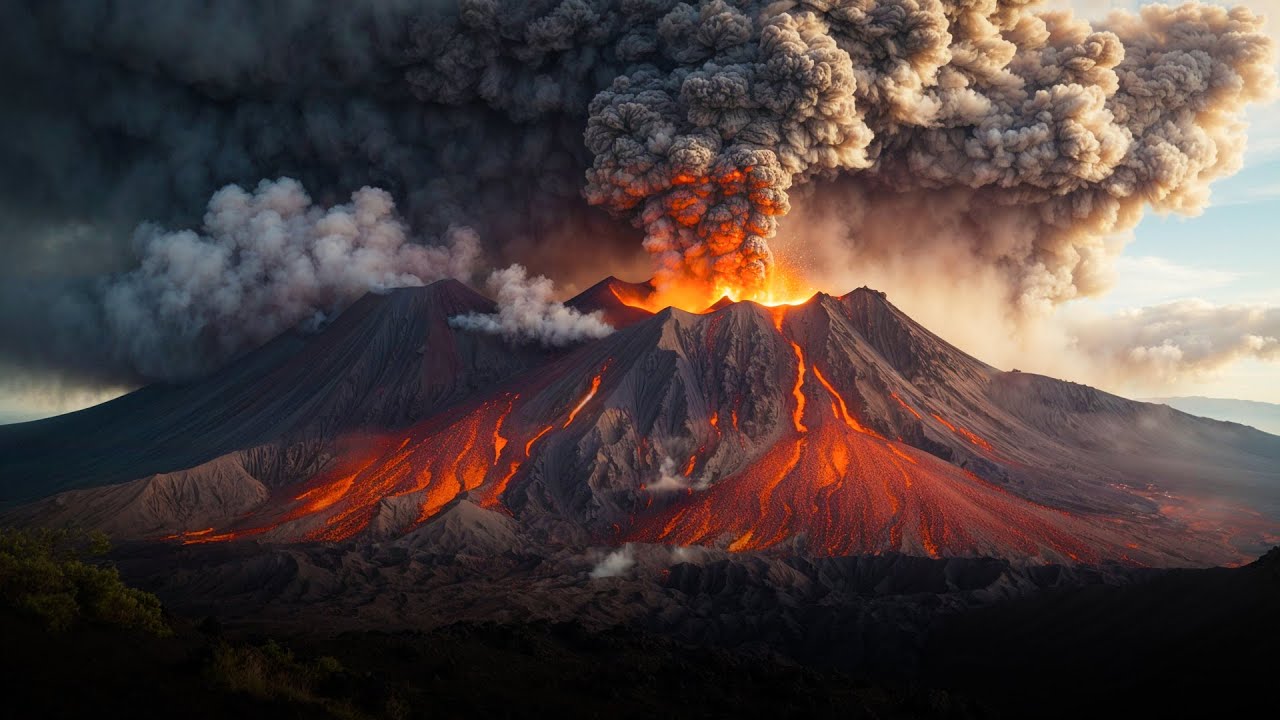
On 27th August 1883, the eruption of Krakatoa generated a tsunami that wiped out 165 Indonesian towns and villages, killing over 36,000 people.
A red lionfish can swim to depths of 40 meters, evading divers and contributing to its rapid spread across the Atlantic Ocean.
6,300 kilometers of highway connect the Atlantic coast to the Pacific, passing through the Amazon rainforest and the Andes Mountains.
Venus has a surface temperature of 900°F, making it inhospitable and drastically different from Earth despite their similar beginnings.
A gamma ray burst recorded by the Swift satellite in March 2011 lasted four and a half hours and originated from a galaxy 3.8 billion light years away.
2,500 people in Lamalera, Indonesia, depend on the traditional practice of harpooning sperm whales for survival amid dwindling catches and modern pressures.
Twenty-five million years ago, the great apes emerged, leading to the evolution of Homo Sapiens and the development of language, culture, and technology.
Temperatures in the Wakhan corridor often drop below minus 30 degrees, complicating the delivery of essential goods to isolated villages.
Pilgrims have traveled to Varanasi for more than 2,500 years to bathe in the Ganges, a river considered sacred in Hinduism.
An eight-year-old monk recalls being the reincarnation of a 68-year-old monk, leading him back to the Phukthal monastery in the Himalayas.
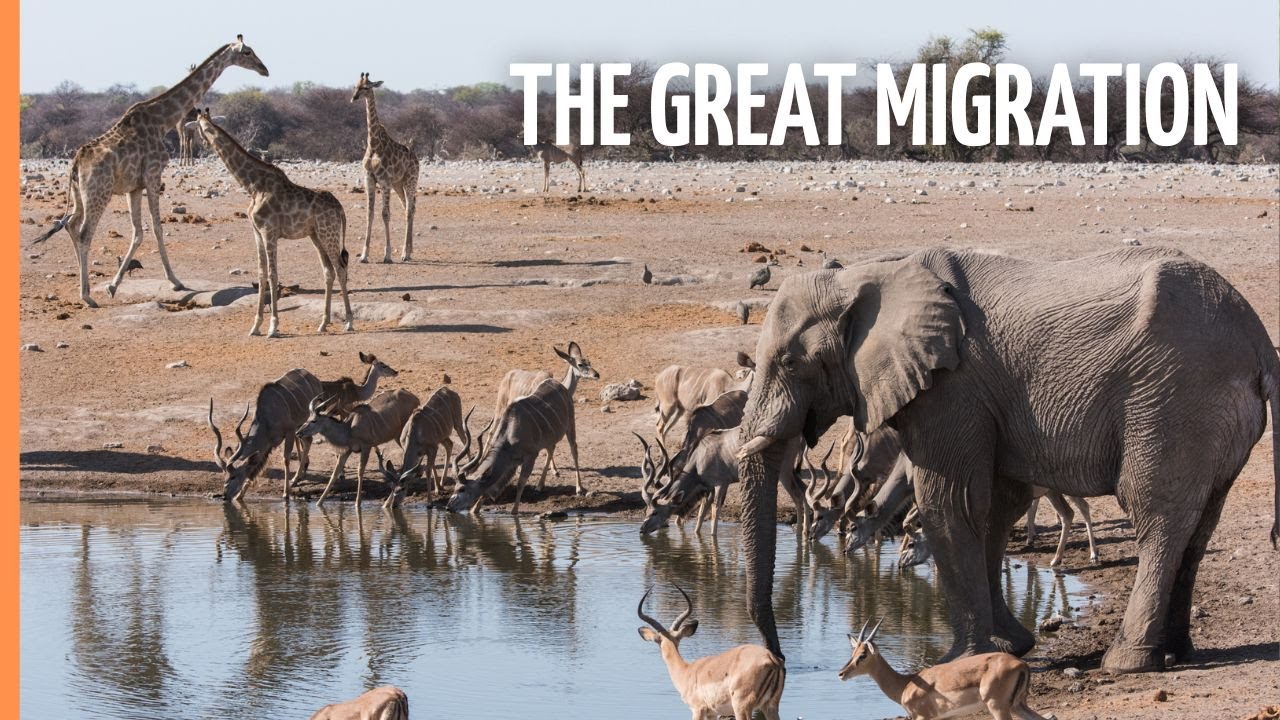
A herd of wildebeest stretches up to 40 kilometers in length as they migrate from Tanzania to Kenya in search of fertile grazing land.
Carl Zeiss opened his first workshop in Jena, Germany, on November 17, 1846, starting a company that now drives innovations in optics and microscopy.
A mole can build up to 20 meters of tunnel per day, creating a network of underground homes that often frustrate gardeners each spring.
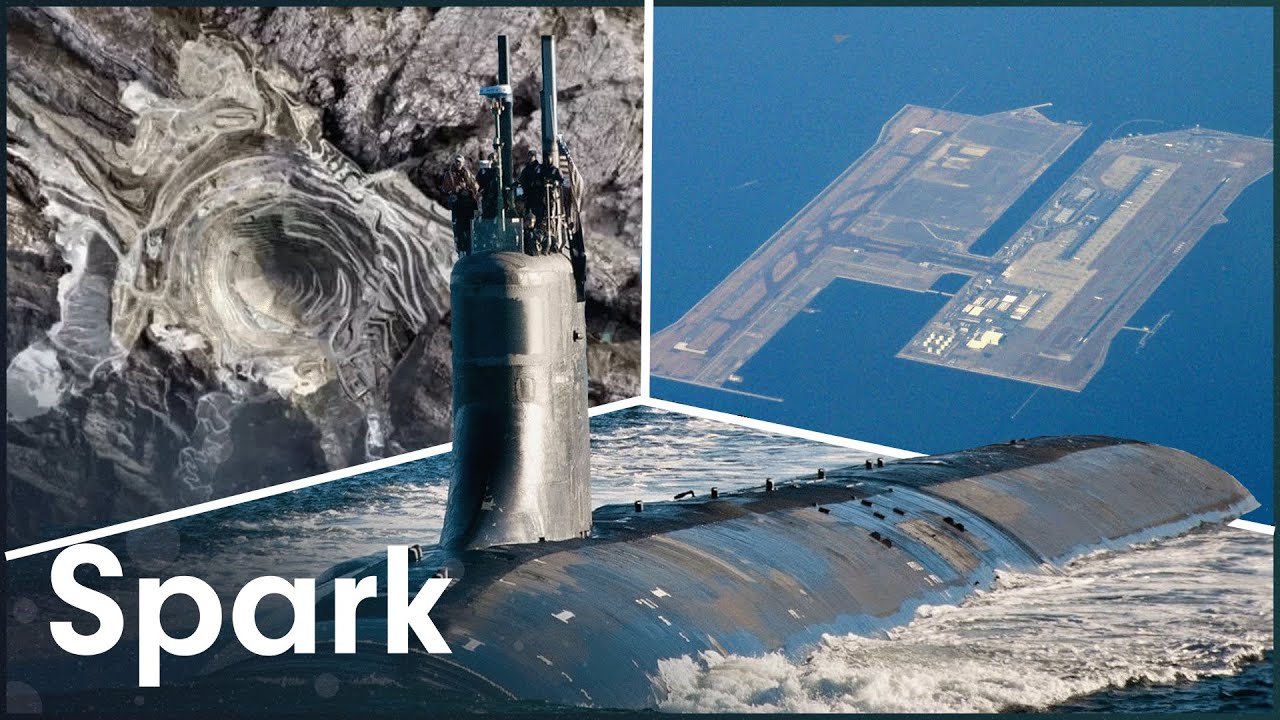
The Grasberg Mine, located at 14,000 feet in New Guinea, cost over three billion dollars and took 20 years to build.
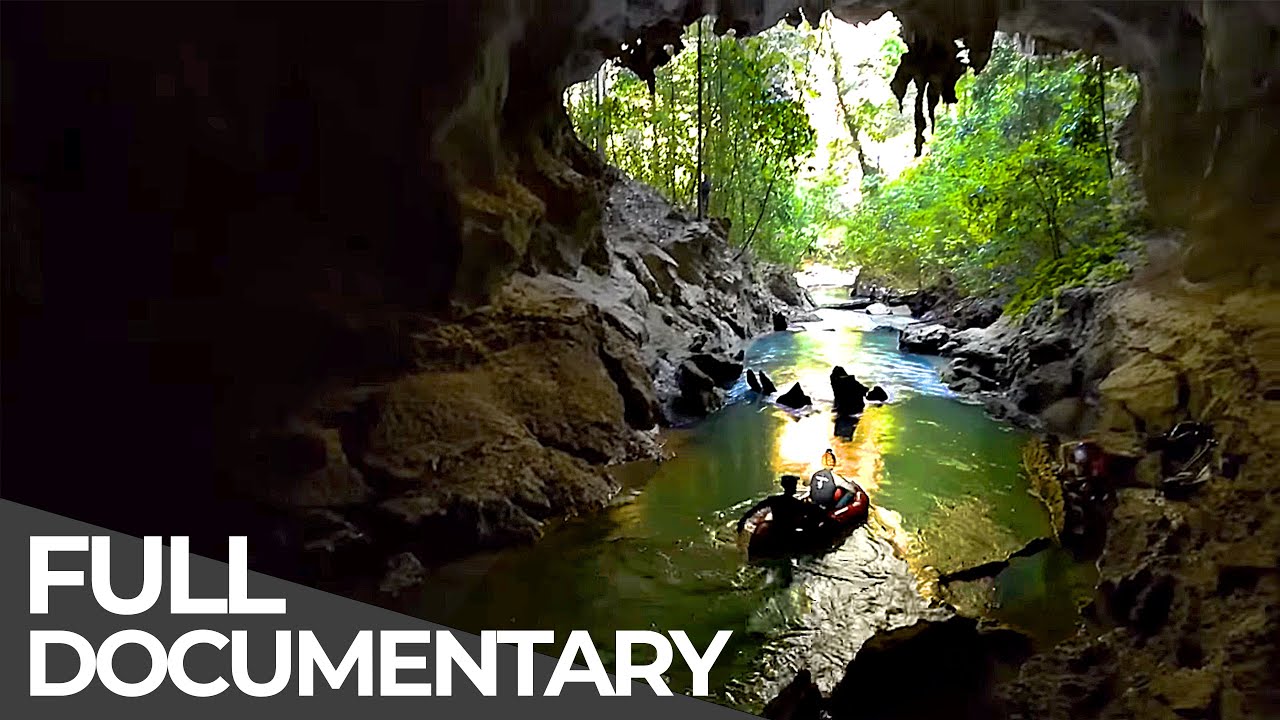
Half of Belize's territory is covered in jungle, and its shores are home to the world's second largest barrier reef.
300 kilometers per hour winds whip across the ice plains of South Georgia, posing a constant threat to wildlife filmmakers in the field.
Two megawatts of power, enough for around two thousand homes, fuel the Paranal Observatory in Chile, a key site for studying dark energy.
This touching documentary about Norway showcases its fjords, glaciers, and unique culture.
China is building air strips on disputed islands in the South China Sea, raising concerns about potential military conflict with the United States.
NASA's Juno mission explores Jupiter's extreme environment, revealing its massive ocean of liquid metallic hydrogen and the technology that enables this research.
Robber crabs on Christmas Island showcase thievery and complex lives in their habitat.
80% of people who start a vegan diet stop within three months, raising questions about the effectiveness and health implications of plant-based eating.
More than half of all life on Earth was extinguished during the mass extinction event that eliminated the dinosaurs 65 million years ago.
Tesla's Model S costs more than 70,000 euros, while the electric vehicle market faces increasing competition from traditional car manufacturers.
For more than 1,500 years, Christians viewed the Bible as the primary source of knowledge until the Scientific Revolution began to challenge this belief.
Edik learns the life of a reindeer breeder in Siberia's tundra during his spring vacation.
Stefan Scharfe has planted 14 tiny forests in urban areas, demonstrating a method that can restore ecosystems and combat climate change.
Mount Kailash in Tibet is sacred to Hinduists and Buddhists, yet remains unclimbed.
Two chefs sample a variety of Corsican cheeses while exploring Marseille, France's oldest city, known for its rich culinary traditions.
Anthony Bourdain highlights life and traditions on the Greek islands in this episode.
Ancient Egyptian cities, the Black Sea's shipwrecks, Loch Ness, and a Pacific pirate ship are explored in this MEGA EPISODE.
Underwater lost treasures are creating a new gold rush in the oceans' sunken Eldorado.
A duck hunter discovers human skeletal remains on Gilbert Island, leading to a decade-long investigation to identify the victim known only as Jane Doe.
The Uro people of Lake Titicaca face dangers in their quest for education and survival.
A drone will scatter a biological pesticide over fields in northern Germany to combat the corn borer, a pest threatening up to 30% of the harvest.