From over 100,000 films, discover the handful you'll love.
Free or premium access to the world's largest documentary library.
Topics explored in films with this theme:
14119 films(Page 25 of 295)
Eve and her sister Bonobos raise their young in an egalitarian community, passing babies from mother to mother without jealousy or stress.
Vultures return to Europe after near extinction, facing ongoing threats in Germany, Spain, and France.
A dagger found in the tomb of Tutankhamun was forged from a meteorite, revealing advanced ancient Egyptian metalworking techniques.
A colony of paper wasps builds its nest in a greenhouse, helping to cool the air as temperatures rise during the summer months.
Liz Bonnin travels over 7,000 miles to the Galápagos Islands, where she encounters unique wildlife and emphasizes the need for conservation efforts.
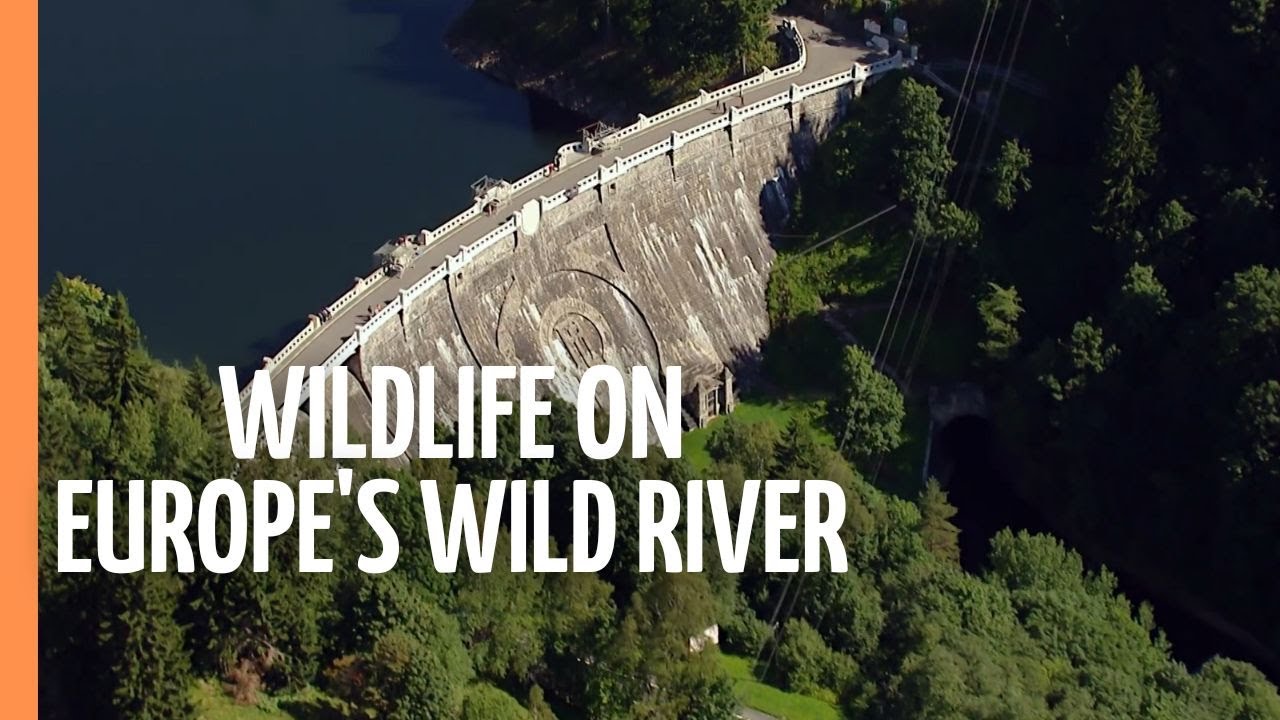
In Central Europe, only one in a thousand vital creek ecosystems remains intact, highlighting the urgent need for conservation efforts to protect these habitats.
Wildfires rage in Southern California every year, fueled by the hot, dry Santa Ana winds that sweep down from the desert.
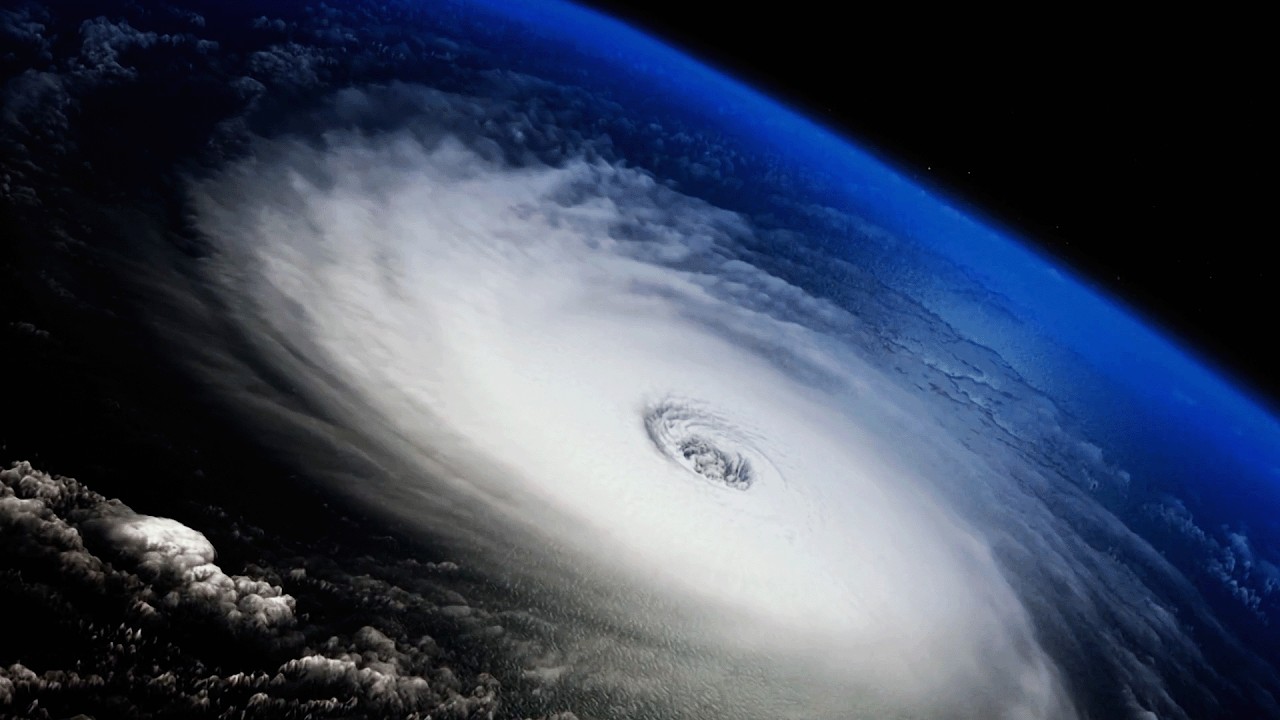
Hurricane Gustav caused 13 billion dollars in damage and left two million people without power for weeks across the southern United States.
NASA's food scientists develop ingredients and recipes for astronauts to consume in microgravity, aiming to enhance food security on Earth.
A young Weddell seal gains two kilos per day from its mother's high-protein milk during the first six weeks of life in Antarctica's icy waters.
During research expeditions in Cameroon, Martin Cheek's team identifies over 200 previously unknown plant species in the Bakossi forests.
Earth's orbit has remained stable for 4.2 billion years, allowing life to flourish, while chaotic orbits elsewhere in the universe lead to destruction.
Golden lion tamarin numbers were once as low as 200 in the wild, but conservation efforts have increased their population to around 2,500.
More than 15,000 small businesses in New Orleans faced significant challenges in the aftermath of Hurricane Katrina's devastation in 2005.
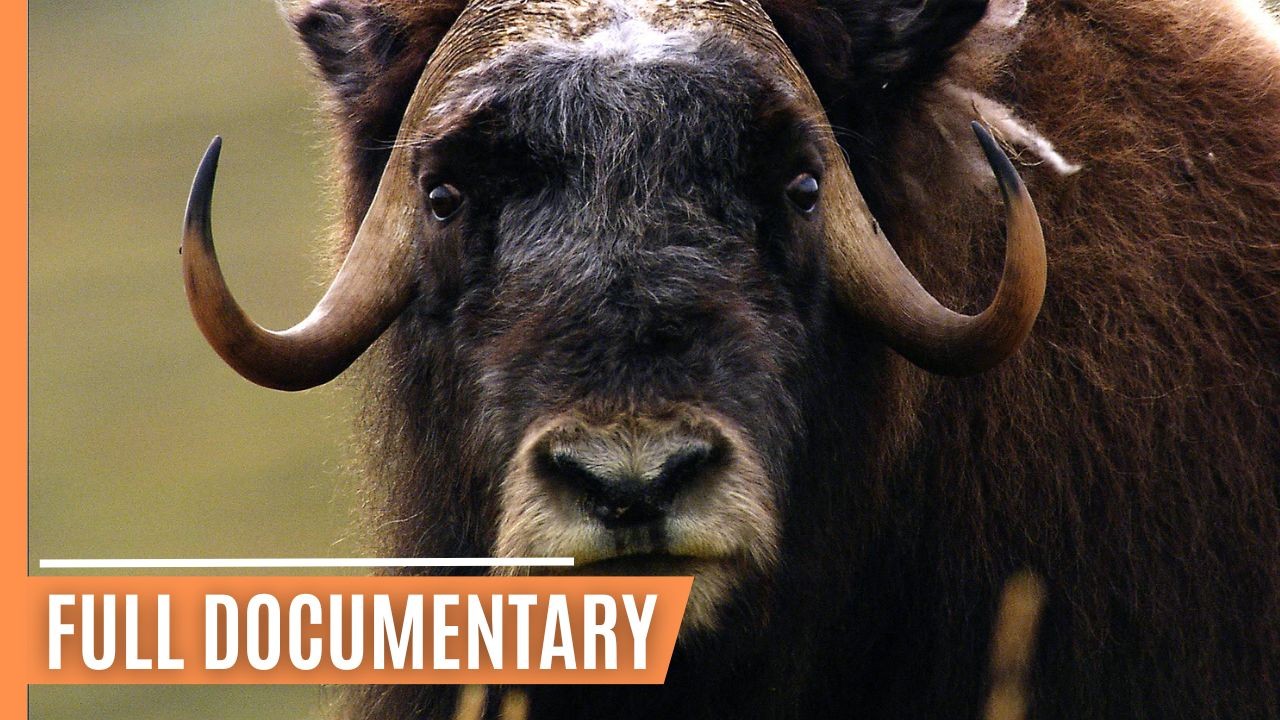
More than a quarter of Norway lies at over 1,000 metres above sea level, creating a unique habitat for wildlife like reindeer and musk oxen.
Jenny Leong, Julie Goodwin, and Caleb Bond explore the harsh realities of poverty in three Australian communities while living on welfare and low incomes.
In the jungles along the border of India and Nepal, the last Indian rhinoceroses roam, with their single horns believed to hold healing powers.
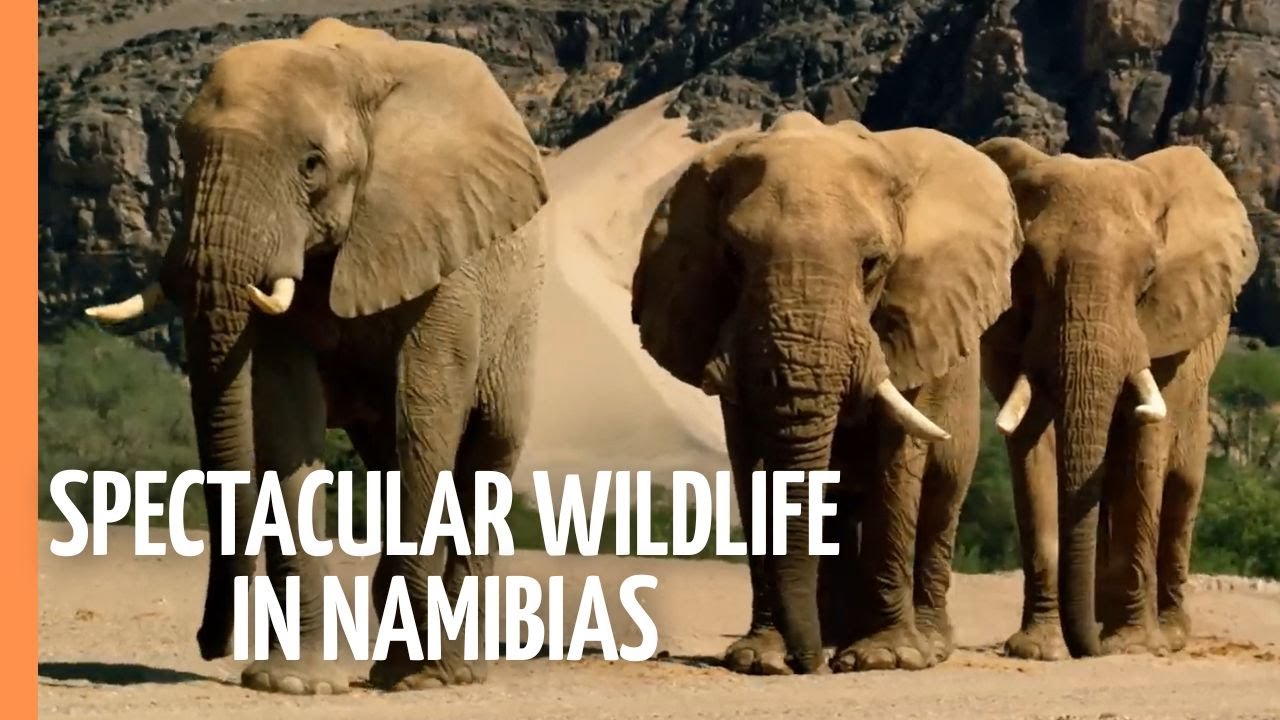
Desert elephants and baboons thrive in Namibia's arid landscape, revealing hidden life.
The ice around the North Pole has shrunk by seven percent over the past 30 years, threatening the survival of polar bears in their natural habitat.
A supernova can send a vast wall of gas racing toward the Pillars of Creation, compressing gas and dust into new stars and solar systems.
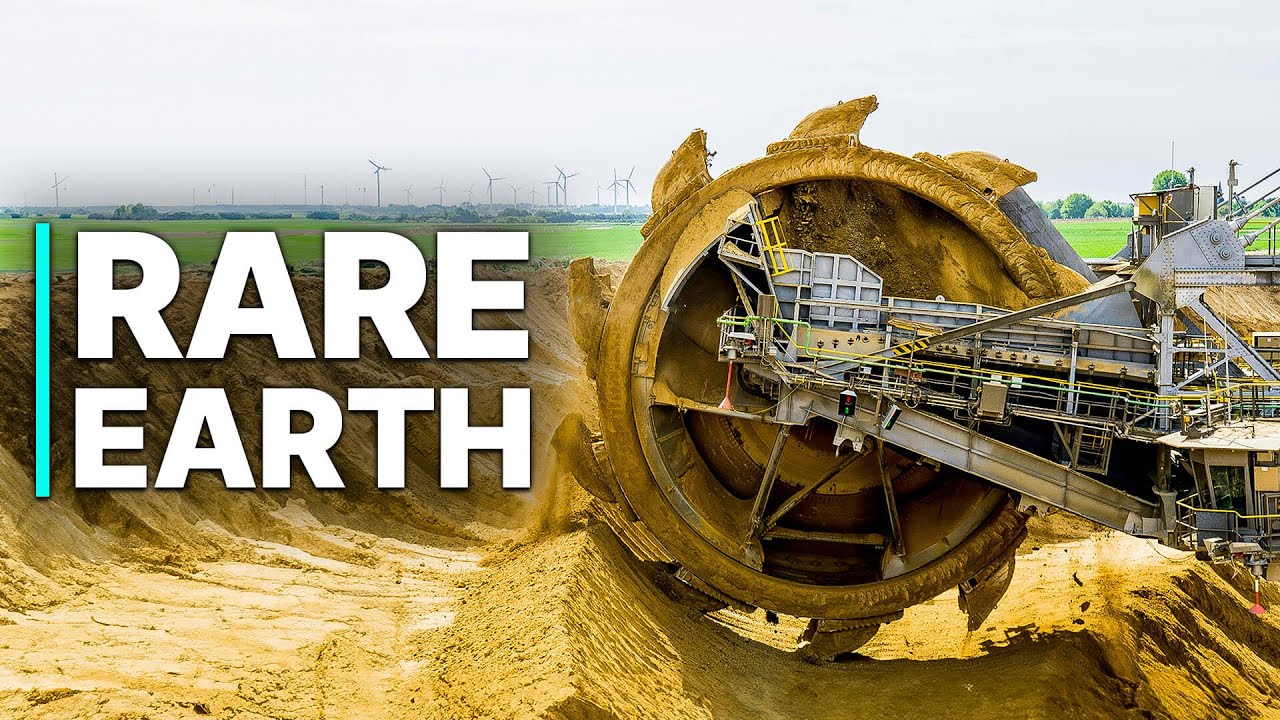
97% of the world's supply of rare earths is mined in China, where these elements are crucial for producing smartphones, electric vehicles, and wind turbines.
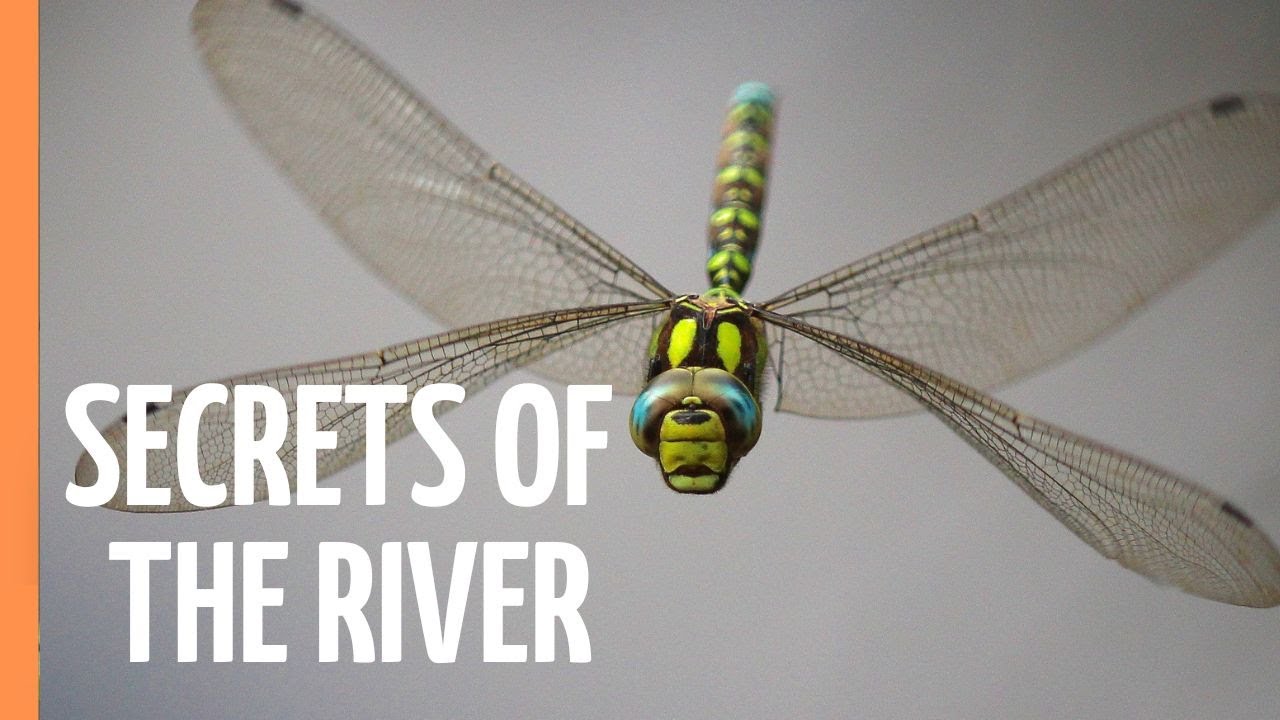
Kingfishers and dippers, the only songbirds that swim and hunt underwater, are showcased alongside the intricate life of river ecosystems in stunning slow-motion.
Half of Belize's territory is covered in jungle, and its shores host the world's second largest barrier reef, making it a key ecological area.
1,200 kilometers from Lisbon, the Azores experience fierce winter storms that reveal the raw power of the Atlantic Ocean.
Globalisation threatens the tribes of the Omo Valley and their traditional lifestyles.
Central Europe's diverse habitats are showcased through high-definition footage, highlighting the impact of climate and astronomy on nature's seasonal cycles.
This full documentary immerses us in the lives of The Huaorani tribe in Ecuador's Amazon jungle.
Mutton thrive in extreme environments, from deserts to tundra, showcasing their resilience.
Burning a ton of coal releases up to 4 tons of carbon dioxide into the atmosphere, a fact Shell Oil acknowledged in a 1991 documentary on climate change.
25% of the world's artwork is found in Florence, Italy, home to the Uffizi Gallery and a rich history of Renaissance artists.
A temperature drop to minus 40 degrees Celsius in winter poses challenges for nomadic life in Mongolia, as shown through Saruul Fischer's experiences.
Samucha lives in Tusheti, Georgia, migrating with 2,000 sheep each spring.
At 80 years old, biologist Bruce Means embarks on an expedition to the Weiassipu tepui in Guyana to document rare frog species and study its unique ecosystem.
Dow Chemical, with an annual turnover of $48 billion, conducted secret tests on prisoners in the late 1960s, exposing them to dangerous chemicals.
Lotje Sodderland's experience with a severe stroke leads her to explore innovative brain science and recovery methods alongside leading researchers.
More than 60,000 Canadians died in World War I, and in July 1936, the largest peacetime armada in Canadian history sailed to honor their sacrifices.
Hurricane Sandy caused an economic loss of over $68 billion in the United States, illustrating the severe impact of these powerful storms.
Satellites revolutionize communication and influence society through jets and computer games.
90% of startups fail, yet six recent college graduates in Detroit pursue their entrepreneurial dreams amid the city's economic challenges.
Lionesses on Savannah Lane engage in repeated couplings every half hour to ensure successful reproduction and select the strongest males for mating.
Eighty thousand barnacle geese rest by the lower Elbe each year, making up one-fifth of their world population before migrating to the Arctic.
Montenegro features Black Mountains, Venetian architecture, and fjords like those in Norway.
Matt Kaeberlein tests 100,000 aging drugs each year using a robot designed to analyze the effects on microscopic worms.
A community of Bribri Indians, known for their connection to stones, believes these minerals were given to them by their God, Sibù, for communication and healing.
More than 700 exoplanets have been discovered beyond the solar system, many of which exhibit extreme conditions that challenge the possibility of life.
Over 300 chimpanzees live at Chimp Haven in Louisiana, a sanctuary for animals retired from biomedical research.
On the Iberian Peninsula, the endangered Iberian lynx faces survival challenges due to habitat fragmentation while conservation efforts aim to restore its environment.
Nine families in Pembrokeshire National Park live independently, sourcing fuel, water, and food from their eco-homes while practicing sustainable agriculture.