From over 100,000 films, discover the handful you'll love.
Free or premium access to the world's largest documentary library.
Topics explored in films with this theme:
14119 films(Page 92 of 295)
Watch how blockchain technology impacts sectors like health care and food supply.
The video highlights America's sanitation inequities affecting communities of color in 2022.
Chickens fertilize the garden all winter, allowing for immediate planting in spring without extra chores.
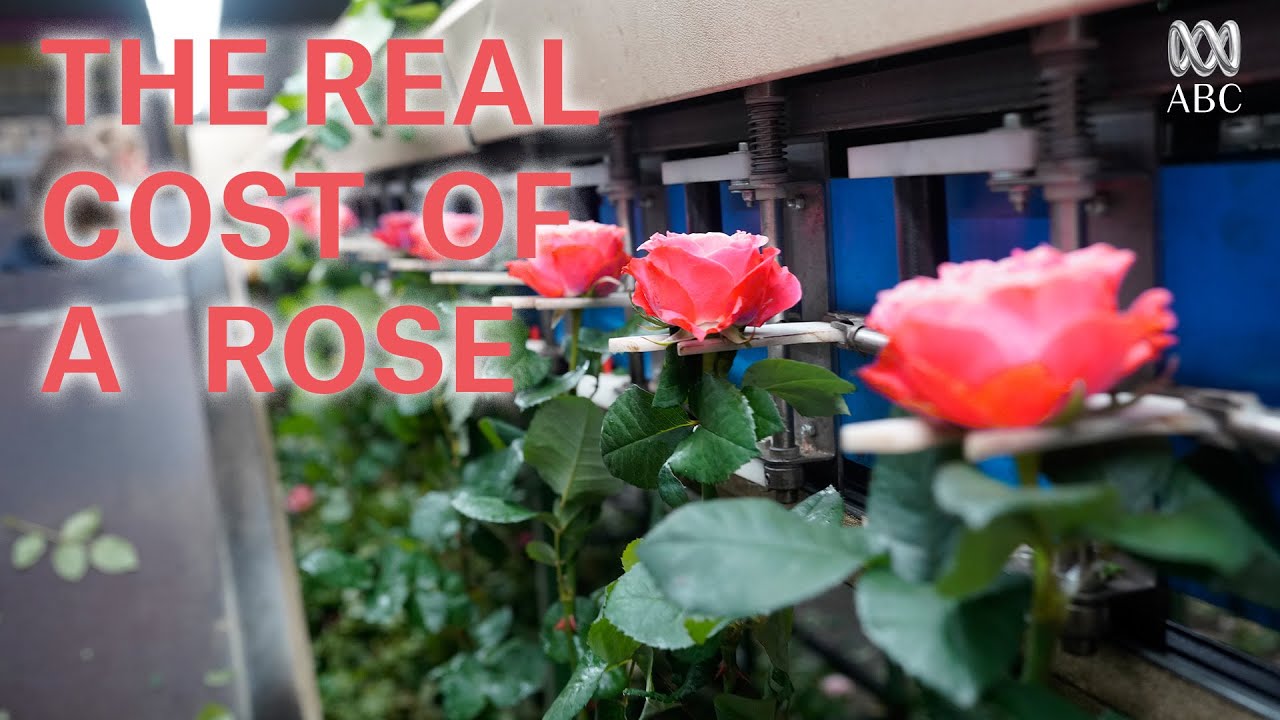
Kenya's flower industry has grown into a billion-dollar business, raising questions about the environmental and human costs behind the global floral trade.
New evidence links the 10th plague of Ancient Egypt to contaminated bread and a fungal infection.
Komodo dragons use stalking and venom to kill prey, showcasing their unique hunting skills.
The Pacific Northwest risks a major earthquake, threatening the Columbia River and local environments.
The Tsaatan tribe in Mongolia relies on reindeer herding for their nomadic lifestyle.
In June 2020, Donna Sarkar moved from Seattle to Barbados after discovering a one-year remote work visa that allowed her to continue her job at Microsoft.
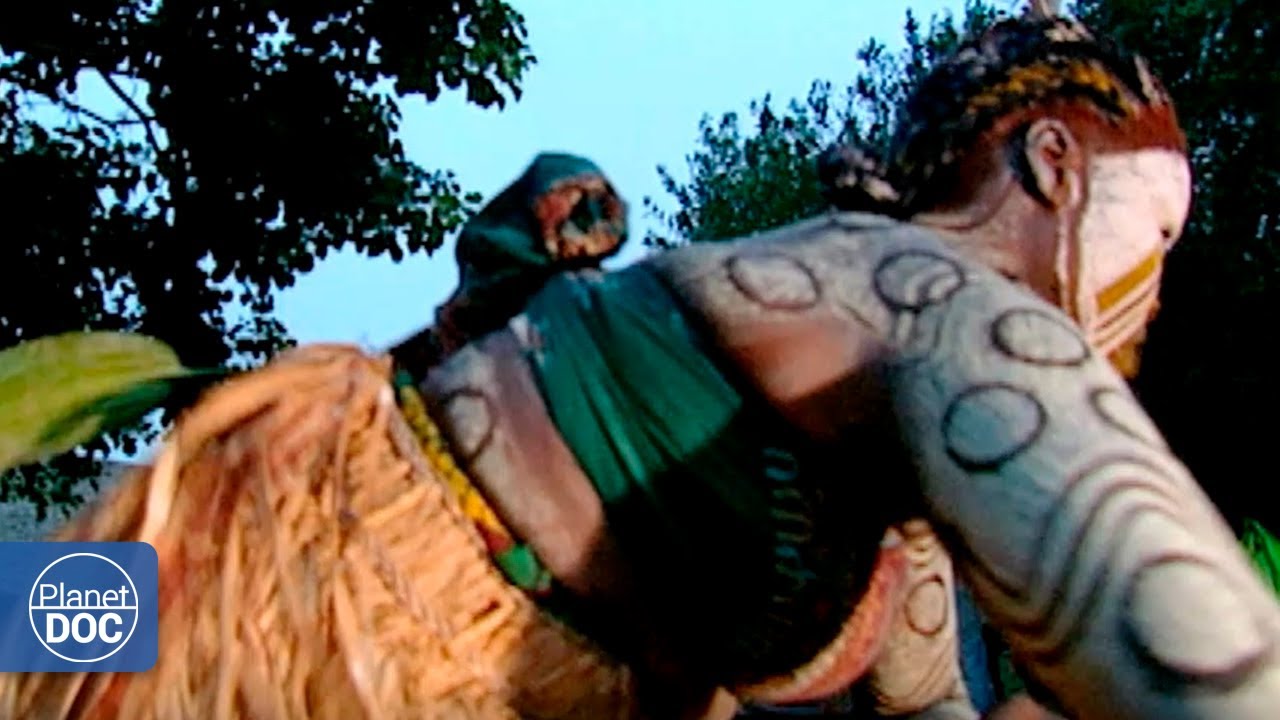
The Samburu people of Kenya live in a harsh climate, relying on milk and blood from their animals.
Myrtle Beach, South Carolina's most famous coastal town, showcases beautiful winter beach views and aerial shots of the Little River inlet and Cherry Grove.
200 million pounds was spent by Crown Prince Muhammad bin Salman on a French chateau, reflecting his wealth amid significant reforms in Saudi Arabia.
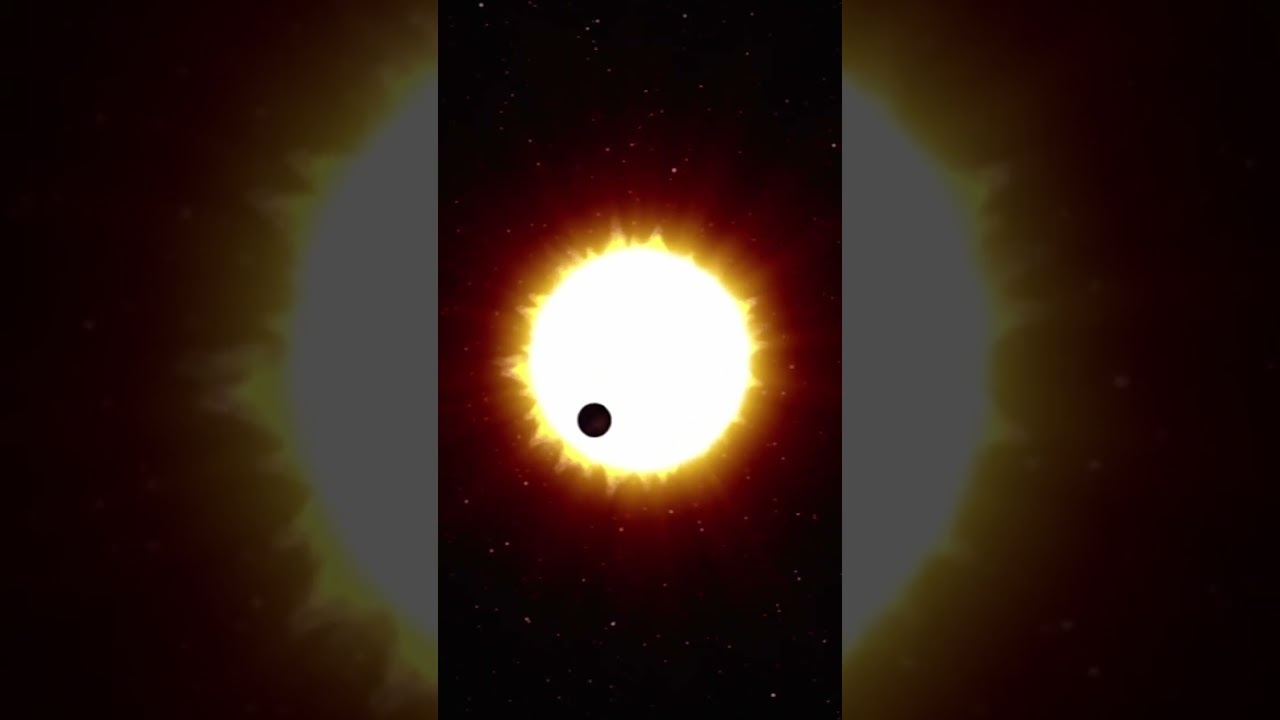
This coming episode of Cosmic Journeys questions if Earth is unique in the galaxy.
The video discusses Pluto's classification and its discovery in 1930, highlighting scientific contributions.
A thermal camera captures hippos grazing at night while avoiding lions in Zambia.
Robber crabs, known for their ability to steal household items and their impressive size of up to 3 feet across, are showcased in their natural habitat in this short documentary.
Egyptians believed in Gods like Horus, represented by Animal Mummies in Ancient Egypt.
NASA's images show the moon's crust stretching, revealing recent geological activity.
Earth's sixth mass extinction, driven by human activity, threatens biodiversity as up to 58,000 species vanish annually, prompting calls for innovative solutions like De-Extinction.
Over 20 banded mongooses gather to help warthogs by eating ticks and lice, creating a mutually beneficial relationship on the African savanna.
In a sanctuary run by the Jane Goodall Institute, rescued chimpanzees undergo 'The Snake Test' to assess their readiness for life in the wild.
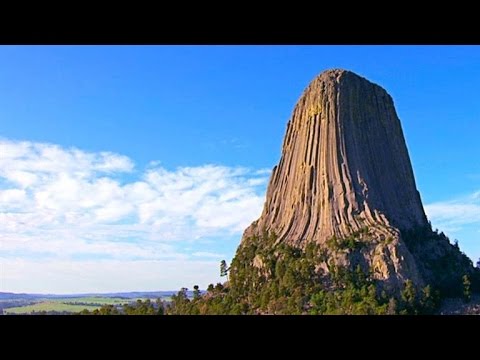
Devils Tower National Monument attracts 400,000 visitors each year, drawn in part by its connection to UFOs and its appearance in Close Encounters of the Third Kind.
Four weeks after entering her chrysalis phase, a female Cairns birdwing butterfly emerges and pumps fluid into her new wings to prepare for flight.
Victoria Falls offers extreme sports and stunning views on the Zambia-Zimbabwe border.
On an island off the east coast of Maryland, a stone spearpoint suggests that humans may have arrived in North America 5,000 years earlier than previously thought.
Giant Japanese salamanders showcase their unique features in this episode of Seriously Amazing Objects.
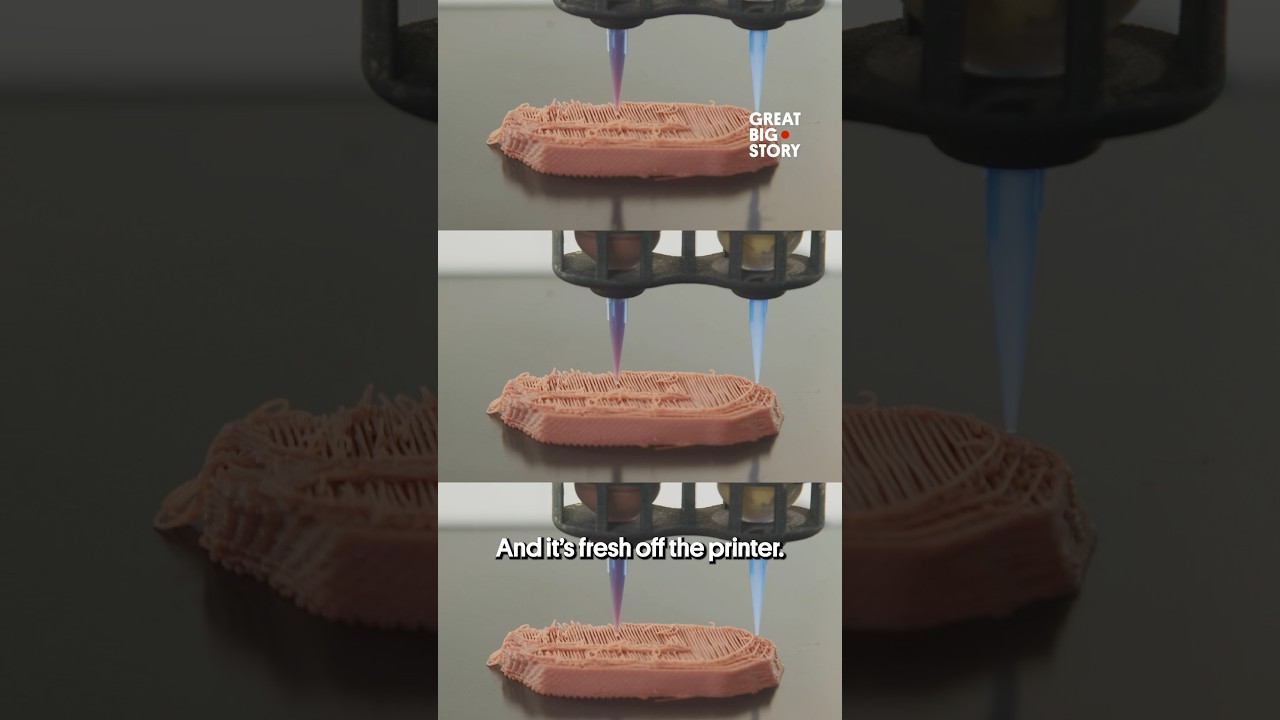
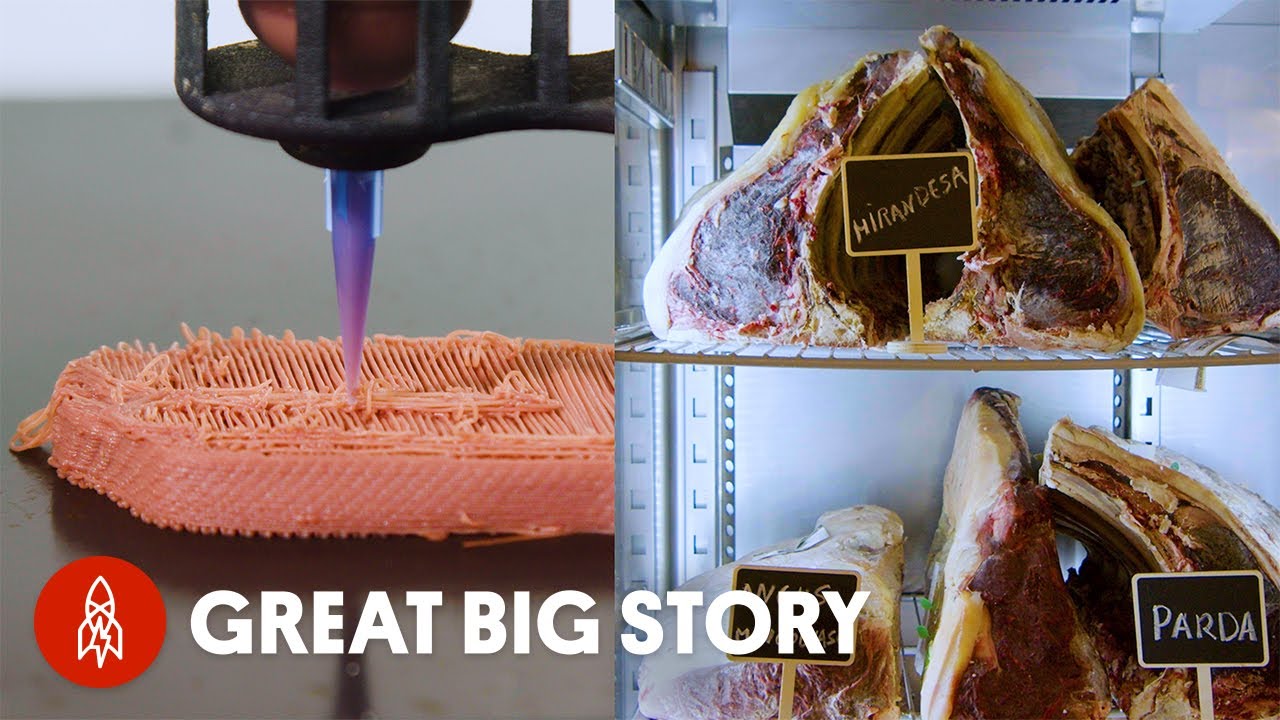
Josep Sanitjas and Giuseppe Scionti create 3D-printed meat at El Santuari near Barcelona.
Josep Sanitjas and Giuseppe Scionti create 3D printed vegan meat at El Santuari near Barcelona.
Female genital mutilation (FGM) persists in various cultures despite widespread awareness of its harmful effects and calls for legal action against the practice.
The Kodiak Bear, North America's Giant Bear, feeds on salmon and grasses throughout the year.
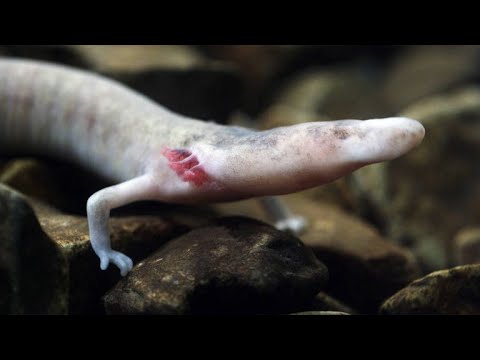
Olm salamanders can grow to almost a foot and a half long and can survive up to 10 years on a single meal in the dark caves beneath Predjama Castle.
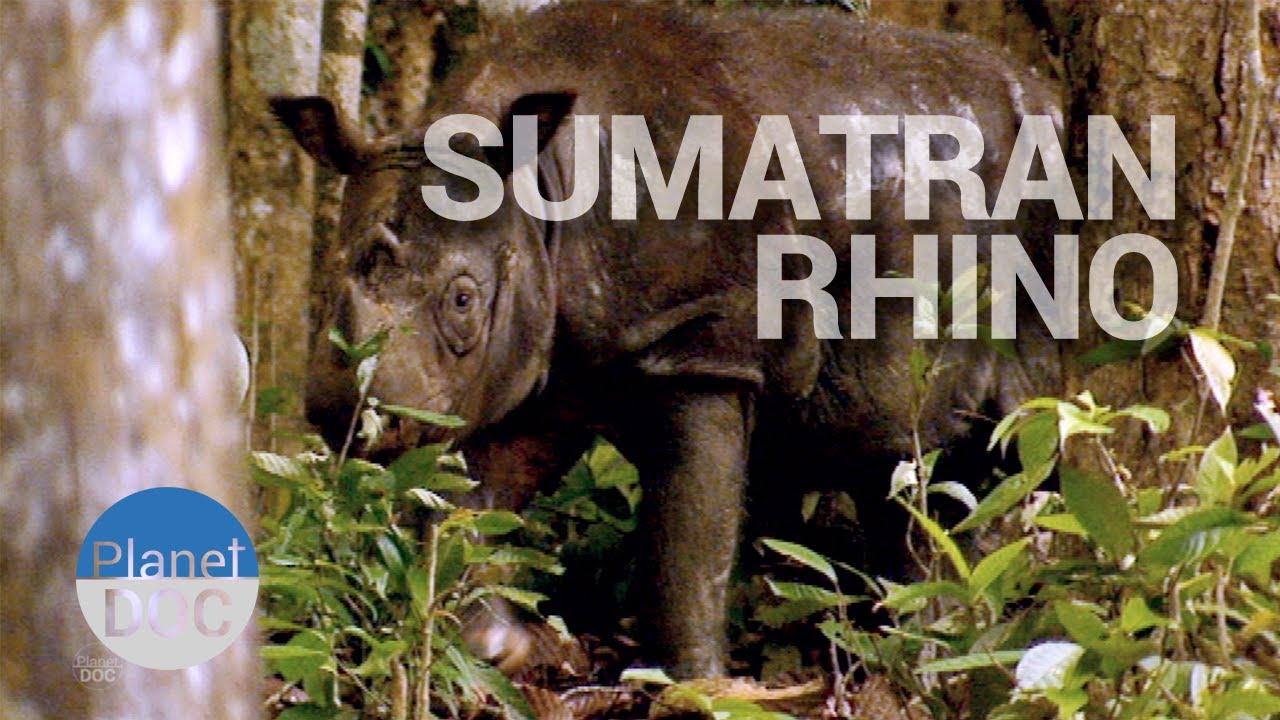
A Sumatran rhinoceros weighs about 1,700 pounds and requires four square miles of jungle space to survive, complicating its conservation.
Maria Banks studies Antarctic ice sheets and Hawaiian volcanoes to reveal Mars-like geology.
Birds grew feathers 150 million years ago for insulation, not flight, as shown by Attenborough.
The Abrams tank uses a smoke system to vanish from enemy view in seconds.
The tiger beetle can run up to 5.5 miles per hour, illustrating its adaptations for survival as shown in Macro Worlds: God's Darlings: Beetles.
Male peacocks display vibrant feathers to attract mates, while females remain a dusty brown to avoid drawing attention during incubation.
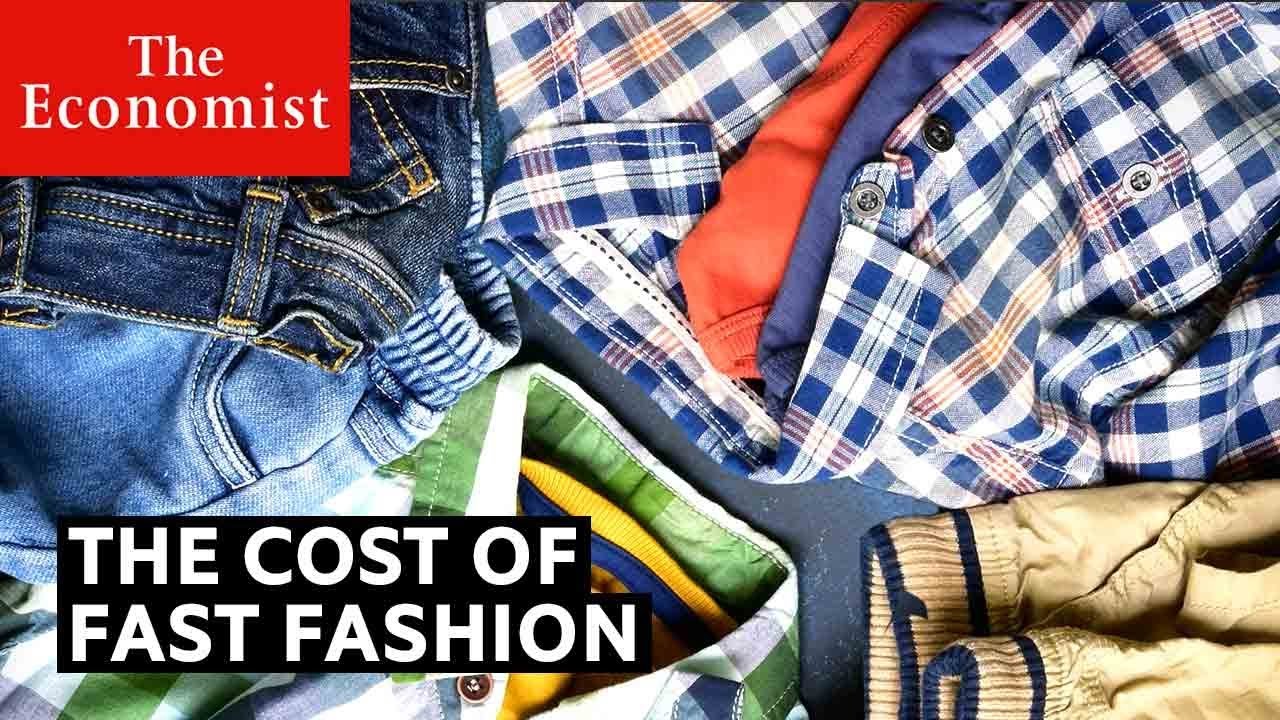
Buying clothes has never been easier, leading to significant waste at Savanna Rags in Nottingham.
NASA's study shows galaxies evolve over 8 billion years, challenging previous beliefs.
Dolphin intelligence is interesting because understanding it may help communicate with aliens.
The Yorkshire Dales cover 800 square miles and feature a patchwork of fields divided by dry stone walls, earning the nickname God's own country.
The Kunene River contrasts the barren Namib desert with its emerald green hue.
The video features 4K UHD time-lapse footage of Earth's coastlines and countries, including England, France, Italy, and Egypt, captured from the ISS.
In 1788, British mariner John Meares named the Olympic Mountains in northwest Washington after Mount Olympus due to their striking, snow-capped peaks.
EsoCast showcases a Hubble image of the violent star formation in Cygnus's S106 region.
Hawaii, formed 40 million years ago, features the most active volcano on Earth since 1983.
The first weather satellite launched into space in 1960 aids meteorologists in detecting storms.
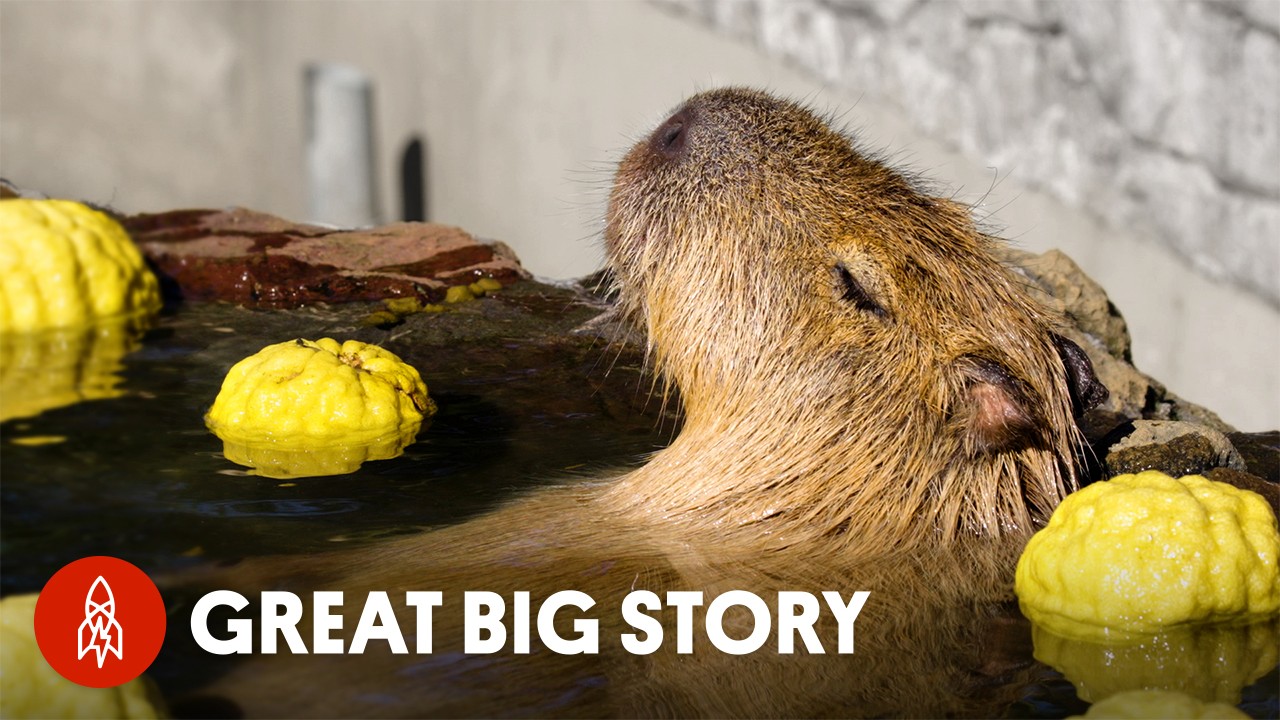
Capybaras, the largest rodent, enjoy a pampered life in Japan's Izu Shaboten Zoo.