From over 100,000 films, discover the handful you'll love.
Free or premium access to the world's largest documentary library.
347 films(Page 1 of 8)
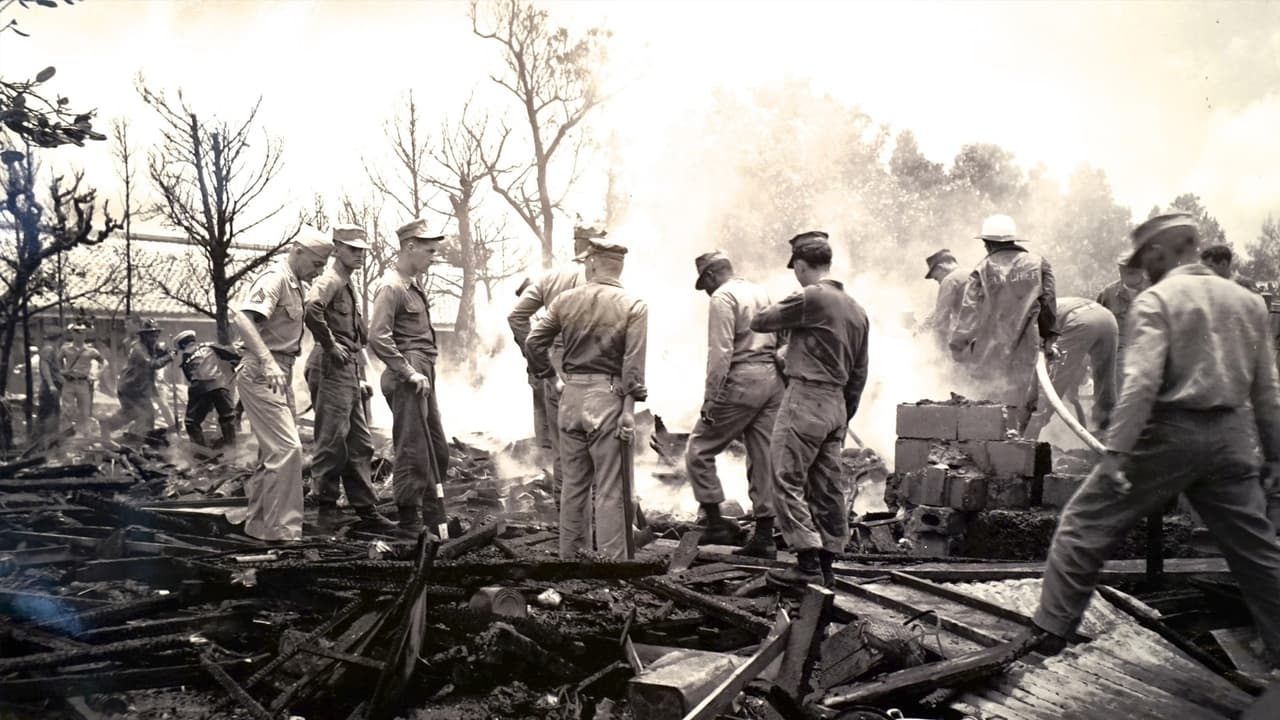
Dr. Helen Caldicott emphasizes the urgent need for nuclear disarmament through a powerful lecture, supported by archival footage of Hiroshima's aftermath.
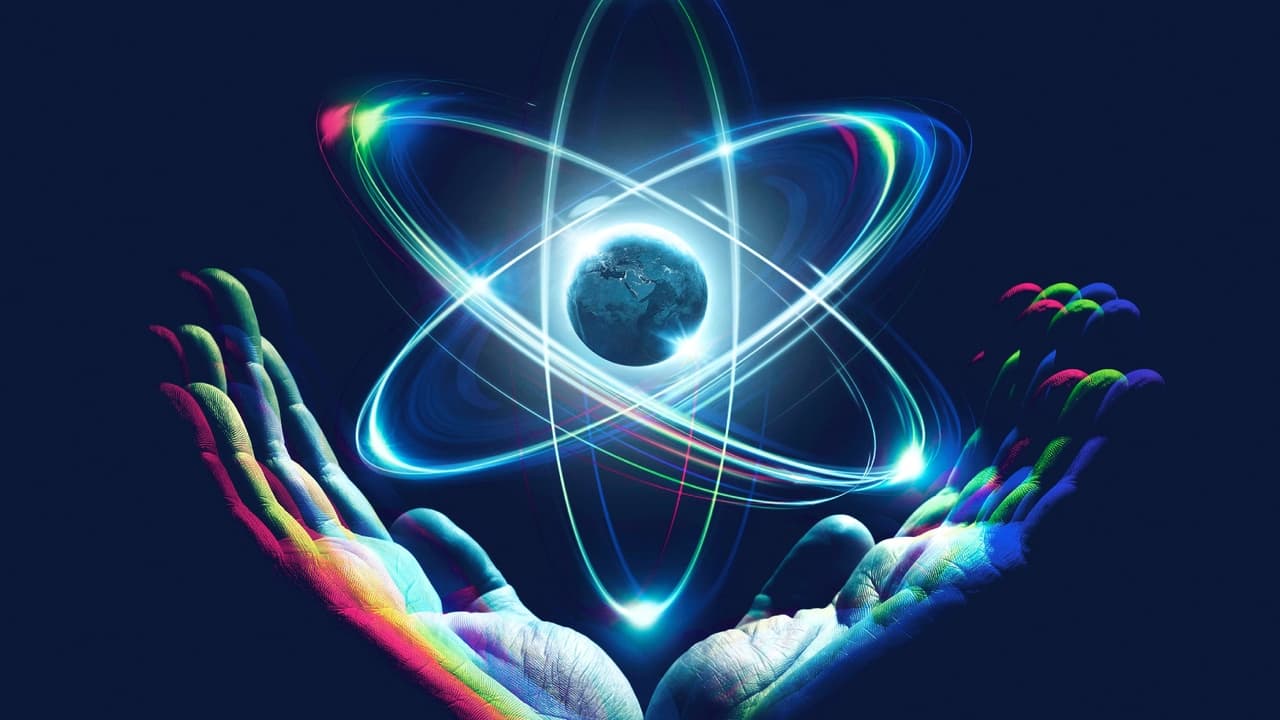
Uranium atoms, found in the Earth's crust, contain concentrated energy that was first harnessed in the mid-20th century for bombs and submarine power.
China is building airstrips on disputed islands in the South China Sea, raising concerns about escalating tensions with the United States.
Real-time footage captures Edward Snowden and journalists strategizing his escape to Moscow in a Hong Kong hotel room during the 2013 NSA leaks.
Chernobyl's exclusion zone has become home to hundreds of different creatures, including wolves and wild boars, in the absence of human inhabitants.
On August 6, 1945, the B-29 Superfortress Enola Gay dropped the atomic bomb "Little Boy," weighing nearly 9,700 pounds, on Hiroshima.
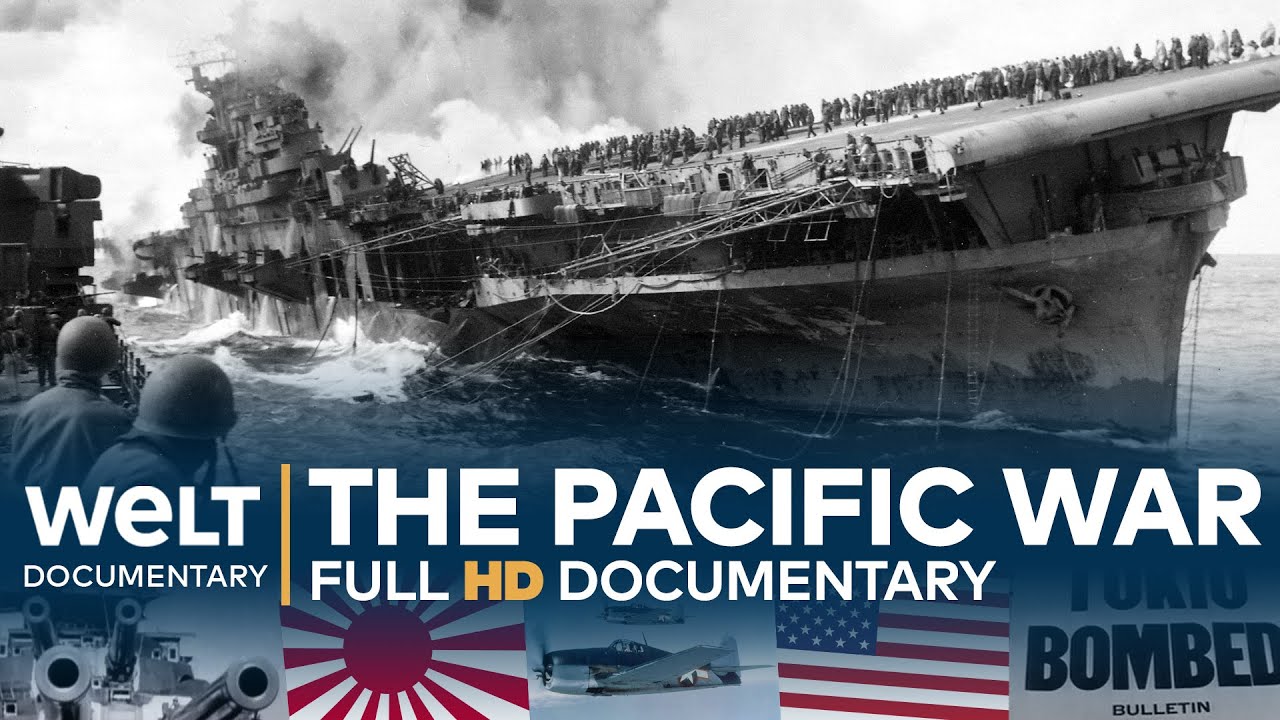
More than 2,400 U.S. soldiers died during the Japanese attack on Pearl Harbor, which marked the start of the Pacific War in December 1941.
Over 6,000 people worked at the Los Alamos Laboratory on the Manhattan Project, where Robert Oppenheimer led the development of the atomic bomb.
Radar operators on the USS Princeton detect unidentified objects off the coast of Southern California in November 2004.
In 1967, UFO sightings at Malmstrom Air Force Base coincided with the malfunction of U.S. nuclear missiles, raising national security concerns.
At 1,800 meters above sea level, the Eagle's Nest served as a strategic vantage point for Adolf Hitler and his inner circle during the Nazi regime.
At 28 years old, Kim Jong-Un became North Korea's leader, taking control of his father's nuclear weapons program and expanding it significantly.
Eighty years after the atomic bombings of Hiroshima and Nagasaki, the U.S. government's manipulation of the narrative is examined through propaganda and press co-option.
President Truman authorized the use of atomic bombs on Hiroshima and Nagasaki in August 1945, leading to massive destruction and loss of life.
Between 1946 and 1954, 80 million tons of explosive nuclear power were unleashed on Bikini Atoll during a series of tests by the U.S. military.
As many as 70,000 people were killed instantly by the atomic bomb dropped on Hiroshima on August 6, 1945, marking the start of the Cold War.
Doomsday planning for the U.S. government includes protocols for evacuating leaders and protecting historic artifacts from destruction.
Close to 700 ships have been wrecked or disappeared within Australia's Great Barrier Reef, including the infamous Yongala, which vanished in 1911.
Three generations of the Kim family have ruled North Korea for over seventy years, shaping a regime that prioritizes nuclear development amid widespread poverty.
As many as 70,000 people are instantly killed by the atomic bomb dropped on Hiroshima on August 6, 1945, marking a turning point in global conflict.
Six nuclear weapons remain unrecovered in the ocean, abandoned by the United States during the Cold War, posing ongoing environmental and security risks.
China is building air strips on disputed islands in the South China Sea, raising concerns about potential military conflict with the United States.
Between 1946 and 1958, the U.S. conducted 23 nuclear tests at Bikini Atoll, displacing local communities and rendering the islands uninhabitable.
Two superpowers had five times more missile warheads in 1979 than they did just eight years earlier, raising fears of global destruction.
A Saturn 5 rocket, weighing about 6 million pounds, was designed to place the Apollo spacecraft in the vicinity of the Moon during the 1960s.
By the end of July 1945, B-29 bombers had conducted missions that nearly obliterated Japan's ability to wage war, paving the way for the atomic bomb.
NATO's Operation Brown Jack involved the largest military exercise in Denmark, demonstrating the alliance's readiness during the Cold War.
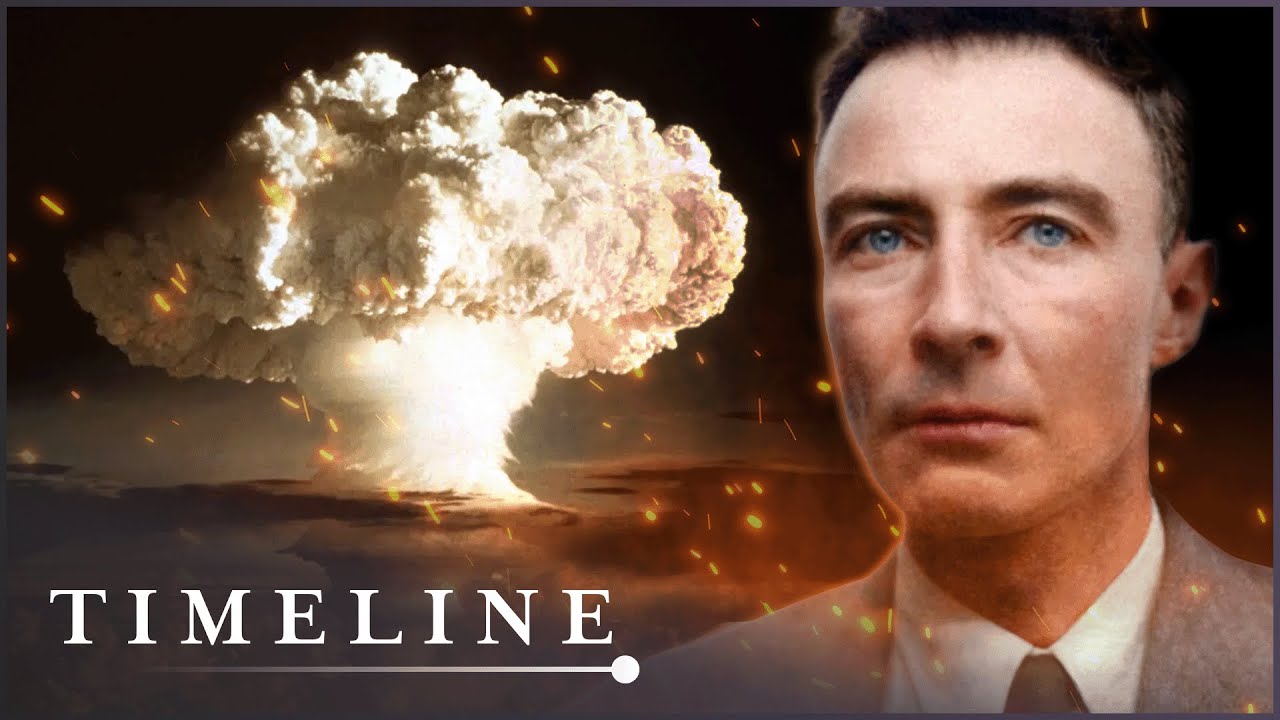
J. Robert Oppenheimer's leadership at Los Alamos Laboratory during the Manhattan Project is examined alongside his later advocacy for nuclear weapons control.
Five times more missile warheads existed in the U.S. and Soviet arsenals compared to eight years prior, intensifying fears during the Cold War.
Nuclear power, while a relatively clean energy source, poses significant risks of catastrophic disasters when safety measures fail, especially during natural events like earthquakes.
928 large-scale nuclear weapons were tested at the Nevada Test Site from 1951 to 1992, exposing nearby communities to harmful radiation.
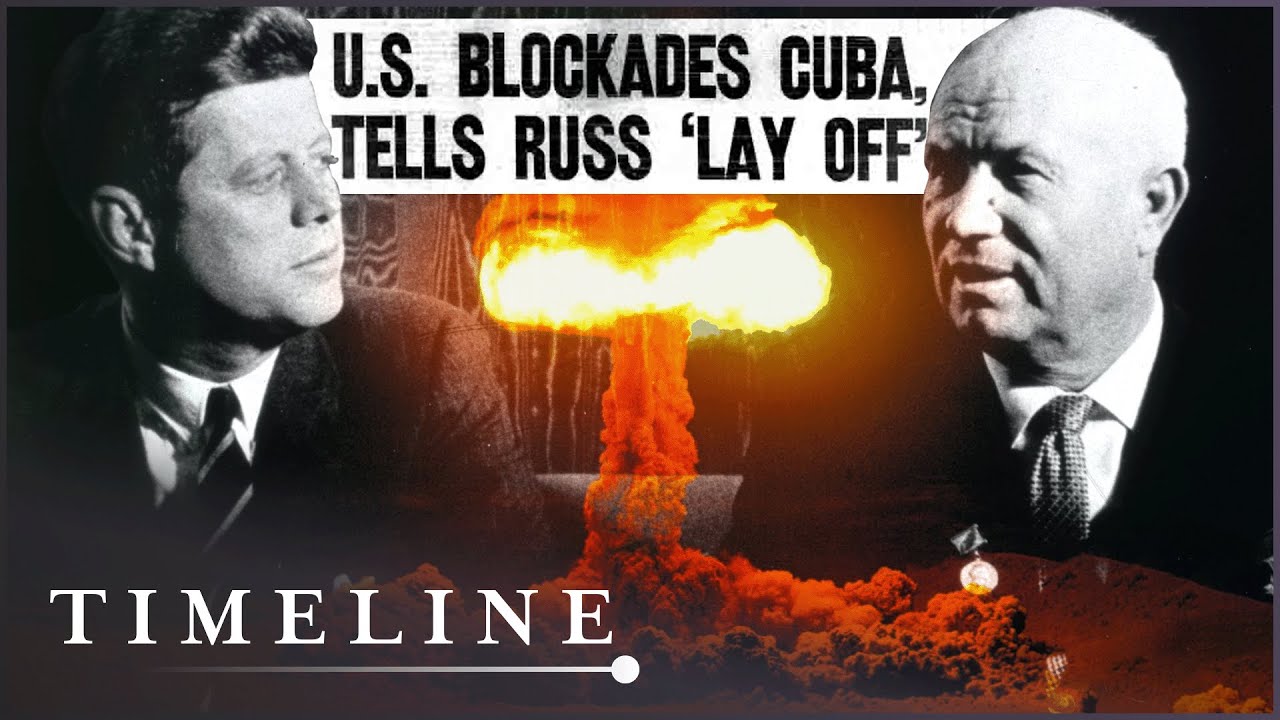
Ninety miles from Florida, the United States quarantined Cuba in response to the Soviet Union's placement of nuclear warheads on the island.
Hiroshima's atomic bombing on August 6, 1945, is examined through firsthand accounts from survivors, medical personnel, and the Enola Gay crew.
In the exclusion zones of Chernobyl and Fukushima, individuals confront ongoing challenges and daily routines while living in areas of high radioactivity.
Chicago's factories and the University of Chicago's atomic research played crucial roles in supporting the Allied war effort during World War II.
In the early 1940s, the Manhattan Project brought together leading scientists to develop nuclear weapons, culminating in the bombings of Hiroshima and Nagasaki.
Paige Claassen navigates the challenges of professional climbing and motherhood, redefining strength and identity after a miscarriage and during her pregnancy.
Deep beneath Germany, Cold War bunkers like the Bundesbank's secret facility and East German command centers reveal the extensive underground infrastructure built for nuclear survival.
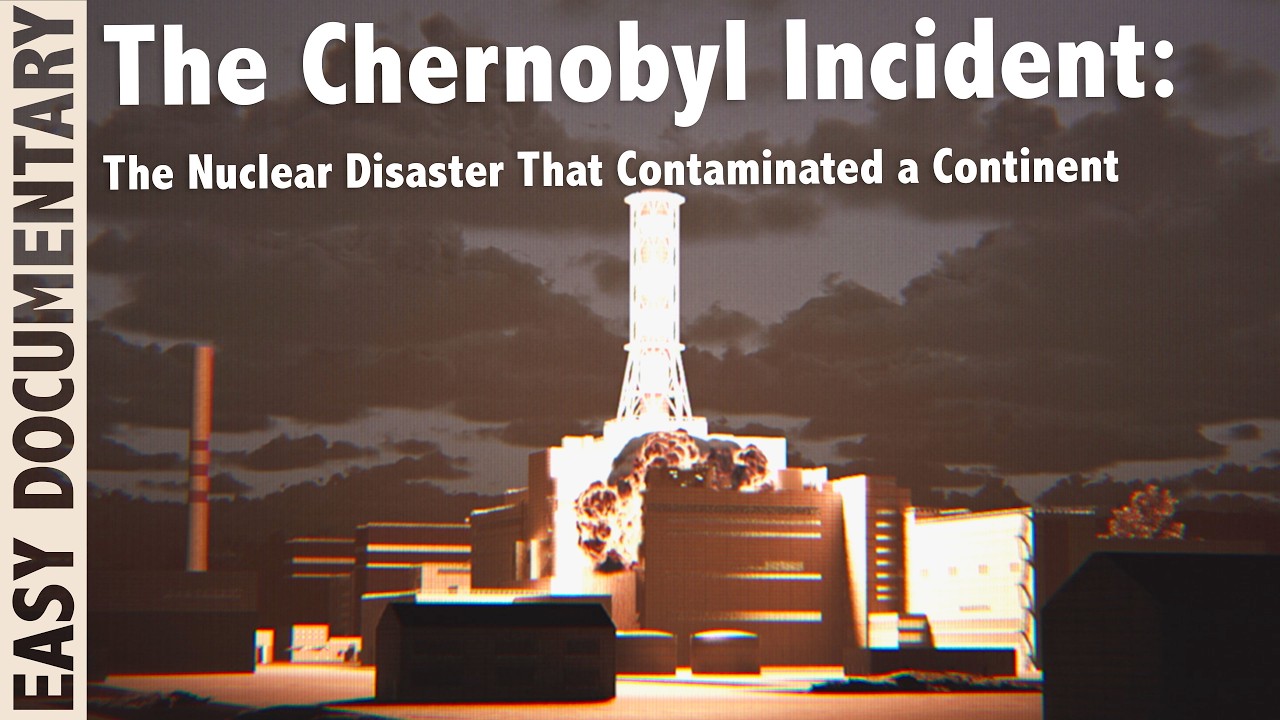
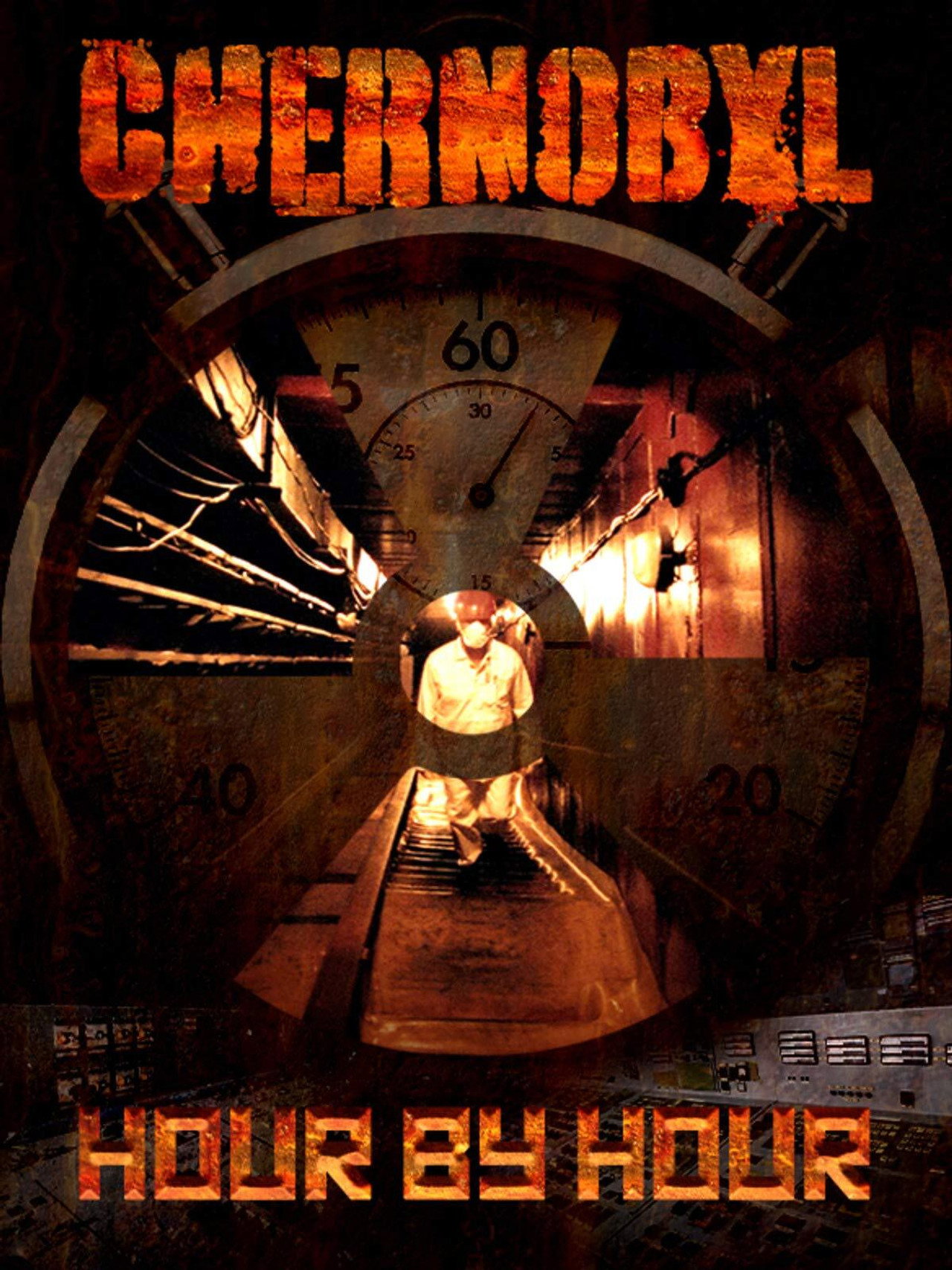
On April 26, 1986, Reactor No. 4 at the Chernobyl Nuclear Power Plant exploded, releasing vast amounts of radiation across Europe and leading to a controversial cover-up by the Soviet Union.
Chernobyl and Fukushima exclusion zones illustrate the enduring impact of nuclear disasters on the environment and the lives of communities in contaminated areas.
Robert Oppenheimer and Werner Heisenberg compete during World War II to harness physics for the creation of the atomic bomb, shaping modern warfare.
Norwegian commandoes successfully sabotaged the Vemork hydroelectricity plant during World War II, preventing the Nazis from developing nuclear weapons.
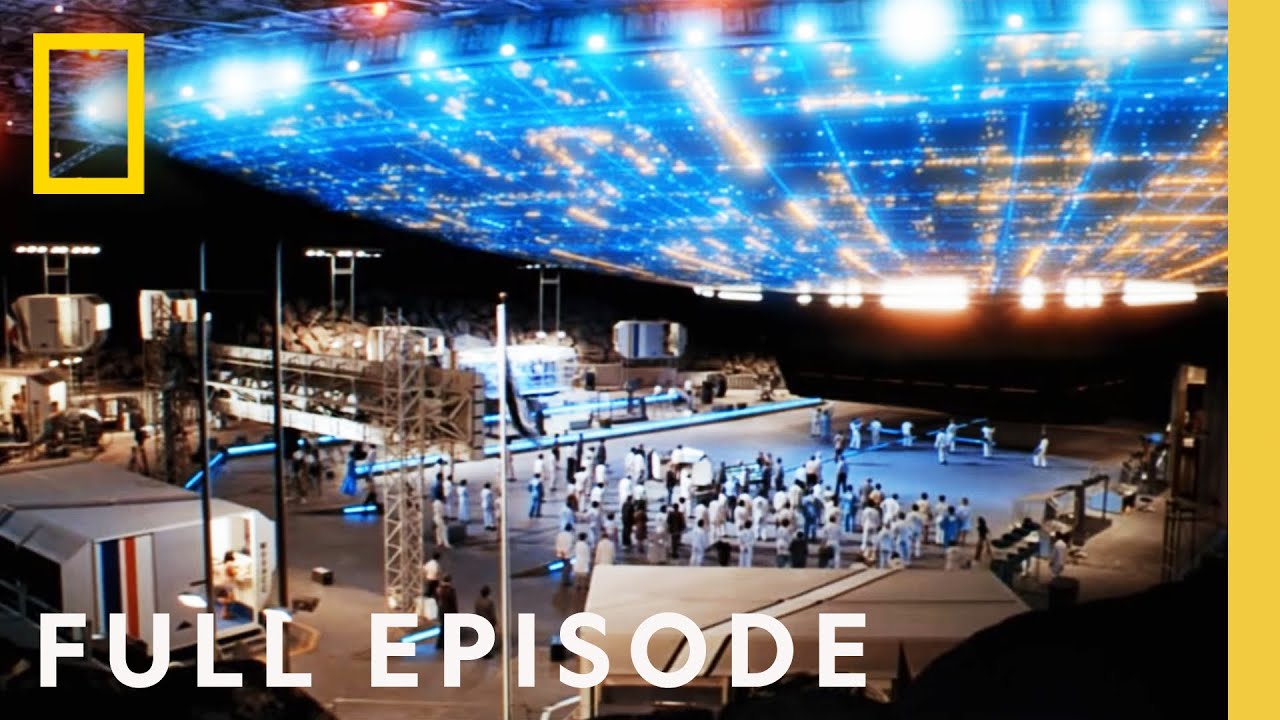
In Arizona’s Apache-Sitgreaves National Forest, reports of alien encounters and strange phenomena near nuclear facilities raise questions about extraterrestrial surveillance.
Over 100 times more radiation was released during the Chernobyl nuclear accident than the atomic bombs dropped on Hiroshima and Nagasaki.
Survivors recount their experiences from the Chernobyl nuclear disaster in Pripyat, Ukraine.
On March 24, 1999, a fire in the Mont Blanc Tunnel killed 39 people and exposed critical failures in safety systems designed to protect drivers.
As many as 70,000 people are instantly killed by the atomic bomb dropped on Hiroshima on August 6, 1945, marking the start of the nuclear age.