From over 100,000 films, discover the handful you'll love.
Free or premium access to the world's largest documentary library.
347 films(Page 2 of 8)
Eight kilometers separate Aunt Kuniko's home from the Fukushima Nuclear Power Plant, which exploded on March 11, 2011, forcing her community into disarray.
More than two billion dollars were spent on the development of the hydrogen bomb, a project that Richard Garwin played a significant role in.
The intense competition between J. Robert Oppenheimer and Werner Heisenberg during World War II highlights the race to develop the atomic bomb and its global implications.
On April 26, 1986, a catastrophic meltdown at the Chernobyl Nuclear Power Plant in Ukraine exposed systemic flaws and a culture of secrecy within the Soviet Union.
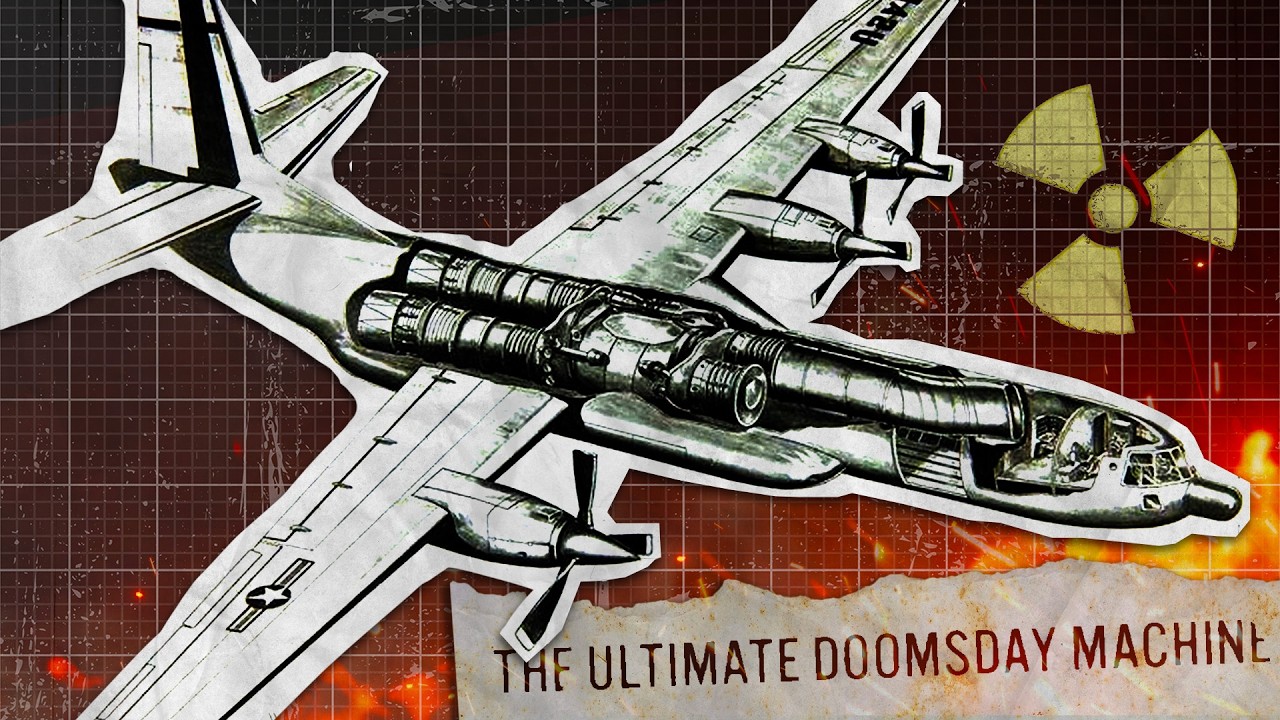
In the Cold War era, the United States invested heavily in the Convair WS-125, a nuclear-powered bomber capable of flying for months without landing.
East Germany's emergency command centers and Albania's underground networks illustrate the extensive preparations made by European governments for potential nuclear conflict during the Cold War.
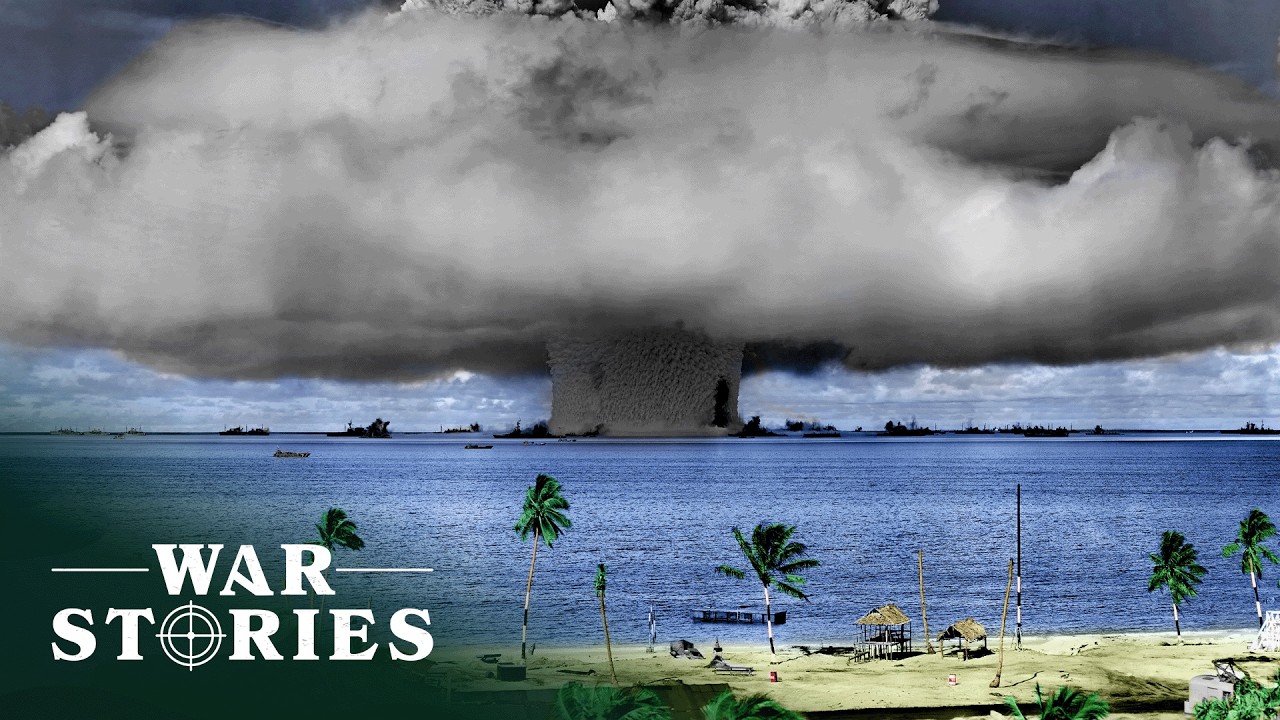
Bikini Atoll, site of the 1946 Operation Crossroads atomic tests, became a radioactive ship graveyard, highlighting the lasting impact of nuclear warfare.
In October 1962, John F. Kennedy navigated the Cuban Missile Crisis through diplomacy with the Soviets while addressing civil rights as a moral issue.
Eniwetok Atoll, site of 44 nuclear tests during the Cold War, remains contaminated and uninhabitable, affecting the lives of its islander inhabitants.
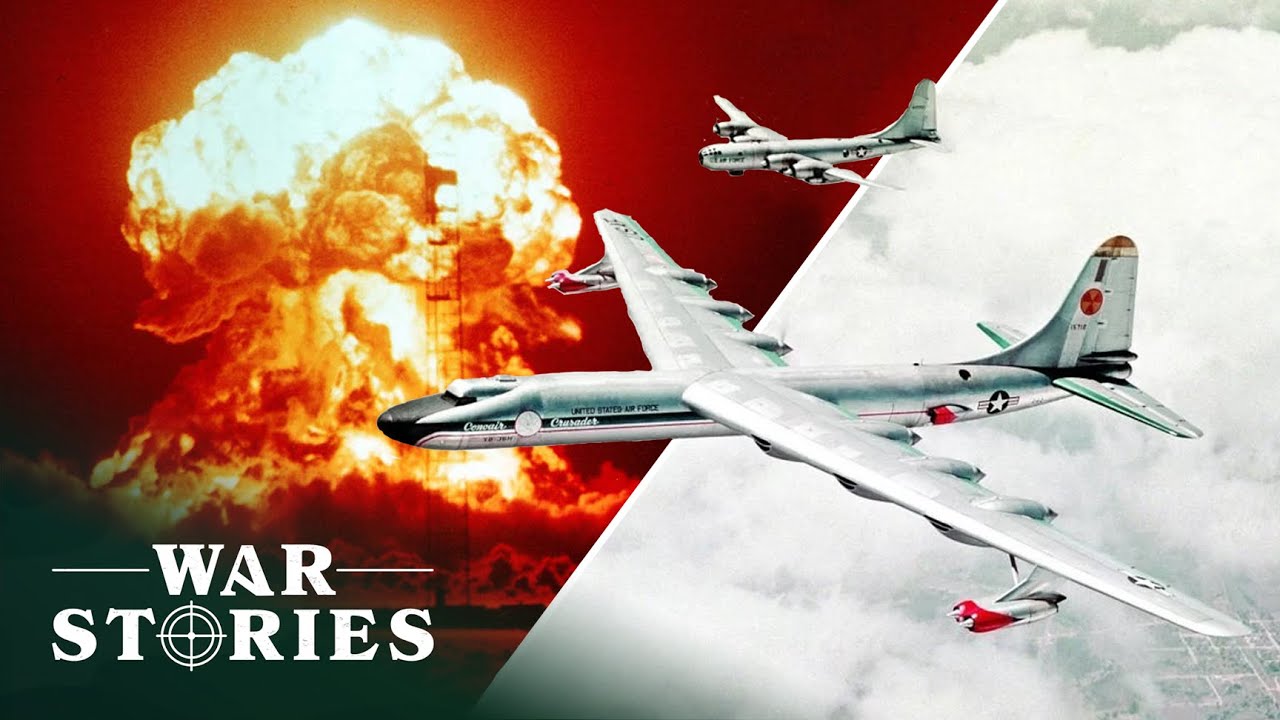
The Convair B-36, the first aircraft designed to carry nuclear weapons without modifications, played a significant role in the early Cold War era.
Technicians move a massive roof over Chernobyl's No 4 reactor to contain radiation.
Five great mass extinction events have occurred in the last half billion years, with the first linked to a brief Ice Age that drastically altered life on Earth.
The United States Atomic Energy Commission regulates radioactive materials to ensure public safety, addressing nuclear accidents and waste disposal procedures.
L’Indomptable, a decommissioned French Navy nuclear submarine, undergoes a complex dismantling process involving over 60 engineers and hazardous materials like asbestos.
28,121 acres make up the U.S. naval base at Guantanamo, where American marines and Cuban soldiers maintain a constant watch along an 18-mile perimeter.
Stanislav Petrov prevents nuclear war, struggling to reclaim his life afterward.
In September and October 1945, footage from the Hanford Nuclear Reservation examines the effects of the atomic bombings on Hiroshima and Nagasaki, extending four miles from the detonation sites.
Everyday locations around the world, from beaches to military bases, are becoming sites for UFO sightings that challenge our understanding of reality.
Six Hungarian scientists, driven from Europe by persecution, played crucial roles in developing the atomic bomb at Los Alamos during World War II.
Nuclear waste poses dangers that have remained hidden for thousands of years, as communities confront the consequences of past energy decisions.
Inside Sellafield reveals the controversy of Europe's most hazardous nuclear site in Britain.
Stanislav Petrov, a Russian officer, played a crucial role in averting a potential nuclear war during a false alarm in 1983, as detailed in this documentary.
France's Charles de Gaulle aircraft carrier, the most powerful vessel in its navy, utilizes advanced catapult technology to launch fighter jets efficiently.
Each canister of spent nuclear fuel at San Onofre contains as much radiation as was released from the Chernobyl disaster in 1986.
Five modern-day samurais in Fukushima confront the ongoing challenges of radiation exposure and the preservation of the SOMA NOMAOI tradition following the 2011 disaster.
Nearly 40,000 tourists visited the Chernobyl Exclusion Zone last year, drawn by its abandoned landscapes and the history of the nuclear disaster.
Rare archival footage and declassified documents reveal the intense espionage, nuclear threats, and proxy wars that defined the Cold War between the United States and the Soviet Union.
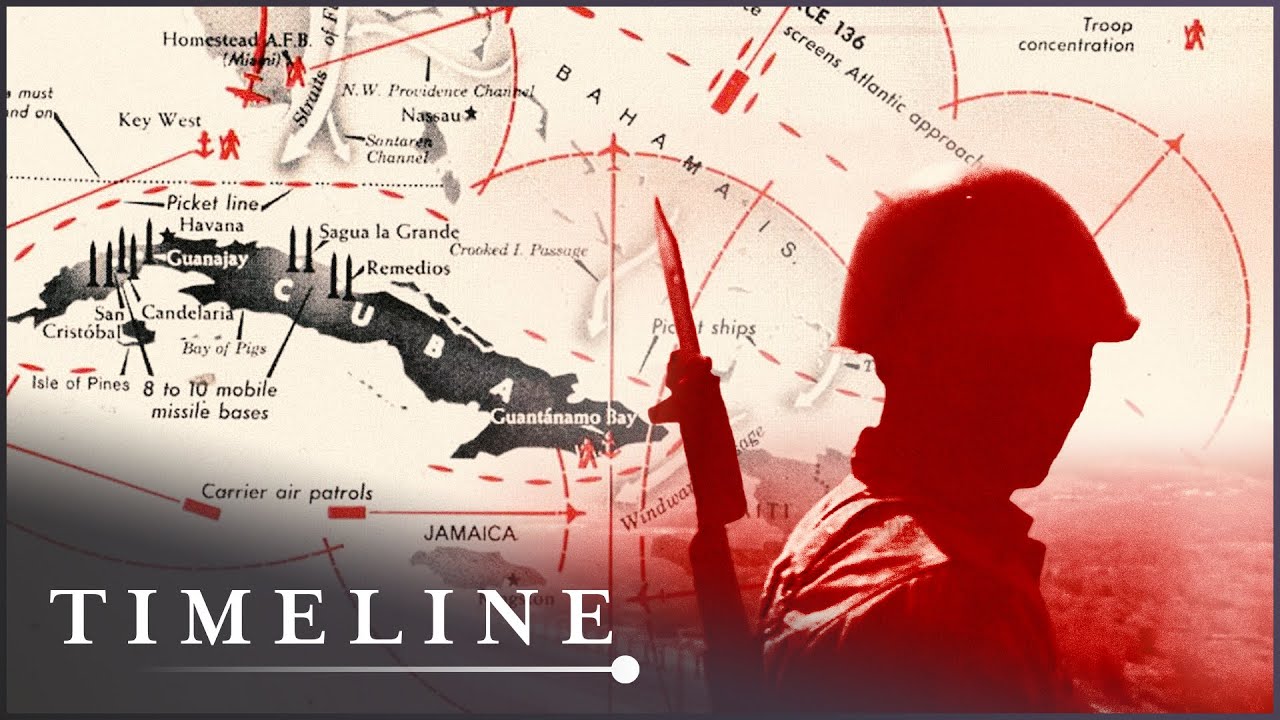
In October 1962, the world came the closest it has ever been to nuclear armageddon during the Cuban Missile Crisis between the United States and the Soviet Union.
Survivors of the Chernobyl nuclear disaster, including a senior engineer and a firefighter, share their personal stories and experiences from the 1986 catastrophe.
A salvage pilot and bartender fight a programmer planning to crash a nuclear-armed spaceship.
In Fukushima, five cattle farmers struggle to care for their radioactive livestock, which have become symbols of the ongoing consequences of the 2011 nuclear disaster.
A 75-ton tractor trailer transported a calandria, the core of a nuclear reactor, over 600 miles to Rajasthan, India, in January 1968.
CERN, a hub for world-class scientists in Geneva, explores the origins of knowledge and the smallest particles through the Large Hadron Collider.
A group of 1,500 hibakusha from Japan traveled to New York in June 1982 to share their experiences during peace demonstrations at the United Nations.
Time travel theories, the social structures of skunks, and nuclear waste management are examined through scientific and environmental lenses.
In Belarus, Norway, and Japan, communities continue to navigate life in contaminated territories decades after the Chernobyl and Fukushima nuclear disasters.
In July 1946, the Army Air Forces conducted the fourth and fifth atomic detonations, known as Able and Baker, at Bikini Atoll.
Military nuclear testing in the 1950s had lasting consequences for veteran Mary Guy and her widow, highlighting issues of social justice and accountability.
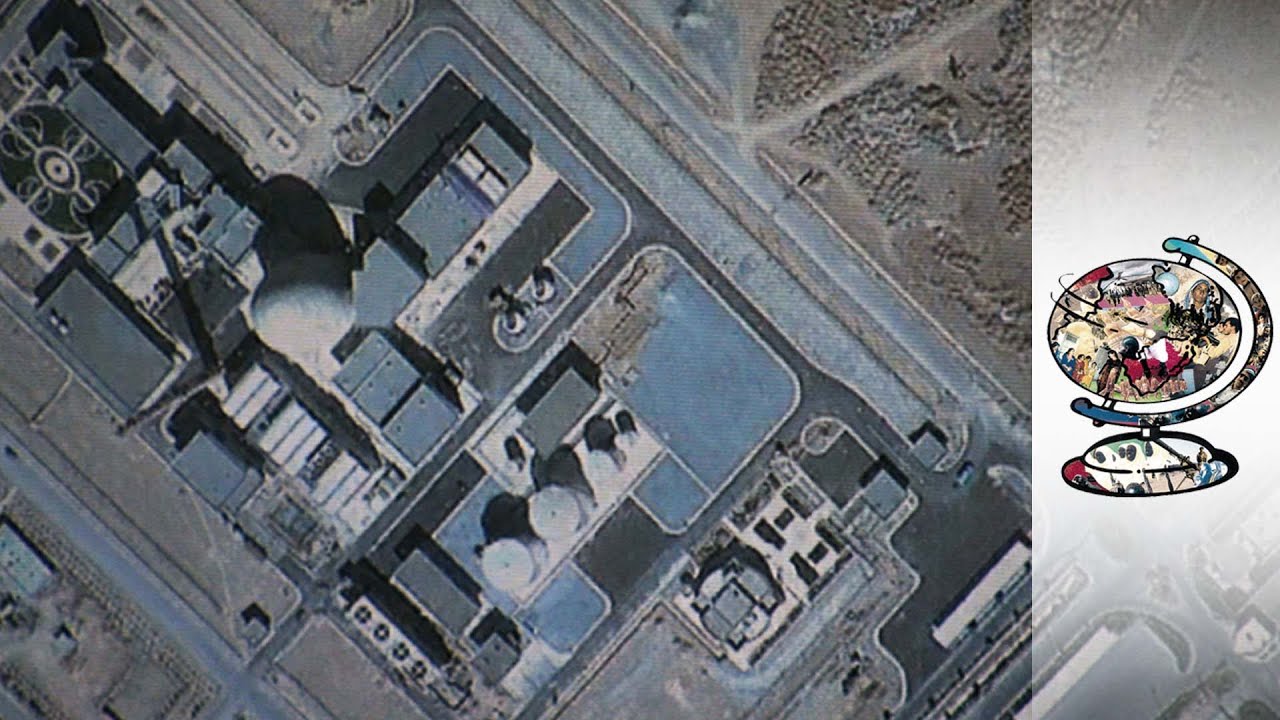
Iran's nuclear program faced significant setbacks due to a series of targeted assassinations that slowed its progress but did not halt it entirely.
Russia's state corporation Rosatom plays a crucial role in the global nuclear power landscape, influencing energy security from locations like Germany to Ukraine and Turkey.
130,000 Iranian soldiers are currently deployed in Iraq, as tensions rise following the assassination of nuclear scientist Mohsen Fakhrizadeh.
Alexander Litvinenko, a former KGB officer, was poisoned with radioactive polonium in London in 2006, leading to a complex investigation by Scotland Yard.
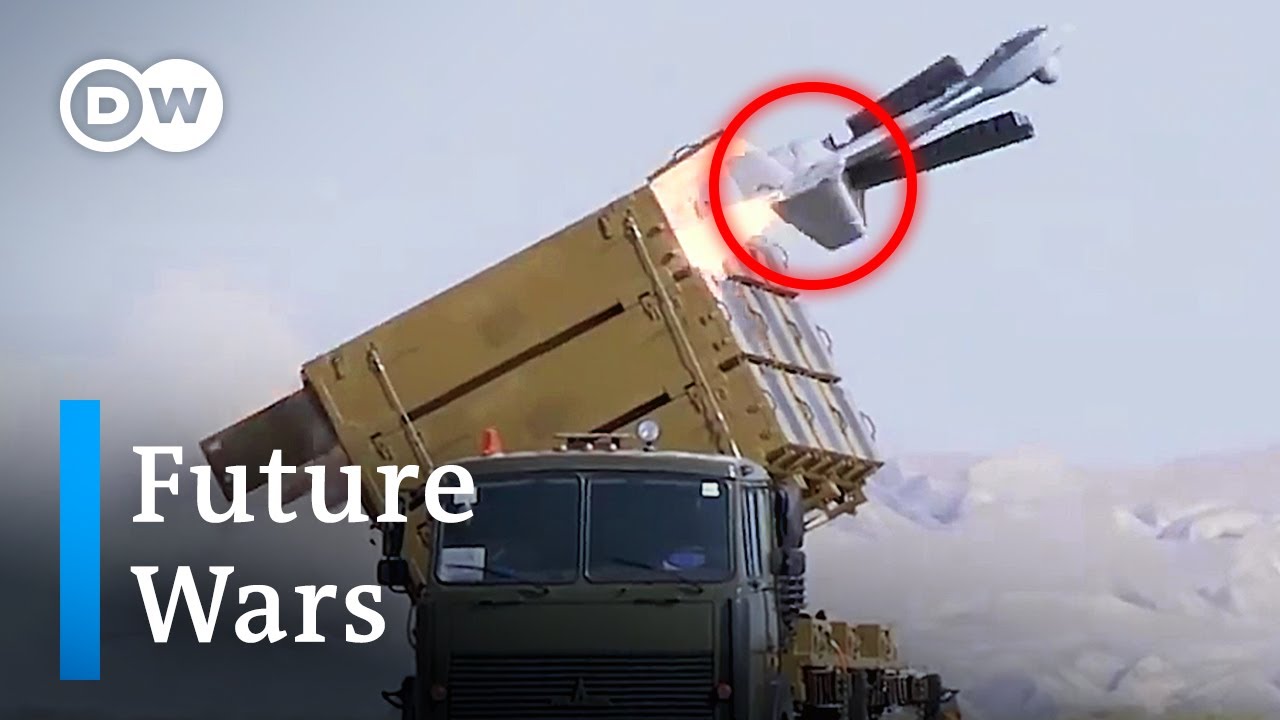
In Germany, Foreign Minister Heiko Maas emphasizes the urgent need for international regulations as cyber and autonomous weapons reshape modern warfare.
Russian forces take control of Europe's largest nuclear power plant amid ongoing conflict in Ukraine.
In the village of Muslyumova, the severe health impacts of radioactive pollution from the Mayak nuclear accident reveal a hidden legacy of government negligence.
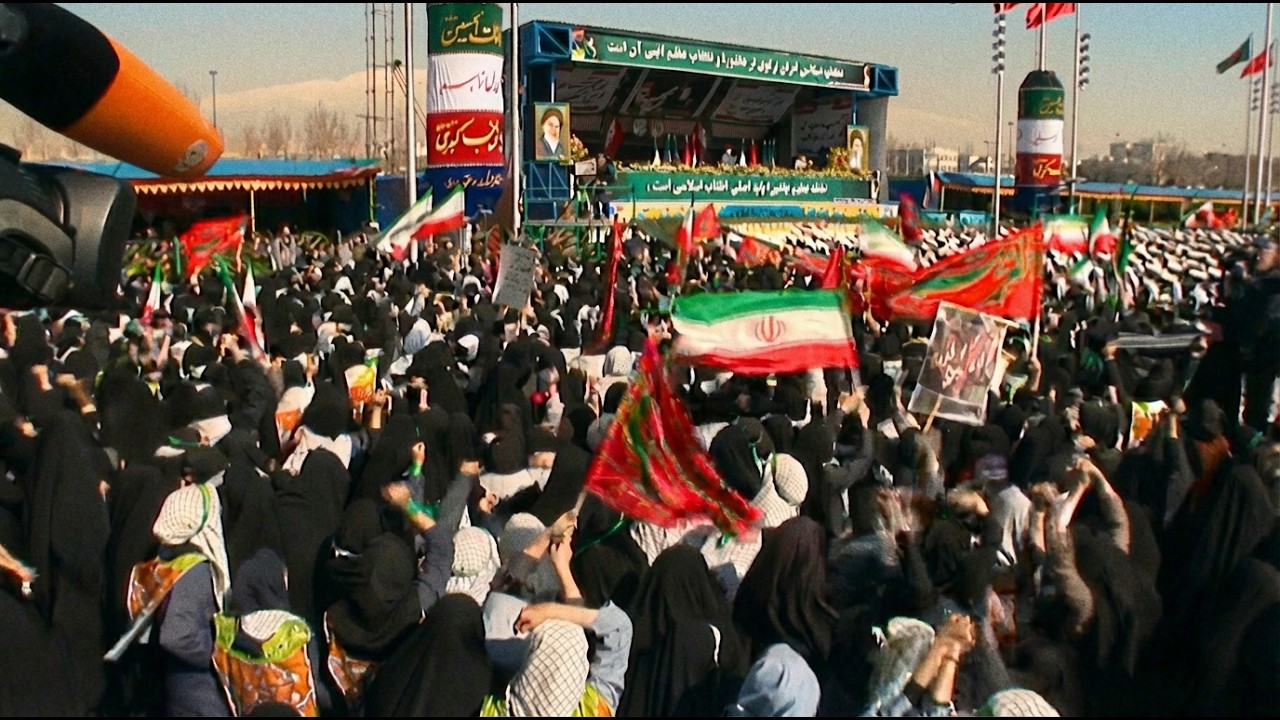
3,000 individuals gathered outside the Danish embassy in Tehran in 2006, demanding the building's destruction over the publication of Muhammad cartoons.
Five Iranian nuclear experts have been killed in car bombings over the past two years amid rising tensions over the country's nuclear program.
Radiation effects from the Fukushima nuclear disaster are examined alongside traditional religious practices in Togo, the Danakil Desert in Ethiopia, and a gun-centric city in Georgia.