From over 100,000 films, discover the handful you'll love.
Free or premium access to the world's largest documentary library.
347 films(Page 3 of 8)
Sky News Breakfast covers the shelling of Ukraine's biggest nuclear power plant amid the conflict.
Bureau 39, North Korea's secretive financial organization, employs illicit activities to fund its nuclear arsenal while circumventing UN sanctions.
UFO sightings near U.S. nuclear facilities raise concerns about national security, as investigated by Luis Elizondo and Chris Mellon in Season 2, Episode 3.
Global CO2 concentration reached 415 parts per million, prompting urgent discussions on the role of nuclear energy in reducing emissions and preventing climate change.
Twelve atomic weapons lost during American military operations are investigated in Savannah, featuring firsthand accounts from pilots involved in the incidents.
On August 9, 1945, President Harry S. Truman announced the results of the Potsdam Conference and the atomic bomb's use on Hiroshima, Japan.
Kim Jong-un, North Korea's secretive leader, has consolidated power through brutal tactics and an aggressive nuclear program while promoting a controlled society in Pyongyang.
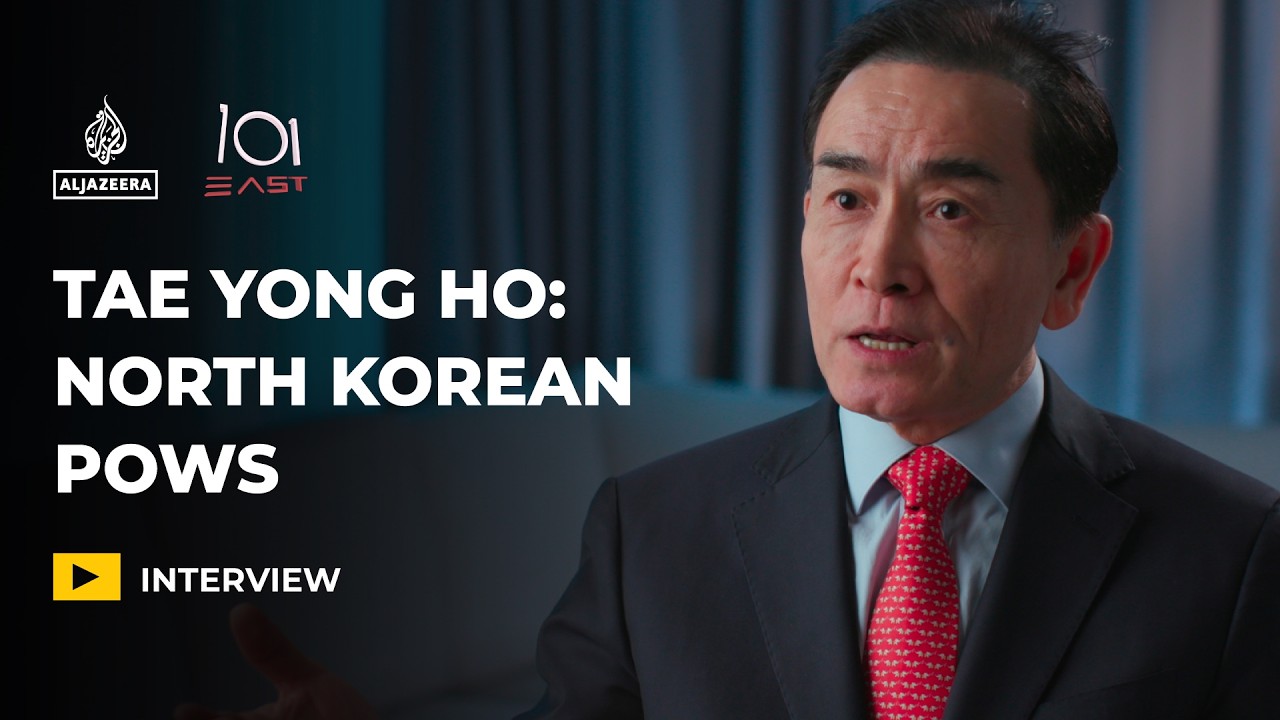
Tae Yong Ho, a former North Korean diplomat, discusses how Kim Jong Un's soldiers are fighting in Ukraine to enhance the country's nuclear capabilities and the implications for POWs.
Gaddafi's Gamble examines Gaddafi's rapprochement with the West and its impact on Libya.
A countdown to nuclear war reaches critical moments as military forces respond to escalating tensions, with launch authorization given at just four minutes and thirty seconds.
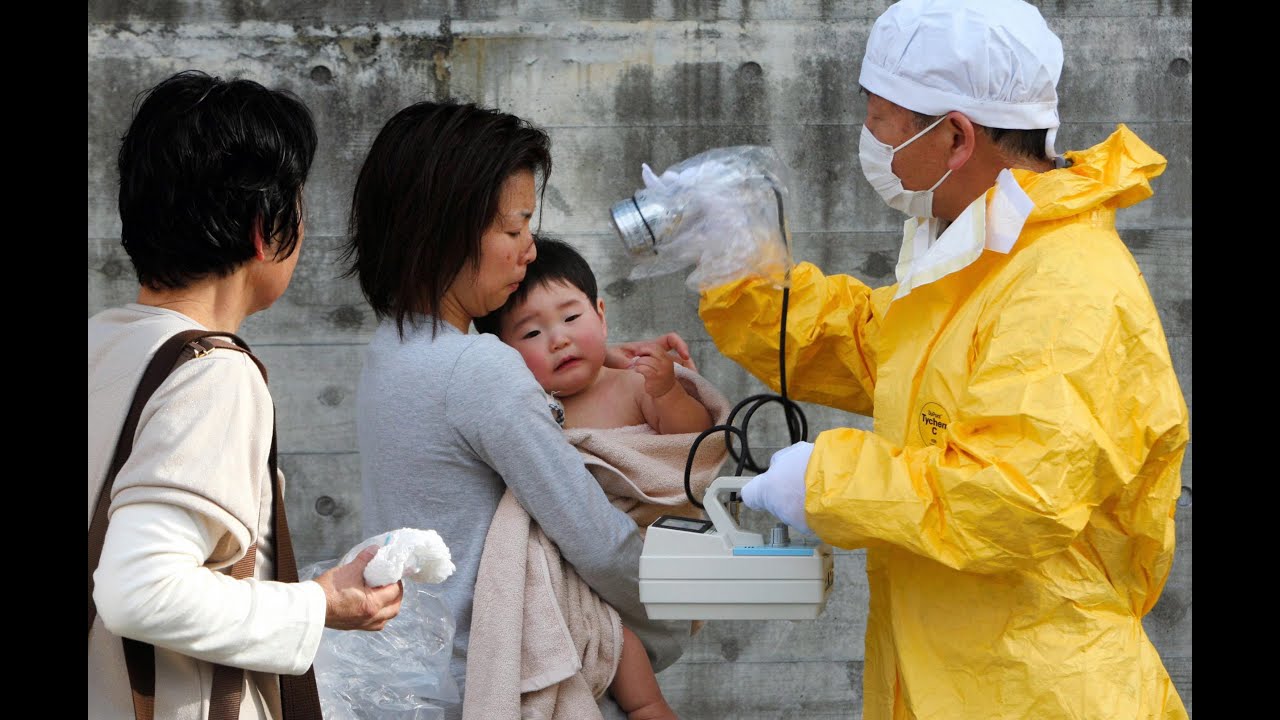
The Fukushima nuclear disaster has intensified the debate over nuclear energy safety in France, prompting the European Commission to mandate "Stress Tests" for power plants amid rising incidents linked to subcontracting.
On January 13, 2018, the Hawaii Emergency Management Agency sent a false alert about an incoming ballistic missile, prompting widespread panic among residents.
Fifty planes capable of carrying nuclear weapons are stationed at a military base in Japan, raising concerns among survivors of the Hiroshima bombing.
Nikopol suffers from Russian rocket fire near the Zaporizhzhia nuclear power plant.
More than 5 million people have fled Ukraine as refugees since the start of the war, with many now returning to rebuild their country.
Six months into Russia's attack, Ukraine targets deep into Russian-occupied territory.
Russia's actions in Ukraine threaten nuclear safety at Chernobyl and Zaporizhzhia power plants.
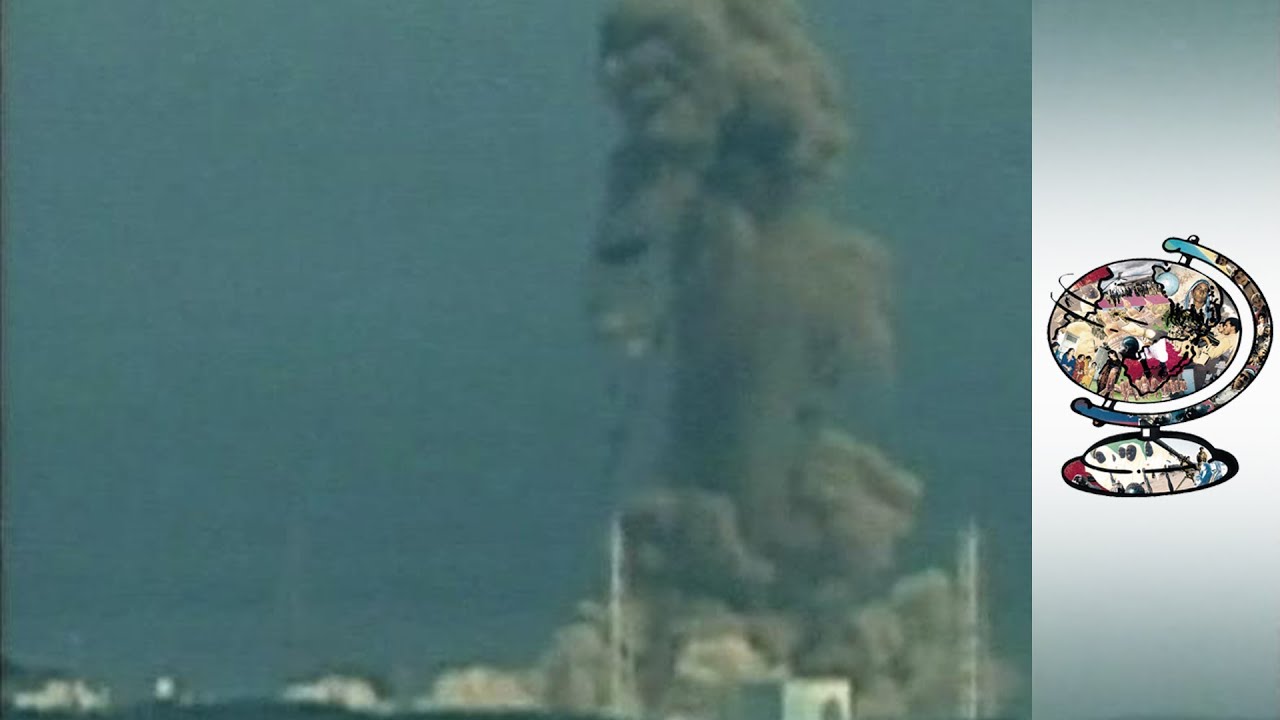
Japan's 2011 earthquake and tsunami lead to a nuclear disaster at Fukushima Daiichi.
Less than 20% of Namie's former residents plan to return to their homes after the Fukushima disaster, despite government efforts to promote safety.
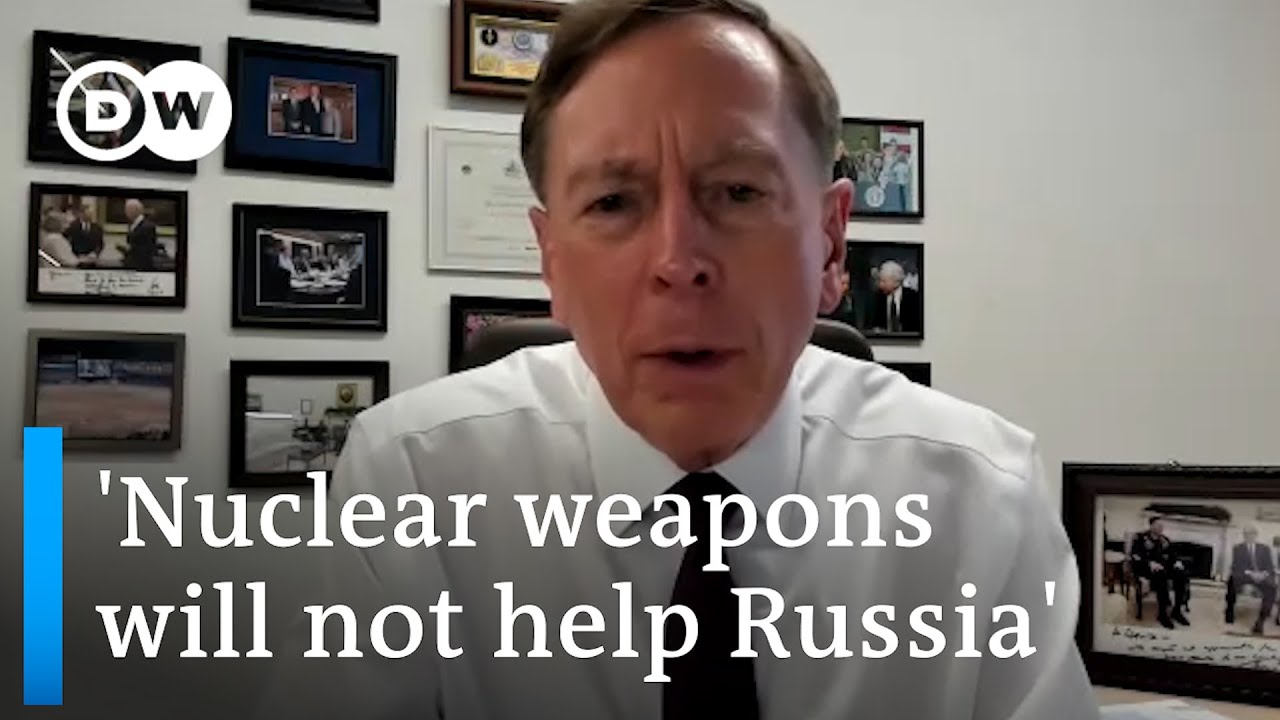
General Petraeus discusses Ukraine's military strength and potential nuclear consequences for Russia.
Pakistan's nuclear proliferation network has been linked to clients like Libya and Iran, raising alarms about the potential for nuclear weapons to fall into terrorist hands.
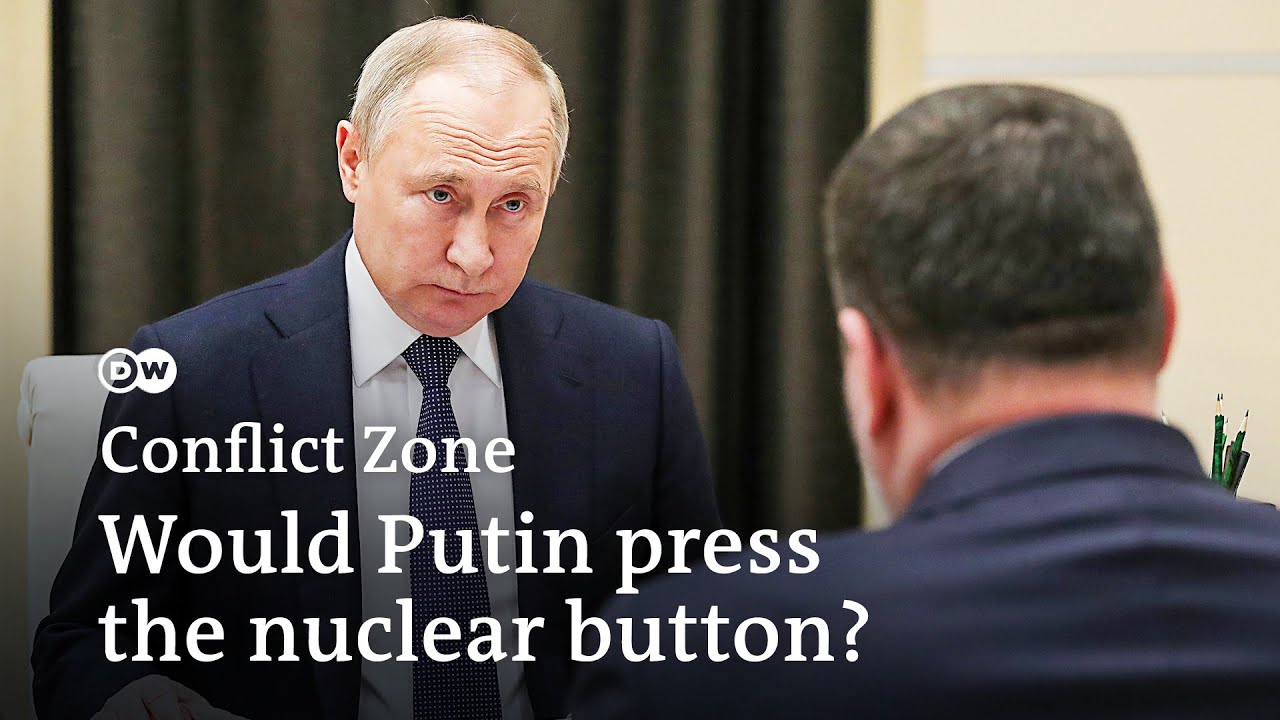
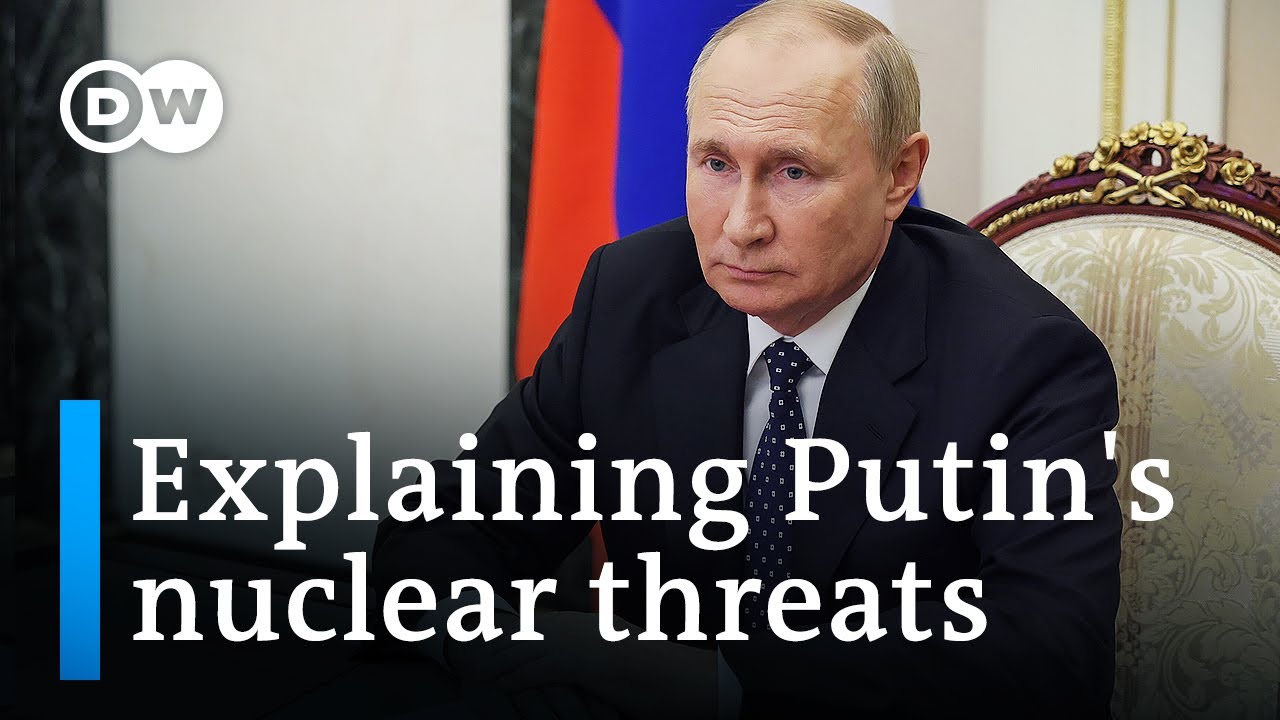
Vladimir Putin threatens nuclear action in the war against Ukraine, warns James Acton.
Widows demand answers as fingers point at the US and Israel for Dariush's murder.
Ten years later, Fukushima, Japan, still faces the impact of the nuclear disaster and population decline.
Fukushima Now shows the ongoing clean-up of Japan's worst nuclear disaster at Fukushima.
North Korea, under Kim Jong-un, advances its nuclear weapons program amid severe sanctions while foreign journalists experience a tightly controlled version of the regime.
In May 1998, escalating tensions between India and Pakistan, fueled by Hindu fundamentalism and the R.S.S. movement, heighten the nuclear arms race in South Asia.
Pakistan's ISI controls sensitive policies on Afghanistan and Kashmir while backing the Taliban.
President Biden condemns Russia's invasion of Ukraine and its violations of the UN Charter.
Ronald Reagan's 1981 address articulates the United States' stance on Strategic Arms Reduction Talks with the Soviet Union amid Cold War tensions.
Putin threatens nuclear action amid the crisis surrounding Russia's invasion of Ukraine.
A crowd of 200 to 300 yes voters gathers in Glasgow, passionately advocating for Scottish independence and expressing concerns about living near nuclear weapons.
Residents in Japan refuse to leave the radiation zone after the Fukushima disaster.
A 150,000-square-foot bunker is designed to provide a normal life for families during extreme conditions, reflecting the wealthy's preparations for potential disasters.
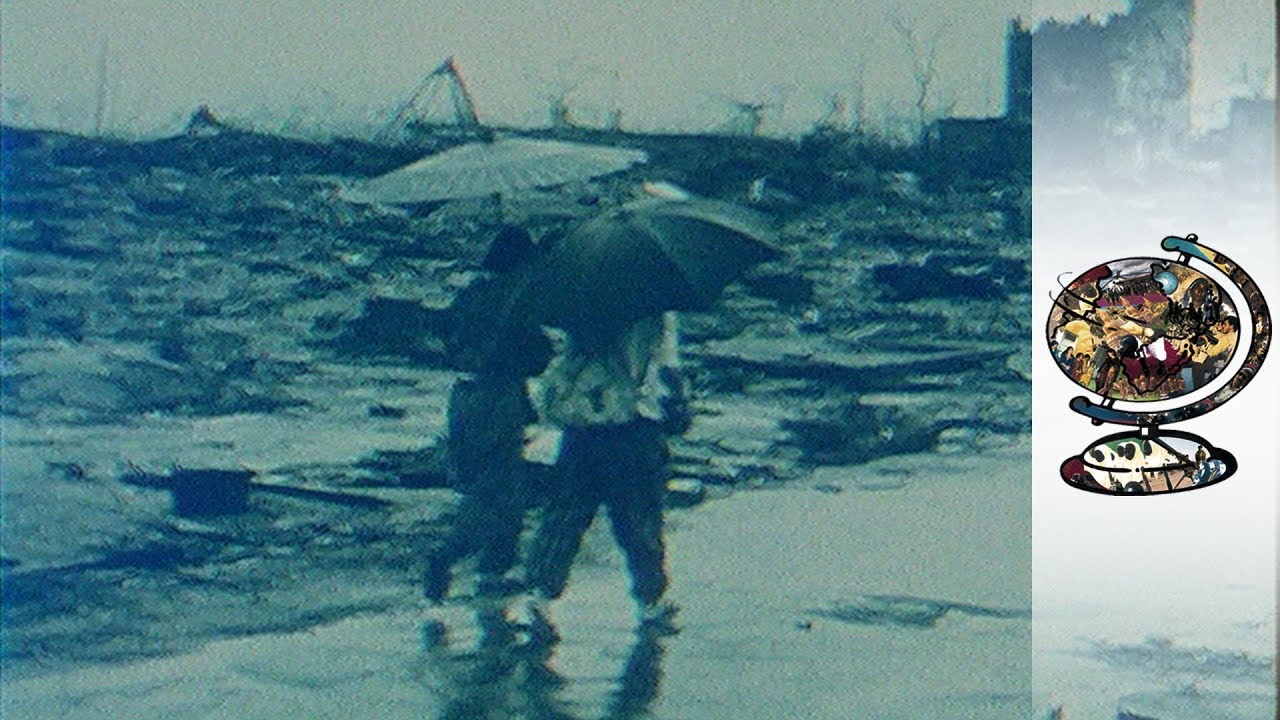
Wilfred Burchett recounts the aftermath of the Hiroshima atomic bombing in 1945, highlighting the devastation and suffering experienced by survivors.
President Trump’s policies raise concerns about global stability and nuclear threats from Russia and North Korea.
Chernobyl, encased in a concrete sarcophagus, faces renewed threats from Russian drone attacks amid the ongoing conflict in Ukraine.
Chornobyl's exclusion zone, 40 years after the 1986 disaster, reveals a landscape marked by radioactive remnants, returning wildlife, and heightened military risks.
Sellafield in Northwest England is Europe's most dangerous nuclear site with serious safety issues.
California dismantles San Onofre Nuclear Power Plant amid rising fossil fuel use and emissions.
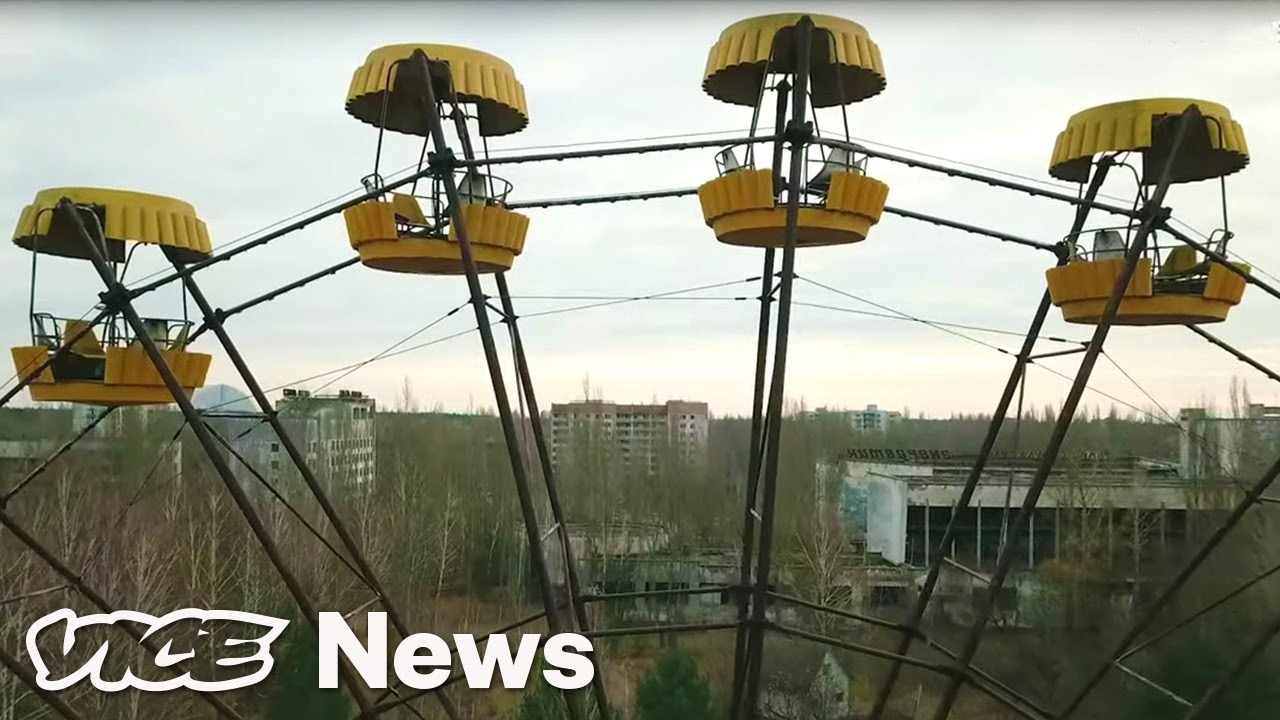
Pripyat, Ukraine, once home to 50,000 residents, remains a stark reminder of the Chernobyl disaster, showcasing ongoing cleanup efforts and its long-term implications.
Eighteen atomic blasts were witnessed by Frank Farmer while serving in the Pacific, as military personnel faced exposure to radioactive contamination.
The Molten-Salt Reactor Experiment at Oak Ridge National Laboratory went critical on June 1, 1965, marking a significant moment in nuclear history.
Vladimir Putin threatens nuclear war while just invading Ukraine, escalating global tensions.
There are 40,000 nuclear warheads in the inventories of the U.S. and the Soviet Union today, raising concerns about the potential for catastrophic climate effects.
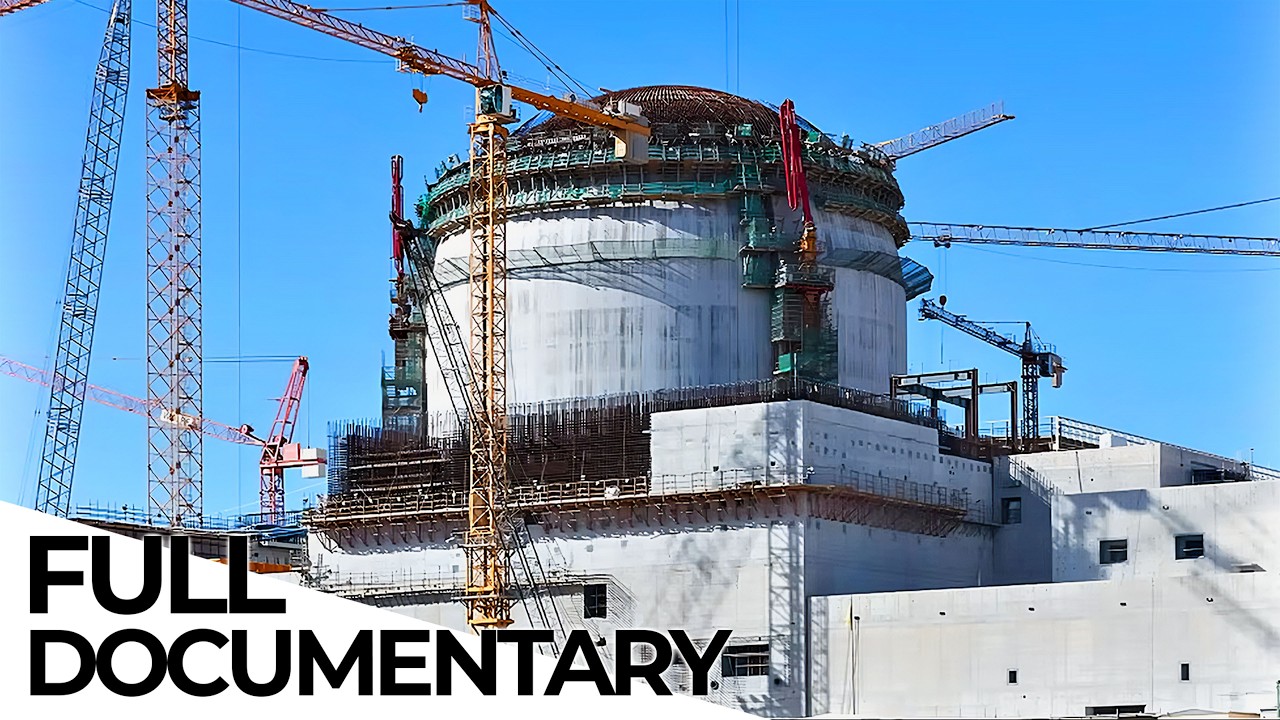
By 2050, the world is expected to double its nuclear power capacity to help meet clean electricity goals amid rising climate concerns.
Fukushima begins removing spent fuel, marking a key step in remediation efforts after the disaster.
Modern life relies on huge amounts of energy, primarily from fossil fuels, impacting climate change.