From over 100,000 films, discover the handful you'll love.
Free or premium access to the world's largest documentary library.
Topics explored in films with this theme:
14119 films(Page 58 of 295)
Seattle's tech boom has led to a flood of new workers, changing the city's identity and sparking concerns among long-time residents.
Sky News Breakfast reports on Storm Eunice and its impact across the UK on February 18th.
Sea levels are rising by up to 3.6 mm per year, threatening coastal cities and island nations with displacement and flooding.
27,000 farmers in Peru have transitioned from coca to alternative crops, earning an average of $500 a month with support from the United Nations.
In Norway, remote communities grapple with the contentious debate over wolf population management, pitting hunters against environmentalists amid rising tensions.
Competing nations and private companies race to colonize the Red Planet with bold technologies.
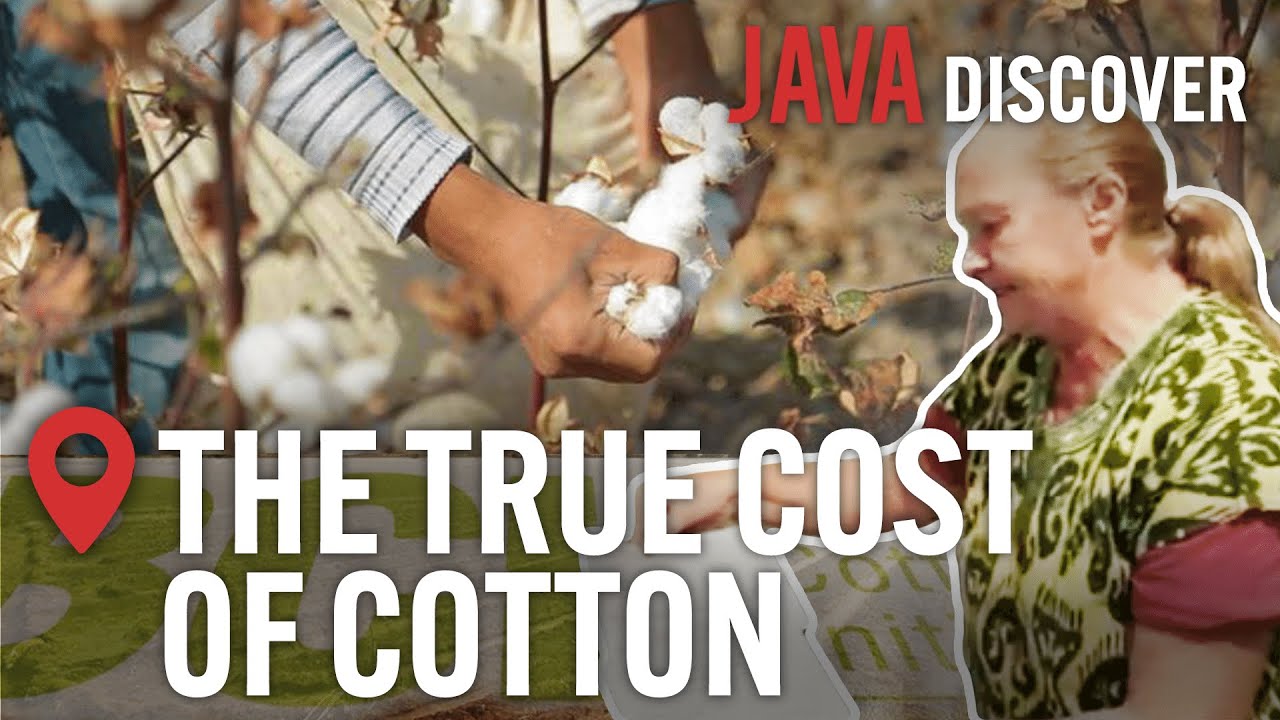
The cotton industry, generating 37 billion euros annually, faces scrutiny over allegations of forced labor, pollution, and the ethics of 'responsible' cotton production.
Captain Carola Rackete's rescue mission aboard Sea-Watch 3 highlights the challenges faced by humanitarian efforts amid Matteo Salvini's migration policies in Italy.
97% of the world's rare earth minerals are mined in China, which has significantly reduced production by about two-thirds, affecting global prices and availability.
Poland faces deep divisions over traditional values and modernization amid EU tensions.
During the length of the film, nearly 13 million plastic bottles will have been sold by the Coca-Cola group throughout the world.
Ocean grabbing highlights the privatization of marine resources, revealing how laws impact local communities and the role of the EU and US in global ocean governance.
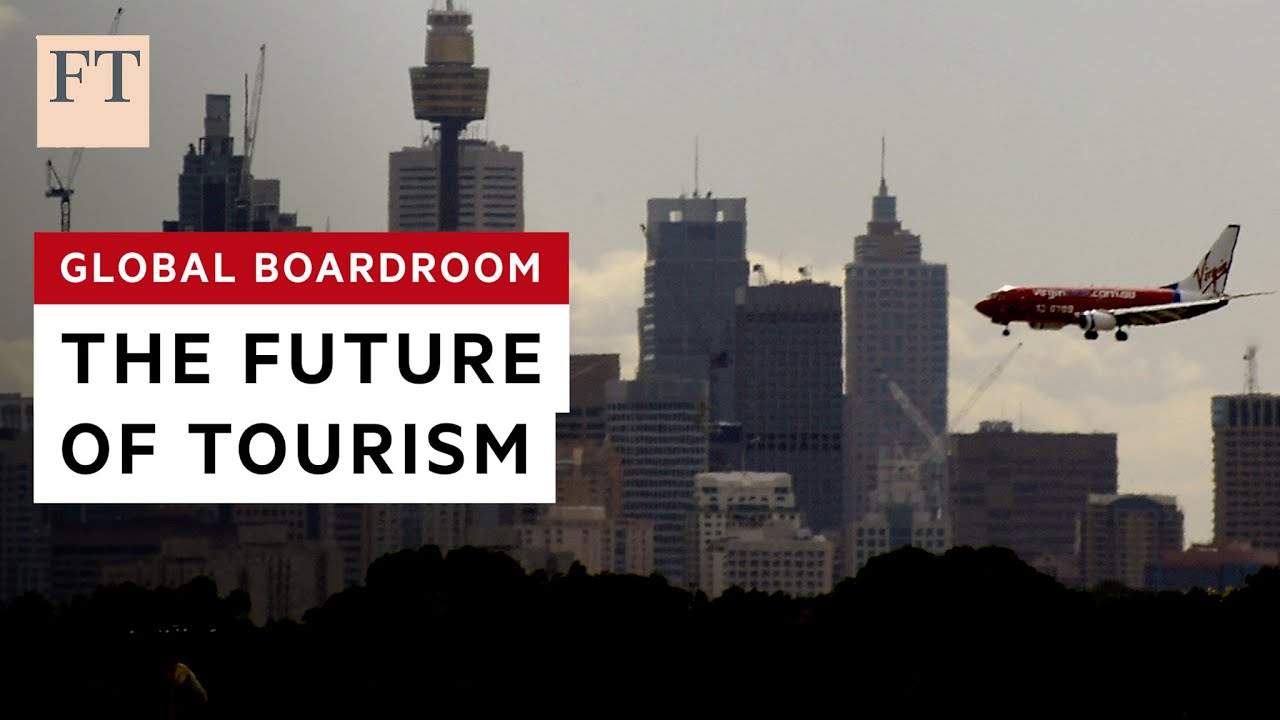
The panel discusses tourism recovery post-pandemic, focusing on Europe and insights from Jane in China.
Öland faces a crisis as moose calves die shortly after birth, prompting expert investigation.
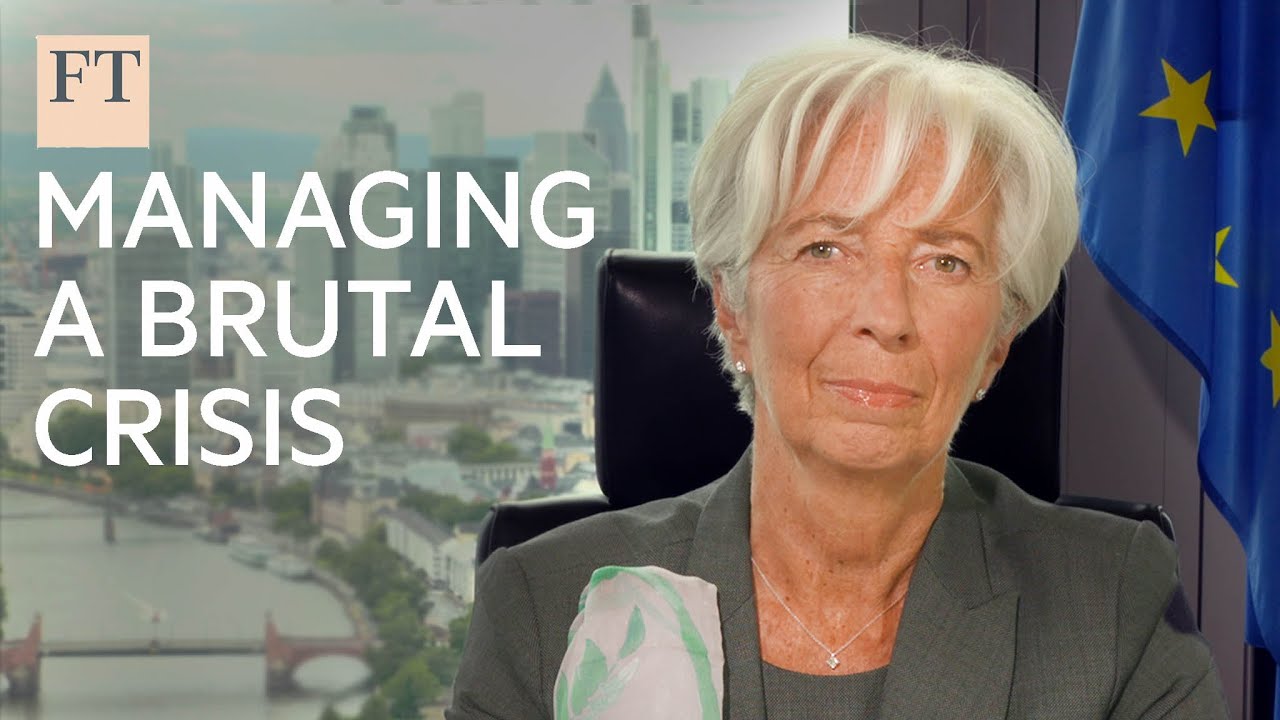
Christine Lagarde discusses the ECB's response to COVID-19 with Rula Khalaf in London.
Kinmen Islands reveal the daily struggles of residents at Taiwan's China frontline.
China's consumer electronics industry, responsible for 90% of global production, sees a worker poisoned by toxic chemicals every five hours, highlighting urgent labor reform needs.
Saudi Arabia invests billions in reforms under Prince Mohammed bin Salman, despite ongoing repression.
Global CO2 concentration reached 415 parts per million, prompting urgent discussions on the role of nuclear energy in reducing emissions and preventing climate change.
A satellite launch using the small Geo platform will take place this year, enabling telecommunications for mobile devices and large screens without subscriptions.
Iowa has the nation's fastest growing cancer rate, which some residents link to rising nitrogen levels in farm runoff contaminating local water sources.
More than 20 homes were burnt to ashes during catastrophic bushfires in Queensland, as communities oppose the proposed Carmichael Coal Mine.
After years of competition, Uber conceded defeat in Southeast Asia, transferring its assets and drivers to Grab, a startup that emerged just five years earlier.
Hundreds of boats operate nightly in Cambodian waters, where local fishermen report that illegal fishing has left them powerless and without fish.
Paris faces challenges with trash and traffic as it prepares for the 2024 Olympics.
Traffic in the skies has almost returned to pre-Covid levels this month, raising questions about the environmental impact of air travel.
2 million pigs were raised by traditional family farmers in North Carolina before being replaced by a factory system owned by a Chinese multinational corporation.
Warren Anderson evades accountability for the Bhopal gas tragedy in December 1984.
Father Marco Arana fights against the Yanacocha mine amid threats and violence.
In June 2007, conservationists reveal that most elephants in Africa are poached for their meat.
80% of the world's opium and heroin is produced in Afghanistan, with Iranian authorities battling a drug crisis that fuels addiction and violence.
A drone can create a 3D model of a scanned area accurate to within one centimeter, enhancing military intelligence and battlefield awareness.
The Las Conchas fire burned 43,000 acres in just 14 hours, marking a significant shift in fire behavior across the southwestern United States.
One of the main suppliers of reptile skins to luxury fashion houses is Indonesia, where farmers often catch snakes in deforested areas.
Baiting great white sharks, a controversial practice involving chumming to attract these predators, faces increasing scrutiny and bans due to rising shark attacks worldwide.
Smart toilets equipped with voice-activated technology and internet connectivity raise questions about privacy and the extent of surveillance in daily life.
Gaddafi's Gamble examines Gaddafi's rapprochement with the West and its impact on Libya.
RES delivers noise data to Mike Hulme in Devon after a High Court victory regarding the windfarm.
In 1999, NATO's bombing of Serbia led to the destruction of the Chinese embassy, igniting widespread protests against the United States.
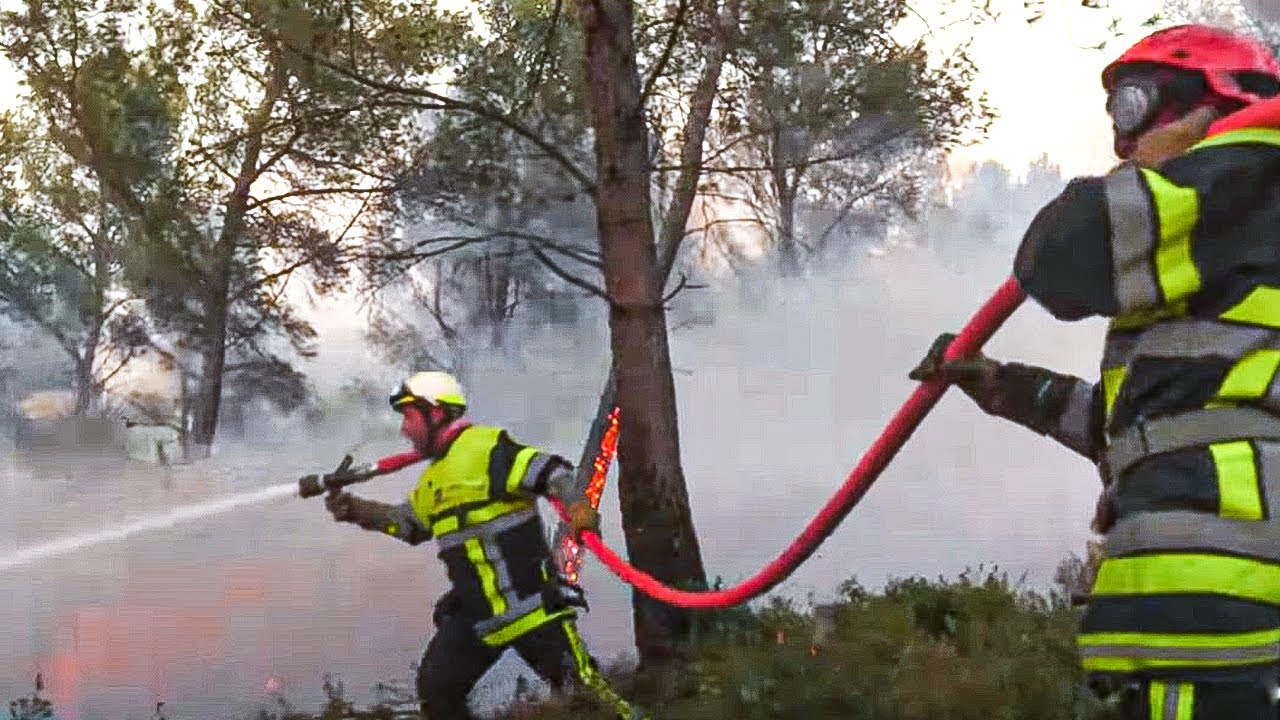
Firefighters in Bouches du Rhone prepare for August amid ongoing woodland fires and a suspected pyromaniac.
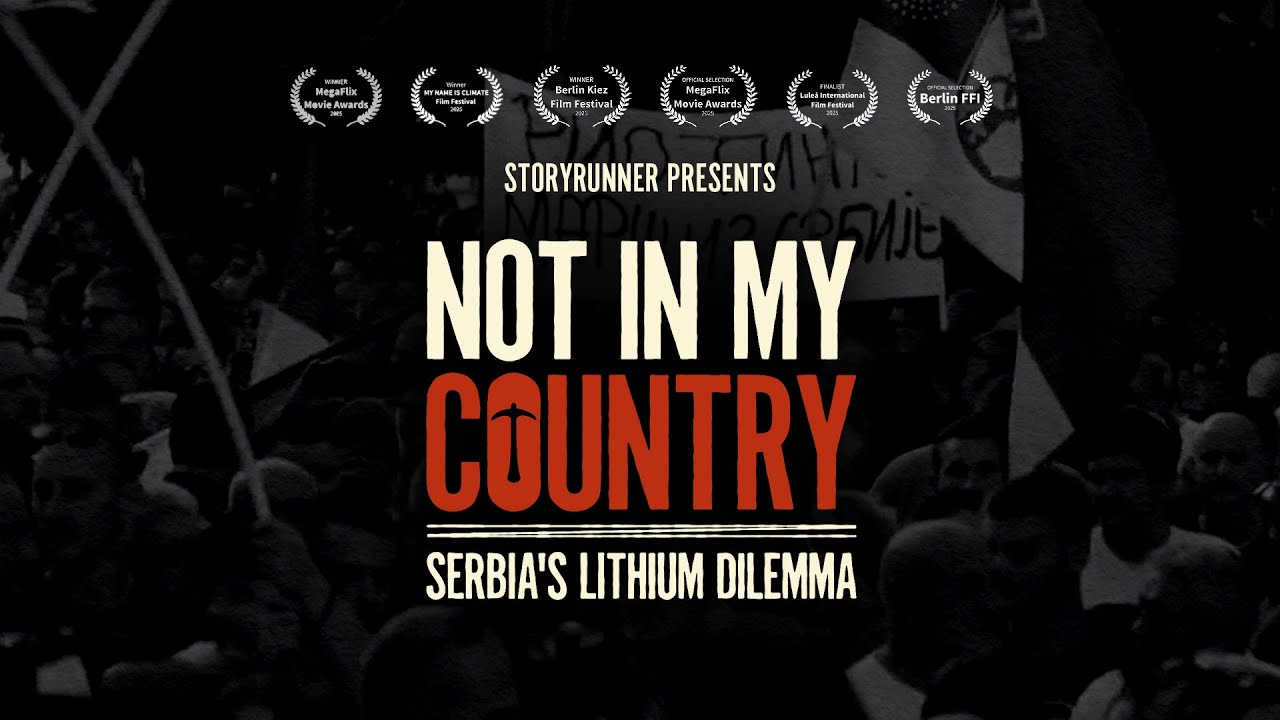
Around 25,000 people protested in Belgrade in August 2024 against the reopening of a lithium mine in Serbia's Jadar Valley by Rio Tinto.
Governments worldwide are adapting to modern challenges by changing service delivery models, as discussed by experts like Jonathan Reenal and Tim Unwin.
Mike Hulme fights for noise data from Rachel's company regarding a wind farm's impact.
The Volkswagen emissions scandal exposed how major German car manufacturers misled consumers and regulators for over a decade, impacting nearly 20 million vehicles worldwide.
Andalusia faces an unprecedented drought, impacting agriculture and water resources.
Rachel Ruffle appeals a local authority's denial of the Den Brook Windfarm in Devon.
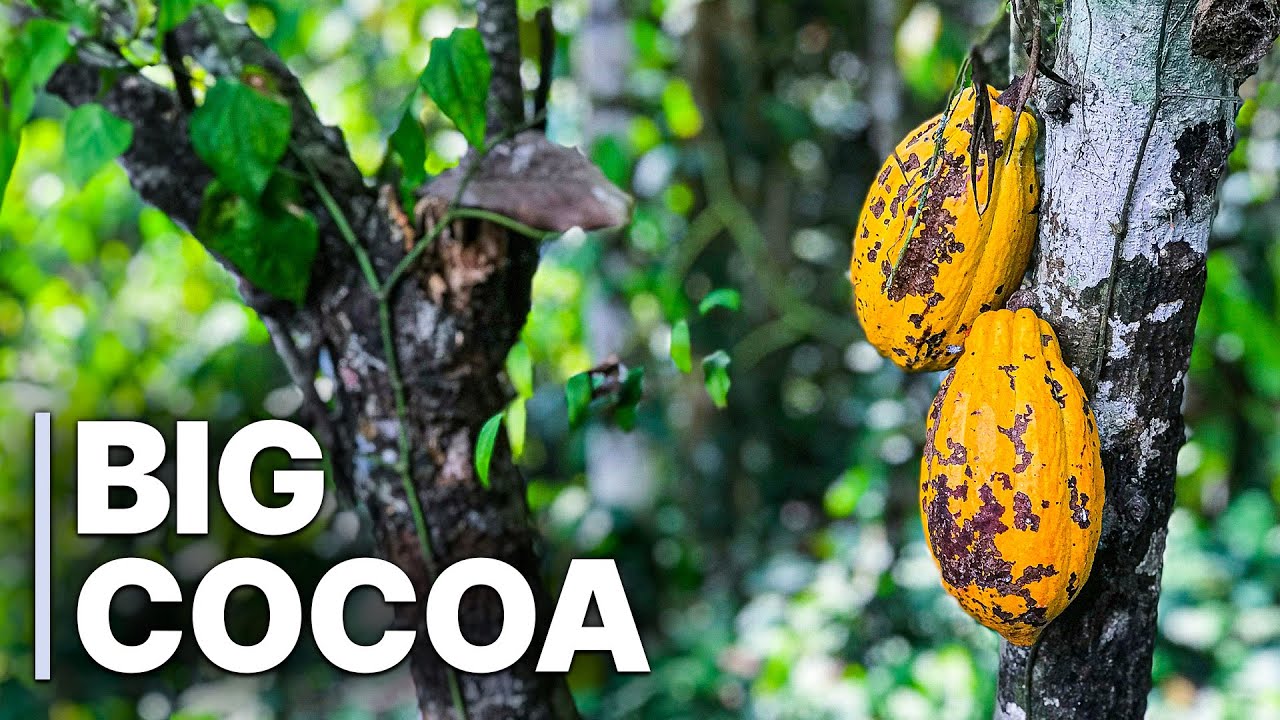
Approximately 5 million farmers produce cocoa beans in West Africa, yet they receive only 5 to 7% of the retail value of chocolate bars.
Fourteen lions undergo sedation for testing as keepers at Longleat Safari Park respond to the threat of bovine tuberculosis spreading among animals.