From over 100,000 films, discover the handful you'll love.
Free or premium access to the world's largest documentary library.
Topics explored in films with this theme:
14116 films(Page 127 of 295)
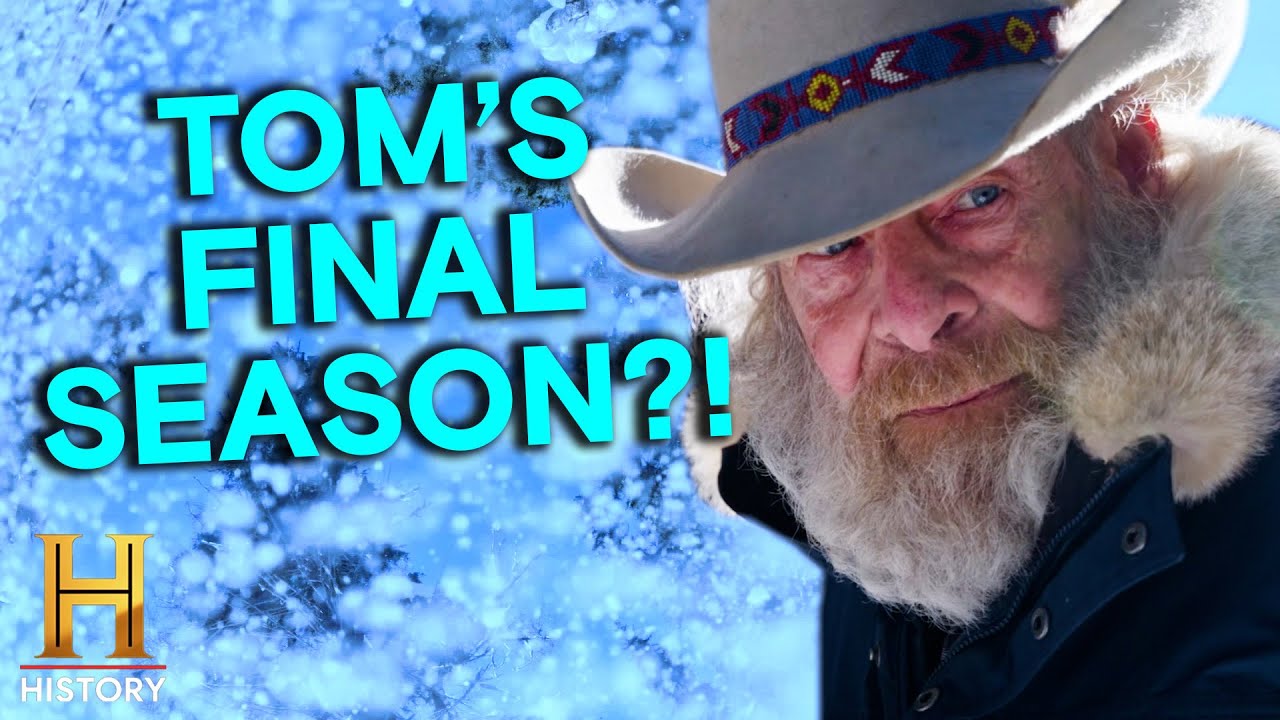
Tom Oar, nearing 82, catches only $20 worth of fur after a long day on his 10-mile trapline, prompting thoughts of retirement from trapping.
Bob Clay has spent nearly 50 years thinking about steelhead, a passion that began in 1977 when he first met his friend Tom Derry.
The surface area of Tonlé Sap Lake increases five-fold during the monsoon season, flooding 15,000 square kilometers and transforming the local ecosystem.
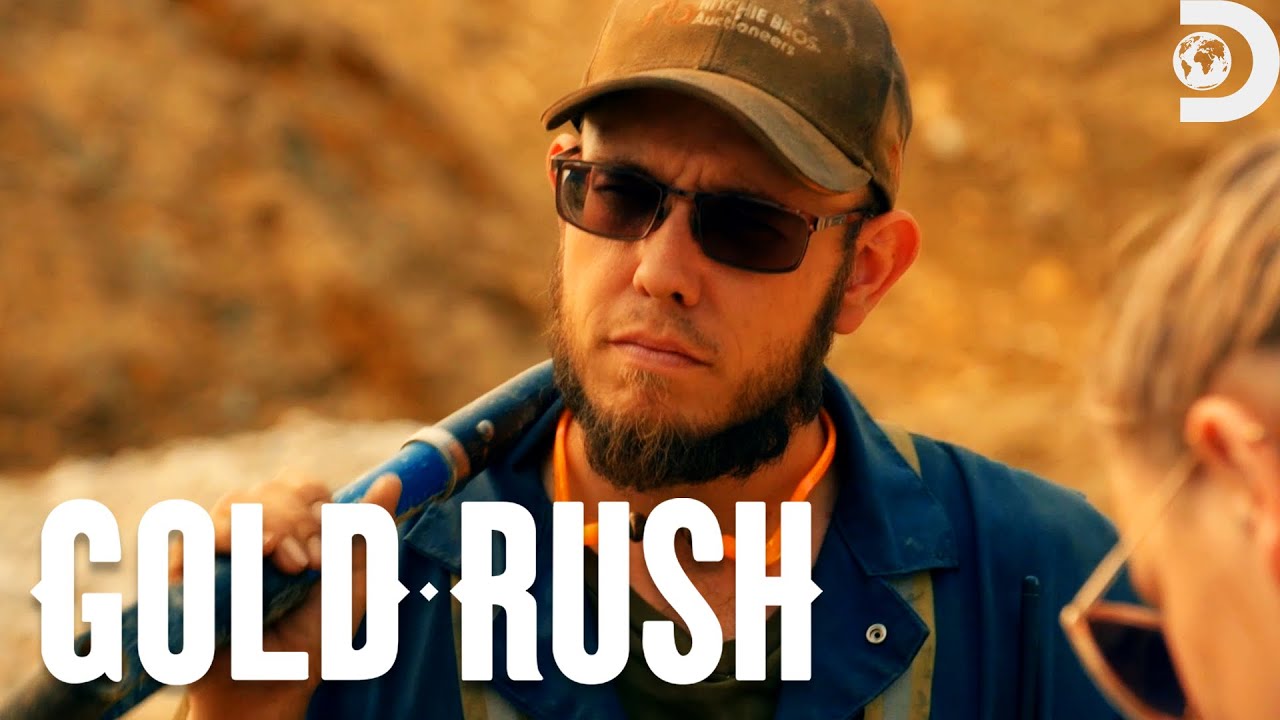
Tony and his crew pause their gold mining operation in America after finding jaw bones, prompting an assessment by a team of paleontologists.
Elon Musk's role in Tesla's early days is examined alongside the company's challenges and innovative strategies that led to its status as the world's most valuable carmaker.
In December 1980, Betty Cash, Vickie Landrum, and her grandson Colby encounter a diamond-shaped craft in Dayton, Texas, leading to health issues and unanswered questions.
Alexander von Humboldt's exploration of Palenque, Colombia, reveals his observations on natural science and the inhumane treatment of slave laborers.
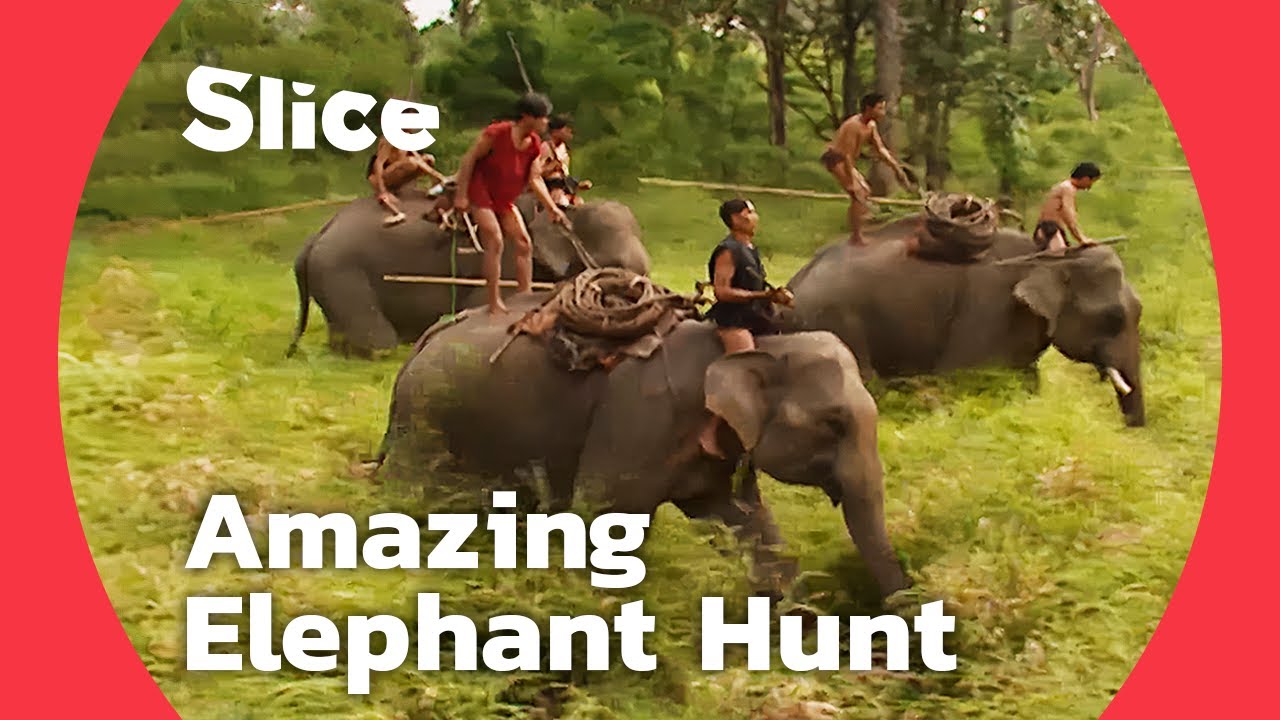
Issan, Mavé, and Majung track a young wild elephant near the Cambodian border.
Children learn Morin Khuur and traditional cuisine from horse herders in Mongolia.
Torres del Paine National Park in Chilean Patagonia features dramatic granite peaks, diverse ecosystems, and rich biodiversity, attracting nature enthusiasts worldwide.
A 10-ton stone gate known as the Gateway of the Sun stands among the ancient ruins of the Tiwanaku civilization in Bolivia.
A raft made from 800 plastic bottles carries six friends 2,300 miles down the Mississippi River, one of the most polluted rivers in the world.
This Spanish video discusses how Our Homo ancestors' diet change led to totemic animals.
This Spanish video discusses how Our Homo ancestors' diet change influenced totem animals.
A brush turkey can build a nest weighing as much as 4 tons to incubate its eggs using the heat generated from decomposing leaves.
The Tarahumara Indians, known for their long-distance running, often race distances of 1 to 200 kilometers, supported by their community during the events.
A 64-year-old driver takes between 6 to 8 hours to navigate a 45-kilometer road, relying on an aging truck to connect remote villages.
A therapist reflects on how hiking helps clear the mind and fosters a deeper connection to nature during trips with friends invested in ecology.
The brothers travel 1,200 kilometers across the Alps to Croatia, searching junkyards for vintage cars to restore for an upcoming car show.
A giant tortoise can lay hundreds of eggs, which are carefully harvested by fishermen to ensure future populations.
Jack and Laura Dangermond donate $165 million to preserve California's coastline.
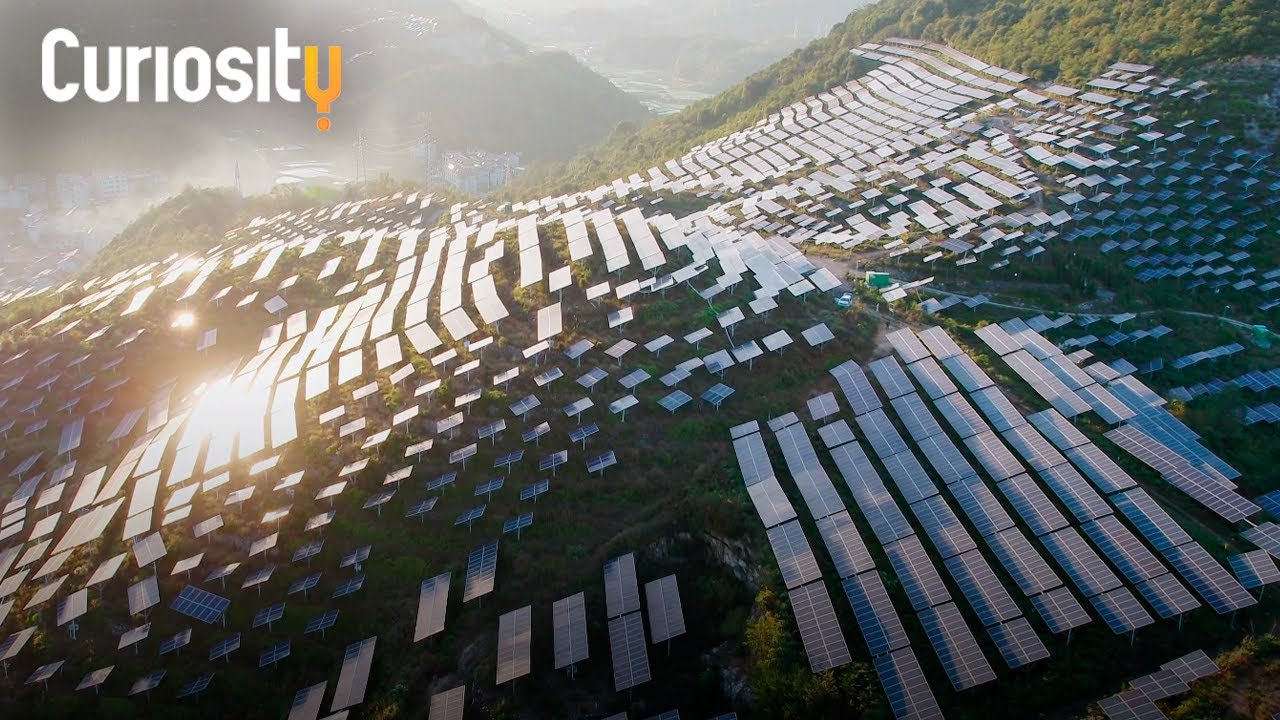
Gravity batteries offer innovative solutions for storing excess renewable energy, ensuring a reliable power supply during low solar and wind conditions.
Only 2.7% of old-growth trees remain in British Columbia, prompting two-spirit activists to join the fight for land protection at Fairy Creek.
The Spanish video showcases the Zulu Nation and Hluluwe-Umfolozi National Park in Zululand.
Hluluwe-Umfolozi National Park in South Africa showcases the Zulu Nation's cultural evolution and the decline of traditional polygamy amid modern influences.
About 200 elephants now inhabit Abdon National Park, which spans 12,000 hectares and was established to prevent their extinction in the early 20th century.
In 1819, only 50 southern white rhinos remained in the world, but their population has since grown to about 7,000, with 1,600 in Hluluwe-Umfolozi National Park.
In the Bering Sea, crab fishermen collaborate with dolphins to navigate treacherous conditions while competing for lucrative catches during a modern-day gold rush.
Annual grain crops account for 70% of global calories and contribute to soil degradation, prompting a call for regenerative agriculture practices.
Blind Frog Ranch serves as the backdrop for Josh and Chad's exploration of underwater caves and a mysterious metal cylinder, while Duane Ollinger pursues hidden treasure.
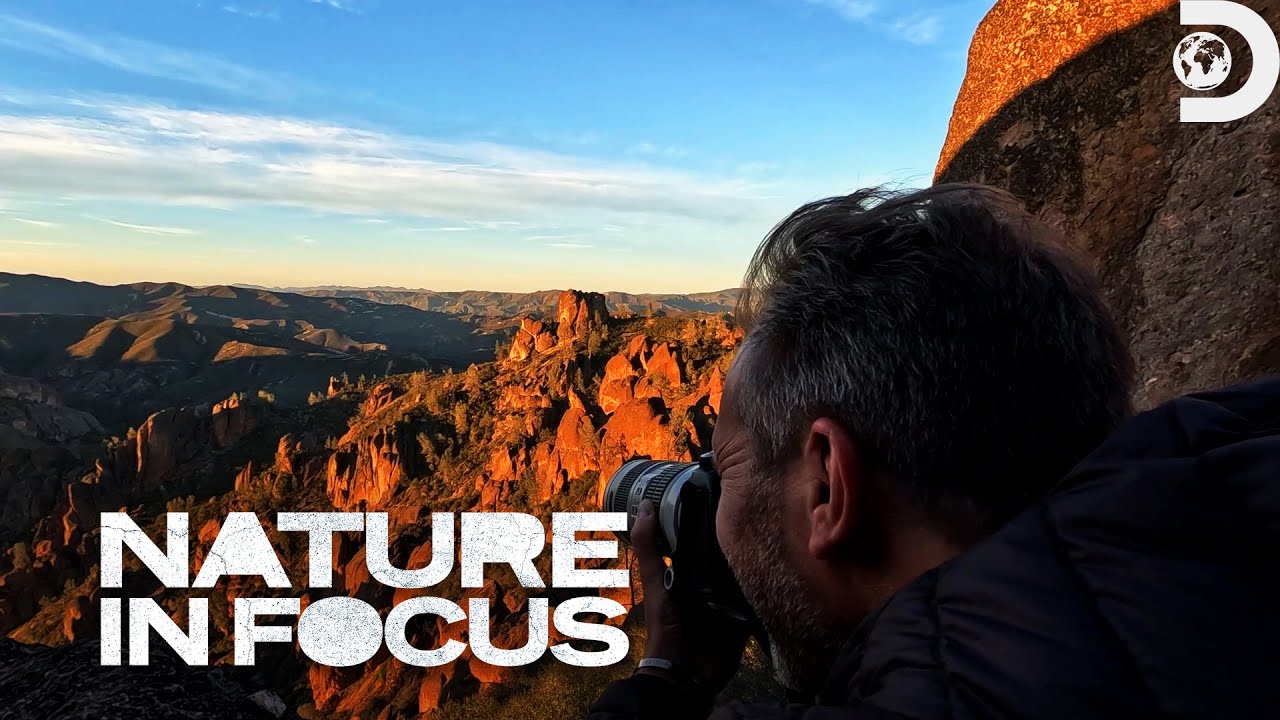
Ian Shive highlights Pinnacles National Park and its rare bird species this Earth Month.
Over 20 prehistoric artifacts were discovered during the excavation for President Gerald Ford's swimming pool on the White House South Lawn.
The Kumbhalgarh Wall in Rajasthan stretches 22 miles and is the second longest continuous wall in the world, featuring seven gateways and ancient temples.
Lieutenant Ryan Graves recounts his experiences as a Navy pilot encountering unidentified flying objects during training exercises off the East Coast in 2014.
NASA's TRMM satellite can look inside hurricanes in three dimensions, revealing rainfall rates and energy dynamics crucial for forecasting.
A 2,300-year-old Scythian tomb in Mongolia is at risk of disappearing due to climate change, prompting an urgent archaeological expedition to study it.
21 breweries operate in Boise, where local brewers compete for top awards at events like the World Beer Cup in Nashville, Tennessee.
Dani Clode invents an extra thumb to enhance human capabilities at the University of Cambridge.
The Uros people live on man-made islands in Lake Titicaca, crafted from Totora reeds.
Tony Justice, a truck driver for over 30 years, has produced five albums, with his song Last of the Cowboys receiving over 6 million downloads.
Pamela Paquin uses roadkill to create chic fur accessories, redefining fashion norms.
Plans to merge two glacier ski resorts would destroy glaciers over an area equivalent to 116 soccer fields, threatening high alpine wilderness.
Two participants consume magic mushrooms before debating the merits of veganism versus meat-eating in a 10-minute discussion.
150 activists gather at Billingsgate fish market to protest against the meat and fish industries, calling for animal rights and climate justice.
Venice, built on water a thousand years ago, faces danger from mass tourism and rising waves.
Watch how engineers develop probes to explore Venus' extreme conditions and gather data.
Venus has a surface temperature hot enough to melt lead, illustrating the extreme consequences of a runaway greenhouse effect.