From over 100,000 films, discover the handful you'll love.
Free or premium access to the world's largest documentary library.
Topics explored in films with this theme:
14119 films(Page 57 of 295)
During a storm surge, rubble on the Holik islands shifted by 2 meters, raising concerns about the future of the community amid rising sea levels.
More than a million Ethiopians have lost their livelihoods as their land was taken for foreign investors, while food exports have steadily increased.
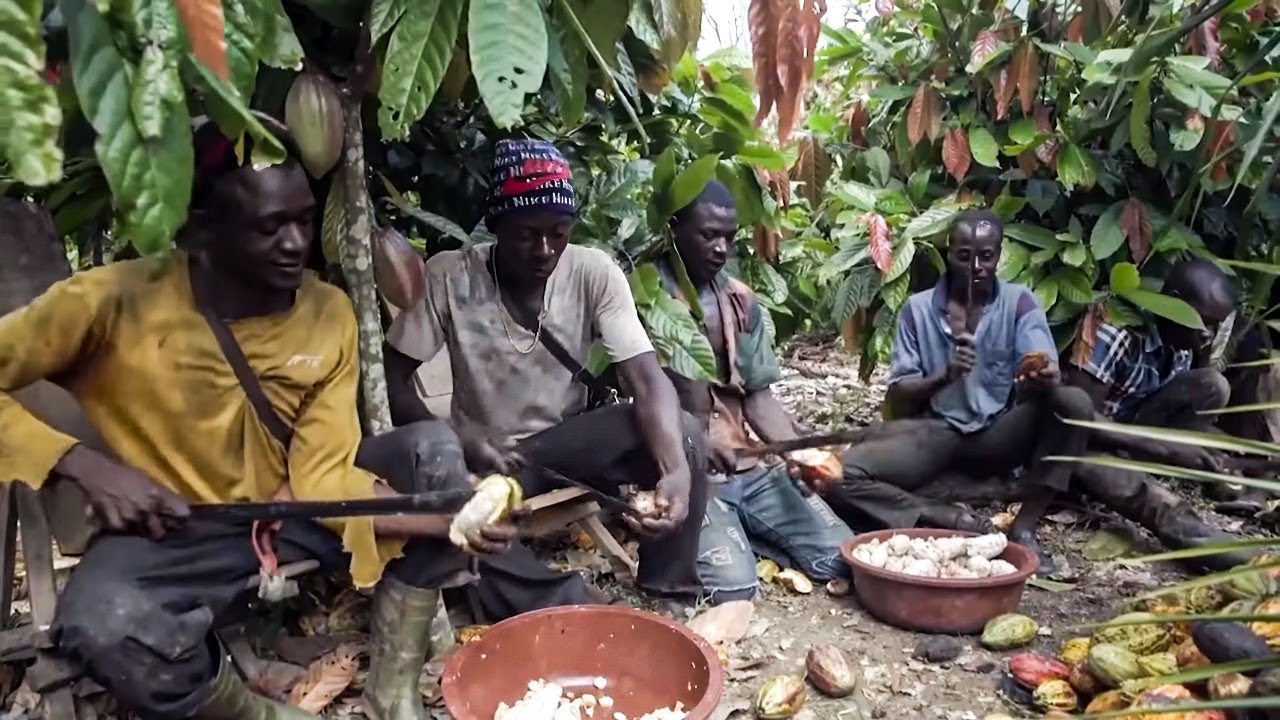
In 2019, Ivory Coast and Ghana suspended cocoa sales to chocolate companies, demanding a 30% increase in payments to farmers for the first time.
The Better Cotton Initiative aims to promote ethical cotton production, yet the mixing of 'ethical' and conventional cotton raises concerns about sourcing transparency.
Colombia exported 27% more emeralds in 2016 than in 2015, with 60% of those stones going to the United States amid a growing black market.
More than 1,100 homes have been destroyed in the worst wildfires to hit the country in a decade, prompting urgent calls for climate action.
Children in Ethiopia risk their lives daily to reach school in extreme heat and terrain.
Child labor, hazardous working conditions, and environmental degradation in smartphone production are highlighted through the practices of companies like Samsung and Huawei.
13 years of corporate misconduct at Olympus led to a major scandal that reshaped the company's reputation and business practices.
Patients with chronic conditions are often charged between $50,000 and $150,000 for unproven stem cell treatments that lack scientific validation.
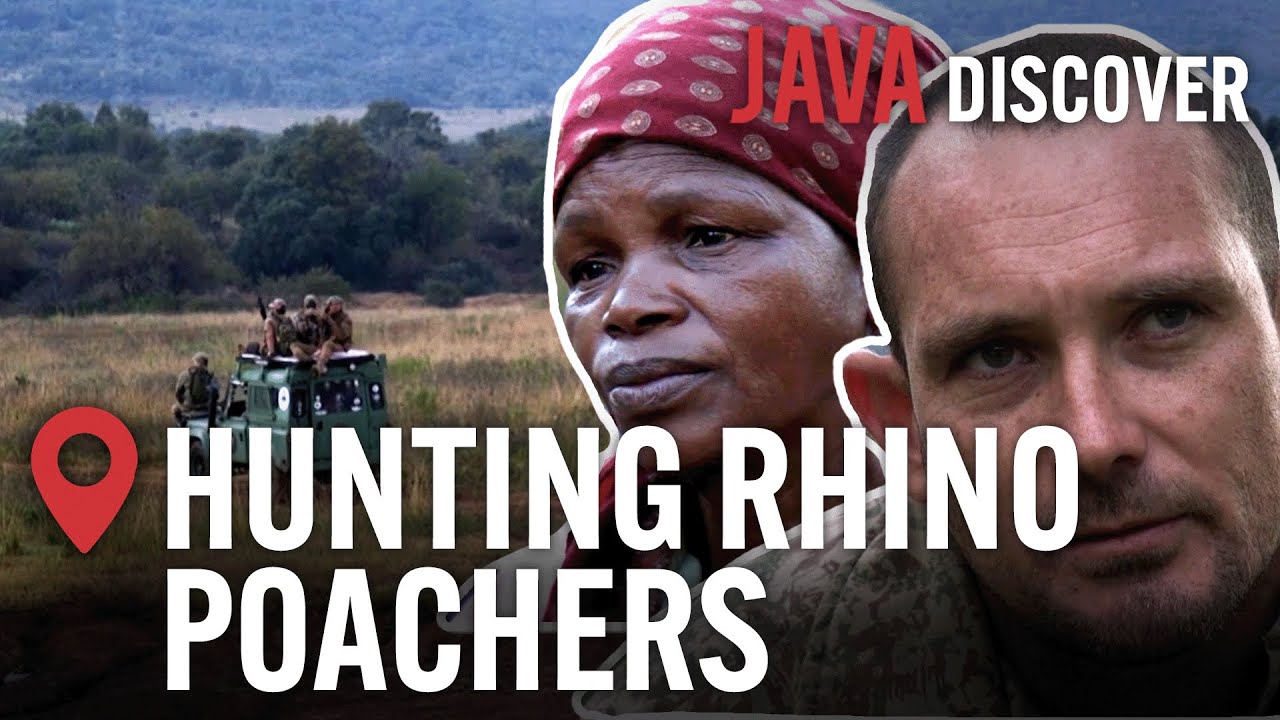
Four rhinos die daily in South Africa due to poaching and mafia networks targeting them.
In Italy, the camorra's illegal toxic waste trafficking has led to severe environmental damage and increased child cancer rates in affected regions.
Mangroves in Brazil's tropical coasts face threats from the shrimp industry today.
A family spent 36 hours sheltering on a fishing boat as bushfires ravaged Mallacoota, forcing many to evacuate their homes by air.
China's ambitions in the Arctic rise as global warming opens new opportunities.
More than 87,000 fires were recorded in the Amazon in the first eight months of 2019, a 76% increase from the previous year.
97% of the world's supply of rare earths is mined in China, which has become the dominant player in this critical market for modern technology.
Krishnan Guru-Murthy reveals Peru's animal smugglers and Venezuela's drug crisis in this documentary.
Air pollution in Ulaanbaatar, Mongolia, often reaches levels close to 900 PM 2.5, more than 35 times the World Health Organization's safe limit.
Johannesburg faces severe pollution from uranium waste near residential areas, as shown by Martin Boudot.
One million people are forced into cotton fields each year in Uzbekistan, where the industry is tightly controlled by the state.
China represents 80% of the economic espionage cases charged by the US Department of Justice since the statute's inception in the 1990s.
Dispatches reveals organized crime in Britain, highlighting unsolved neighborhood crimes.
Four rhinos die daily in South Africa due to poaching and mafia networks targeting wildlife.
Sky News Breakfast covers the shelling of Ukraine's biggest nuclear power plant amid the conflict.
Nearly 600,000 square meters of asbestos waste sit in the largest asbestos dump in India, posing ongoing health risks to workers and residents.
In London, the stabbing death of a teenager highlights the grim realities faced by crime scene cleaners dealing with the aftermath of urban violence.
The Colombian Army fights illegal gold mining to protect biodiversity and restore order.
Tourism in Tunisia collapsed by 80 percent following a terrorist attack on June 25, 2015, leading to widespread job losses and economic hardship.
Big Pharma's control over the global pharmaceutical market, influenced by the WTO's TRIPS Agreements, raises significant ethical concerns regarding health access and affordability.
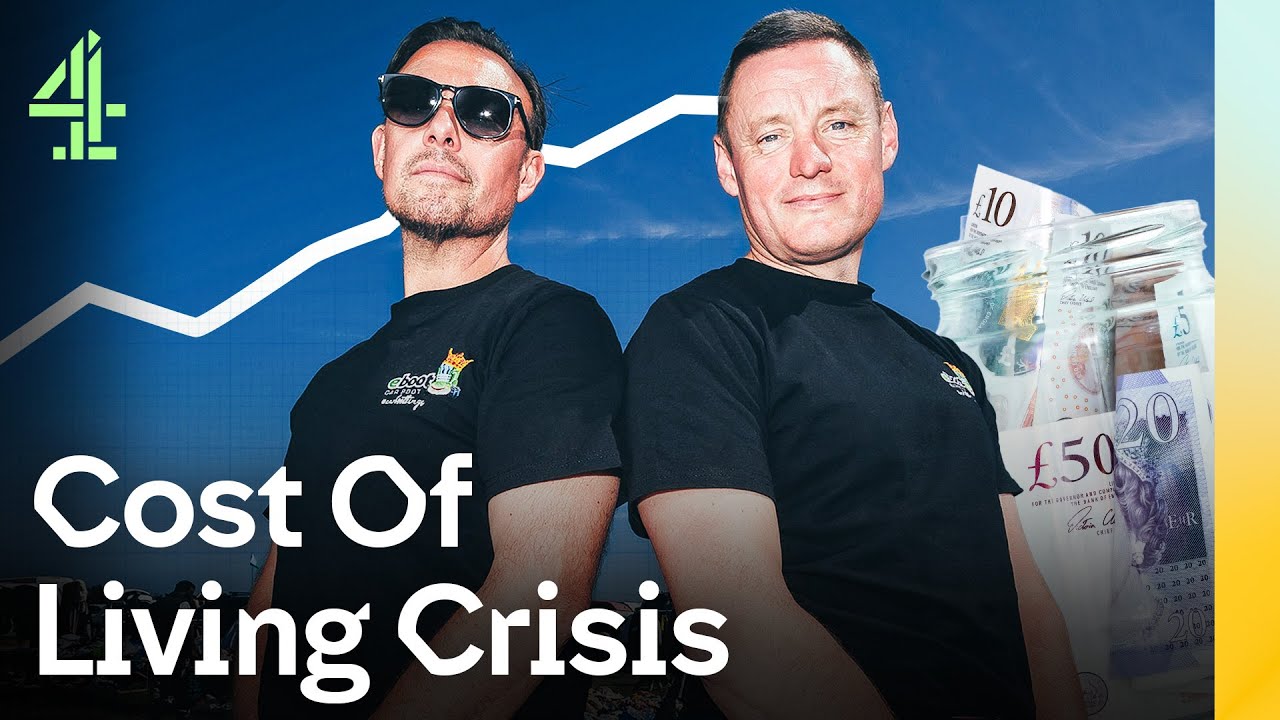
3,000 cars can fit into one of Britain's largest car boot sales, where sellers and buyers seek bargains amid the cost of living crisis.
La Palma's inconspicuous hill erupts, prompting urgent evacuations of seven thousand residents.
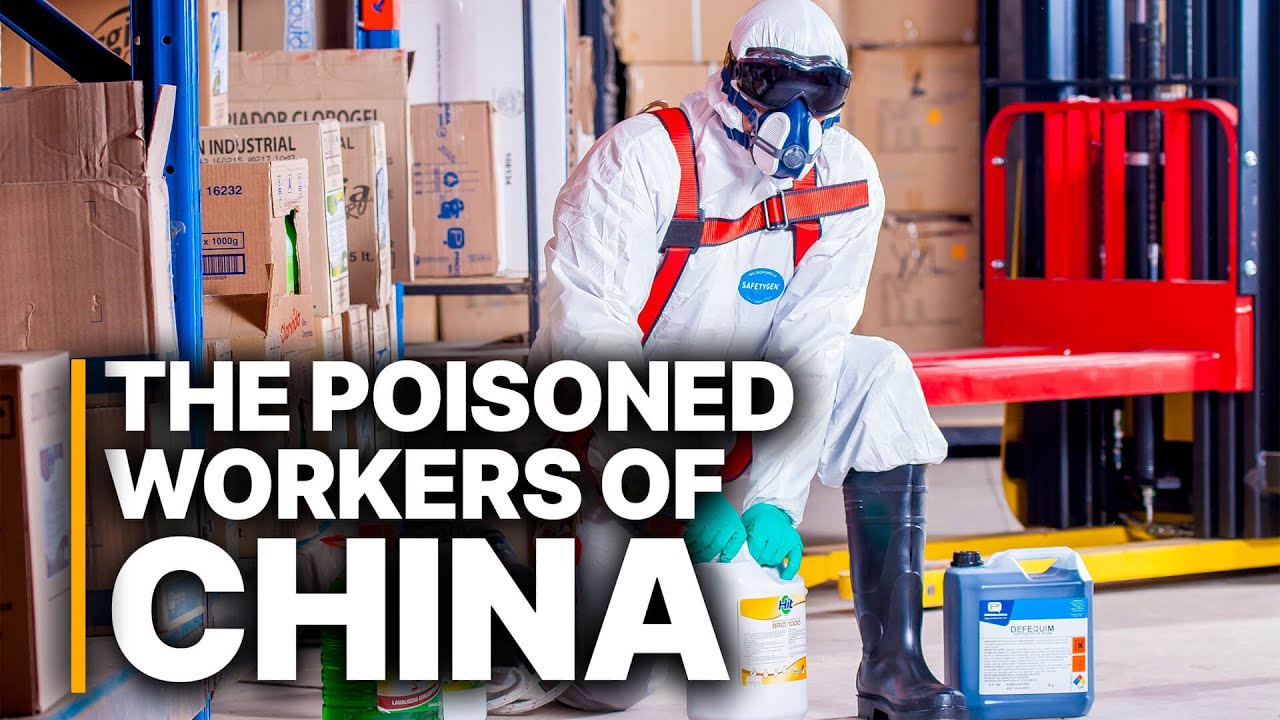
In China's electronics industry, a worker is poisoned by toxic chemicals every five hours, highlighting the severe human cost of global consumer electronics production.
On July 29, 2014, Australian farmer Ian Turnbull shot state environment officer Glen Turner while he investigated illegal land clearing, highlighting the violent defense of land ownership in Australia.
Malaika Vaz goes undercover in 2018, posing as a fish trader to investigate the illegal manta ray black market across India, China, and Nepal.
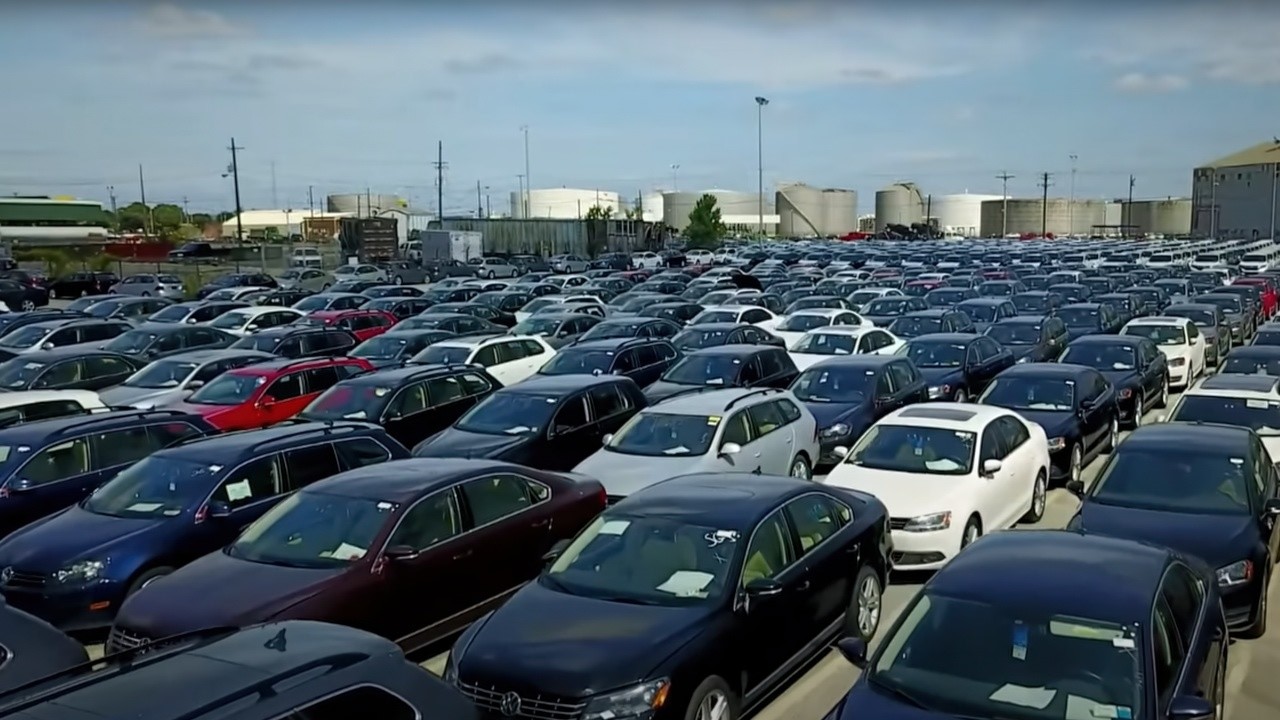
11 million cars were implicated in Dieselgate, revealing that Volkswagen and other manufacturers manipulated emissions tests to meet regulations.
The body count of dead elephants in Kerala reaches 12, raising concerns among authorities and wildlife experts about a possible serial killer.
Cannabis is now permitted in New York and Morocco, impacting families like Mohamed's in Ketama.
5.6 million people will die from obesity worldwide in the next two years, as junk food marketing tactics target developing countries with fewer regulations.
Niger's Areva mine produces uranium, endangering Arlit's residents and wildlife.
One million people are forced into cotton fields each year in Uzbekistan, where they face harsh quotas and potential punishment for not meeting targets.
Many pilots report health issues from toxic cabin air due to engine oil leaks on planes.
More than 70 people were injured and at least four fatalities reported as tornadoes devastated Little Rock, Arkansas, on March 31, 2023.
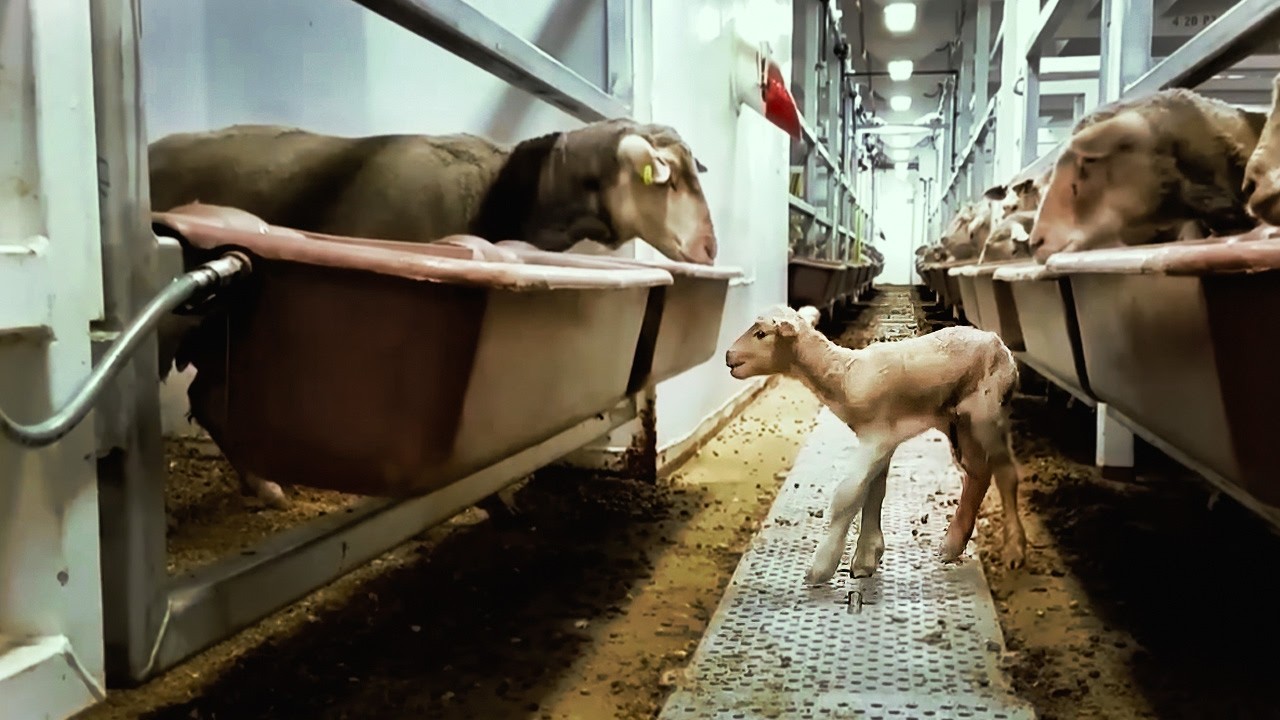
More than two million sheep have died over the past 30 years during transport from Australia to distant slaughterhouses.
A climate activist and a coal worker debate Germany's approach to climate change issues.
A missile destroyer cost the US Navy 4 billion dollars per unit, raising questions about the financial impact of advanced military technology.
98% of intelligence reports indicate that climate change significantly increases the risk of conflict and instability in various regions worldwide.
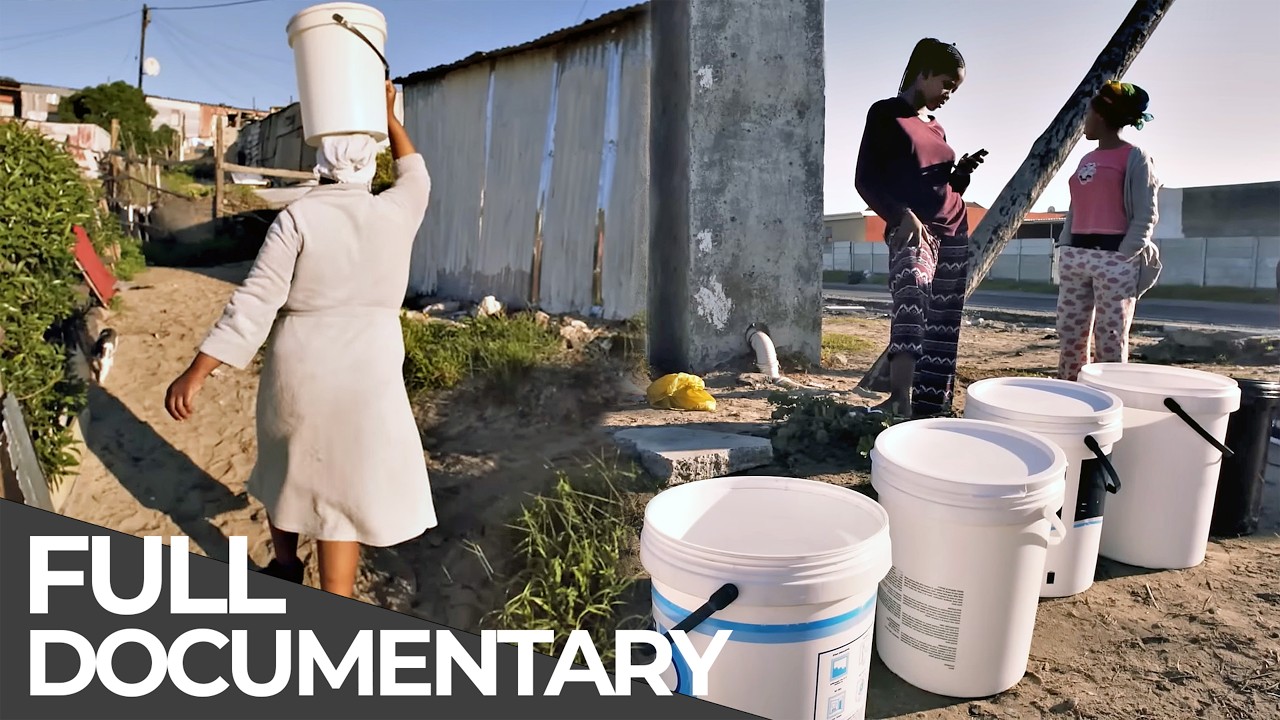
Residents in Cape Town queue for hours to collect 50 liters of water, as a severe water shortage has persisted for two years in the Western Cape.