From over 100,000 films, discover the handful you'll love.
Free or premium access to the world's largest documentary library.
Topics explored in films with this theme:
14123 films(Page 3 of 295)
Bhutan is the first carbon negative country in the world, with over 70% of its land covered in forest.
Twelve male cormorants catch eight to ten pounds of fish each day for Zhong Man, a fisherman in China who trains them for this traditional practice.
In just 30 years, the coral wall built by a family in Kiribati may no longer protect their home from rising sea levels and flooding.
One million North Koreans are believed to have died of starvation in the late 1990s, as the country struggles with ongoing food shortages.
A taxi driver spends 48 hours traveling just 60 kilometers through Myanmar's challenging terrain to deliver passengers and goods.
57 people died during the February 5, 2008 tornado outbreak, which caused over half a billion dollars in damage across several states.
Bees and butterflies play an important role in pollination and crop production for consumption.
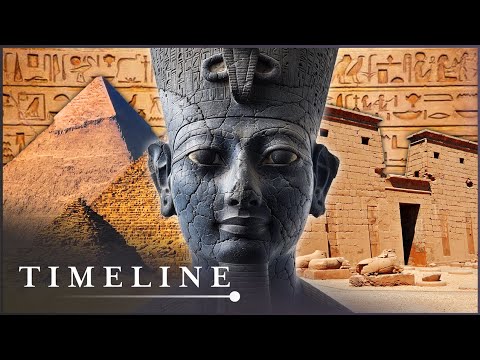
Over 4,500 years ago, the Great Pyramid of Giza was built for King Khufu, marking the beginning of ancient Egyptian civilization.
A 5,000-year-old bristlecone pine in California has survived extreme climate changes and harsh conditions, providing insights into ancient ecosystems.
Chris Packham, diagnosed with Asperger's in his forties, reflects on his life and the challenges of social interactions while questioning the desire for a cure.
Over 400 tornadoes threaten Tornado Alley each year, prompting scientists to study their destructive potential and improve preparedness for future disasters.
Georgia has cultivated grapes for 7,000 years, making it a key region in the history of wine culture and home to over 500 grape varieties.
In Yellowstone National Park, wildlife filmmakers Oliver Goetzl and Ivo Nörenberg capture emotional moments, including a bison mother saving her calf from a wolf.
In the Alutaguse region of Estonia, over 350 brown bears inhabit primeval forests, while Soomaa National Park transforms into a vast lake each spring.
Dow Chemical experimented on inmates at Holmesburg Prison with dioxin, a carcinogenic substance linked to severe health issues and corporate secrecy.
President George W. Bush urged Americans to go shopping after 9/11, reflecting the deep-seated consumerism that drives human behavior.
7 million people live in Hanoi, where President Barack Obama shares a meal of bun cha with chef Anthony Bourdain, marking a moment of cultural exchange.
The series profiles the unique ecosystem of Everglades National Park, which protects the southern twenty percent of Florida's original Everglades.
A scientist named Edmund Schulman discovered Methuselah in 1957, counting over 4,600 rings that represent its years of life.
2000 miles is the distance barnacle geese travel each winter to reach a Scottish river, guided by quantum mechanics in their navigation.
Bat moves his tent more than ten times a year to ensure his reindeer have enough food in the harsh climate of Mongolia's Saïan Mountains.
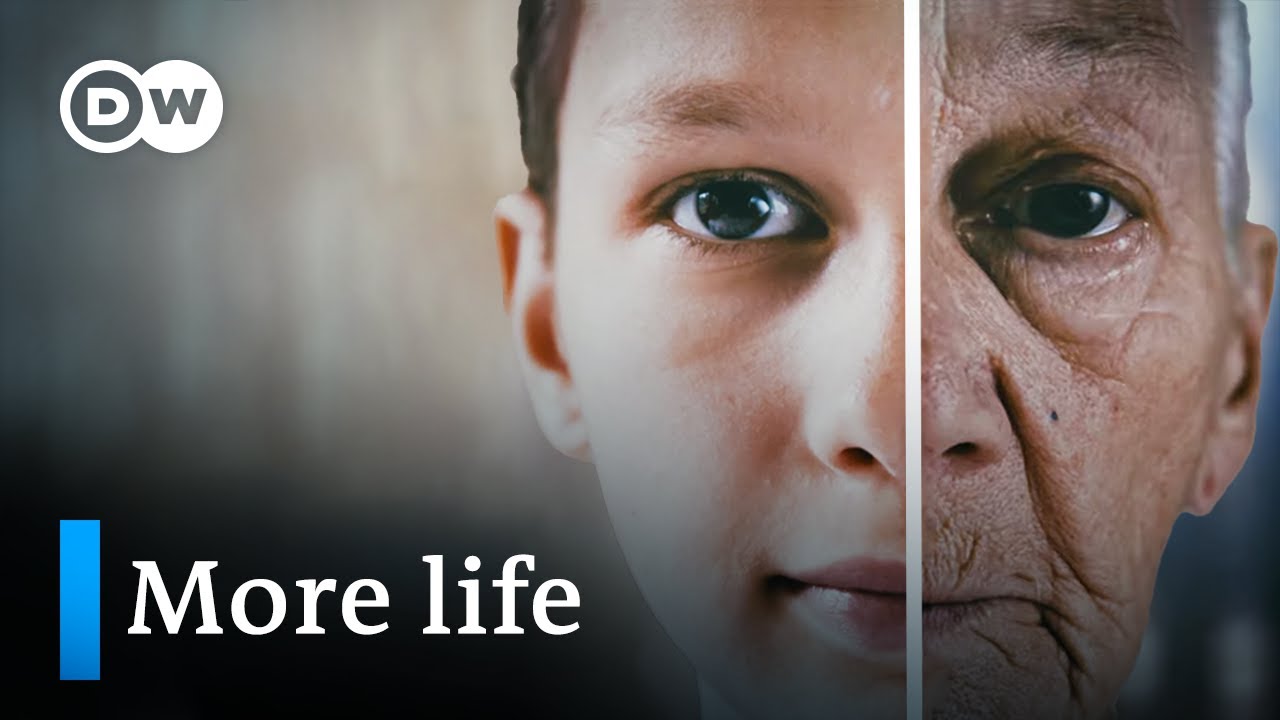
One in six women and one in ten men develop dementia after age 65, prompting researchers to seek ways to combat age-related diseases.
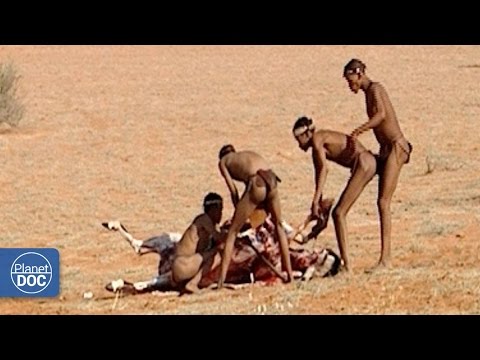
This Spanish documentary showcases hunters and their methods of obtaining energy for survival.
Australia has been the biggest coal exporter in the world for a long time, second only to Indonesia.
Forest elephants drink 100 liters of water daily as they navigate the challenges of the dry season in Gabon's Luongo National Park.
5,500 cubic miles of fresh water are stored in the Great Lakes, which are vital for drinking water and local ecosystems across North America.
Lord Howe Island, located in the Tasman Sea, is an evolutionary laboratory showcasing unique flora and fauna found nowhere else on Earth.
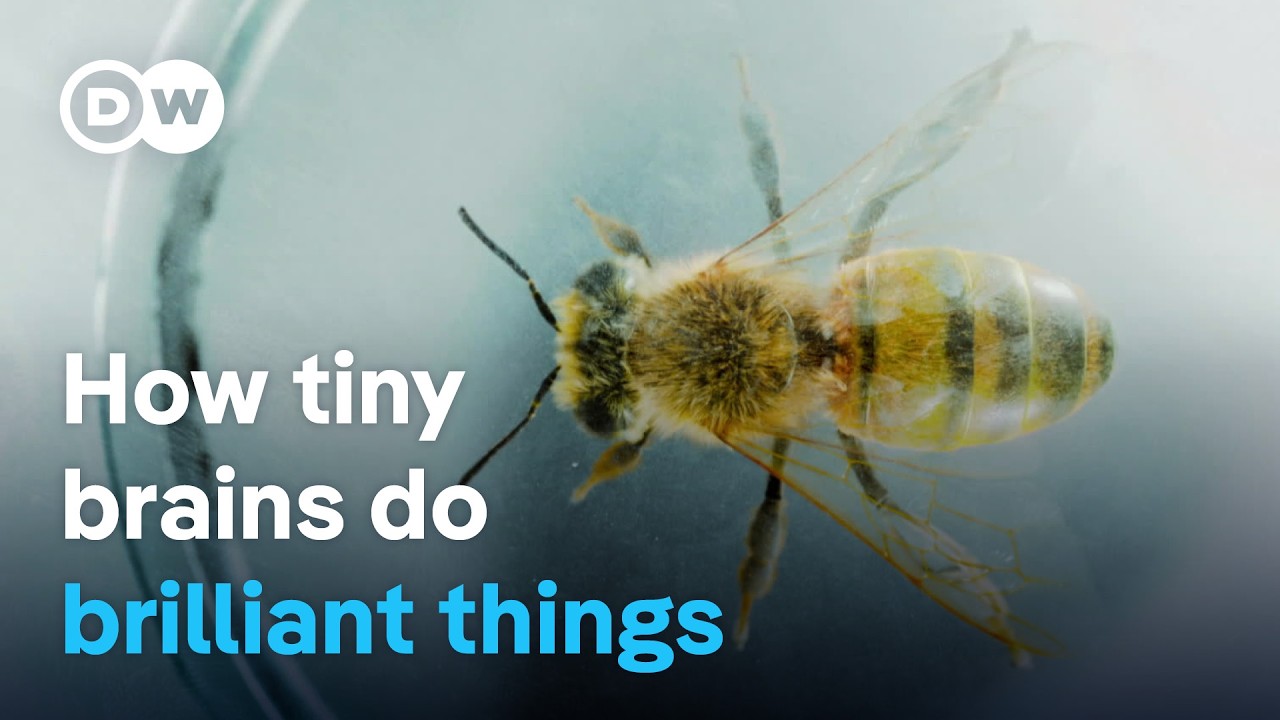
Six bumblebees learn to pull a thread to access sugar water in an experiment, demonstrating their ability to solve new tasks for rewards.
90 square kilometers of forest are lost worldwide every day, threatening the balance of ecosystems across various climates.
Fast radio bursts, detected 500 million light years away, provide insight into the universe's mysteries and the conditions on Earth during its early history.
Switzerland, known as Europe's water tower, is explored through its alpine landscapes, glaciers, and the sources of major rivers like the Rhine and Rhône.
Around 300 years ago, humans developed machines capable of processing extraordinary amounts of energy to perform previously unimaginable tasks.
A 46-year-old truck struggles to transport bricks in Manunga as rising waters from the Zambezi River complicate daily life during the rainy season.
The 2019 documentary profiles the impact of biotechnology on medicine, agriculture, and cleaning products through innovative technologies and natural processes.
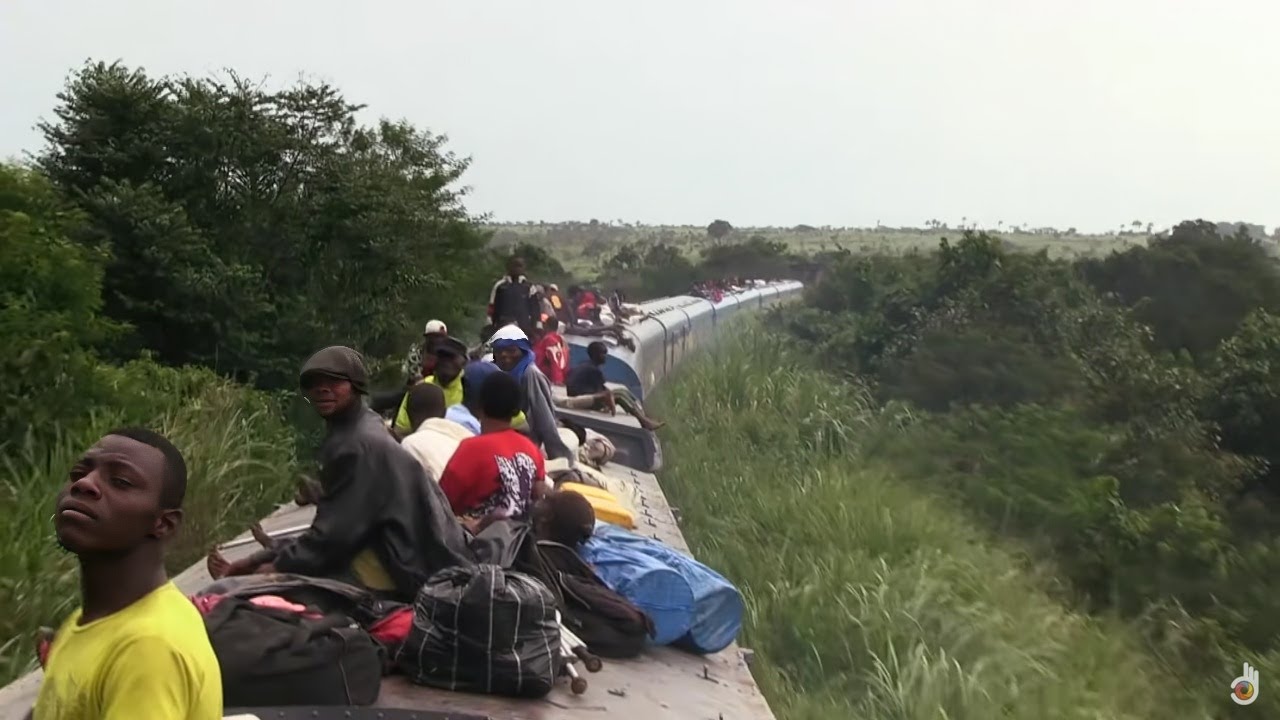
Nearly 2,000 people cram onto the Hirondelle train, which travels 1,600 kilometres across the Democratic Republic of the Congo after a five-month break.
California's largest freshwater lake, the Salton Sea, has been drying up for decades, serving as a stark warning of the region's water crisis.
1,400 kilometers of railway connect the Persian Gulf to the Caspian Sea, revealing Iran's landscapes and the lives of its people.
750 million cubic feet of earth were moved to create Kansai International Airport, a man-made island in Osaka Bay completed in 1994.
The industrialization of tomatoes has transformed them into a global commodity, revealing the hidden influences of the meat lobby and food labeling practices.
126 crew members faced life-threatening conditions during the Deepwater Horizon oil rig disaster on April 20, 2010, in the Gulf of Mexico.
121 square kilometers make up Saint Helena, a remote island in the South Atlantic that relies on a single ship for food and supplies every three weeks.
Ten bird-watching locations across Germany, including the Westerwald and Havelland, showcase diverse avian life, from silver herons to migratory ducks.
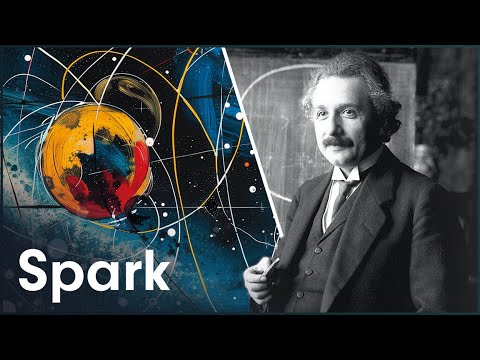
Jim Al-Khalili shows how much information remains hidden from human understanding.
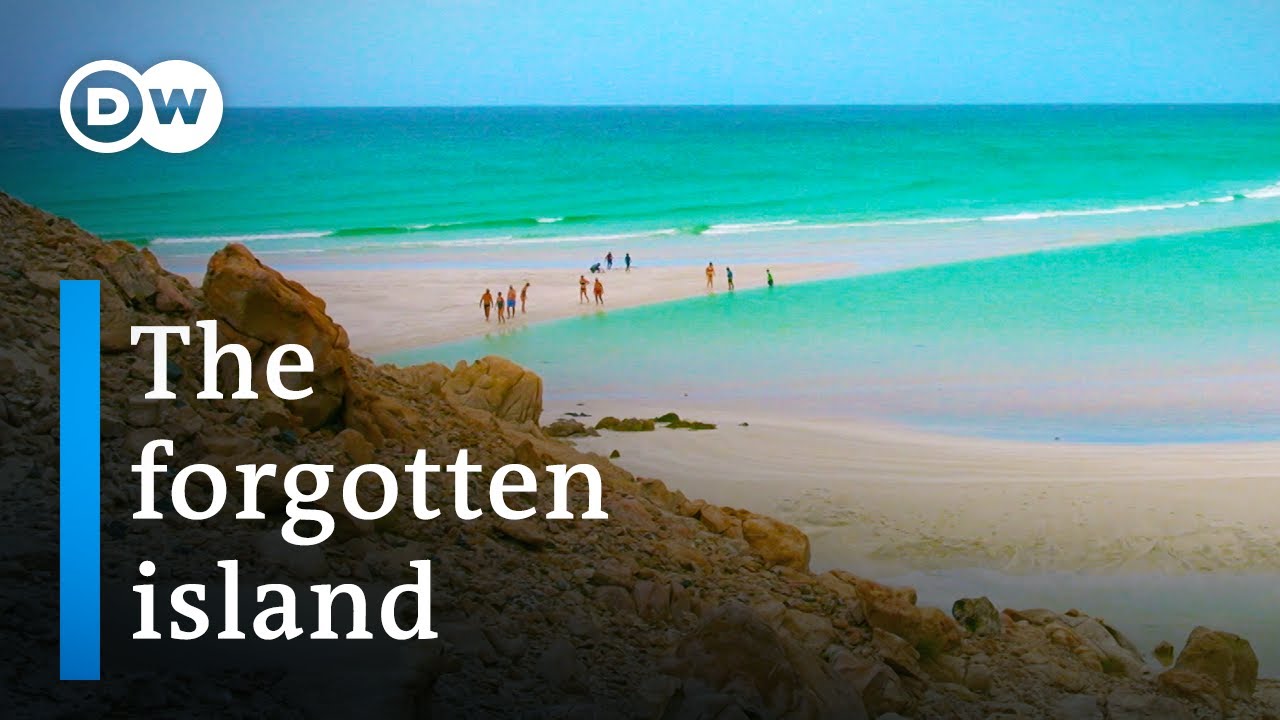
Hawk Cave on Socotra measures 2.5 kilometers long and features unique stalagmites and stalactites that are significant for climate change research.
Ecuador is home to 1,600 bird species, representing 13 percent of the world's total, as ornithologist Xavier shares his passion for avian life.
Scotland's 500 islands off the Atlantic coast are home to diverse wildlife, including red deer, grouse, and returning otters and ospreys.
Hurricane Maria struck Dominica as a category 5 storm in 2017, leading the country to pursue a goal of becoming the world's first climate resilient nation.
Nearly 300 deaths have been linked to a six-meter-long crocodile named Gustave in Burundi over the past decade.