From over 100,000 films, discover the handful you'll love.
Free or premium access to the world's largest documentary library.
Topics explored in films with this theme:
14119 films(Page 22 of 295)
Colors of Nature shows how living beings use colors to communicate with their environment.
The Bissagos Islands consist of 88 islands spread over roughly 100 kilometers, forming a labyrinth of sandbanks and mangrove swamps in West Africa.
During the dry season, elephant families migrate from Hwange National Park to Victoria Falls, swimming through the Zambezi River in a stunning natural spectacle.
Germany’s mountain regions, including Saxonian Switzerland, the Palatinate Forest, and the Harz, shape local culture and showcase diverse ecosystems and historical significance.
The sum of the Drake equation currently stands at one plus, indicating humanity as the only known intelligent life in a galaxy of a thousand stars.
Hawaii is 5 million years old and is home to volcanic landscapes, dense rainforests, and the fourth-largest island, Kauai, known as the Garden Island.
Asteroids have silently roamed the solar system, threatening Earth with catastrophic impacts.
A snow leopard must patrol a territory of 80 square miles in search of food as rising temperatures threaten its survival in the Himalayas.
Innovators seek alternatives to factory farming for animal welfare and ecological reasons.
A storm surge of 10 meters above normal inundated Gulfport, Mississippi, during Hurricane Katrina, one of the deadliest storms in U.S. history.
Around 20 female rock hyraxes and their clan chief live in a rocky cliff colony along South Africa's rugged coastline.
Karl de Smedt cares for 144 unique sourdough cultures in Saint Vith, Belgium, preserving a vital part of baking heritage at his Sourdough Library.
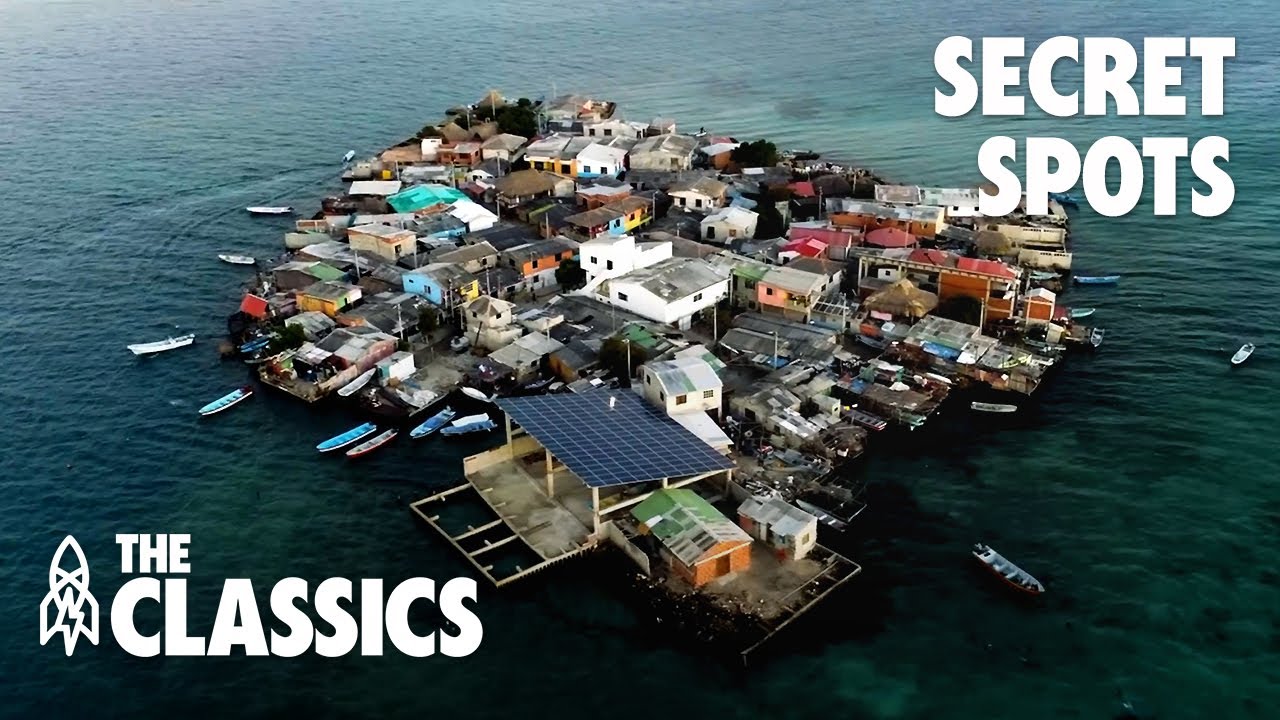
1,200 people live on Santa Cruz del Isl, an island the size of two soccer fields, making it four times as densely populated as Manhattan.
400 million tons of plastic worldwide releases about 800 million tons of carbon dioxide into the air each year.
Botswana is home to the largest elephant population in the world, with 130,000 elephants, representing more than a quarter of Africa's total.
In July 2013, South Africa mourned the critically ill Nelson Mandela as the nation faced uncertainty about its future without him.
The Artemis program aims to return humans to the moon, utilizing the Orion spacecraft and focusing on lunar resources like water for future exploration.
A 23-pound salmon caught in a Welsh river marked the last of its kind for years, reflecting the decline of fish populations due to overfishing.
On December 4, 1970, Bruce Gernon and his father encountered a strange cloud while flying from Andros Island in the Bahamas to Palm Beach, Florida.
A plane carrying four ecologists crashes in Zambia, leaving them with serious injuries and forcing one to walk for help in a remote wilderness.
In 2022, 2.9 million tons of scrap from ships were dismantled in Chittagong's shipbreaking yards, contributing to severe environmental pollution.
Pema, the only son, struggles with family expectations in the world's most remote village.
Twenty-two thousand residents live in Shetland, facing fierce Atlantic storms and harsh winters in one of Scotland's most remote regions.
1.5 billion dollars is spent annually in Tanzania by tourists seeking to experience its wildlife and cultural heritage.
Seven wilderness study areas were designated in the Red Desert after local activists marked potential sites on a topo map in the late 1970s.
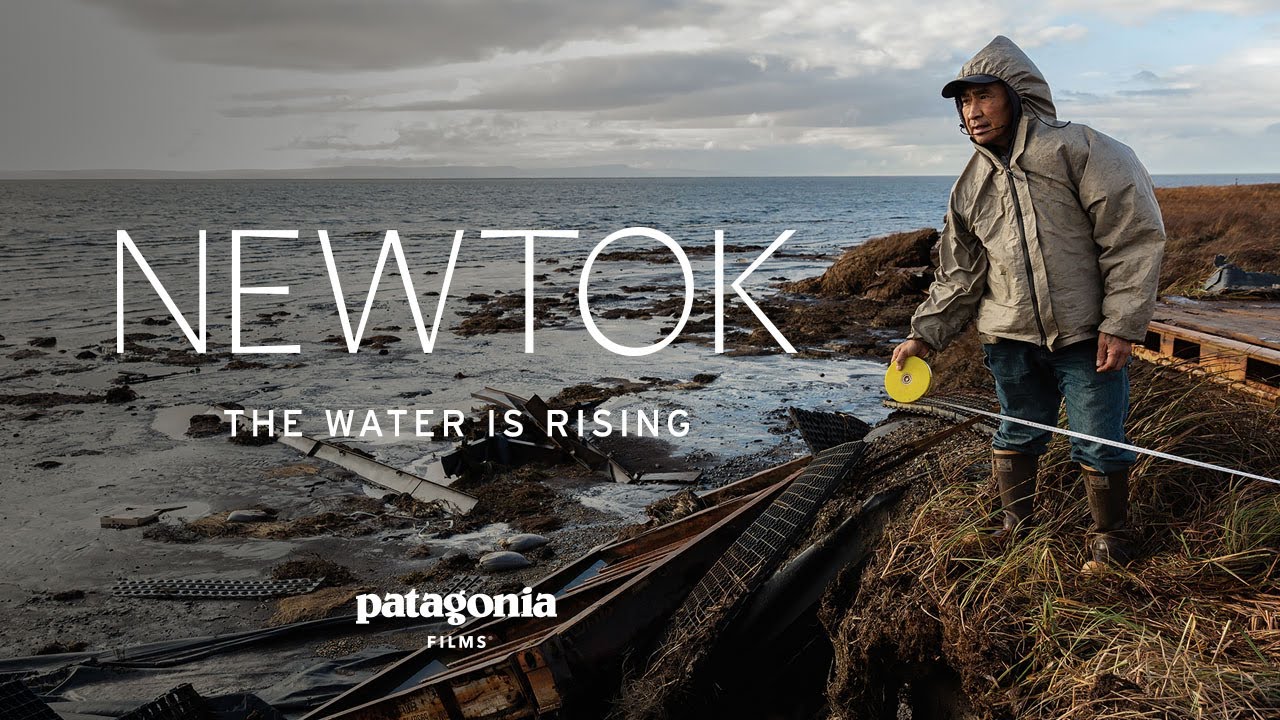
Newtok lost 16 feet of land in just four days, as rising waters threaten the community's drinking water source and ancestral hunting grounds.
More than eight million people live in New York City, a metropolis transformed by innovations in mass transit from the 19th century to the present.
Investigators use forensic science to solve murders by cold-blooded spouses in this double episode.
Jupiter's atmosphere is examined through data from the Juno mission, building on insights gained from the Cassini spacecraft and Huygens lander.
Zhangjiajie National Park in Hunan, China, features its iconic sandstone pillars and highlights the cultural traditions of the Miao ethnic minority.
Fossil fuel extraction in the United States has reached all-time highs, with companies drilling deeper and accidents becoming more frequent.
Mustang, an ancient kingdom in northern Nepal, was considered forbidden territory for foreigners until 1992.
Costa Rica showcases its rich variety of biodiversity and conservation efforts in Corcovado National Park.
560 kilometers of the Kinabatangan River flow through Borneo, supporting diverse wildlife and local communities while facing threats from human activity.
300 million people celebrate Nowruz, the Persian New Year, which coincides with the vernal equinox and symbolizes renewal and the cycle of life.
One third of Venezuela's fuel stock has been resold illegally in Colombia, driven by the country's economic collapse and rampant gasoline trafficking.
In Fiji, local traditions are highlighted through Manasa Bulivou's offerings to the Shark Gods and Hannah Bennett's surfing at Cloudbreak, reflecting the culture's bond with the ocean.
Easter Island's civilization collapses as forests vanish and Moai statues are toppled.
In May 1980, Mount St Helens erupted in Skamania County, Washington, causing the largest subaerial landslide in recorded history and altering the landscape significantly.
Over 18 months, Peter Scott-Morgan undergoes a radical transformation into a cyborg, integrating advanced surgery and artificial intelligence to combat Motor Neurone Disease.
David Oren, Head of Natural History at the Goeldi Museum, investigates claims of a bear-like creature in the Amazon while seeking evidence to convince skeptics.
In Botswana's Okavango Delta, three mokoro polers navigate cultural heritage and environmental challenges while participating in the Nkashi Classic race.
Almost three billion birds have vanished from the United States since 1970, with Europe seeing a 25 percent decline in its bird population.
On August 15, 1977, a powerful radio signal lasting 72 seconds was detected by Ohio State University's Big Ear telescope, suggesting a possible extraterrestrial source.
240 million vehicles contribute to severe traffic congestion in China, prompting innovations aimed at transforming transport solutions.
Shepherds guide sheep over steep climbs and glaciers, reaching altitudes of nearly 3,000 meters in the Alps during the spring season.
Over 600 witnesses have validated claims that the U.S. Air Force recovered a UFO and nine human-shaped bodies following the Roswell incident in 1947.
In 1665, the Great Plague devastated London, leading the village of Eyam in Derbyshire to quarantine itself in a bid to halt the outbreak's spread.