From over 100,000 films, discover the handful you'll love.
Free or premium access to the world's largest documentary library.
Topics explored in films with this theme:
14123 films(Page 32 of 295)
A mother hedgehog cares for her hoglets while a dragonfly hatches, revealing the intricate life in European gardens and forests.
25,000 man hours are required for a complete overhaul of the Airbus A330-300, ensuring it meets safety standards before returning to service.
In 2016, a team of scientists undertook a massive operation to relocate the Halley VI Research Station in Antarctica 23 kilometers away from a threatening ice chasm.
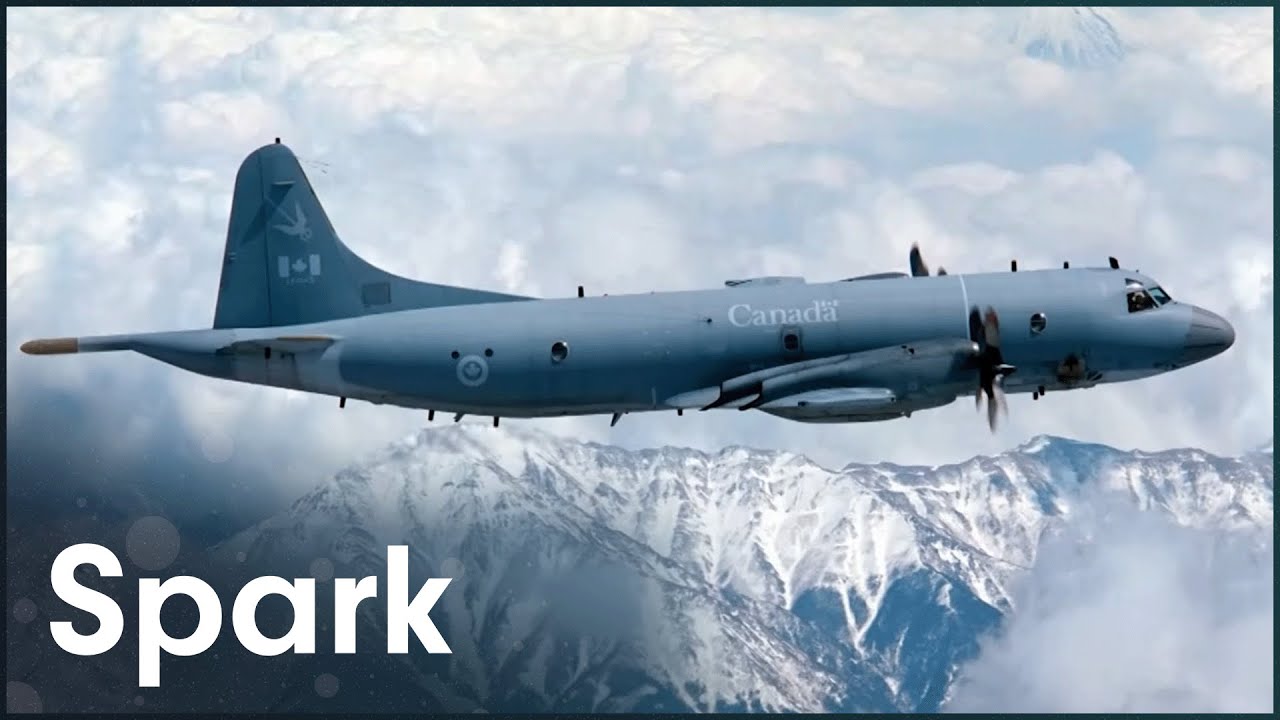
A CP-140 Aurora aircraft must locate and eliminate a mock submarine target in a 145 square kilometer ocean range off British Columbia's coast.
Over 1 million items are sold in a space larger than 60,000 square meters at Berlin's most famous department store.
The episode reveals how we accurately keep time and triangulate location through history.
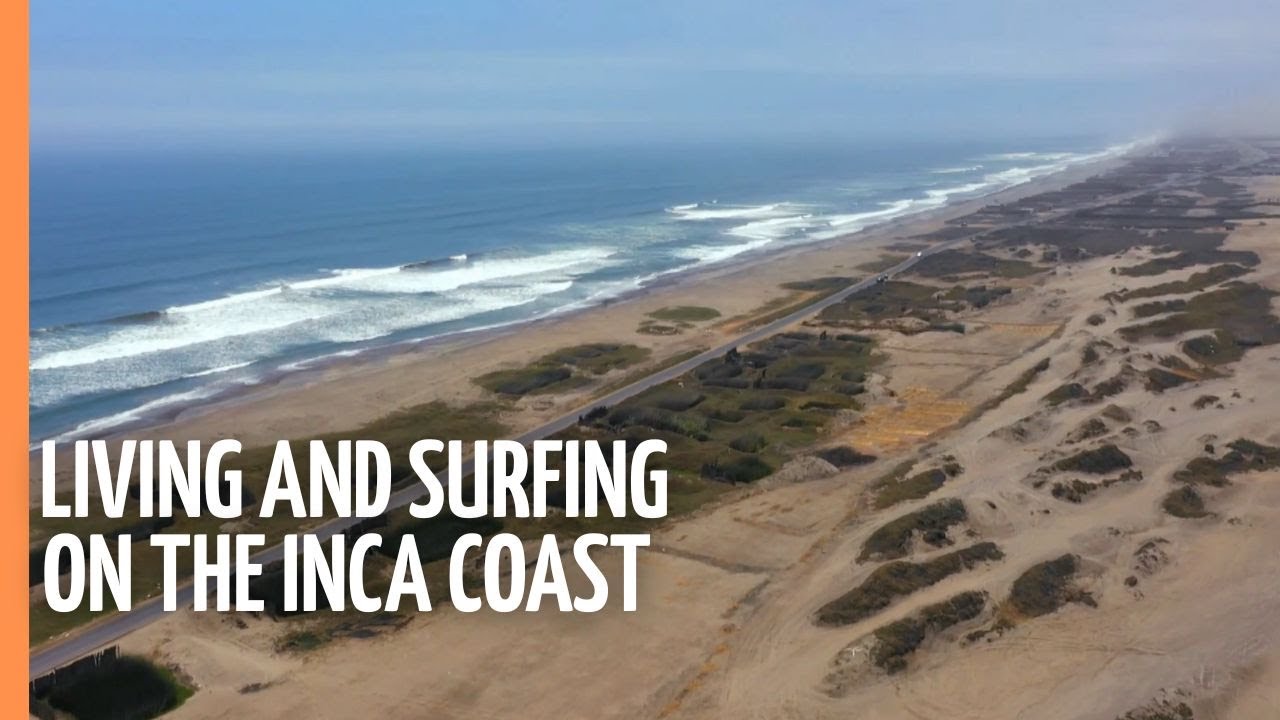
In Huanchaco, Peru, fishermen maintain ancient traditions by crafting Caballito de Totora boats from reeds, reflecting the region's rich cultural heritage.
In 1911, American historian Hiram Bingham discovered Machu Picchu, an Inca citadel with over 170 buildings, hidden beneath tropical vegetation.
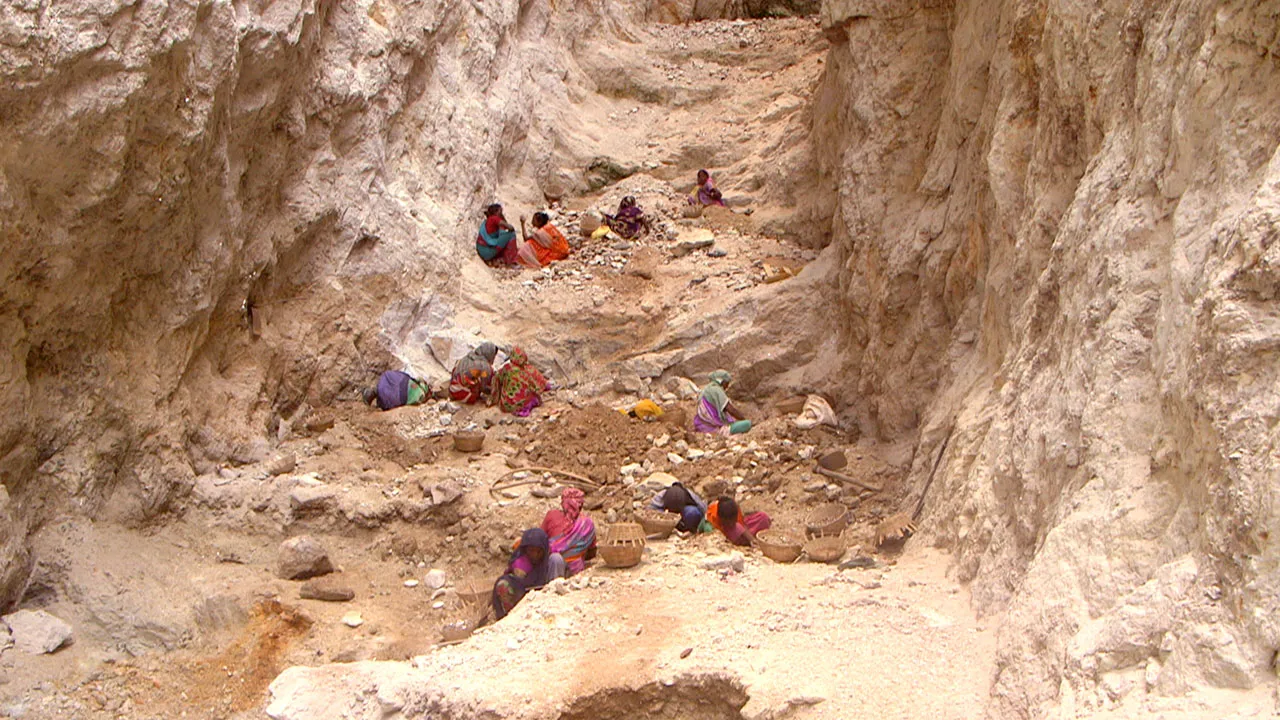
Children as young as six work in mica mines in Northern India, often under extreme heat and hazardous conditions, to support their families.
Christine Wilkinson studies large carnivores like spotted hyenas in Kenya, while Rüdiger Ortiz-Álvarez records soundscapes in the Canary Islands.
17,500 feet is the altitude where Sadie Quarrier faced challenges while selecting impactful photographs for National Geographic's annual issue.
This episode reveals how science fuels warfare during the Cold War and shapes global politics.
New projects advance slowly, moving hardware into testing for Mars exploration missions.
A team of scientists tests rocket components aboard helium balloons at an altitude of 30 kilometers in Fairbanks, Alaska, to advance space travel technology.
One out of every two creatures on Earth faces extinction due to unchecked global warming, which threatens agriculture, sea levels, and civilization itself.
500 years of French maritime history are displayed at the Museum of the History of the City and the region of Saint-Malo.
Herds of reindeer wander from valleys to plateaus in Norway during the summer months.
Seven new stars form each year within the Milky Way, driven by events like supernova explosions and interactions with other stars.
A 62-foot double-hulled canoe, the Hōkūleʻa, is used by Lehua Kamalu and her crew to navigate the Pacific Ocean without modern instruments.
Six months is the time it takes for oricou parents to build a cozy cradle for their rare baby, lined with down and stolen hairs from carcasses.
Dams in the Bishes Land cover about 2% of the region, transforming rivers into still bodies of water and creating new habitats for various species.
Anthony Bourdain highlights Houston's diverse cultures and unique culinary experiences.
Bhutan's Gross National Happiness index replaces traditional economic measures, reflecting the government's unique approach to development in a country of 800,000 people.
Colonel Joseph Kittinger ascended nearly 20 miles into the atmosphere in 1960 to test human endurance at high altitudes during a key military mission.
A black caiman can grow up to seven meters long and weigh over one ton, making it one of the largest reptiles on Earth.
After 13 years of orbiting Saturn, the Cassini probe's final plunge to the planet's surface significantly advanced scientific understanding of its rings and moons.
A Road Runner can reach speeds of over 30 kilometers per hour while hunting in the Sonoran Desert's unique ecosystem.
On August 6, 1945, the atomic bomb dropped on Hiroshima, a weapon made possible by the discovery of nuclear fission, which Lise Meitner helped to develop.
Asteroids, which formed the Earth 4.5 billion years ago, are essential for understanding the origins of life and the future of human space exploration.
A male marsh harrier has a wingspan of over 1.2 meters and hunts for prey in fields while adapting to environmental changes.
Up to 10 tons of raw sand can be extracted from a single wind turbine blade through a new recycling process.
In the jungles of New Guinea and the waters off South Africa, wildlife filmmakers document the interactions between humans and endangered species like jaguars and gorillas.
A telescope built in one of the most inhospitable places on Earth seeks to answer the question of how the universe began.
Astronomers search for Earth-like planets among four hundred billion stars in our galaxy.
70 to 80 pregnant lemon sharks arrive each spring in the Grand Bahama Bank, where researchers study their unique resting patterns and life cycle.
277 square miles of contested waters in the Gulf of Maine fuel tensions between American and Canadian lobstermen over fishing rights.
A Westland Wessex 3 helicopter, 19 years old and prone to engine failures, plays a critical role in a rescue mission during the 1982 Falkland War.
The Nariva reserve, covering over 7,000 hectares, is the largest swampland and most important freshwater reserve in the Caribbean.
Rangers Céline Obadia and Hervé Bergère protect Port-Cros National Park from environmental threats.
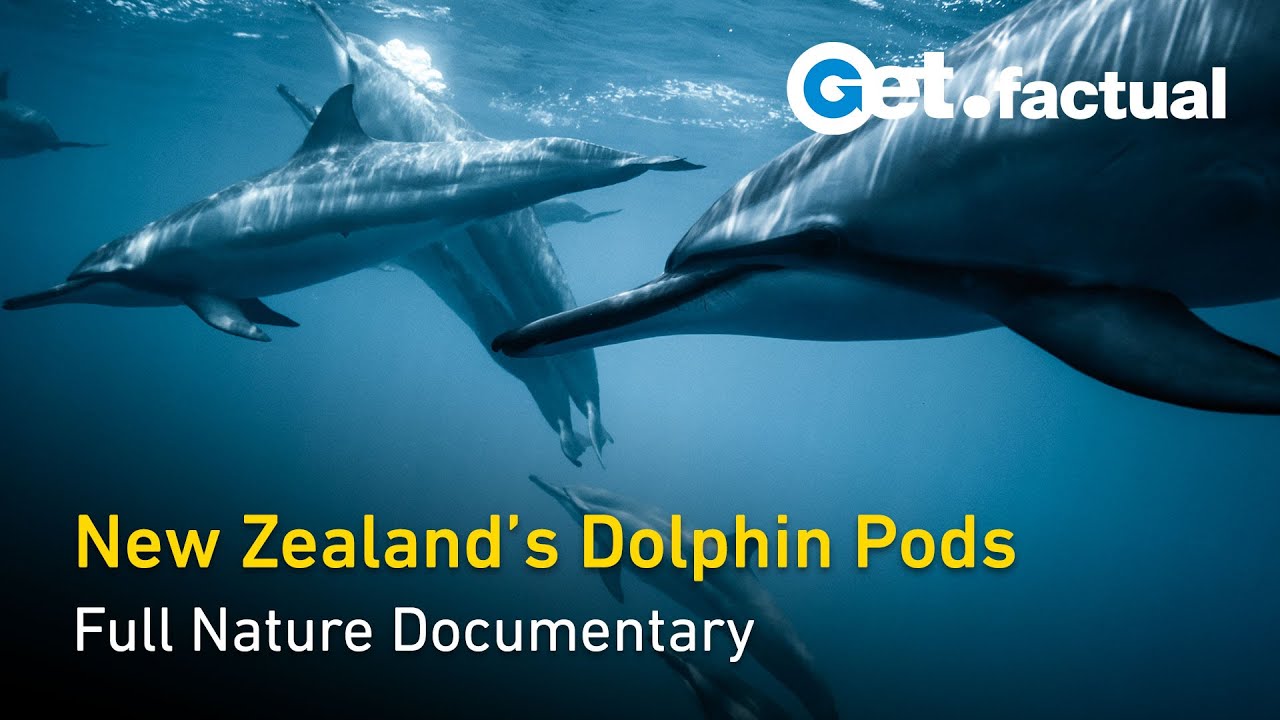
Different dolphin species in New Zealand showcase unique survival strategies and social structures.
One of the most advanced helmets in the world undergoes rigorous testing at BAE Systems' Rochester facility to ensure pilot safety and performance.
A type 1A supernova shines 5 billion times more brightly than the sun, illustrating the vast scale of cosmic events in the universe.
Mark Synnott, a Explorer, attempts to retrace the ill-fated 1845 expedition of Sir John Franklin through the perilous Northwest Passage.
Oman had only three schools and two hospitals for its entire population before 1970, reflecting its transformation into a modern society under Sultan Qaboos.
In 1961, President John F. Kennedy challenged America to land a man on the moon and return him safely to Earth within the decade.
More than 2,000 millimeters of precipitation annually qualifies a region as a rainforest, with cold rainforests often receiving twice that amount.
Mesa Verde National Park in Colorado and the Château d'Amboise in France are highlighted as significant cultural sites among the 100 wonders of the world.
Life around Masaya Volcano in Nicaragua re-emerges from volcanic ashes and harsh conditions.