From over 100,000 films, discover the handful you'll love.
Free or premium access to the world's largest documentary library.
Topics explored in films with this theme:
14123 films(Page 39 of 295)
Three million people inhabit the Tibet Autonomous Region, an area almost the size of Western Europe, where ancient traditions meet modern change.
Madagascar's Indri lemurs face territorial challenges in a shrinking forest.
Caroline Quentin travels 2,262 miles across India, visiting Jaisalmer's historic fort and experiencing the vibrant Navratri festival in Ahmedabad.
The Mediterranean Sea, identified as the most polluted sea globally, faces a critical plastic waste crisis, particularly highlighted by the 'Plastic Island' off Corsica.
Snow is vital for ecosystems, but global warming threatens its future in the Alps and United States.
The North and Baltic Seas are explored through unique wildlife moments, including the Ghost Forest in Germany's Mecklenburg and rare footage of a Gotland grass snake.
The Namib desert in Namibia features golden sand and unique wildlife like desert elephants.
A 320-ton magnet is transported over 100 kilometers through southern France for the world's largest nuclear fusion reactor, set to begin operations in 2025.
One in three people will be diagnosed with cancer at some point in their lives, prompting ongoing research into more effective treatments.
Three million years ago, a climate shift led early humans to adopt a meat-based diet, influencing their relationship with animals and the creation of totemic beliefs.
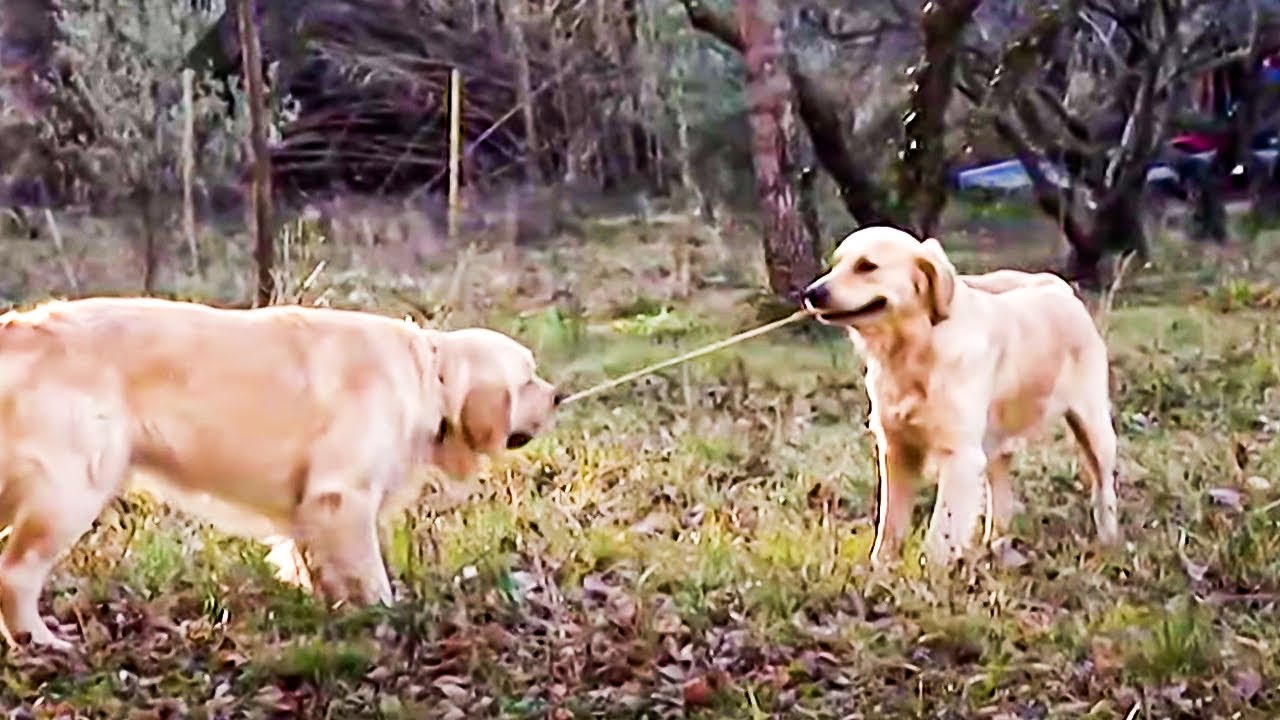
Young animals play more often than adults, engaging in activities that promote social, cognitive, and physical development.
Every year, global demand for tomatoes grows by 3%, a trend that is expected to accelerate as Chinese consumers begin to eat tomato sauce.
More than half of the over 500 shark species are less than a meter long, many of which are harmless and often misunderstood.
Construction of the Korean Jang Bogo Antarctic Station in Antarctica faces extreme conditions and challenges over five years of site investigations and building efforts.
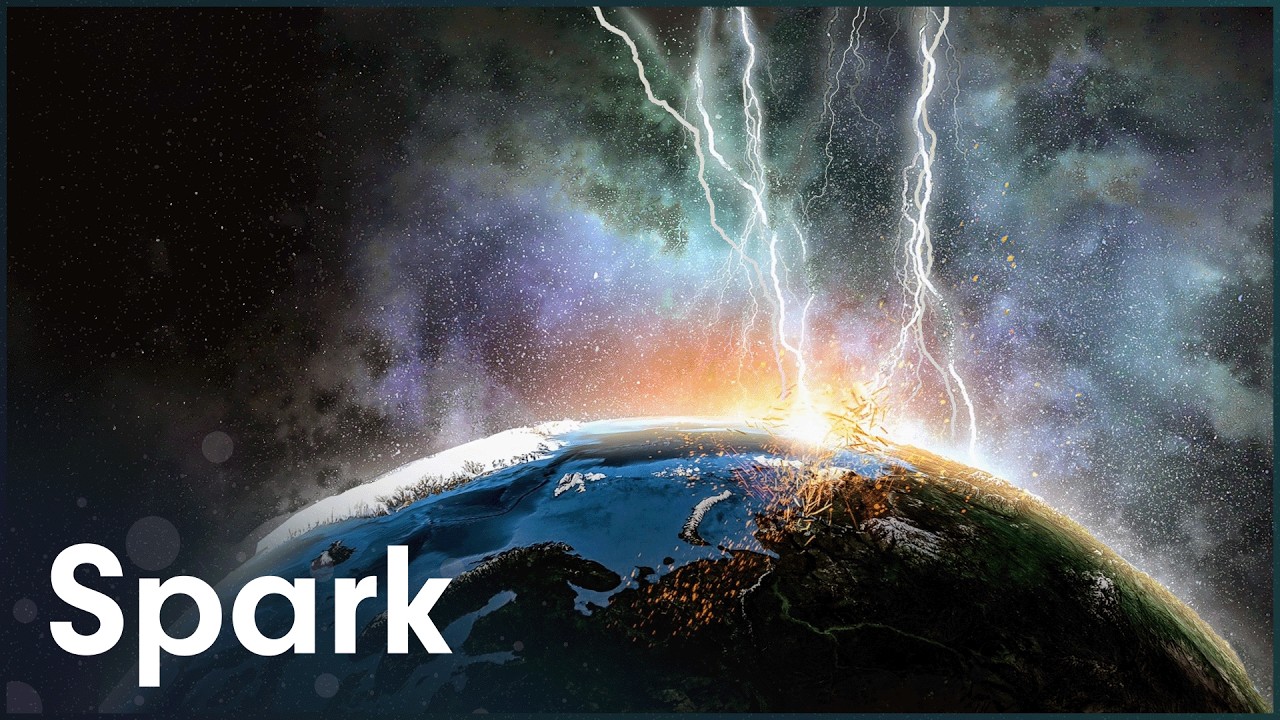
A comet 5 km wide, traveling over 100,000 km an hour, is on a collision course with Earth, threatening to cause a 100 million megaton explosion.
A maximum operating speed of 320 km/h allows Japan's Shinkansen to redefine intercity rail travel and transport about a billion passengers annually.
Professor Brian Cox connects tornadoes in Oklahoma to the origins of our Solar System.
Andreas Kieling encounters gorillas in the Congo, Rwanda, Uganda, and searches for crocodiles in Australia.
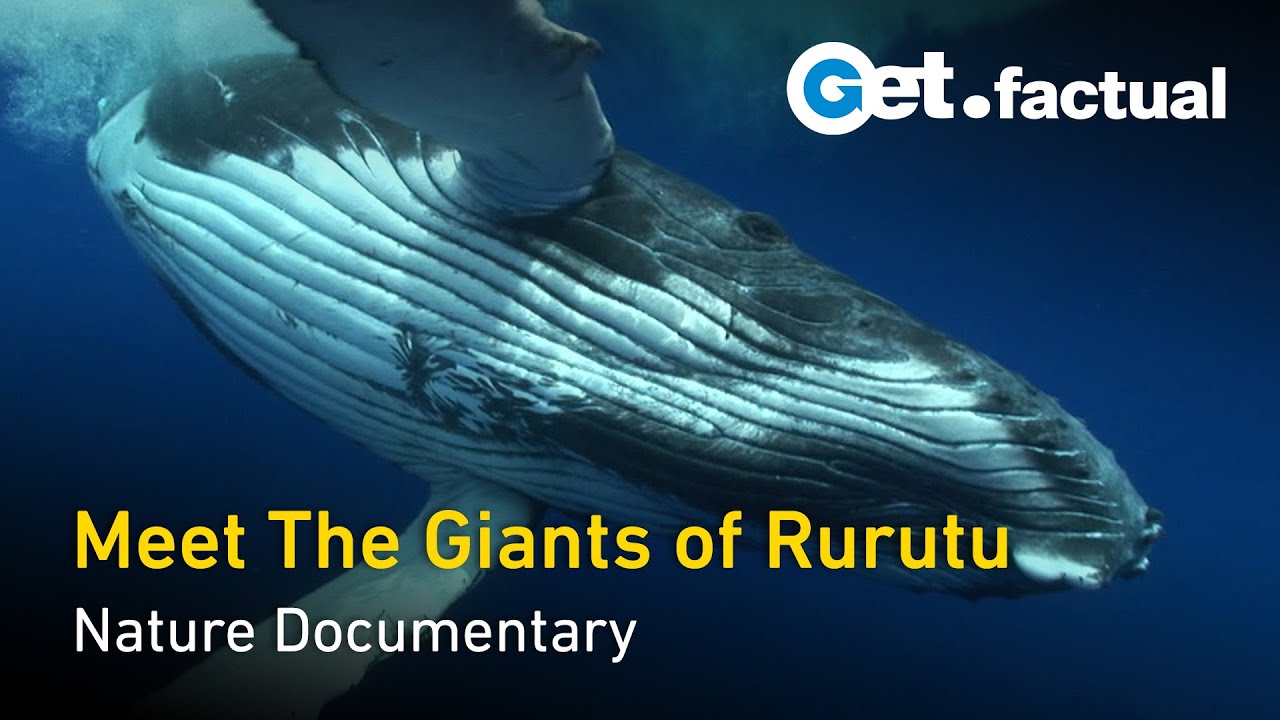
Humpback whales, weighing up to 36 tonnes and measuring 19 metres long, migrate 7,000 kilometres from Antarctica to the island of Rurutu each year.
On March 28, 2005, the first litter of Iberian lynxes was born in captivity, marking a significant step in efforts to prevent their extinction.
A team of 14 people carries enough food and supplies for several weeks while traveling 400 kilometers on rough dirt roads to reach the Essequibo's source.
More than 200 million years ago, the first crocodile appeared, inspiring legends and beliefs across various cultures, from worship to fear.
Rising water pollution and increasing temperatures in the Nile region echo the Biblical plagues, highlighting urgent contemporary environmental challenges.
Luna 1, the first robotic emissary to the Moon, missed its target by nearly 6,000 km but became the first spacecraft to orbit the sun.
4.7 billion years ago, a tumultuous event led to the formation of the inner solar system's planets, including Mercury, Venus, Earth, and Mars.
More than a million people fill the streets of New Orleans each year for Mardi Gras, which features 49 parades and 30,000 costumed riders.
Curiosity Rover has driven over 13 kilometers on Mars, sending back images and data to aid in future human exploration of the planet.
Thousands of happy drunks crowd into the French Quarter during Mardi Gras, but Cajun celebrations offer a distinctly different and vibrant experience.
The moon plays a crucial role in sustaining life on Earth by influencing tides, day length, and seasonal rhythms, despite its ever-changing distance from our planet.
Research laboratories around the world explore cryogenics and the potential for immortality, raising ethical questions about longevity and societal impact.
64,660 hectares of the Picos de Europa National Park in northern Spain protect diverse ecosystems and wildlife, including the endangered Iberian bear.
2000 species of fireflies use chemical signals to create light displays that attract mates, illustrating the diverse mating rituals in the animal kingdom.
A French biologist searches for the nearly extinct black caiman in French Guiana's Kaw river swamp.
Over 100 reef sharks participate in a feeding frenzy in the Bahamas, illustrating the thrill and danger of extreme shark encounters.
A flea and a Laysan Albatross travel the Pacific Ocean until landing on Midway to mate.
Rob Stewart and Rita Banerji highlight ocean conservation and Olive Ridley turtles in India.
More than 1,600 people have died in stadium disasters worldwide over the past century, prompting engineers to prioritize safety in new designs.
More than 70 percent of the Earth's surface is covered by water, yet only a small fraction is freshwater available for all living beings.
Women are more likely to cheat during their most fertile phase, as research from the University of Liverpool indicates.
Young adolescents in the Kayapo community confront Amyu wasps to prove their bravery.
A Martian dust storm can reach speeds of over 160 km an hour, posing a suffocating threat to life on Earth if it were to occur here.
Climate Chaos highlights the devastating impact of climate change on southern hemisphere communities.
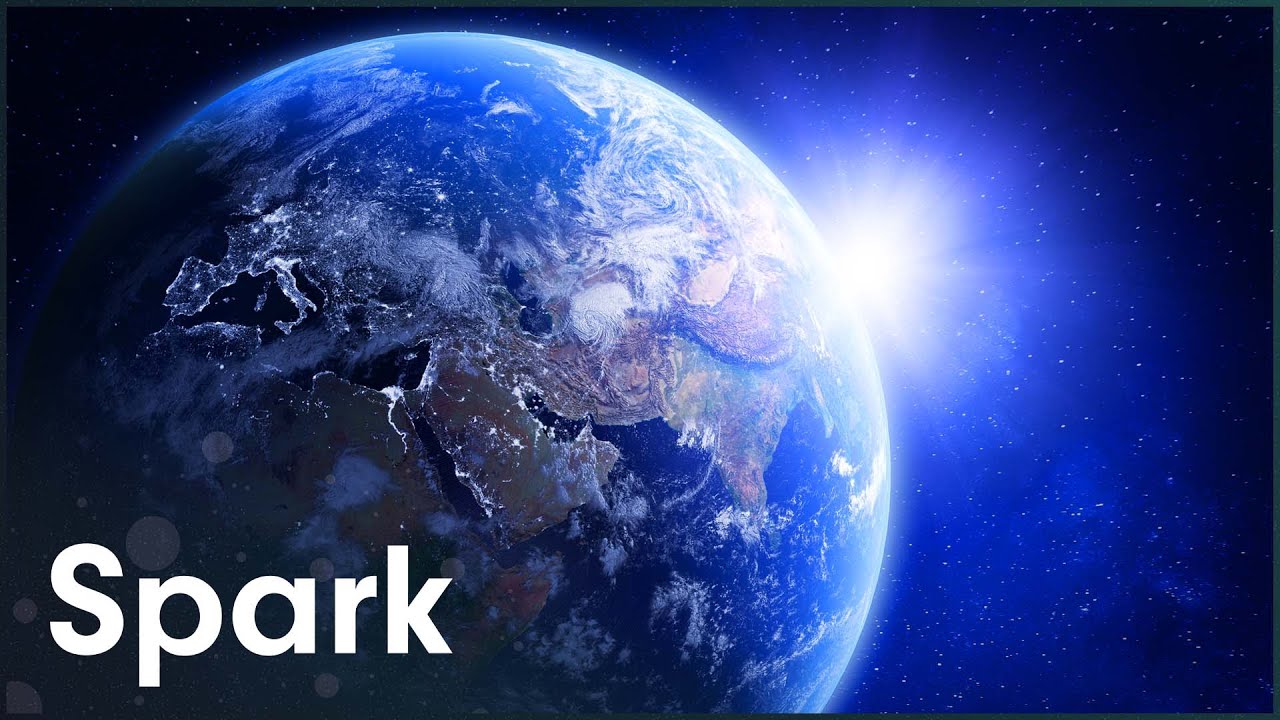
Earth's unique features and optimal position in the Milky Way are illustrated through stunning visuals from NASA and the Hubble Space Telescope Institute.
Three endangered cheetah cubs are born at Longleat Safari Park, marking the first successful births of their kind in the park's 50-year history.
More than 100 astronauts have lived and worked on the International Space Station since 2000, conducting research under unique conditions.
Jim Al-Khalili explains how gravity shapes the universe and affects daily life.
A Mars-sized planet named Thea collided with Earth 4.5 billion years ago, leading to the formation of the Moon and enabling life to thrive.
A 122-meter-high railway deck sits on the Garabit Viaduct, the highest iron arch bridge in the world, built in the 19th century.