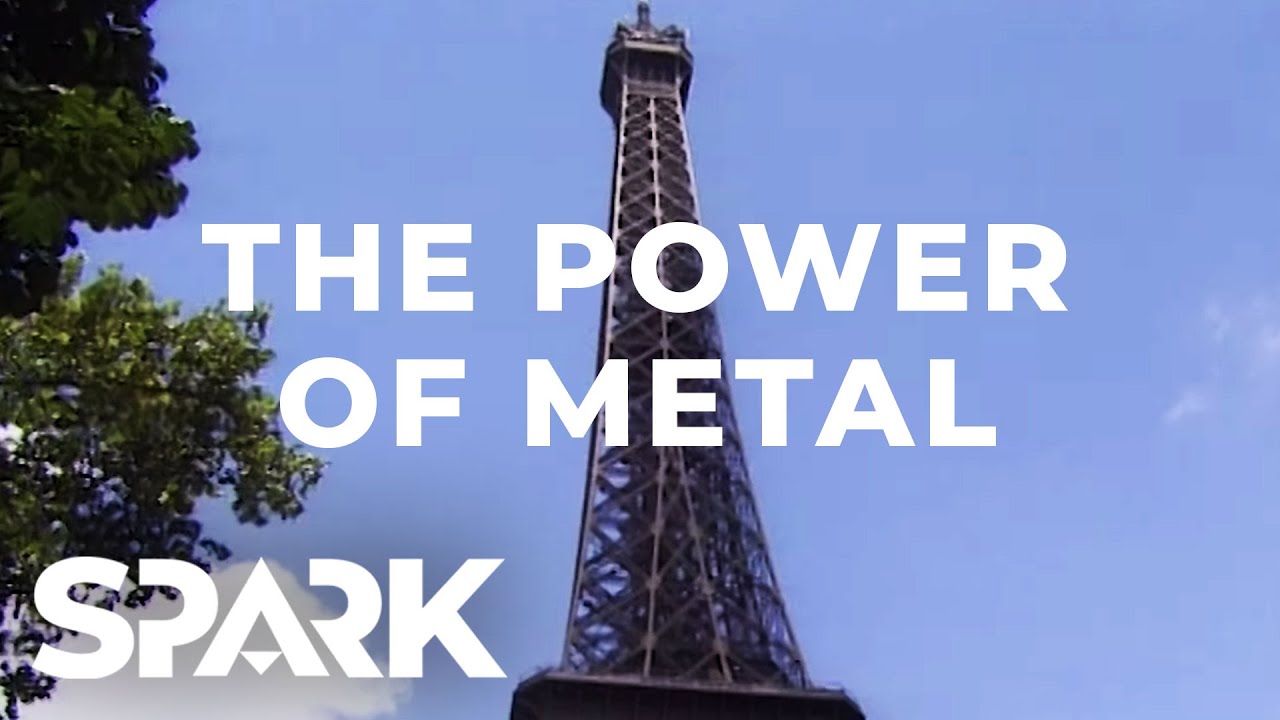
The Materials That Changed Construction Forever
Synopsis
A 122-meter-high railway deck sits on the Garabit Viaduct, the highest iron arch bridge in the world, built in the 19th century.
Synopsis
Dr. Scott Steadman visits the Garabit Viaduct in France, a landmark of 19th-century engineering. The bridge, designed by Gustave Eiffel, measures 563 meters long and stands 122 meters high. It exemplifies the use of wrought iron, allowing for new heights in railway construction. Steadman discusses the innovations in material science that enabled this and similar structures. The film also addresses the contributions of other engineers, including Sir Benjamin Baker, in reshaping modern architecture.
Deep Dive
Why Watch
- See how Eiffel revolutionized bridge design in the 19th century.
- Find out why iron trusses were essential for structural stability.
- Meet the engineers who shaped modern construction techniques.
Did You Know
- The Garrett viaduct was designed to be the highest iron arch bridge in the world.
- Eiffel's viaduct design spans 563 meters across the gorge.
- The railway deck of the viaduct sits 122 meters above the river below.
Perfect For
Frequently Asked Questions
Who designed the Garrett viaduct?
The Garrett viaduct was designed by Alexander Gustav Eiffel.
What material did Eiffel use for the viaduct?
Eiffel used wrought iron for the viaduct because of its strength and reliability.
How high is the railway deck of the Garrett viaduct?
The railway deck of the Garrett viaduct stands 122 meters high above the bottom of the gorge.
What are people saying?
Play More Like This


Browse more like this






Related Films
Is this your film?
If you made this film or hold the rights to it, we'd like to talk. We can license it and pay you a share of what it earns.
Comments