From over 100,000 films, discover the handful you'll love.
Free or premium access to the world's largest documentary library.
45 films
Jane Austen, renowned for her keen social insights, navigated a life of passion and struggle, ultimately prioritizing independence over societal expectations.
19th century China faces immense challenges as Western and Asian powers vie for influence, threatening its status as a once-mighty global leader.
Peaky Blinders, a notorious 19th-century gang from Birmingham, relied on various weapons and faced intense police opposition, challenging popular myths about their history.
The British Army during the Napoleonic Wars transformed from a small force into a diverse military powerhouse, shaping soldiers' survival experiences on the battlefield.
HMS Warrior, Britain's first iron-hulled battleship, represents a pivotal moment in naval history and technological advancement during the 19th century.
Life aboard Britain's Royal Navy in the early 19th Century involved rigorous duties, unique food, and advanced weaponry, shaping a formidable maritime force.
Burke and Hare, Scotland's most notorious serial killers, murdered at least 16 victims to sell their bodies for dissection, igniting a media frenzy in the 19th century.
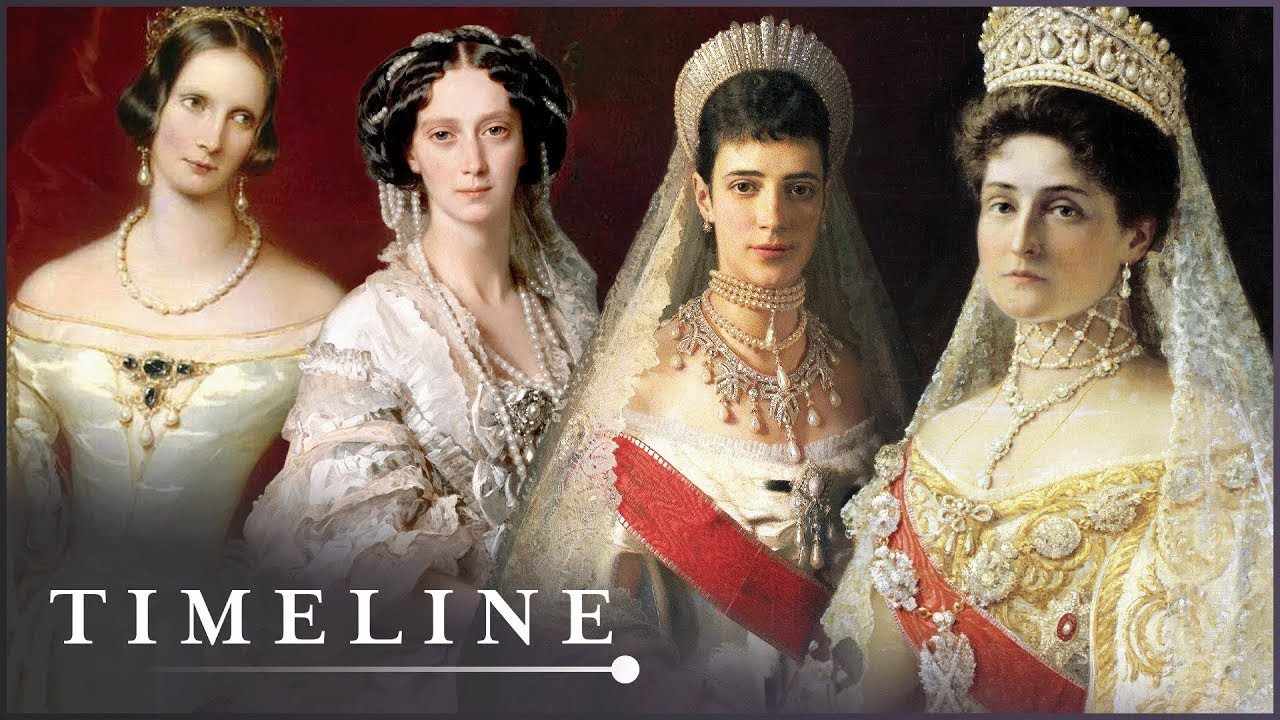
Charlotte von Prussia traveled 1,500 kilometers by horse-drawn carriage to Saint Petersburg in 1817 to marry Grand Duke Nicholas.
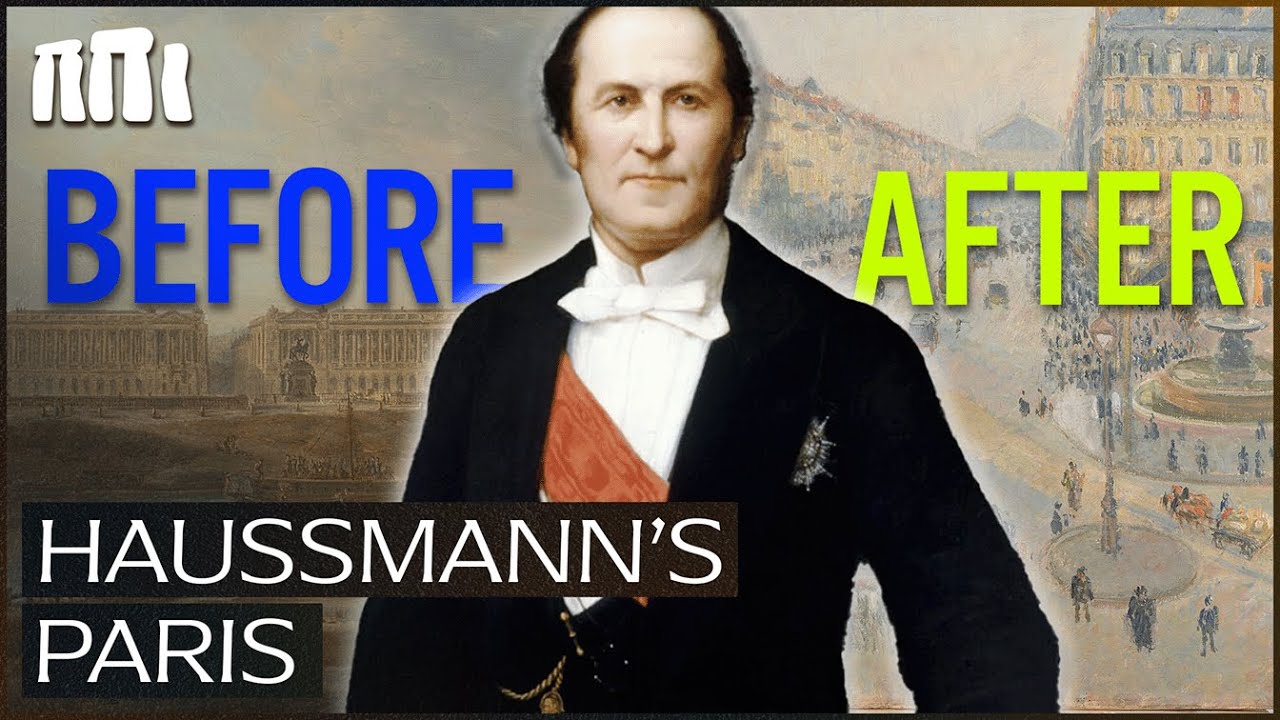
Baron Haussmann's modernization of Paris under Napoléon III transformed the city with iconic structures like the Arc de Triomphe and major transportation hubs.
Queen Victoria wrote extensively in her journals, documenting her thoughts on state matters, family, and personal relationships throughout her life.
About 100,000 people set off for the gold rush, but only around 30,000 reached their destination, facing perilous conditions along the way.
Wilhelm and Jacob Grimm aimed to promote a unified German identity through their fairy tales, which were rooted in a broader European literary tradition.
In 1819, Thomas Beale buried a treasure in Virginia worth tens of millions of dollars, leaving behind a coded message that remains unsolved.
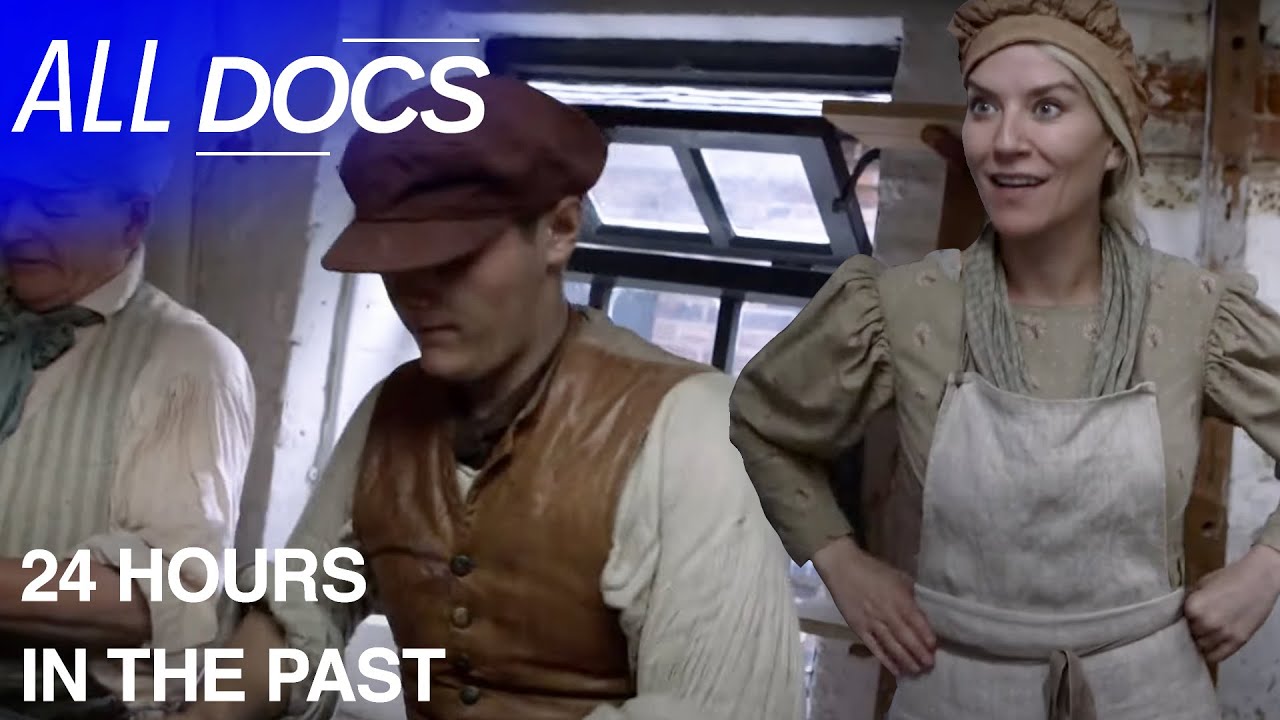
Six celebrities spend 24 hours each in Victorian workplaces, enduring tasks like sorting through horse manure and working in a dust yard.
41 adults and 26 children worked at the Gladstone pottery in Staffordshire during the 1840s, producing a quarter of a million china items each year.
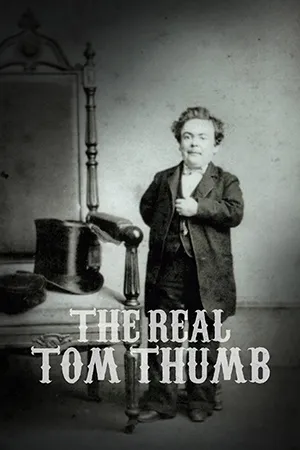
Charles Stratton, known as General Tom Thumb, captivated 19th-century audiences with his performances in P.T. Barnum's circus, changing the entertainment industry.
Napoleon Bonaparte's influence on art and culture is examined through his patronage and the impact of his reign on European artistic movements.
In 1841, enslaved individuals aboard the Creole seized control of the ship, leading to their freedom in the Bahamas and igniting a diplomatic crisis between the U.S. and Great Britain.
A 122-meter-high railway deck sits on the Garabit Viaduct, the highest iron arch bridge in the world, built in the 19th century.
In upstate New York, tenant farmers in Berne declare their independence from feudal leases in 1839, igniting the Anti-Rent War against oppressive landlords.
Physical violence in the U.S. Congress during the pre-Civil War era, marked by canings and fist-fights, reflected deep divisions over slavery.
In 1850, Dr. John Gorrie, a physician in Apalachicola, Florida, invented artificial cooling to combat deadly fevers, yet his contributions remain largely forgotten.
Monaco transformed from a fishing village to a gambling hub under Prince Charles Grimaldi's leadership in the mid-19th century, aided by Napoleon III.
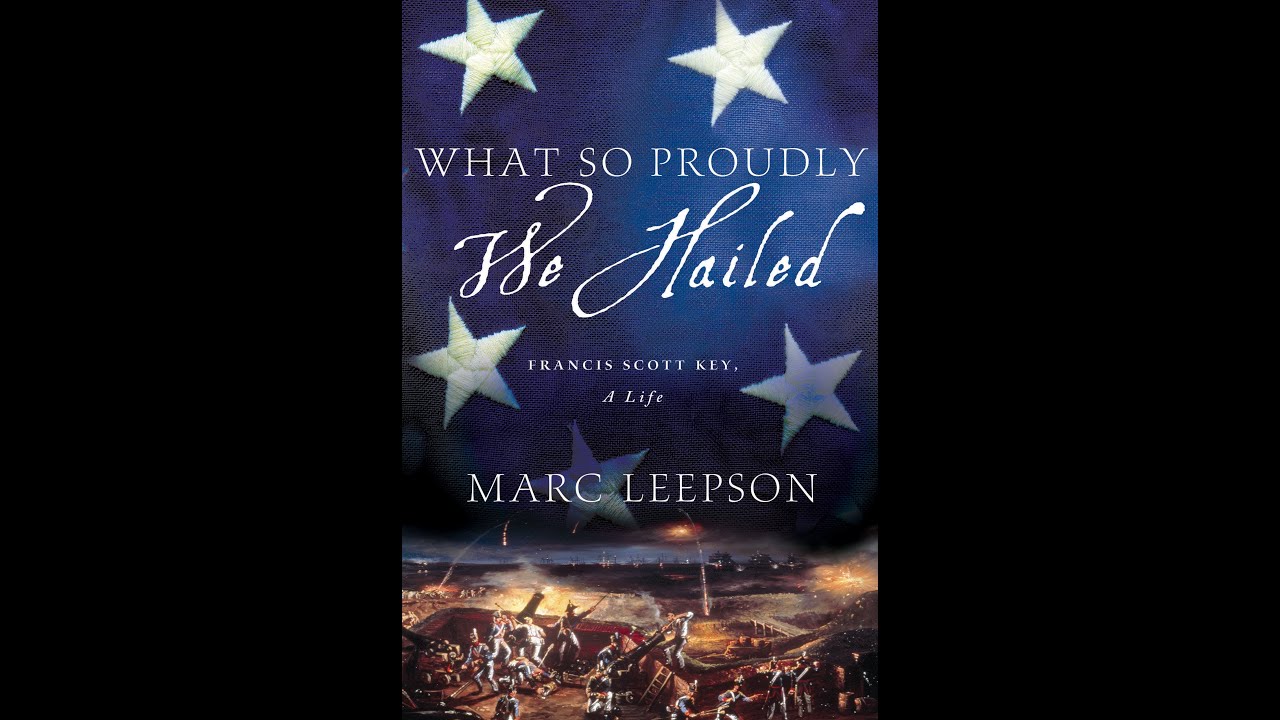
Francis Scott Key, known for writing "The Star-Spangled Banner," is examined through the lens of historian Marc Leepson, revealing his lesser-known legacy.
Early American immigrants faced numerous challenges and triumphs in rural life during the nineteenth and early twentieth centuries, as explored by author Kathleen Ernst.
Appleton Oaksmith's life as a sea captain during the mid-19th century highlights key events like the California Gold Rush and the Lincoln administration's efforts against the slave trade.
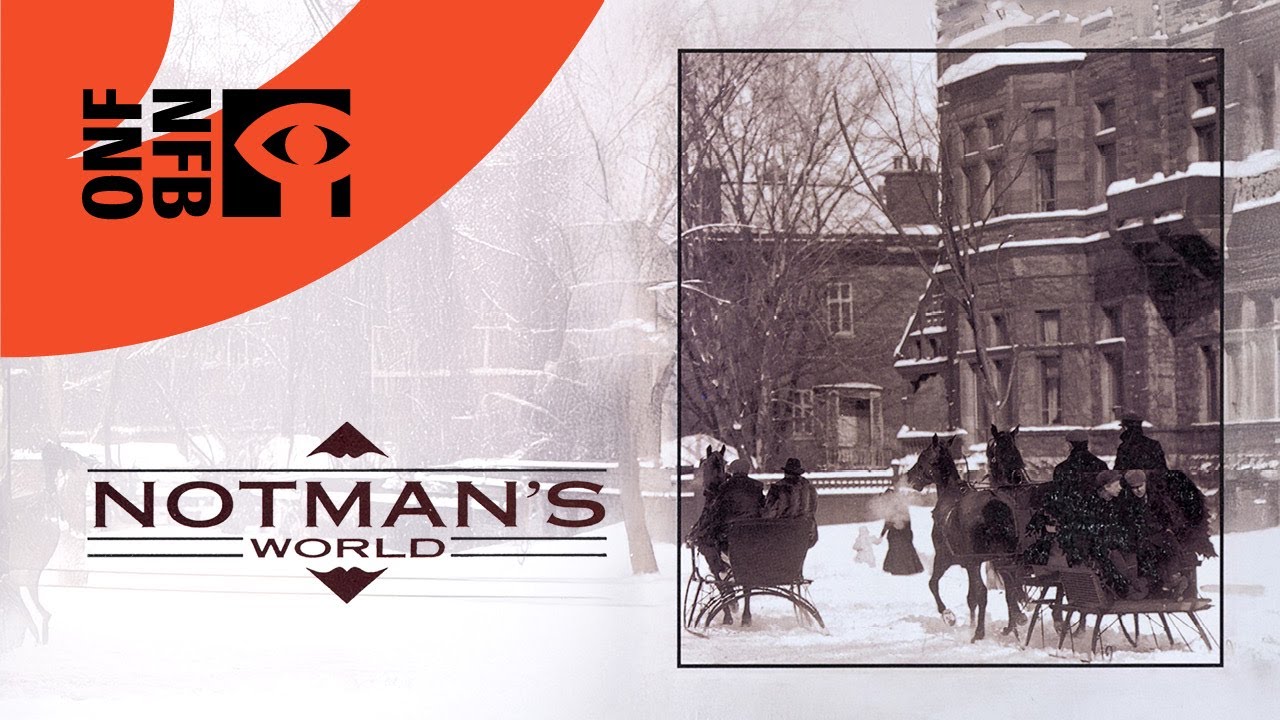
William Notman, a pioneering Canadian photographer in the late 1850s, transformed portraiture into a historical documentation art form in Montreal.
Mass tourism emerged from a combination of romantic ideas about nature, infrastructure development, and paid holiday entitlement, with railways playing a pivotal role.
In 1889, Gustave Eiffel's construction of the iron tower at the World’s Fair in Paris faced criticism but ultimately became a symbol of modern engineering.
Historians Luke Tomes and Carl Chinn MBE examine the true origins and legacy of the Peaky Blinders gang, revealing connections to real-life figures and events.
A multi-millionaire hosted extravagant soirées for 19th-century high society at a lavish French chateau in the English countryside.
Lizzie Borden, accused of murdering her father Andrew and stepmother Abby in 1892, remains a subject of debate regarding her guilt and the impact of Victorian society on her trial.
A young woman, measuring four feet seven inches, was buried in an unmarked grave in Victorian London, suffering from the effects of syphilis.
Portsmouth is the most densely populated city in the UK outside London, with over 200,000 inhabitants speaking 100 different languages.
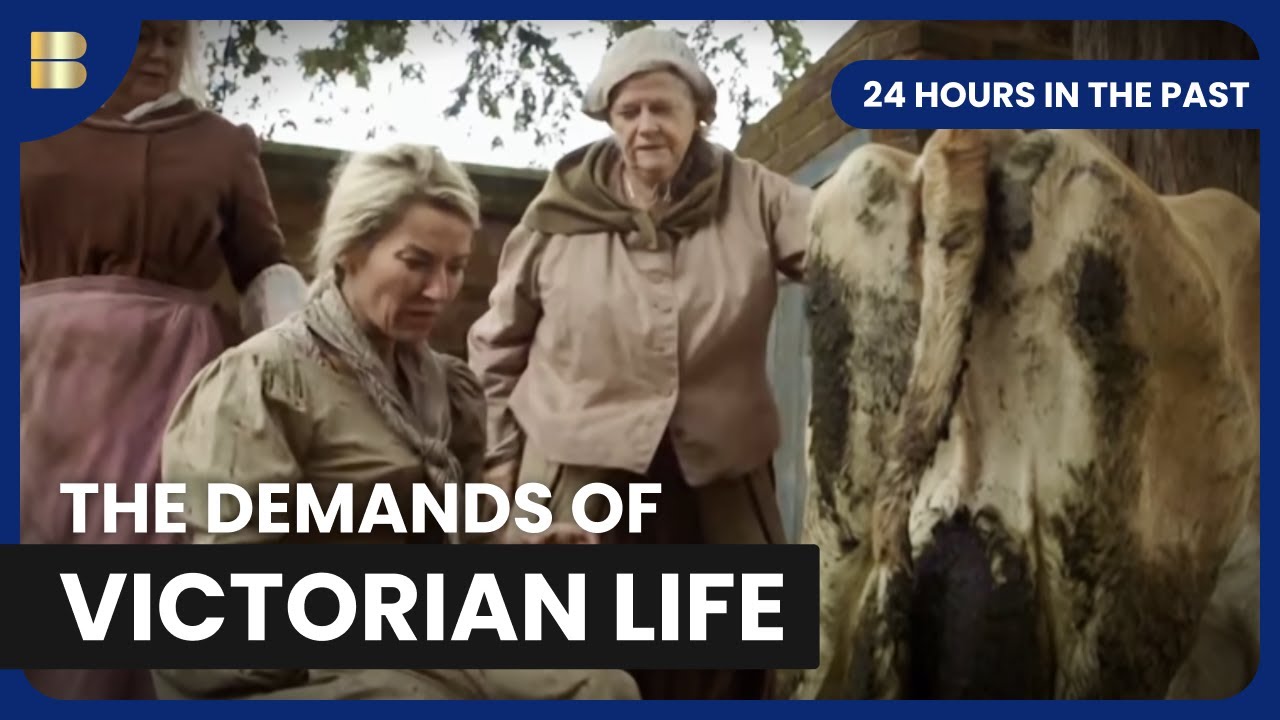
Six participants spend 24 hours in a 19th-century inn, performing demanding tasks like milking cows and serving guests under strict Victorian rules.
Honoré de Balzac reportedly consumed 50 cups of coffee per day, humorously contemplating his cream ratios and writing routine in an exclusive clip.
Construction of the Eiffel Tower took just 2 years, 2 months, and 5 days, using over 18,000 metal parts and 2.5 million rivets.
A 20th-century academic arrives at a house with a briefcase containing letters from the 19th century in a discussion about the play Arcadia.
Sir Arthur Wellesley's strategic use of the reverse slope tactic at the Battle of Vimeiro in 1808 played a crucial role in the success of the Anglo-Portuguese forces against the French.
In the 1890s, the bicycle craze in America provided women with a reliable means of travel, challenging societal norms and influencing fashion choices.
In 1870, London had 3.2 million fires, creating hazardous conditions for child laborers known as chimney boys, who often suffered serious health problems.
Ellis Island serves as the focal point for a study of immigration to the United States from the late 1800s to the mid-1950s, featuring personal reminiscences and historical footage.
On its opening day in 1843, 50,000 people descended the staircase to experience the Thames tunnel, which was then a bustling fairground.
SS Great Britain, designed by Isambard Kingdom Brunel, revolutionized maritime travel in the 19th century with its iron hull and innovative screw propeller.
Portland's city workers were allowed rum breaks during Prohibition, reflecting the city's historical ties to alcohol production and trade.