From over 100,000 films, discover the handful you'll love.
Free or premium access to the world's largest documentary library.
Topics explored in films with this theme:
14119 films(Page 56 of 295)
Oil companies have known since the 1940s and 50s that carbon emissions contribute to sea level rise, yet they concealed this information from the public.
Low-cost fashion has led to nearly 56 million tonnes of clothing sold annually, raising urgent concerns about environmental sustainability and consumer habits in Europe.
Large-scale fly tipping increased by 13% last year, driven by organized crime networks profiting from illegal waste disposal across the UK.
Tourists in Barcelona use, on average, 3 to 5 times more water than local residents, contributing to a severe water scarcity crisis.
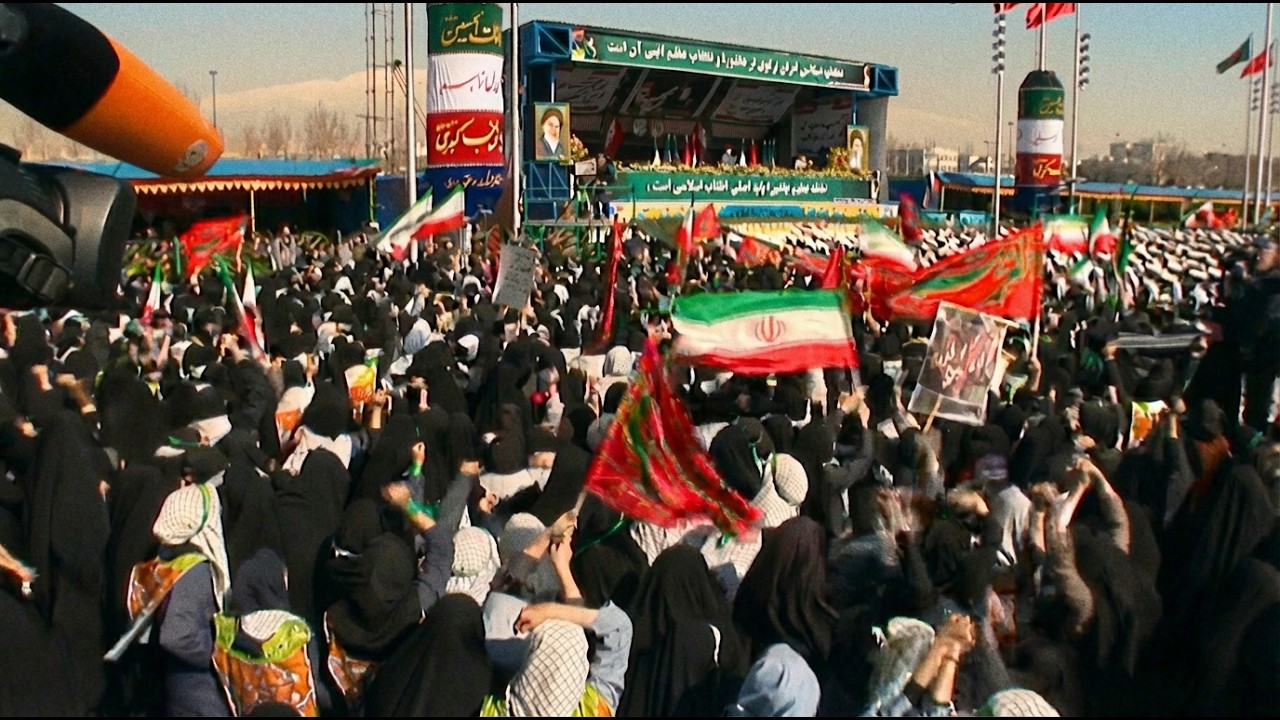
3,000 individuals gathered outside the Danish embassy in Tehran in 2006, demanding the building's destruction over the publication of Muhammad cartoons.
Sea levels could rise as much as 20 feet by the end of the century, threatening to destroy a quarter of all homes within 500 feet of America's coast.
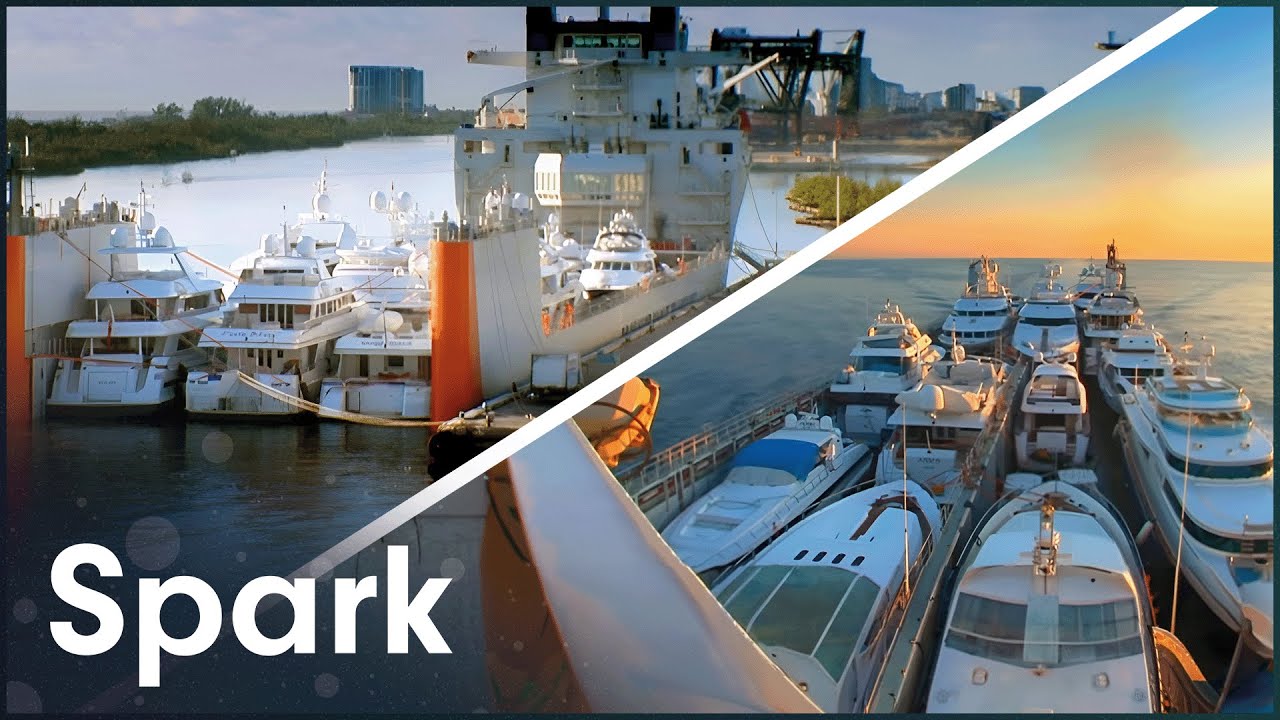
A team transports 20 mega-yachts from Genoa, Italy, to Fort Lauderdale, Florida, this week.
In August 2003, Paris recorded 650 deaths over three days during a heat wave, a number comparable to three airplane crashes.
Mumbai's beaches are overwhelmed by plastic pollution, revealing the significant impact of consumer waste and the urgent need for environmental responsibility.
Mafias in Italy profit from waste management, making billions at local communities' expense.
The number of all birds in Europe has plummeted by around 420 million since 1990, a decrease of twenty percent.
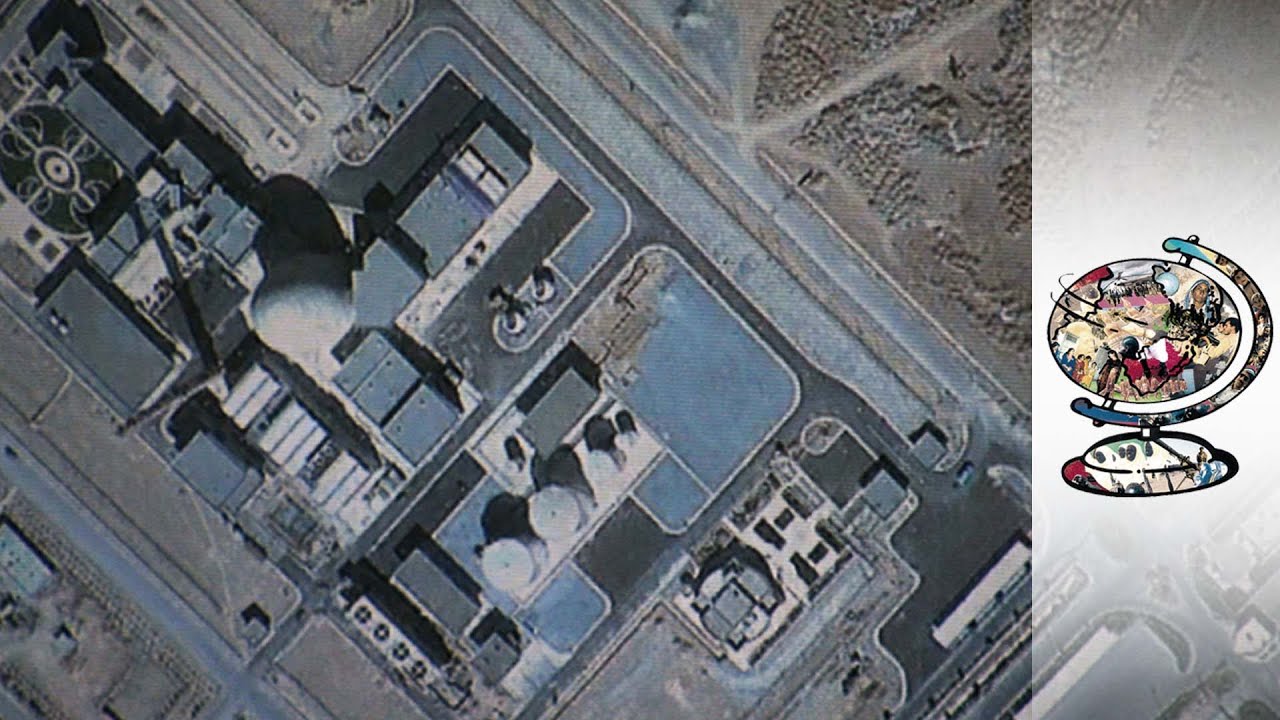
Five Iranian nuclear experts have been killed in car bombings over the past two years amid rising tensions over the country's nuclear program.
227 environmental activists were killed in 2020, as individuals like Celestine AkpoBari in Nigeria face threats and violence for opposing oil pollution.
Kazi Rahman, a Bangladeshi-British entrepreneur, aims to launch Britain's first Sharia friendly airline after years of building a successful perfume business.
On average, children tested in the film had 40 different pesticides present in their hair, raising concerns about health risks linked to chemical exposure.
One quarter of the world's nickel deposits are located in New Caledonia, where mining operations have been ongoing for several hundred years.
In Mubende, 4,000 Ugandans are evicted for a coffee plantation by the Neumann group in 2001.
The Humboldt Forum, built at a cost of 680 million euros, is a reconstruction of Berlin's former Royal Palace, sparking intense debate over its cultural implications.
Over the past 30 years, almost half of Cameroon's wildlife has disappeared due to poaching and habitat loss, prompting urgent conservation efforts.
2.6 million hectares of rainforest have been destroyed in Indonesia due to the expansion of palm oil plantations, threatening local communities and wildlife.
Seventy percent of Saudi Arabia's population is under 30, driving a push for social change and greater rights amid ongoing government restrictions.
Five military coups have occurred in the central Sahel in just a few years, leading to a power vacuum that Russia is now filling with military support.
15,000 people die annually in Germany from infections caused by resistant bacteria acquired in hospitals, illustrating a growing global health crisis.
Smart homes pose a threat to our lives as the Internet invades everything around us.
500 head of cattle have been killed by wolves in Washington over the past decade, sparking conflict between ranchers and wildlife advocates.
In August 1951, the French village of Pont-Saint-Esprit experienced mass hallucinations and chaos, leading to speculation that the CIA may have poisoned its residents.
Five billion people from Generation Z and Generation Alpha view digital connectivity as a human right amid the challenges of climate change and resource scarcity.
Coca-Cola faces scrutiny over its commitment to a 'World Without Waste' amid plastic pollution.
In the late 1990s, Unocal's vice president, Mary Miller, secretly invited Taliban leaders to the company's headquarters in Sugarland, Texas, to discuss a pipeline project.
At least 15 percent of the continental United States has been leased by oil and gas companies for hydraulic fracturing operations.
Philips recorded $20 billion in sales in 2016 after shifting its focus from lighting to healthcare, addressing major global health challenges.
Panama's canal connects the Atlantic and Pacific Oceans but faces drought-related challenges.
More than 10,000 illegal gold panners work in Guyana, contributing to severe environmental damage and health risks from mercury contamination.
560 pupils celebrate their matriculation at the Nakhimov school in Vladivostok, a city undergoing rapid economic change and military expansion.
Colombia's Amazon has lost 39 million hectares of native forests, prompting military efforts to combat illegal logging and protect the environment.
Orangutans are expected to become extinct in the wild within 50 years due to the illegal poaching industry that thrives on their capture and sale.
Volkswagen faced a record $20 billion fine for cheating emissions tests, revealing widespread malpractices among several major auto manufacturers.
Seventy percent of cheap tinned tomatoes sold in Europe come from Italy, where illegal workers from sub-Saharan Africa face harsh conditions in the fields.
Philips recorded $20 billion in sales in 2016 after shifting its focus from light bulbs to healthcare solutions amid significant industry challenges.
More than half the UK is now available for shale gas exploration as the government pushes forward with fracking despite community opposition.
The chocolate industry still profits from child labor despite past commitments to end it.
Children in northern Colombia risk their lives daily to attend school in Bajo Cauca.
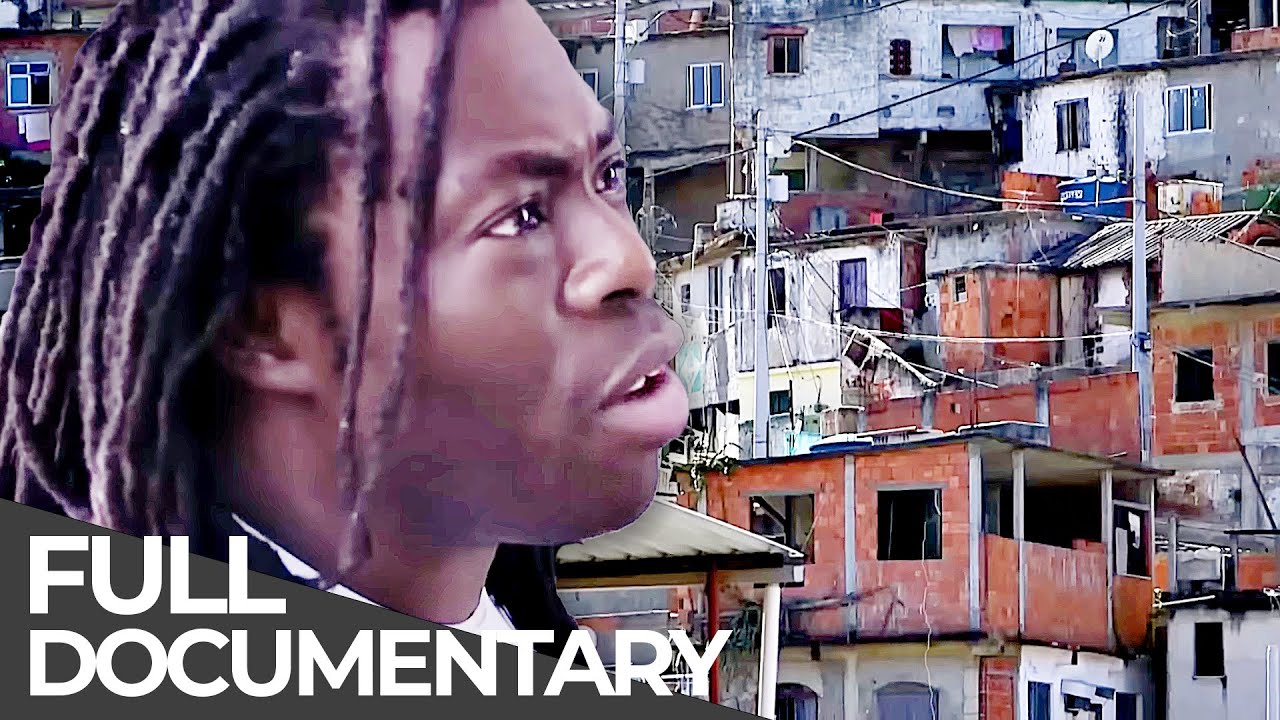
For the first time in 30 years, the Brazilian army is deployed in Rio de Janeiro to assist police in combating drug gangs controlling the city.
Australia's Great Artesian Basin, a major water reserve, is running dry after taking two million years to fill, raising concerns about the country's water management.
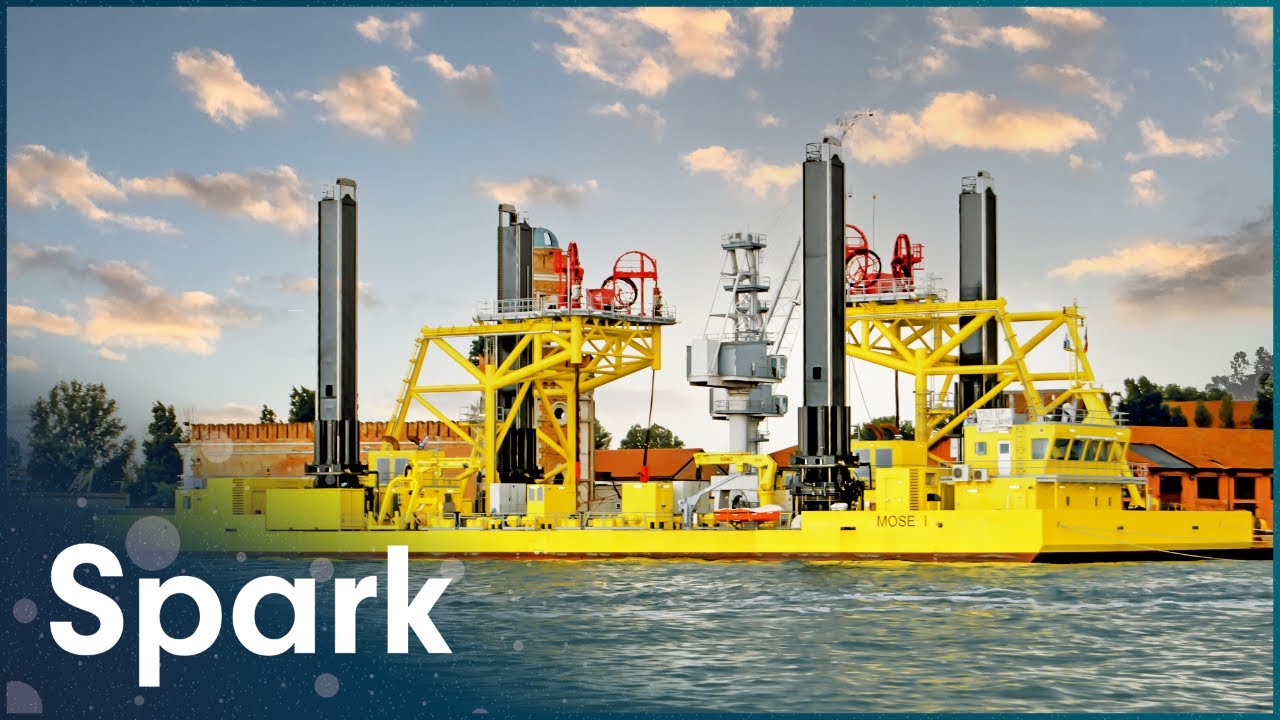
A 7.3 billion euro water barrier system with 78 floating gates is under construction to protect Venice from recurrent flooding and rising sea levels.
100,000 signatures were collected for a petition demanding subsidies for environmentally friendly farming during protests outside the European Commission in Brussels.
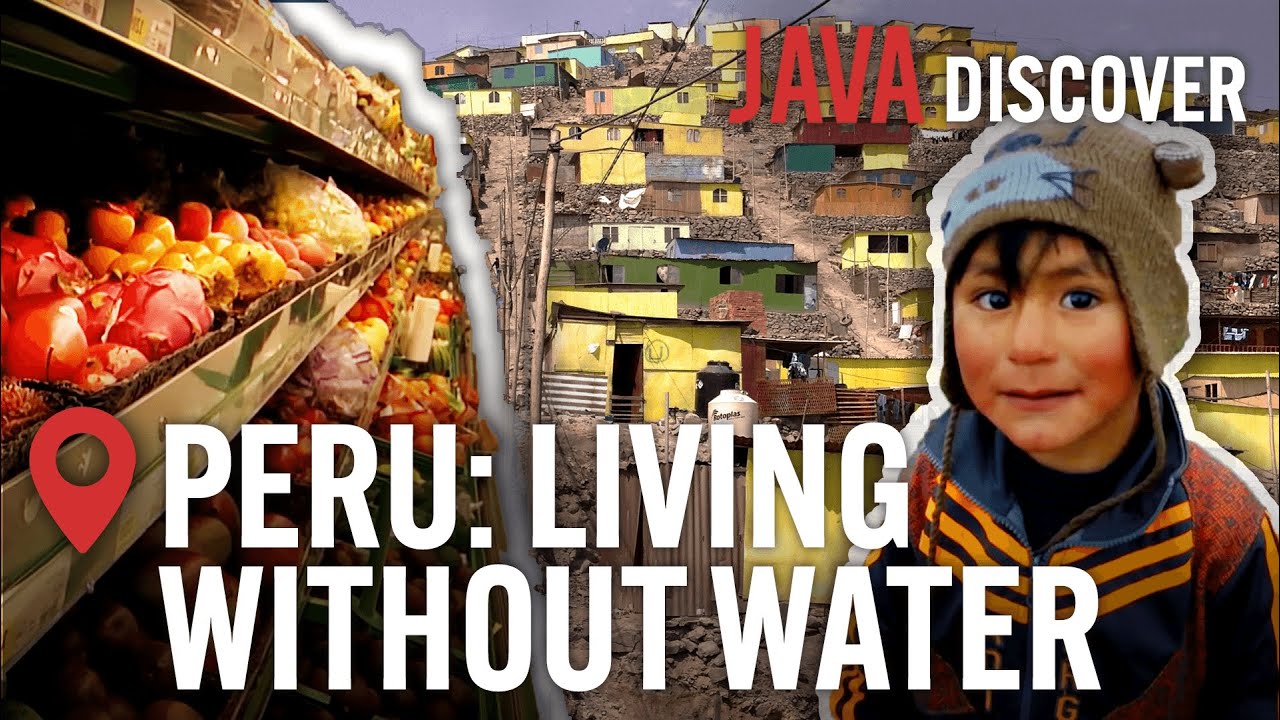
In Peru, millions live without running water, facing dire consequences for water access.
The Ethiopian government leases millions of hectares of farmland to foreign investors, leading to forced evictions and the destruction of local smallholdings.