From over 100,000 films, discover the handful you'll love.
Free or premium access to the world's largest documentary library.
Topics explored in films with this theme:
14116 films(Page 65 of 295)
270,000 liters of water can be saved each month through innovative solutions implemented in Bali's tourism industry.
About 50 animals have died in just three months at Surabaya Zoo, which has been described as a "disease-carrying death zoo."
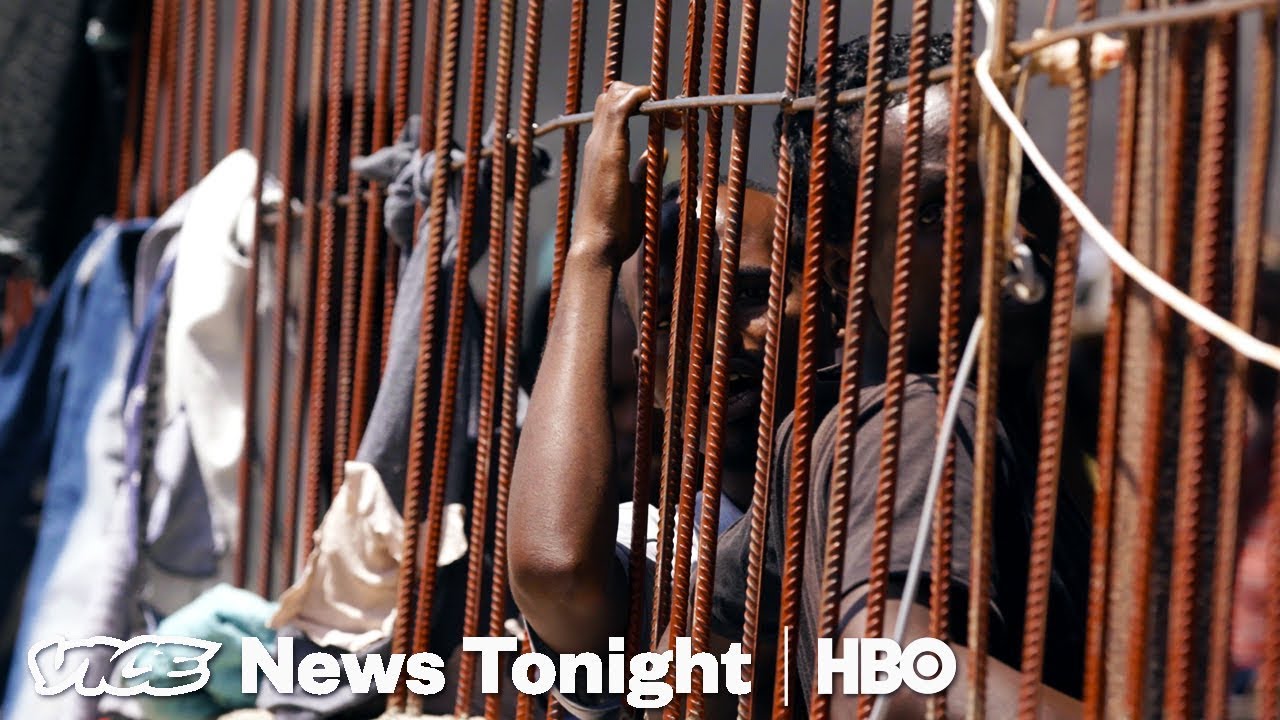
Yemen's ongoing civil war exacerbates a humanitarian crisis as thousands of migrants from the Horn of Africa face perilous conditions in Shabwa while seeking better opportunities.
FRONTLINE and ProPublica reveal ties between Atomwaffen Division and violent white supremacy in America.
Guinea faces a chaotic Ebola outbreak response with Doctors Without Borders leading efforts.
Up to 350,000 Malaysian pythons were killed each year for luxury goods before a 2004 European Union ban halted the trade.
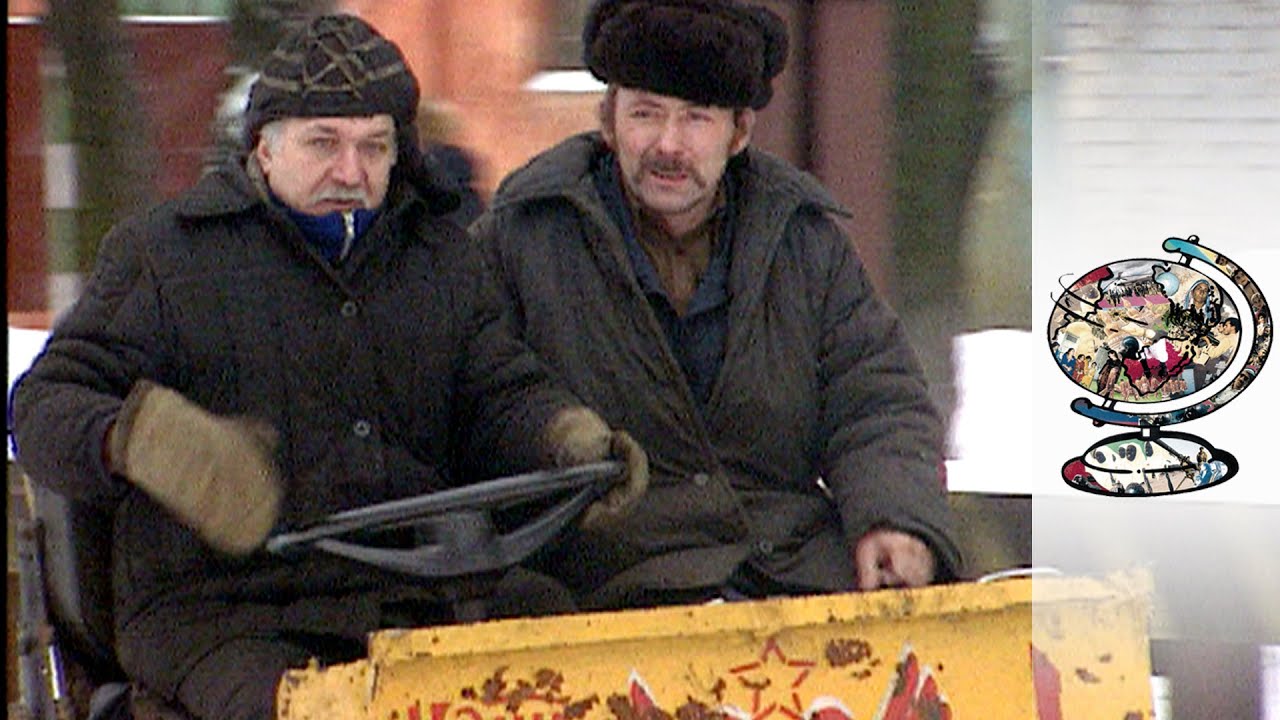
In July, a new management team took over Yaroslavl's tire factory, transforming it from paying workers with tires to offering regular salaries.
Climate activists chain themselves to protest Joe Manchin's coal profits in April.
In Chile's Atacama Salt Flat, SQM's lithium extraction raises questions about meeting global demand while addressing environmental concerns from local entrepreneurs like Rosa Ramos.
Thousands of migrants face freezing conditions at the Belarus-Poland border due to the Lukashenko regime.
Since 1971, the World Economic Forum has gathered global elites in Davos, where 70 individuals hold as much wealth as the bottom 50% of the world.
Iran faces a chronic water crisis as lakes and groundwater reserves threaten to run dry.
Widows demand answers as fingers point at the US and Israel for Dariush's murder.
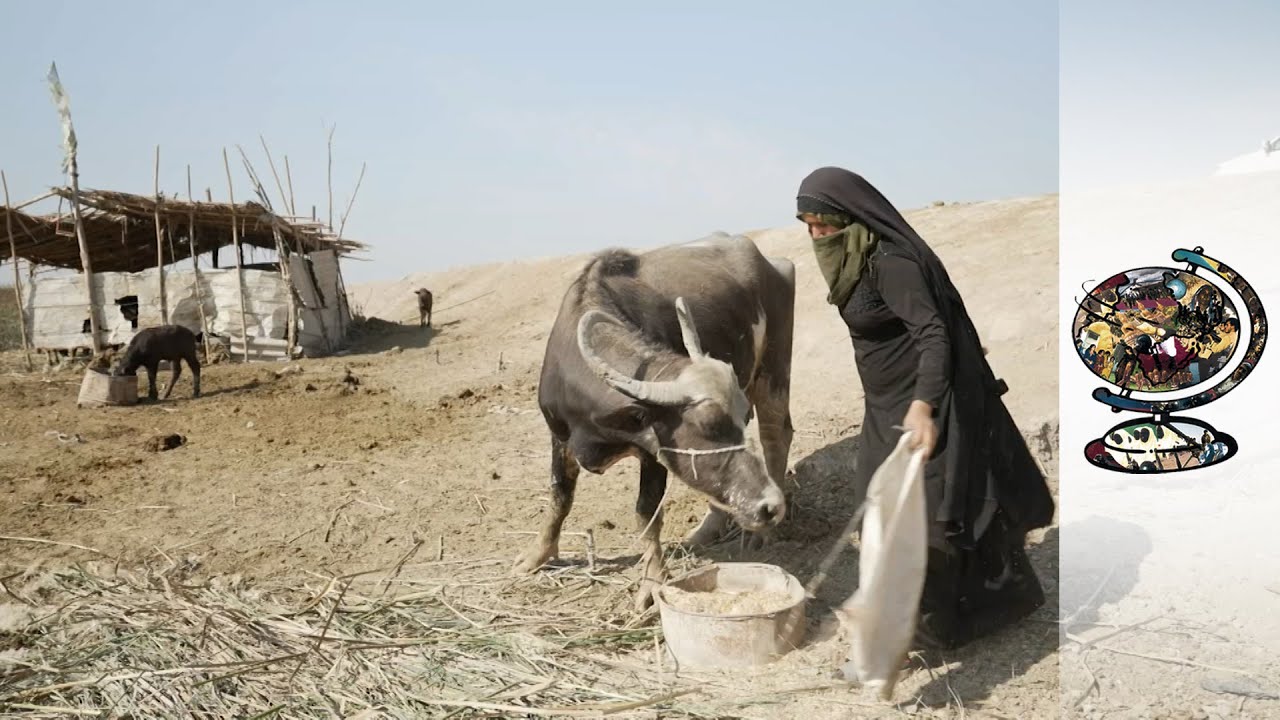
Iraq faces severe water shortages threatening ancient Mesopotamian marshes and livelihoods.
Between 10,000 and 15,000 tourists visit Bali each month, contributing to a growing waste crisis that threatens the island's environment and local culture.
Bolivia's lithium reserves may boost its economy or become a lost opportunity.
Advocates debate if capitalism is compatible with climate action and economic growth.
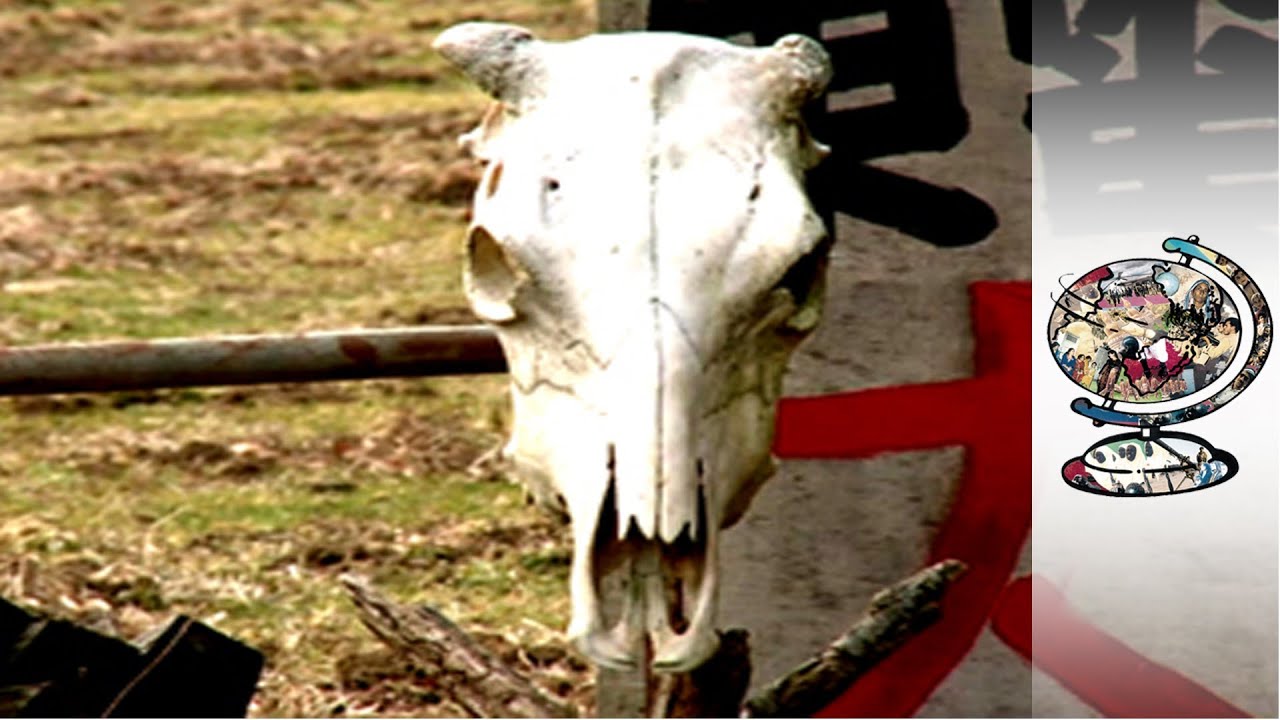
A mud lake in East Java has swallowed a dozen villages since the disaster began in 2006, with experts divided on its cause.
Elephant relocation in South Africa addresses overpopulation issues in game parks.
Eugenio Bito discusses Kalayaan Island's potential as a conflict zone in the South China Sea.
Justin Trudeau's government plans to purchase the Trans Mountain pipeline and its expansion for $4.5 billion, facing strong opposition from First Nations and eco-activists.
Yemen's qat habit affects lives, with ninety percent of men chewing it daily and concerns rising.
Russia and Japan's dispute over the Kuril Islands continues since World War II never officially ended.
Roughly 30% of living donor transplants in the United States come from unrelated donors, revealing a complex network of organ trafficking.
Teora, a village in Avellino province, gained 31 new residents from four countries as families seek refuge from city life during the pandemic.
Nearly 40,000 residents in Jackson, Mississippi, went without clean water for almost three weeks following a winter storm in February 2021.
Ford's market share has decreased significantly, dropping from 18 million units to 8.5 million units during the economic downturn.
The number of compounds in the pharmaceutical industry's pipeline has increased compared to five years ago, according to Dan Vasella, CEO of Novartis.
Fewer than 1,000 geisha remain in Japan, a significant decline from the 880,000 recorded in the past, as modern pressures threaten their existence.
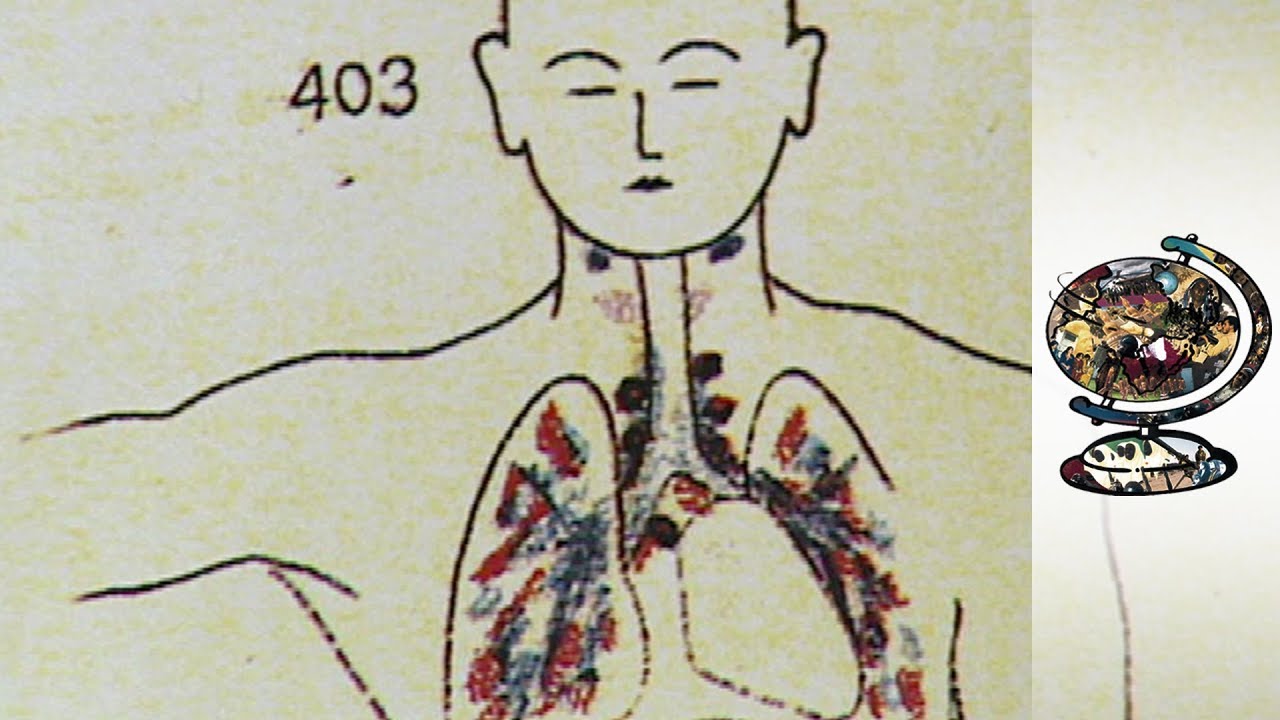
Approximately 250,000 Chinese individuals were infected with deadly pathogens developed at a secret Japanese facility during World War II.
Ten years later, Fukushima, Japan, still faces the impact of the nuclear disaster and population decline.
Jeffrey Goldberg discusses Mark and Delia Owens' fight against poaching in this week's New Yorker.
Derek Brower and Jennifer Granholm discuss Europe's energy crisis and rising gas prices.
Fukushima Now shows the ongoing clean-up of Japan's worst nuclear disaster at Fukushima.
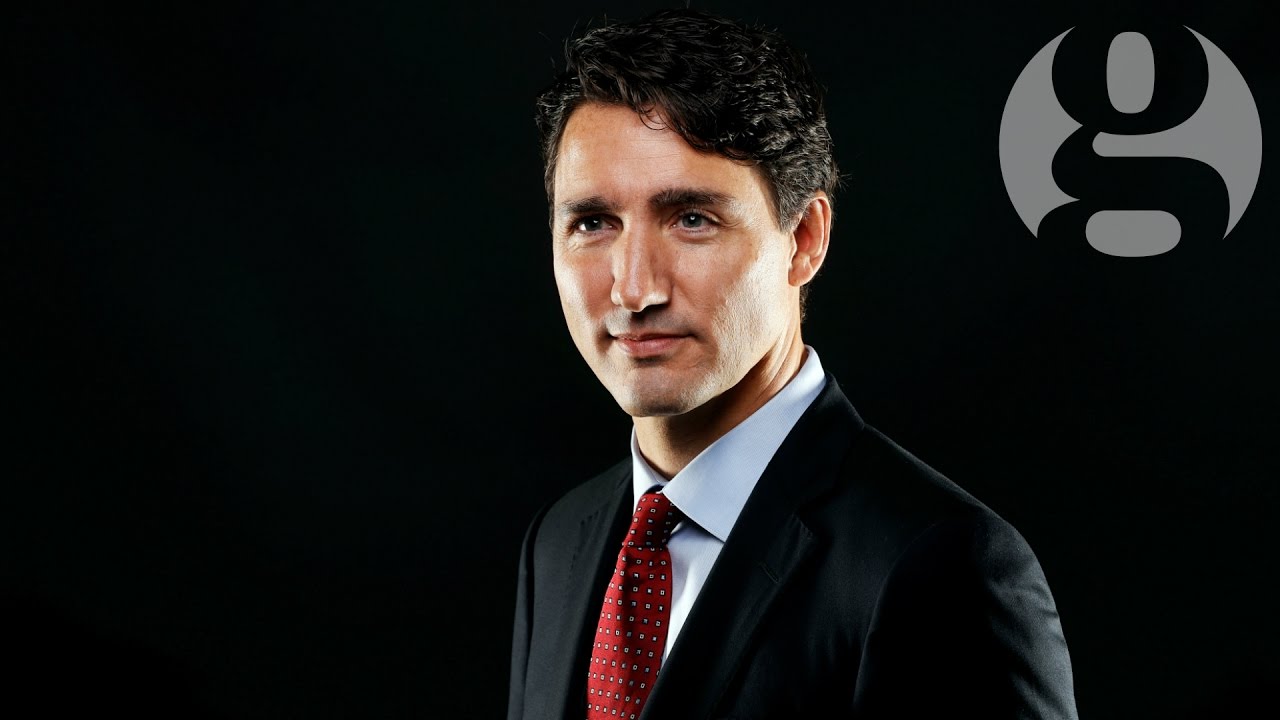
Justin Trudeau discusses middle-class anxiety and climate change in Canada amid Trump's rise.
Bren Smith promotes kelp farming as a solution to climate change and ocean health.
Communities in Montana, South Dakota, and Nebraska react to the revived Keystone XL pipeline project.
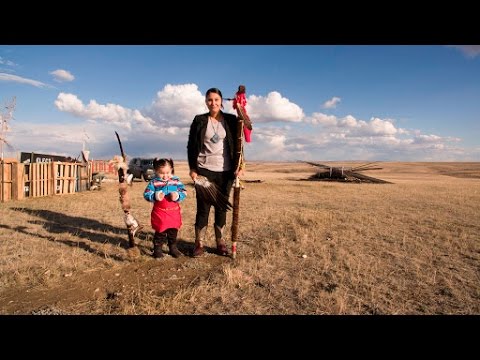
Local ranchers and tribal leaders oppose the Keystone XL pipeline in South Dakota.
Harriet Grant reports on children reclaiming play spaces from cars in Bristol's streets.
Safari operators in Zimbabwe offer overseas clients the chance to hunt leopards with specially bred dogs, raising ethical concerns about wildlife conservation.
David Wallace works to save the endangered Kiwi, New Zealand's national bird, from extinction.
There are 6,000 dog restaurants in South Korea, where one-third of the population reportedly consumed dog meat in the past year.
Lake Enriquillo in the Dominican Republic faces severe environmental degradation due to the black market charcoal trade, exacerbated by climate change and economic challenges.
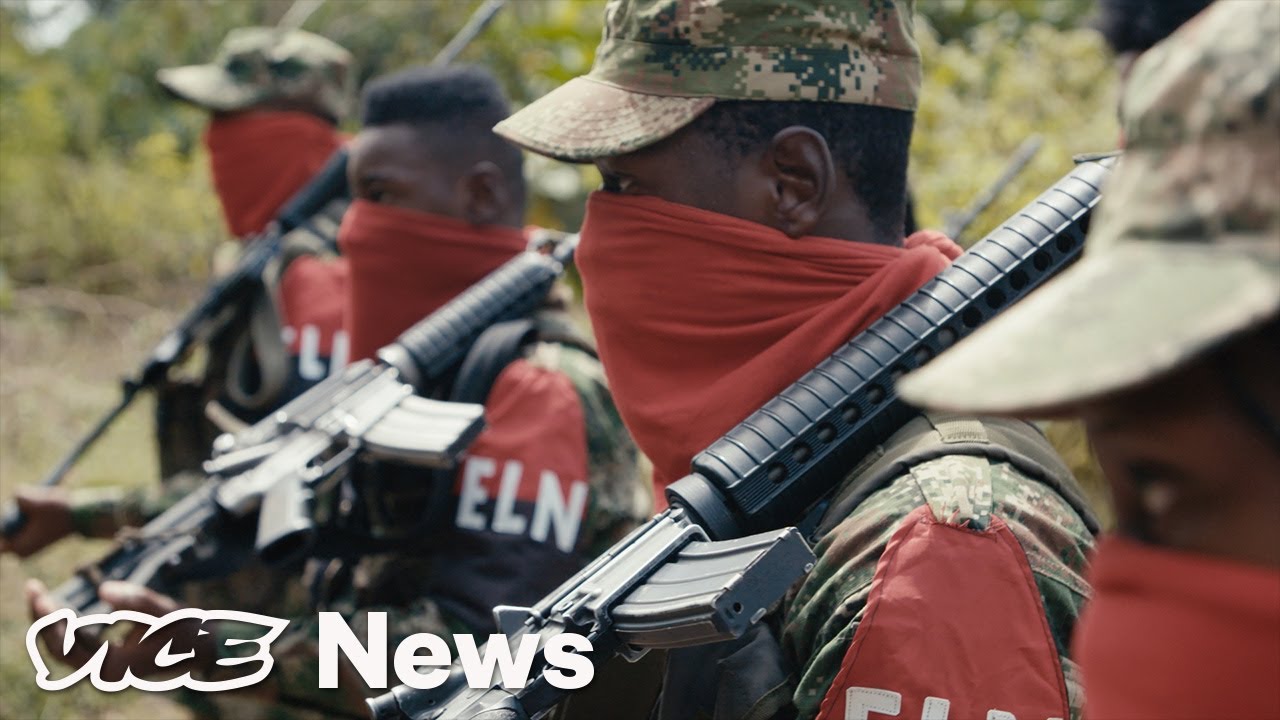
Three years after the historic peace agreement between the Revolutionary Armed Forces of Colombia (FARC) and the government, violence continues to threaten stability in the country.
Lebanon's economic collapse worsens suffering amid COVID-19, with rising poverty and protests.
A 100% increase in the poverty rate has forced many Lebanese families to limit meat consumption to special occasions amid a deepening economic crisis.
Privateer Holdings raised $7 million from investors to capitalize on the emerging cannabis market as legalization spreads across the United States.
Naomi Klein argues climate change can drive positive change, citing Wall Street and Fukushima.