From over 100,000 films, discover the handful you'll love.
Free or premium access to the world's largest documentary library.
Topics explored in films with this theme:
14119 films(Page 96 of 295)
Seals and sea lions are really well adapted for living underwater with exceptional vision.
The Stanford Prison Experiment: Unlocking the Truth streams on Disney+ and Hulu now.
Evidence and theories are presented regarding the role of human activity and climate change in the extinction of mammoths and other Ice Age giants.
Abandoned monuments and structures across various countries illustrate the decline of empires and the shifting nature of power throughout history.
In Moldova, second-hand shop owner Ludmila reveals that 45% of clothes from recycling bins end up in landfills, challenging the effectiveness of clothing recycling.
Comets, such as Hale-Bopp and Halley's Comet, are small icy bodies in the Solar System that form visible comas and tails as they approach the Sun, with significant insights gained from missions like ESA's Rosetta.
Antimatter, a key concept in particle physics, is explored through its creation from energy and its role in the universe, including its fictional use in Star Trek.
Companies from British Airways to Facebook commit to achieving net zero emissions.
Nuclear fusion offers a clean, unlimited energy source amid rising global energy demands.
A 6-month-old fetus may survive outside the womb, raising ethical questions in Britain.
Gerard Barron discusses The Metals Company's deep-sea mining as an alternative to traditional methods.
Lady, the last lioness alive in Zambia, may help rebuild the lion population in Liuwa Plains.
The remains of a beached whale teach scientists about life and death in nature.
Kilauea's 2018 eruption displaced 2,500 people, marking it as the most active volcano in the world.
The globally average surface temperature has not increased in any significant way since 1998, raising questions about climate change predictions.
Hair reveals a person's toxic exposure history, aiding forensic toxicology investigations.
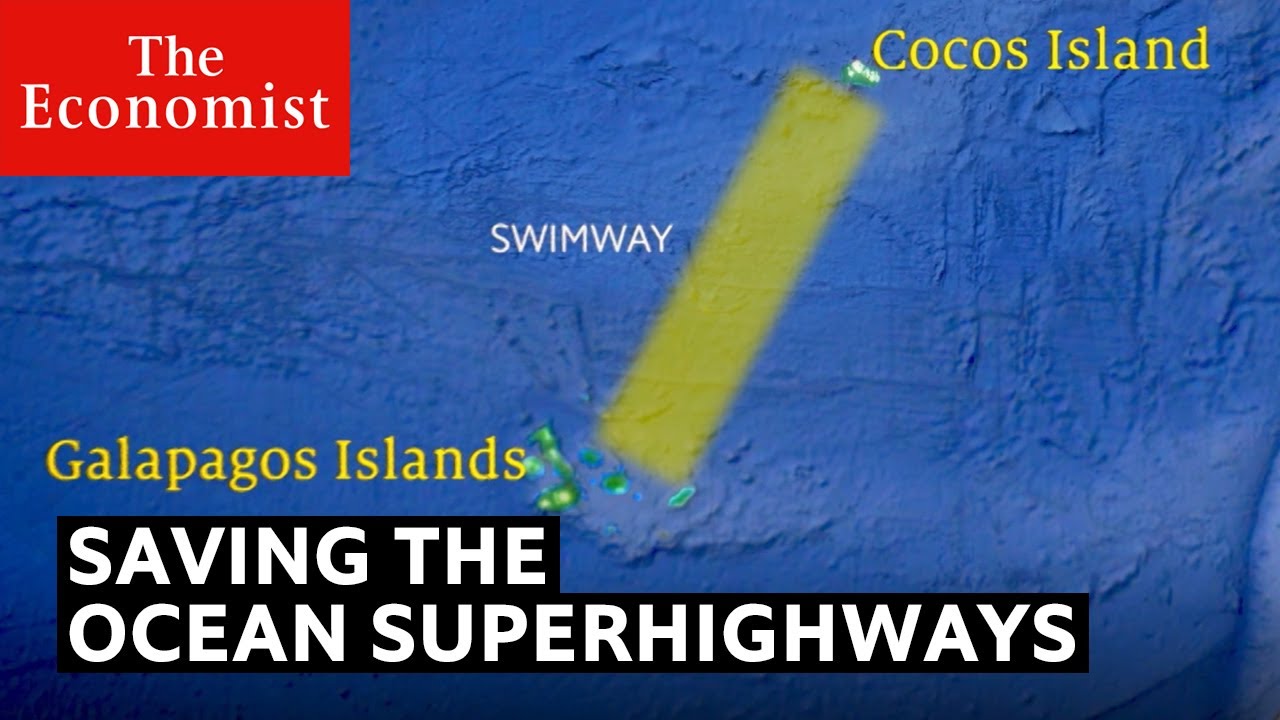
Marine protected areas currently cover only 3.6 percent of the ocean, prompting urgent calls for expansion to safeguard migratory species.
In 1961, archaeologists in southern Israel uncovered documents that reveal the significant social status and agency of Nabataean women in first-century Petra.
Ingenuity is defined as doing anything new that has intrinsic societal value, according to various winners of the Ingenuity Awards.
Resource exploitation in the Solomon Islands disrupts evolutionary processes that have shaped local ecosystems for thousands of years.
Greenland's strategic location in the Arctic is increasingly significant in global geopolitics, influencing relations among the United States, China, and Denmark.
Martin Greguš Jr. captures a polar bear dreaming in an iconic drone video.
American and Cuban crocodiles meet in swampy areas, highlighting conservation efforts for the Cuban crocodile.
Travis and Jimmy Chin discuss mountain risks and what happens when plans go wrong.
Supplies brought from England to the British penal colony were rotting as convicts and their jailers faced imminent starvation.
Caretakers at the Smithsonian's National Zoo discuss when panda eye patches appear.
X-ray technology in shoe stores once led to hazardous practices, paralleling other unsafe trends like doctors endorsing smoking and children playing with radioactive toys.
A rhino's horn is now worth more than the live animal on the black market, prompting increased militarization of anti-poaching efforts in South Africa.
One of ten hammerhead species worldwide, the scalloped hammerhead has a uniquely shaped head with rounded scallop-like features.
The Gurung tribe uses elaborate methods to gather honey in the Himalayas every Tuesday and Sunday.
Global plastic production is projected to reach 350 million tons annually by 2060, with 11 to 14 million tons entering the ocean each year.
More than 1,000 people died in catastrophic flooding in Pakistan, prompting legal actions against governments and fossil fuel companies for climate change damages.
The video showcases the fun career of an ice cream scientist and the science behind it.
Sweden generates 90% of its electricity from hydro and nuclear power, while Australia relies on coal for 80% of its energy needs.
Australia's heavy reliance on coal contrasts sharply with Sweden's nuclear energy production, highlighting the ongoing debate over nuclear power's role in addressing climate change.
Ten daily tons of ant waste enrich the rainforest soil, providing essential nutrients that support diverse plant and animal life on Barro Colorado.
In the winter of 1995, 15 gray wolves captured in Canada were released into Yellowstone, marking the start of a major ecological restoration project.
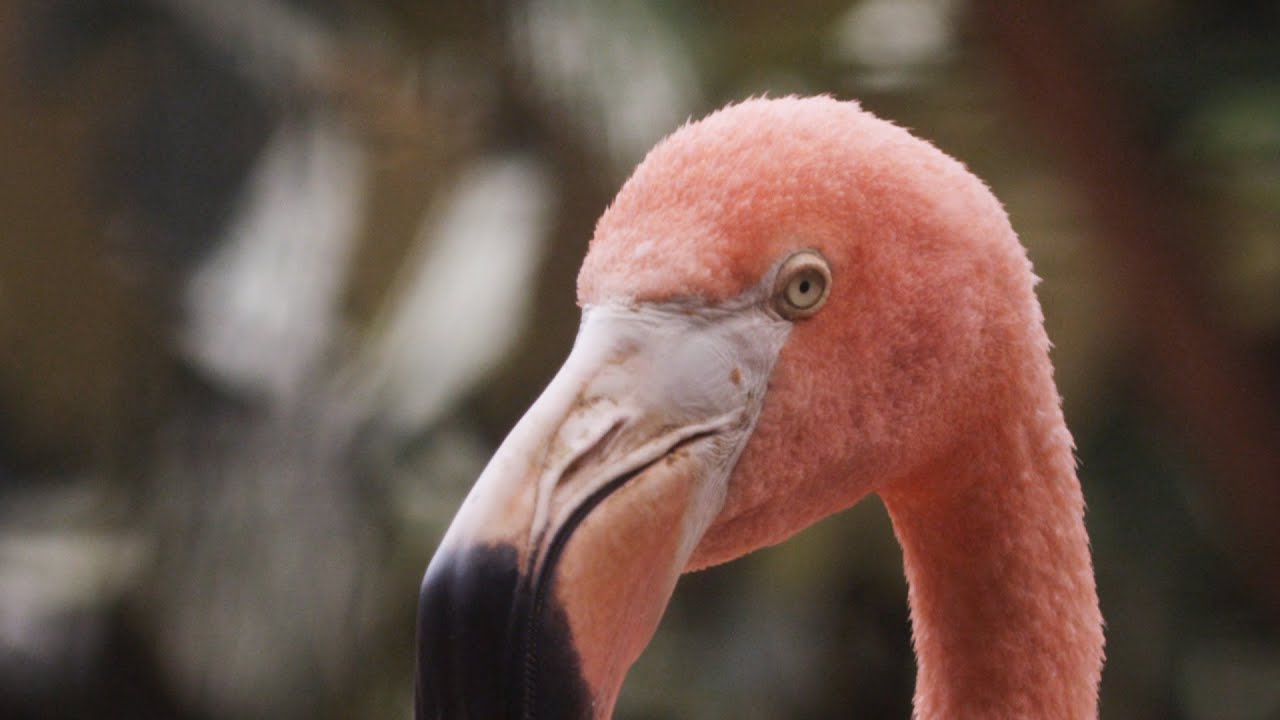
A caretaker at Smithsonian's National Zoo explains why flamingos are pink due to their diet.
Morland Sanders explores climate change and its impact on heatwaves in London.
California's Coachella and Glastonbury show how festival costs have skyrocketed over the years.
The ocean is our life support system and the largest habitat on Earth, facing major threats.
Baboons in Zambia help tamarind trees grow by dispersing seeds through their dung.
New bike lanes in cities around the world aim to reduce car reliance amid the climate crisis.
iSimangaliso Wetland Park is a World Heritage Site known for its sheer biodiversity.
A carbon fiber chassis for the Alfa Romeo 4C weighs just 143 pounds, but its construction involves a labor-intensive, hand-crafted process.
China promotes potatoes to address food supply issues and reliance on imports.
The video highlights conscious consumerism and its impact on purchasing decisions.
Deception Valley's harsh climate creates a pristine wildlife habitat in the Kalahari.