From over 100,000 films, discover the handful you'll love.
Free or premium access to the world's largest documentary library.
Topics explored in films with this theme:
14116 films(Page 93 of 295)
In Arctic Svalbard, Norway, Svalbard Brewery produces high-quality beer using 2,000-year-old glacier water, following the repeal of brewing restrictions in 2015.
Meet Bandar and Suuch, two cubs with distinct personalities and playful interactions.
Seven pride lands in the Aavango Delta are each as large as Manhattan, where lions defend their territory against intruders.
Astronauts recycle urine into drinking water in America's Secret Space Heroes series.
Yellow baboons in Kenya exhibit strong male-female bonds through extensive grooming habits, highlighting their affectionate nature year-round.
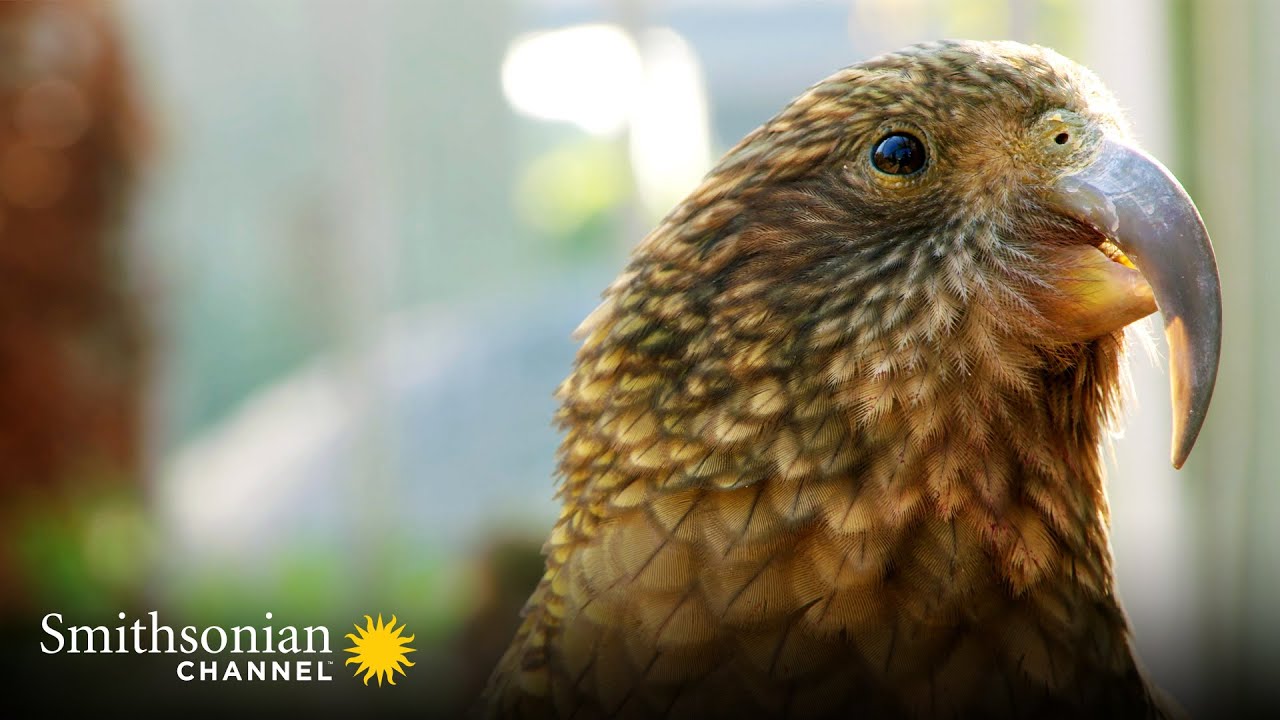
Biologist Raul Schwing studies Kia birds and their contagious playfulness through sound.
Barbets love crateva fruit and steal it from Indian mynas after they open it.
These insects have munched through Smithsonian specimens for over 70 years, aiding decomposition.
Grizzly bear cubs in Russia's Wild Seas learn to fish for slippery salmon in summer ponds.
In Spain, pilots undergo rigorous training, including crash-landing drills and low-altitude water drops, to prepare for the dangerous task of fighting wildfires.
A scientist places a taxidermied bird in monarch flycatcher territory to study their aggressive behavior.
Marabou storks thrive in finding food, featured in the Series: Tales From Zambia: Pride Lands.
Bahama feral pigs thrive in the wild, attracting tourists with their swimming skills and charm.
Female fire salamanders use a fountain in Heidelberg to give birth while evading male toads.
The wild pigs of the Bahamas swim and adapt to island life in surprising ways.
Hungry wolves trick bears to steal carrion in a clever survival tactic.
A 110-foot-high precipitator at a power plant is dismantled over three days using an excavator with a 100-foot arm to control the process.
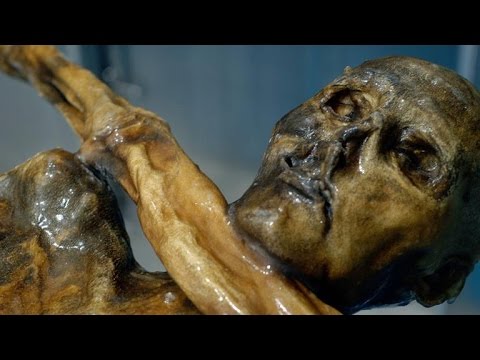
In the Ötztal Alps, hikers Erika and Helmut Simon find the frozen remains of Ötzi, a 5,300-year-old corpse that provides insights into prehistoric life.
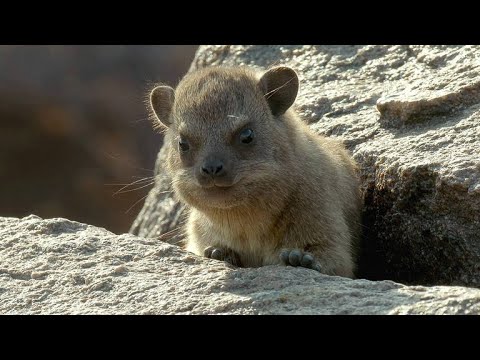
Rock hyraxes spend most of their time resting, with adults often enjoying late morning naps on warm rocks while their babies soak up the sun.
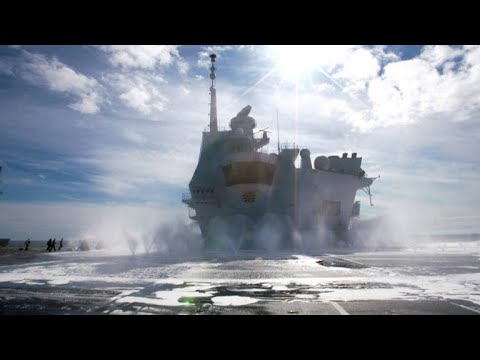
The Royal Navy equips HMS Queen Elizabeth with advanced fire suppression systems to prevent disasters.
Rajan, the lion-tailed macaque, leads his troop into danger for food in this episode.
Van Phillips developed a prosthetic foot inspired by the cheetah, allowing amputees to run with a tool that costs about $100 compared to others priced at $2,000 to $3,000.
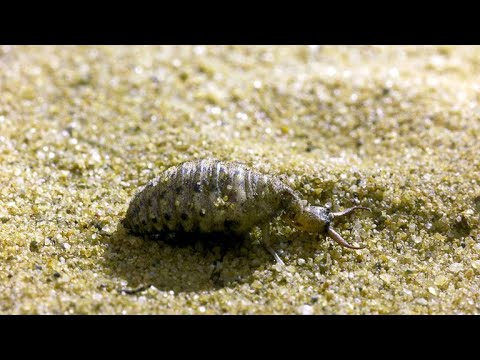
An antlion creates a funnel-shaped burrow in the sand, lying in wait to ambush insects that slip into its deadly trap.
Apollo 8 astronaut William Anders captures the iconic 'Earthrise' photo during the space race.
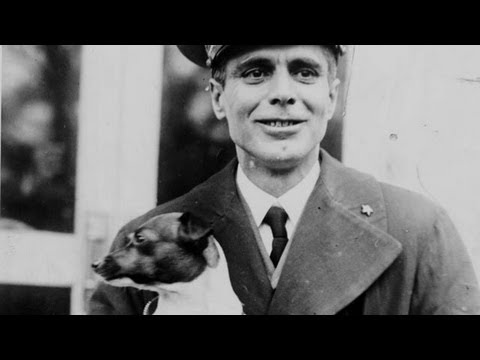
Tina became the first dog to fly over the North Pole in 1926 as a companion to Italian explorer Umberto Nobile during a historic airship expedition.
Yunnan province in China reveals 76 Lufengosaurus specimens from the Jurassic era.
Over 90% of hyacinth macaw nests are located inside the hollows of manduvi trees, where the birds dig out their cozy shelters.
Costa Rica's river anole exhibits a unique ability to produce bubbles while submerged, challenging previous assumptions about its underwater behavior.
The crew of the Sapura 500 installs underwater pipelines at an offshore oil and gas field.
A dormouse is too busy stuffing itself with fruit to watch for predators in Alhambra.
In the spring of 1930, Alfred Wegener and his team conduct an expedition in Greenland to gather evidence supporting the theory of continental drift and Pangea.
A female lioness flirts with a rival male to protect her future cubs from takeover.
Scientist Ross Piper captures rare butterflies in Burma to highlight habitat preservation needs.
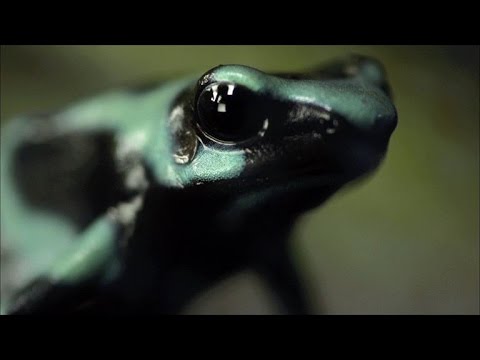
Poison dart frogs, the size of bottle caps, contain a toxin 200 times stronger than morphine.
A bacterium called Jive may help combat the chytrid fungus threatening amphibian populations by causing the fungus to swim away from infected salamanders.
Alexander von Humboldt tests deadly electric eels in Los Llanos for scientific discovery.
Naxos, a Greek island known for its ancient celebrations of Dionysus, has hosted vibrant wine festivals for over 2,500 years, reflecting its rich cultural heritage.
A 60-foot descent system, known as the sky crane, lowered the Curiosity Rover to the Martian surface during its successful landing in 2012.
Logging and fishing companies have plundered the Solomon Islands, endangering unique species and altering the role of scientists into advocates for conservation.
Martha, the last passenger pigeon, died at 1:00 p.m. on September 1, 1914, marking a definitive moment in the history of extinction.
Meet Arina Shokouhi, who creates the ecovado, an alternative avocado for sustainability.
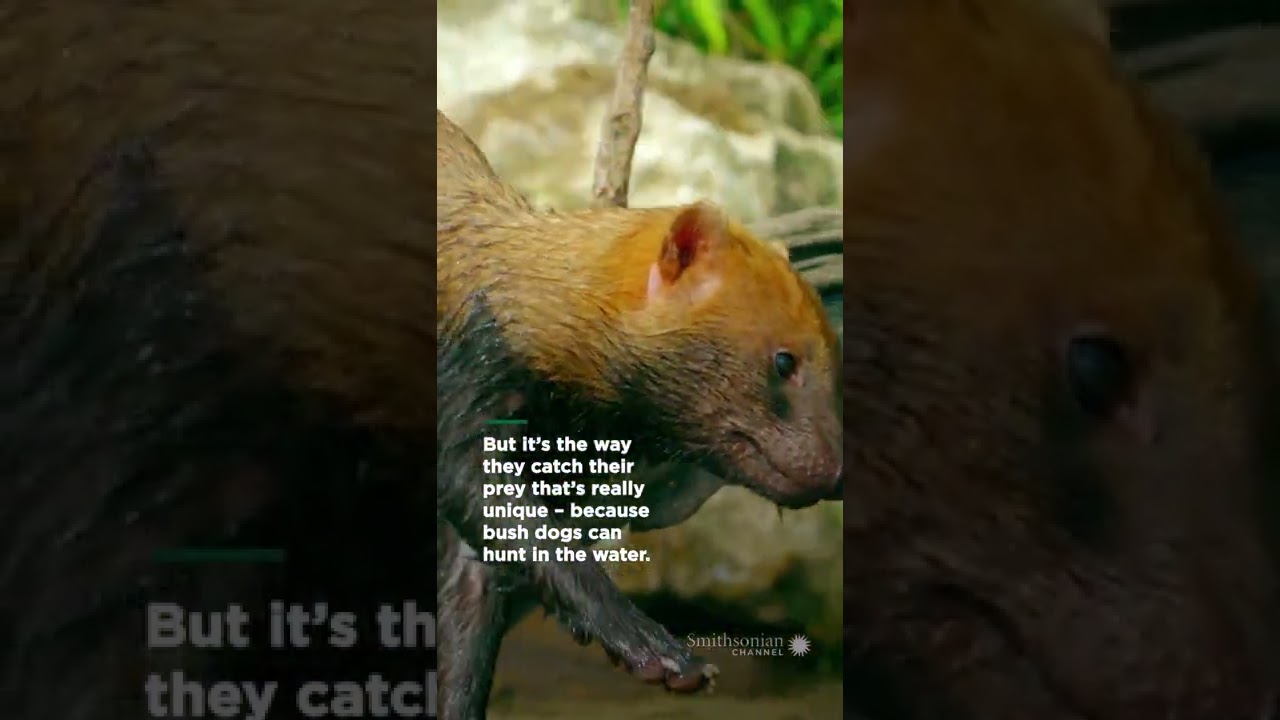
Bush dogs hunt in water and live in groups, showcasing unique social behaviors.
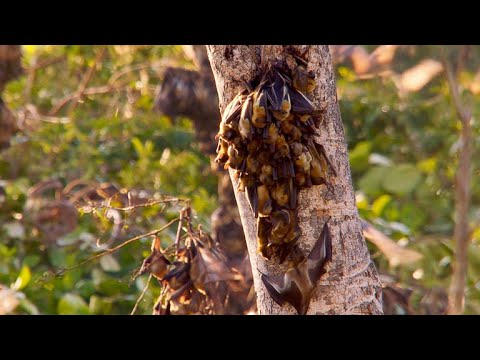
10 million straw-coloured fruit bats gather in a half square mile in Zambia, consuming over a billion waterberries during their migration.
Safa Ezel Kaya protects Bukavu Bay in the Mediterranean from illegal fishing activities.
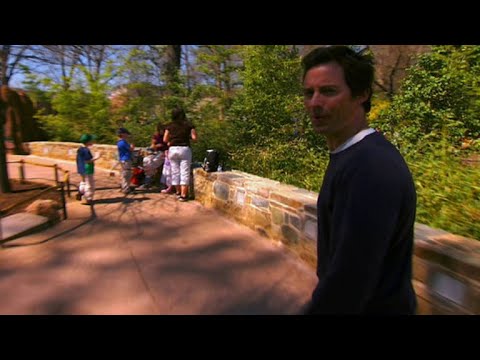
One in five animals at the National Zoo receives formal training to ensure their health and minimize stress during examinations.
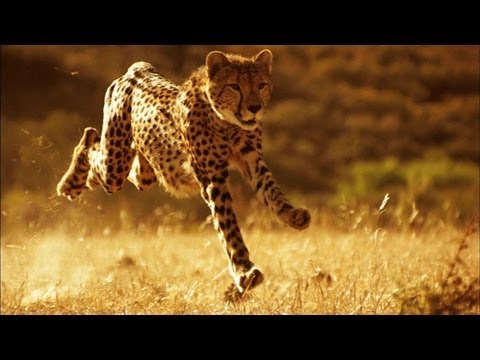
Cheetahs, with their unique physical adaptations like a flexible spine and specialized feet, are the fastest land animals, excelling in speed and hunting in the African savannah.
During the wildebeest migration in Africa, crocodiles and hippos engage in a tense survival dynamic as they navigate the challenges of predator zones.
Buggy the kangaroo and Wally the wombat befriend each other at a rescue center.