From over 100,000 films, discover the handful you'll love.
Free or premium access to the world's largest documentary library.
Topics explored in films with this theme:
14119 films(Page 29 of 295)
Unchecked global warming threatens to drive into extinction one out of every two creatures on Earth, according to the film's analysis of climate change impacts.
Nearly a third of Ghana's 31 million people rely on agriculture and fishing, yet many face poverty despite the country's rich natural resources.
More than 44,000 Cessna 172 Skyhawks have been built since its first sale in 1956, making it the most produced aircraft in history.
One solar flare can release energy equivalent to over 200 million hydrogen atomic bombs, posing a significant threat to life on Earth.
Herpetologist Nathaniel Maury tracks rare reptiles and amphibians in Sri Lanka's wild spaces, emphasizing the urgent need for conservation of these species.
Oil and gas operations are occurring in 32 states, with the Rocky Mountain region experiencing the majority of the expansion near residential areas.
Michel Denis-Huot brings back 7,000 to 8,000 photos from each trip to Kenya, with only three to ten images deemed exceptional.
Andy Casagrande leads a unique Cinema Science expedition to film sharks in 2018.
Angkor Wat, built in the 12th century, took 37 years to complete and is the largest temple in the Angkor archaeological site in Cambodia.
As many as 70,000 people are instantly killed by the atomic bomb dropped on Hiroshima on August 6, 1945, marking the start of the nuclear age.
In Tornado Alley, a construction industry veteran critiques building practices and highlights the urgent need for homes that can withstand extreme weather events.
Animals use unique methods, like Capuchin monkeys rubbing citrus, to combat germs which cause disease.
Biomimicry illustrates how natural phenomena inspire innovations in technology and medicine, showcasing examples from engineering to smart design.
Ten generations of eagle hunters in Mongolia rely on golden eagles, a practice that has survived for over a thousand years despite modern pressures.
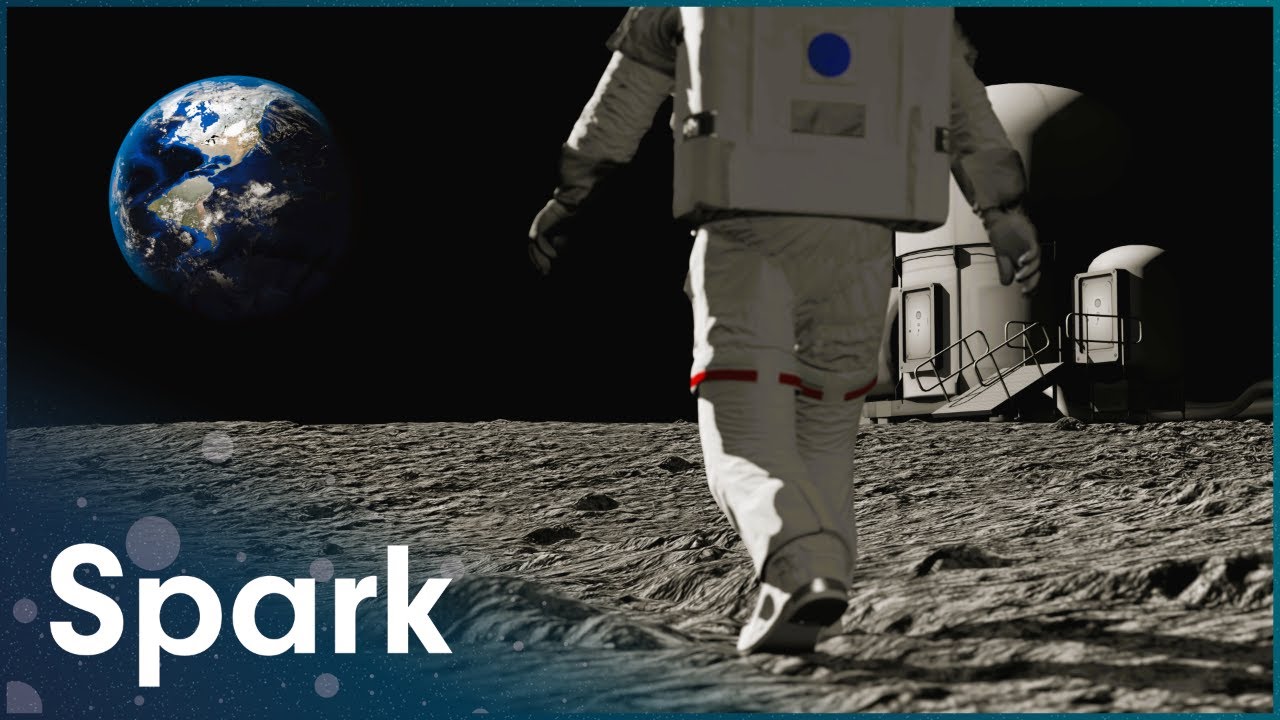
Twelve astronauts walked on the moon during the Apollo program, conducting scientific studies that provided new insights into the lunar surface.
Members of the public take part in a high-speed pile-up on a British motorway to help experts evaluate vehicle safety and the effects of negligence.
500 millimeters of rain fell on Taiwan in 24 hours during a record-breaking typhoon, marking one of the extreme weather events of 2015.
The European Space Agency lands a probe on Comet 67P/Churyumov-Gerasimenko for the first time.
Robert Twigger attempts to capture the world's largest snake alive for $50,000 despite his fear.
A juvenile great white shark attacks a seal decoy, leaving a bite mark that helps the team estimate its size during a research experiment in Muscle Bay, South Africa.
Gudrun Pflueger studies the coast wolves of British Columbia, collecting vital data to enhance scientific understanding of this unique subspecies.
In 1994, a volcano on New Britain erupted, forcing residents to flee as ash rained down and reshaped their environment.
Danielle Lee studies how field mice thrive in urban parks, revealing that many wildlife species live unnoticed in neglected spaces.
Humanity seeks new habitats in space as Earth grapples with overpopulation and climate change.
More than two billion dollars were spent on the development of the hydrogen bomb, a project that Richard Garwin played a significant role in.
A hummingbird can travel at speeds of up to 60 miles per hour, relying on nectar to fuel its high-energy lifestyle.
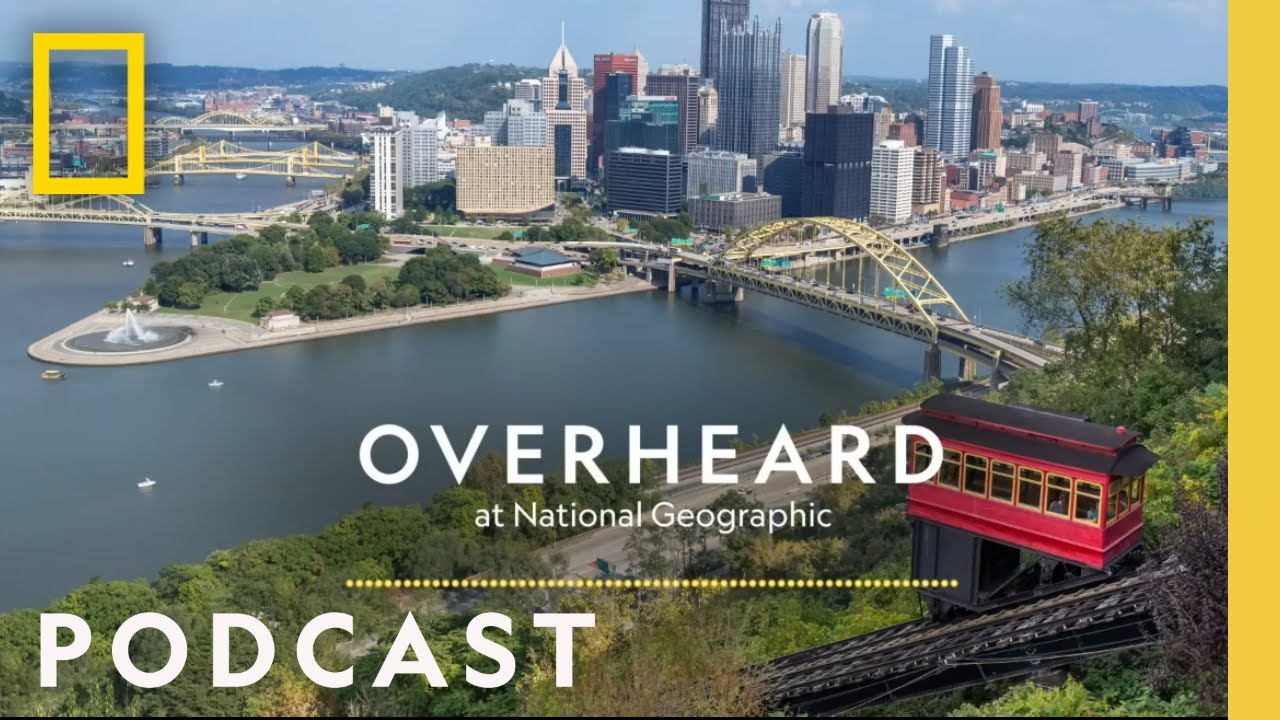
Pittsburgh has nearly 450 bridges, more than any other city in the world, as it shifts from an industrial past to a focus on climate solutions.
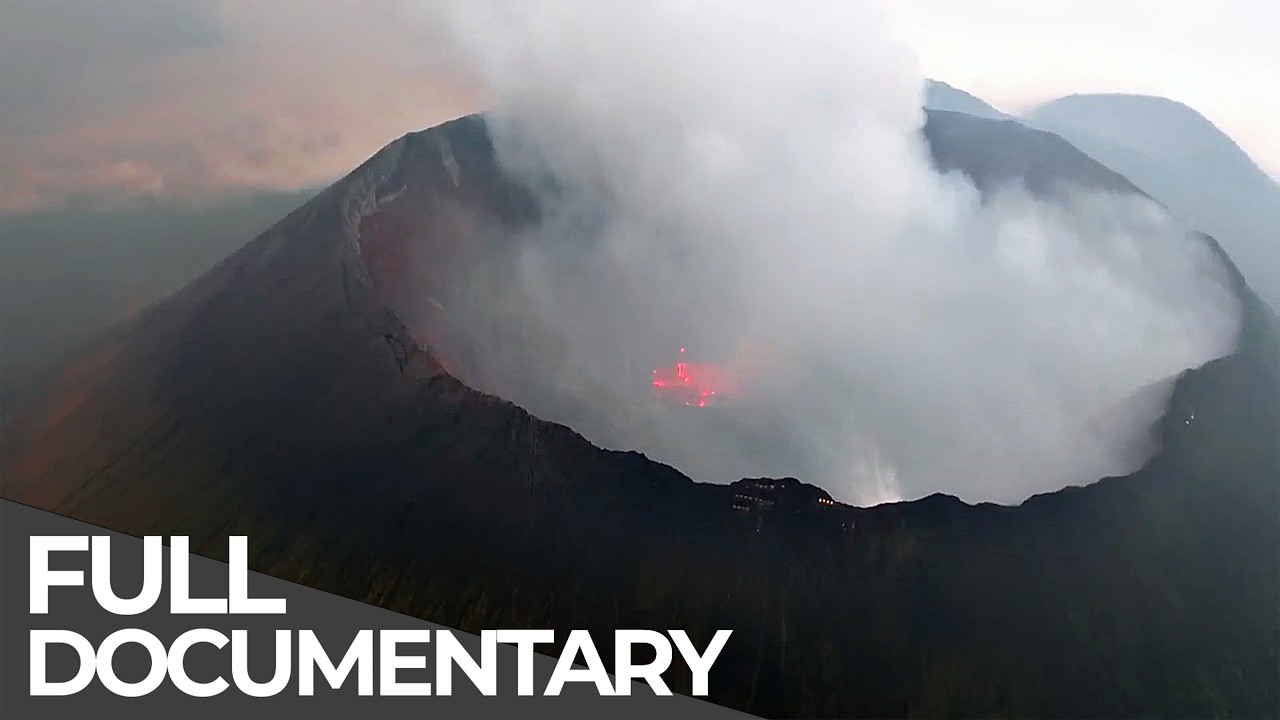
Mount Nyiragongo erupts in Congo, destroying Goma and claiming thirty-three lives.
Glacier Bay National Park in Alaska features snow-capped mountains, fjords, forests, beaches, and diverse wildlife in its unspoiled wilderness.
Stephen Wilkes documented sea stacks over 100 feet tall at Shi Shi Beach, a remote location in Olympic National Park, in May 2022.
Astronomers have mapped 1 billion stars using advanced technology and data from organizations like NASA and ESA, revealing insights into the cosmos.
Ching Shi led a fleet of up to 70,000 pirates in the early 19th century, challenging the male-dominated image of piracy in history.
Grand Central Terminal has 44 platforms and 67 lanes, serving 750,000 people every day in the heart of Manhattan.
Over 500 million people live near active volcanoes, relying on volcanologists to monitor seismic activity and predict potential eruptions.
A luxury villa in Portugal costs €1,000 per night and features a 50 square meter living room with a private pool and garden.
Roughly 8 million rats inhabit Berlin, creating a virtual paradise for urban foxes that adapt to city life and thrive in the government district.
In March 2011, British pilot David Simpson is arrested for mass murder while working for a safari company in the conflict-ridden Central African Republic.
Zambian-born rapper Sampa The Great discusses her return to Zambia, the impact of language, and mental health therapy through nature with wildlife biologist Danielle Lee.
Watch engineers take on the challenge of making a ship longer in this fascinating documentary.
Around 260 cubic kilometers of water flows down from the Alps every year, supplying vital resources to millions across Europe.
JUST SHARKS showcases the diversity of over 500 shark species, including Great Whites and Wobbegongs.
Animal species in mountains, oceans, polar regions, grasslands, jungles, and deserts exhibit unique adaptations to survive Earth's extreme climates.
Hippos and rhinos, once classified as pachyderms, are examined for their distinct features, behaviors, and the ecological roles they play in their habitats.
Zanzibar's stunning landscapes and rich cultural narratives are captured through the aerial photography of five renowned artists in a series exploring Africa's islands.
Blue whales can grow to 30 metres in length and weigh about 180 tonnes, making them the largest living creatures on the planet.
On June 4, 1989, investigators found a body floating in Tampa Bay, marking the start of a complex murder investigation involving multiple victims.
Beauty is a multibillion dollar industry, with models often seen as the benchmark for societal standards of attractiveness.
Detectives solve murders using evidence like blood and fingernail fragments without bodies.