From over 100,000 films, discover the handful you'll love.
Free or premium access to the world's largest documentary library.
Topics explored in films with this theme:
14119 films(Page 44 of 295)
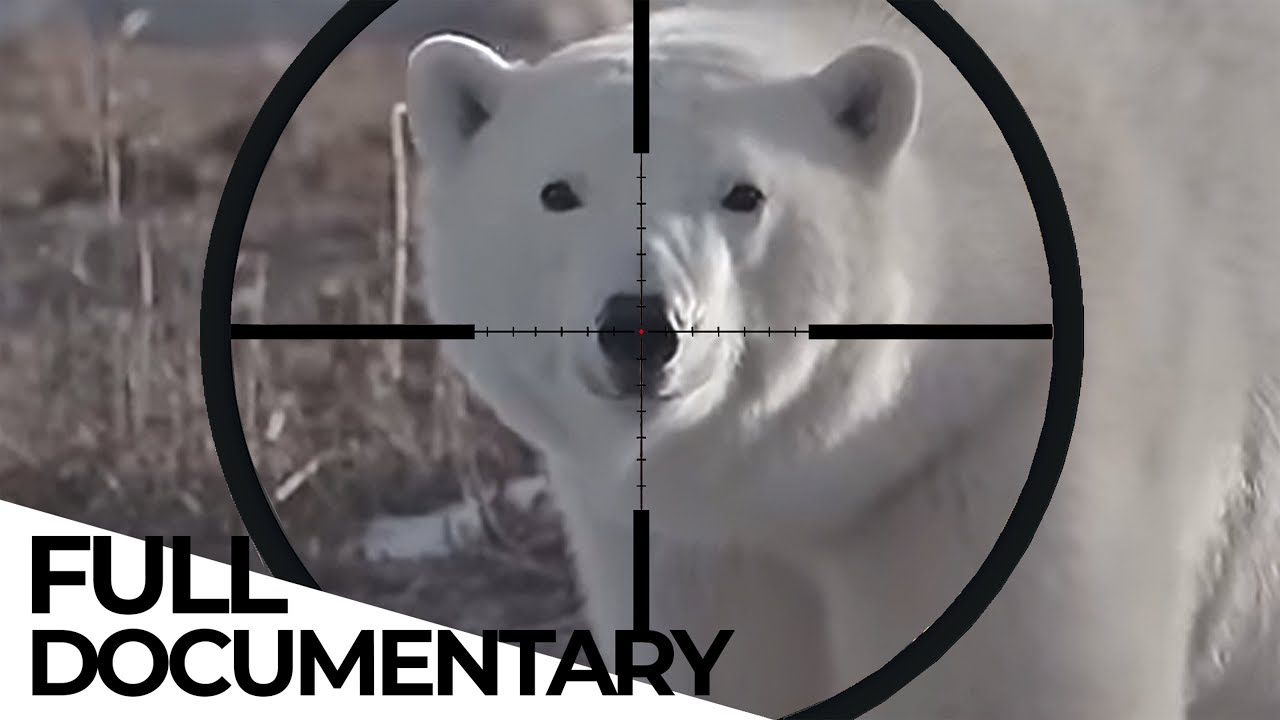
In Churchill, known as the 'Polar Bear Capital,' journalist Michel Abdollahi examines the legalities and ethical implications of polar bear hunting.
300 firefighters conduct intense training exercises in Provence as they prepare for a summer fire season marked by increasing threats from wildfires.
Fetal stem cell therapy is legal and regulated in Ukraine, making it the only country where such treatment is available to patients worldwide.
Netflix offers thousands of shows, a stark contrast to traditional networks that typically provide only five or six options.
A logistics team navigates complex routes and extreme weight loads to transport the world's heaviest wind turbine, showcasing modern engineering challenges.
Urban foxes and resilient plant species adapt to human-altered environments, highlighting the importance of environmental protection for wildlife survival.
The B-52 bomber has performed its mission for almost 80 years, making it the longest-serving bomber in history.
Step into the T-38 Talon cockpit and follow NATO students at Sheppard Air Force Base.
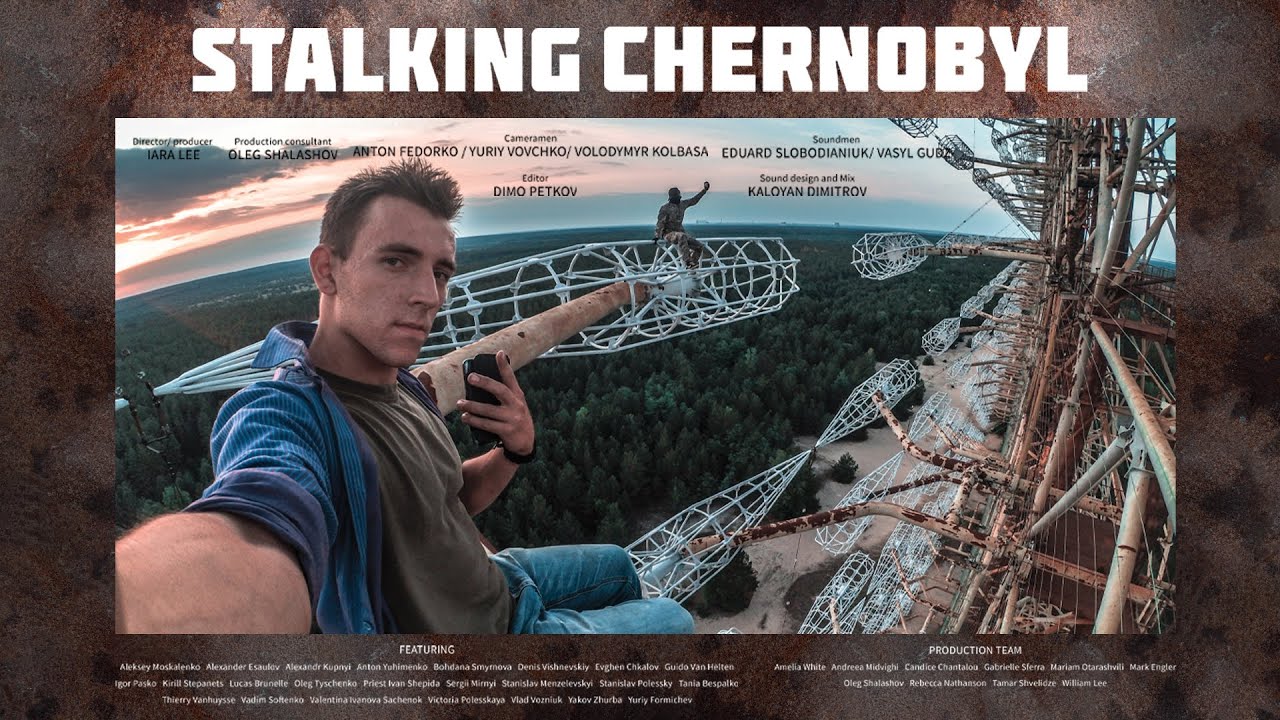
Nearly 40,000 tourists visited the Chernobyl Exclusion Zone last year, drawn by its abandoned landscapes and the history of the nuclear disaster.
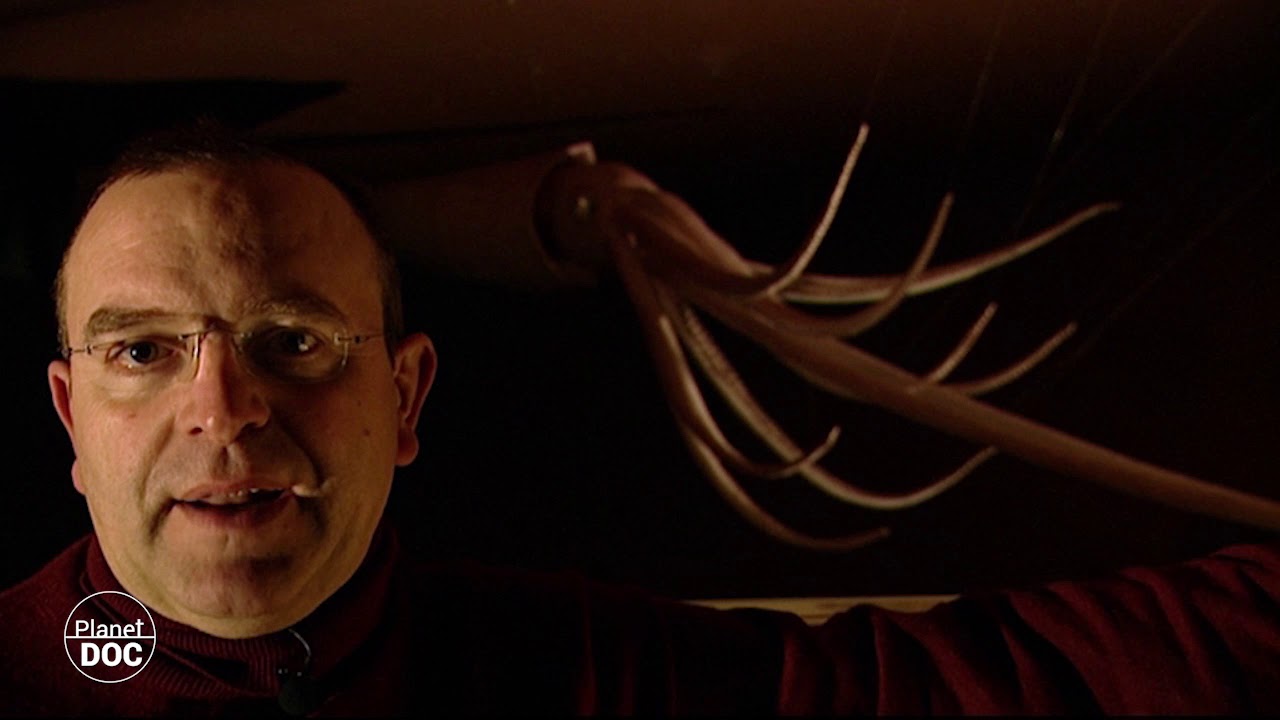
Over half of Earth's surface remains unexplored, with the Kraken project aiming to capture images of the elusive giant squid in its natural habitat.
A 65-kilometer drive across ice leads to Mawson's Huts, a historic base camp from the 1911-1914 Australasian Antarctic Expedition.
Ancient Mesoamerican and Andean cultures, including Teotihuacan and Tiwanaku, revered the Sun, a practice reflected in modern education in Bogotá and advanced astronomy in the Canary Islands.
Sleep is examined through the lens of science, exploring its necessity, effects on the body, and potential enhancements for improved quality of life.
Madagascar is home to thousands of endemic species, including lemurs, which evolved in isolation for thousands of years, revealing unique evolutionary paths.
A chameleon's tongue extends four times faster than a jet fighter, demonstrating its unique feeding habits at Longleat.
In July 2012, a SIM card in Myanmar cost $250, reflecting the country's low mobile and Internet penetration before a telecommunications revolution began.
Farmers in Paraguay, like Geronimo Arevelos, struggle against corporate GMO soy expansion.
Chiru antelopes migrate hundreds of miles to give birth, evading predators in one of the world's most extreme habitats.
20,000 people live in Kiruna, where the iron ore mine produces some of the best iron in the world while the town prepares to relocate due to mining operations.
In 1960, nearly 7,000 people died on UK roads, but by 2012, road deaths dropped to 1,900, thanks in part to advancements in crash test dummy technology.
Wildfires in British Columbia's Okanagan Valley prompt Indigenous voices, firefighters, and evacuees to share their experiences and insights on fire stewardship and resilience.
Dr. Ben Longmier and his team plan to use helium balloons to send rocket engine components to an altitude of over 30 kilometers for testing in space.
Successful test drops of torpedoes were made at 2,000 feet with a speed of 350 knots, improving their performance during World War II.
Rare archival footage and declassified documents reveal the intense espionage, nuclear threats, and proxy wars that defined the Cold War between the United States and the Soviet Union.
Over 40 buffalo are sacrificed during elaborate funeral rites in a small village in Sulawesi, marking the return of the deceased to their ancestors.
A 44-minute examination reveals how environmental changes threaten the floating gardens of Inle Lake, a vital source of income for local farmers.
Around 130,000 Tibetans have fled China, facing dangerous journeys to preserve their culture and spirituality in neighboring countries like Nepal and India.
A meteorite strike that ended the Cretaceous era is linked to various unexplained pilgrimage sites worldwide, shaping cultural beliefs and practices.
Daniel and Lars travel the globe by motorbike, battling challenges on their exhilarating journey.
Wim Hof, known as the Ice Man, holds the world record for running a half marathon barefoot on ice and snow.
Dr. Riley Elliott successfully tagged the first baby great white sharks in New Zealand, revealing an emerging population in a previously unrecorded area.
Vitasoy, founded 80 years ago, played a key role in popularizing soy milk, transforming dietary options in the beverage market.
Ten flowers from the mandre plant can cause bloody vomiting and diarrhea, with enough to kill a human being.
Five wolf pups are transported in cramped boxes to a training facility in Beijing, where they begin to adapt to their new environment.
A mobile-free zone exists in Green Bank, West Virginia, to protect scientific data from interference caused by wireless technology.
Kellingley Colliery, the last deep coal mine in Britain, is set to close, impacting many miners.
Between 10 and 15% of the world's energy comes from nuclear power plants, a technology that emerged from unexpected scientific discoveries.
Half a million birds from over 350 species rely on Keoladeo National Park for habitat and sustenance, making it a critical sanctuary for wildlife.
Stem cell research shows significant breakthroughs for extending human lifespan and disease prevention.
Harvard professor Dr. Avi Loeb discusses his deep-sea exploration for evidence of extraterrestrial technology that may have crash-landed in the ocean.
A mile-deep chasm formed between Africa and Arabia created the Red Sea, which is home to diverse marine life and unique coral ecosystems.
The Modulo Sperimentale Elettromeccanico (MOSE) system features mobile gates designed to protect Venice from flooding, showcasing advanced engineering and technology.
The Airbus A350 can cover 18,000 km in one flight, surpassing any other twin-engine passenger aircraft.
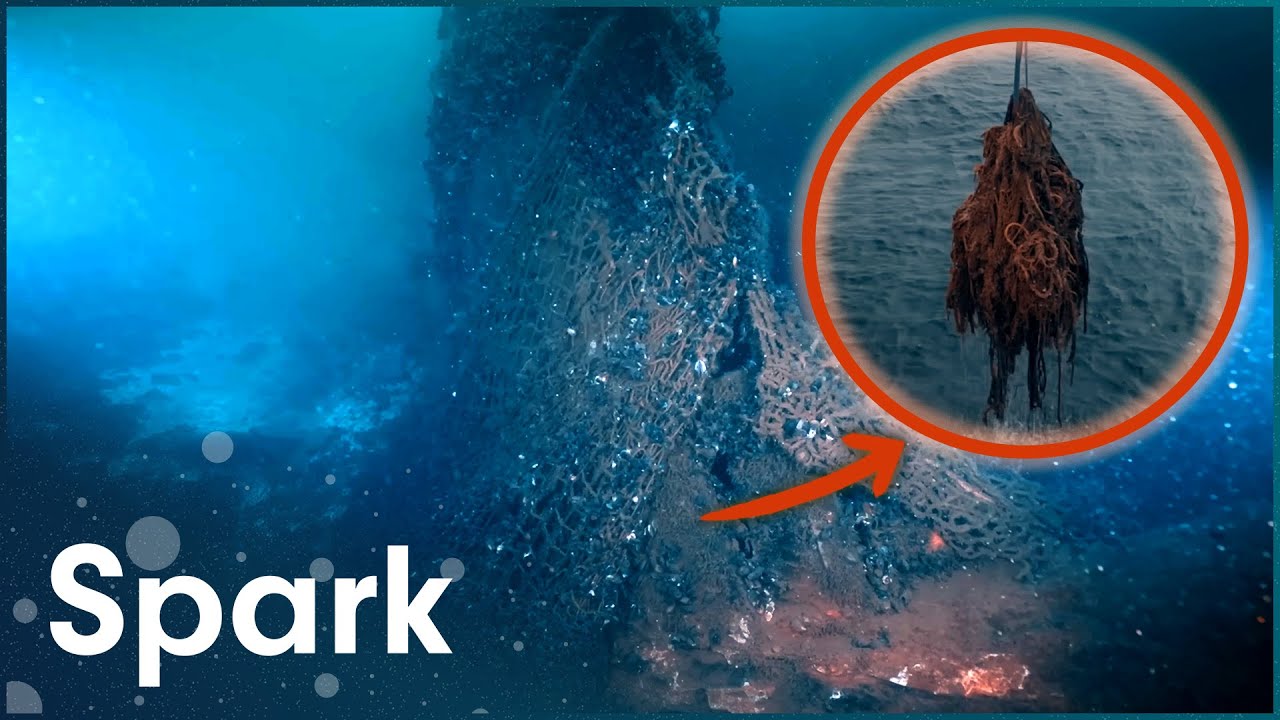
Baltic Sea Divers team, led by biologist Lena Platt, conducts high-stakes salvage operations to remove hazardous ghost nets from the wreck of the Friedrich Engles.
The worldwide captive population of woolly monkeys has decreased to just 42 individuals, prompting urgent conservation efforts at Monkey World in Dorset, England.
The Kraken Project highlights the vast unexplored regions of the ocean and the critical need for understanding the mysteries of Earth's waters.
Japan Airlines faced $25 billion in debt, prompting a Buddhist monk to become CEO and implement a modest management style that improved revenues.
Astronauts on the International Space Station must exercise for up to 2 and a half hours daily to maintain their health in microgravity.