From over 100,000 films, discover the handful you'll love.
Free or premium access to the world's largest documentary library.
Topics explored in films with this theme:
14119 films(Page 5 of 295)
A 200-kilogram silverback gorilla named Macumba leads his family through the forests north of the Congo River, searching for food and avoiding dangers.
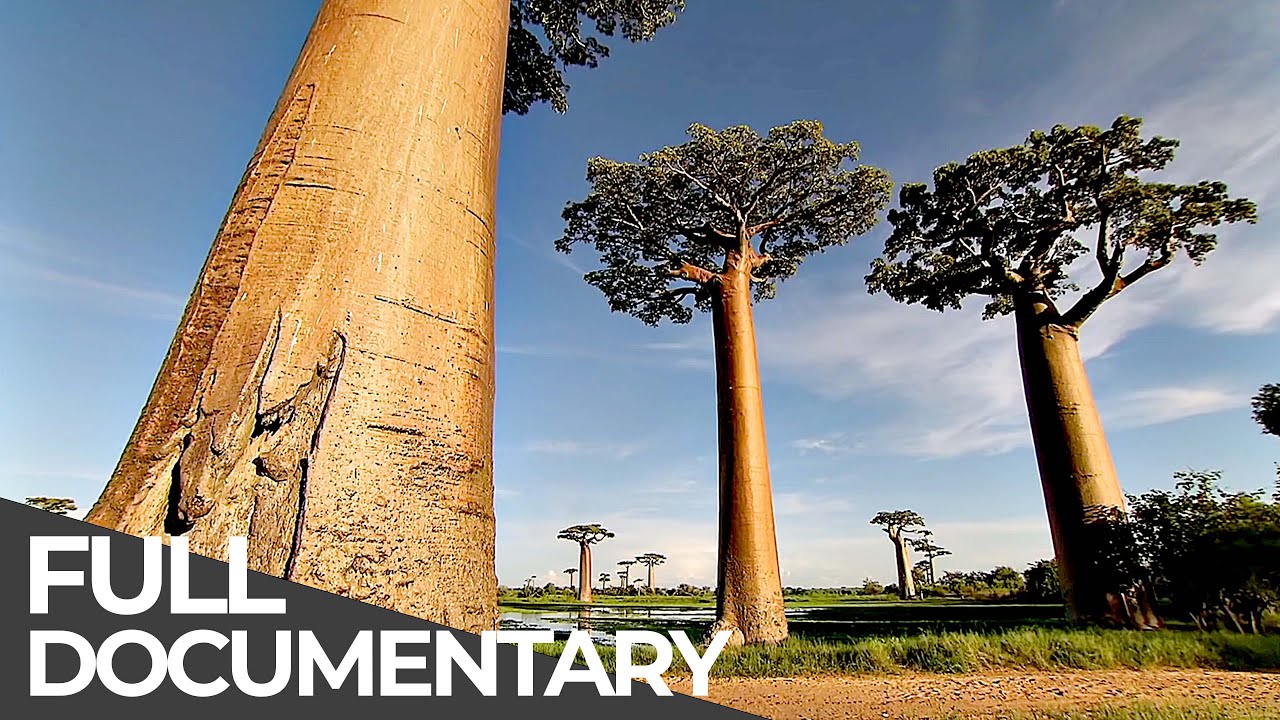
Elysée and Tantal travel hundreds of kilometers in a bush taxi to study the reproductive cycle of the baobab tree in southern Madagascar.
Bangkok's official name, with 169 letters, holds the record for the longest place name in the world, reflecting the city's rich history and culture.
Researchers in Canada seek alternative solutions for the collapsing European bee population.
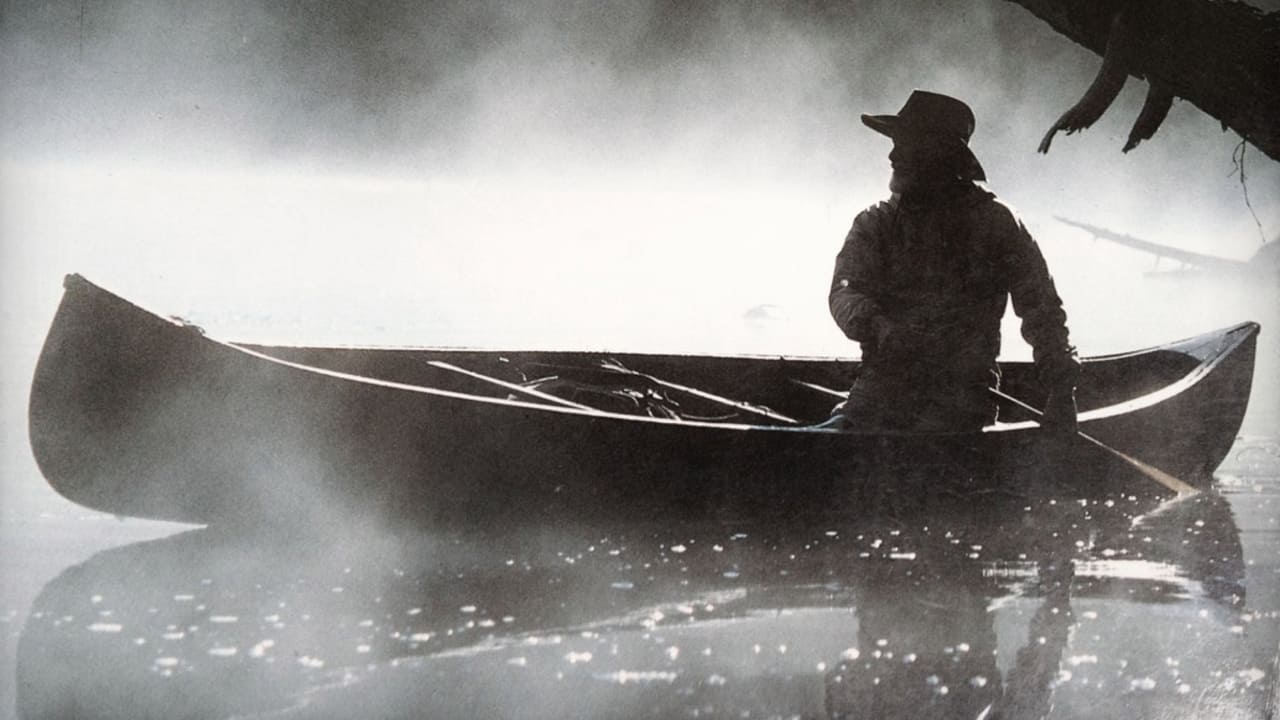
Bill Mason paddles through the largest and most spectacular lake in the world, sharing his love for nature and canoeing in Ontario's waterways.
Cruising through the Arctic Ocean at 20 knots an hour, a large cruise ship takes tourists from Svalbard to Eastern Siberia.
An earthquake of magnitude 8 or higher releases as much energy as a billion tons of TNT, threatening millions living near major fault lines.
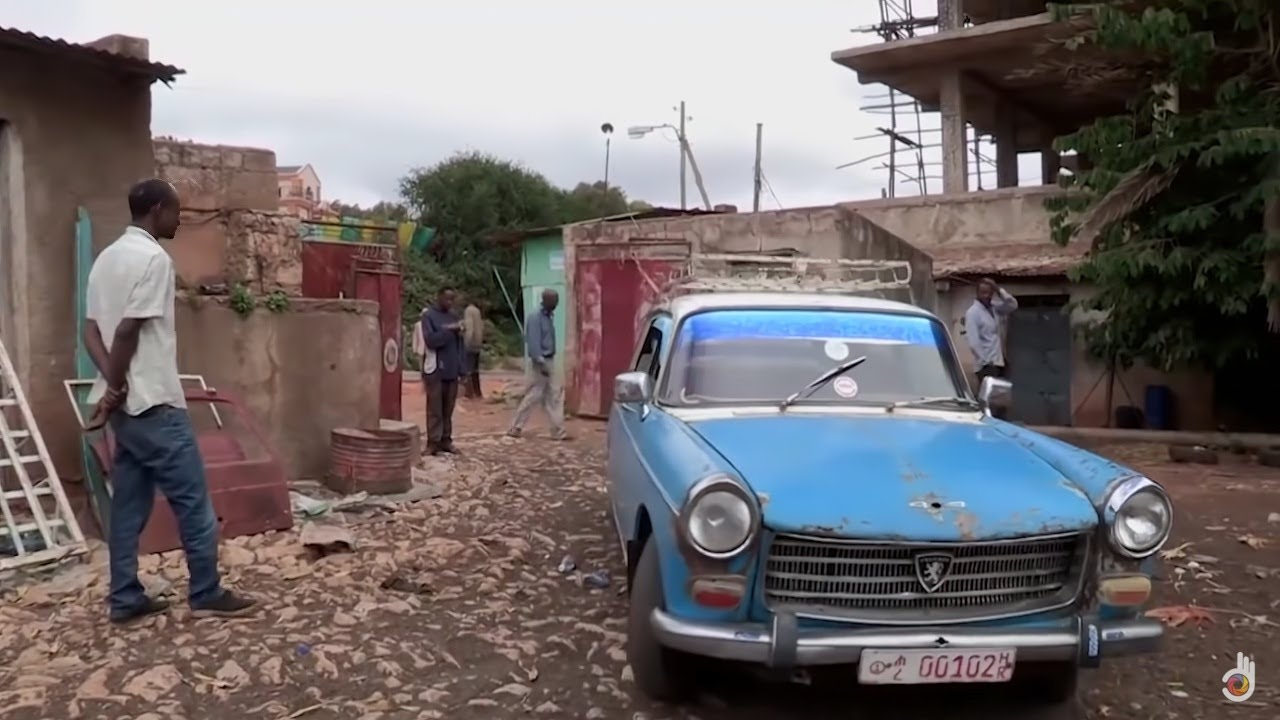
Temperatures in Ethiopia's Danakil desert can reach up to 50 degrees Celsius, forcing salt workers to endure extreme conditions for just 2 Euros a day.
An estimated 1.7 million people died during the Khmer Rouge regime, which ruled Cambodia from 1975 to 1979, leaving a lasting impact on the country.
A super volcanic eruption could kill millions and devastate the United States, with ash potentially blanketing half the country.
Sea levels have risen by about 20 centimeters since the 19th century, with projections of up to three meters by the end of the century.
An 80-meter-long tunnel, part of an ancient hydraulic system, diverted water around Petra to manage floods and supply the city.
The ice pack reaches a maximum cover of 14 million square kilometers by the end of winter, crucial for polar bears hunting seals beneath the surface.
Porters in the High Tatras carry loads of up to 100 kilos on their backs, ascending 1,000 meters to deliver supplies to remote mountain huts.
The study of hormones is just over 100 years old, yet it remains one of the most important and least understood areas of medical science.
A 45.52-carat diamond, known as the Hope Diamond, is one of the largest and most valuable diamonds ever discovered, worth around $250 million.
5 billion euros is the estimated turnover from the trade of Yarsagumbu, a rare caterpillar fungus harvested by villagers in the Himalayas each spring.
Over 200 billion stars exist in the Milky Way galaxy, yet it is just one of an estimated 100 billion galaxies in the universe.
Agitu Ideo Gudeta started with 15 goats and grew her herd to 180 while building a goat cheese business in northern Italy after fleeing Ethiopia.
A Soviet space probe named Luna 3 captured the first images of the Moon in 1959, marking a significant milestone in space exploration.
Neanderthals reigned for 300,000 years, dominating ice age Europe with advanced tools and hunting skills before their sudden extinction.
Katherine Johnson was born on August 26, 1918, and her calculations were essential for NASA's early manned space missions and the Space Shuttle program.
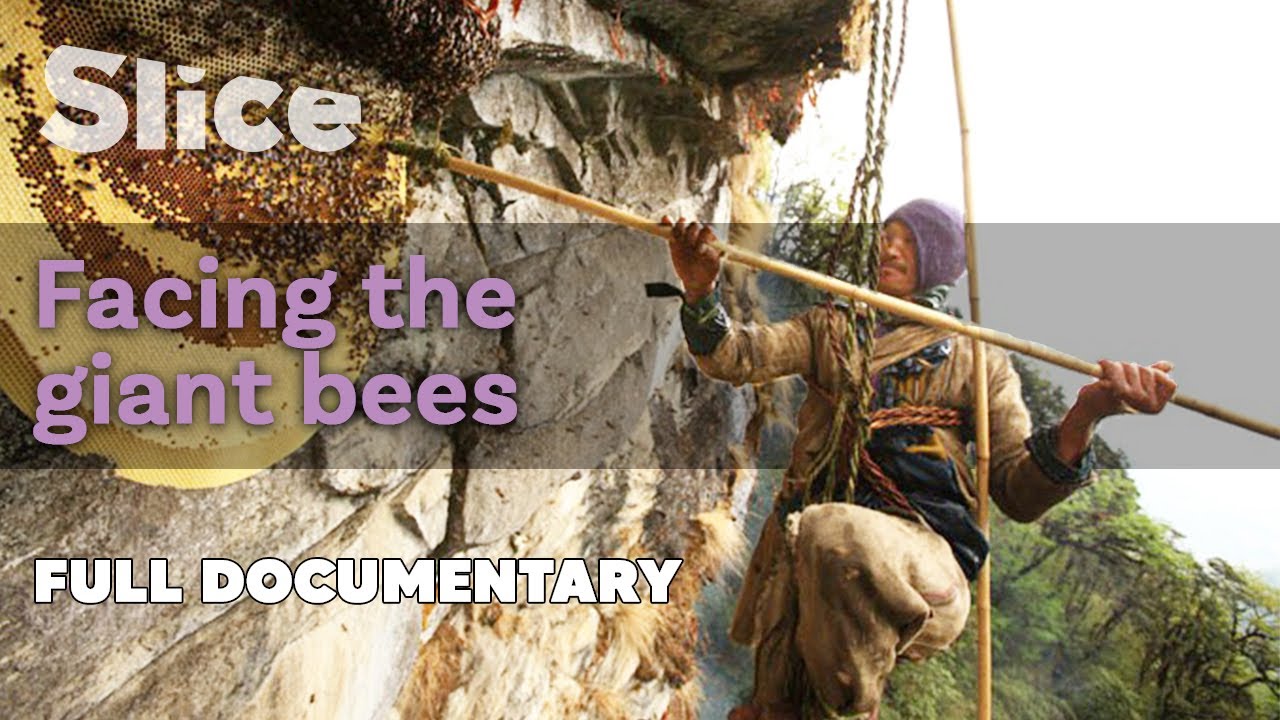
Three men scale cliffs over 3,000 meters high each spring to gather honey from giant Apis laboriosa bees in northwest Nepal.
24,000 years ago, Neanderthals thrived in Gibraltar, a stronghold where they lived and hunted before their eventual extinction.
A 52-year-old man reflects on his family's memories while considering the possibility of using AI to preserve aspects of life after death.
A modular prosthetic limb developed at Johns Hopkins costs upwards of $120 million and represents the cutting edge of bionic technology.
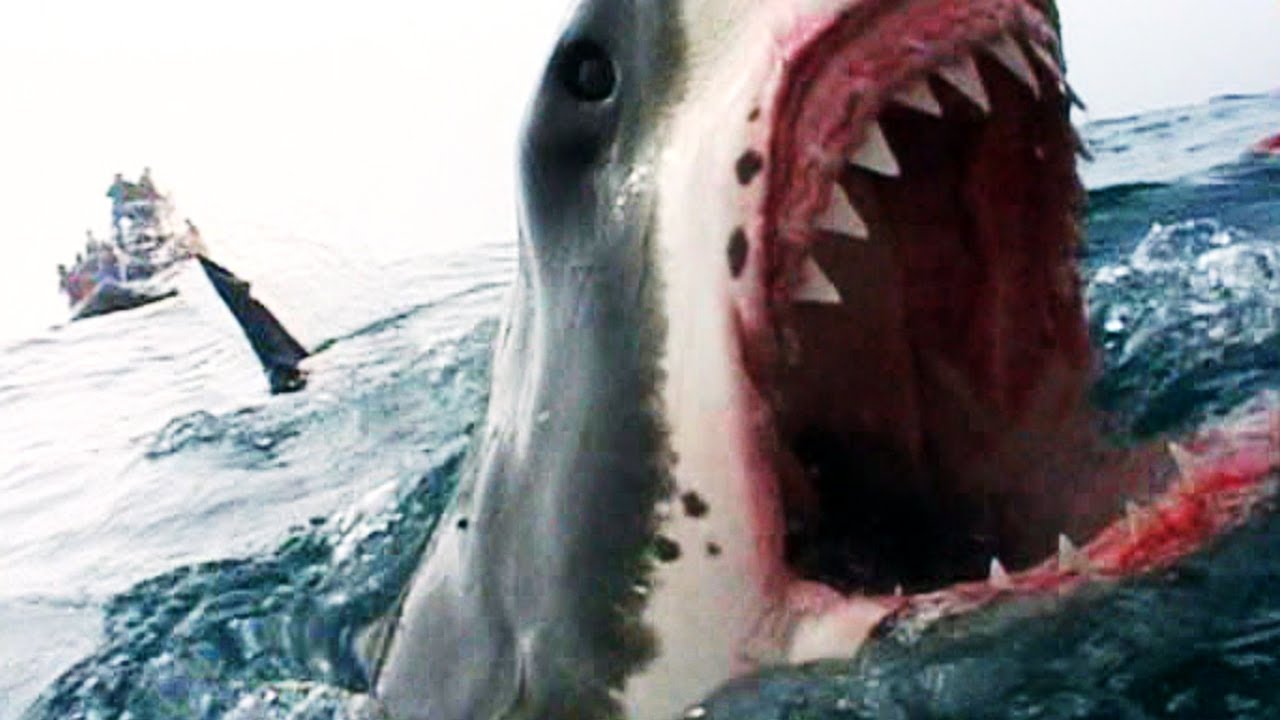
Sharks attack an average of 75 people each year, while humans kill millions of sharks annually.
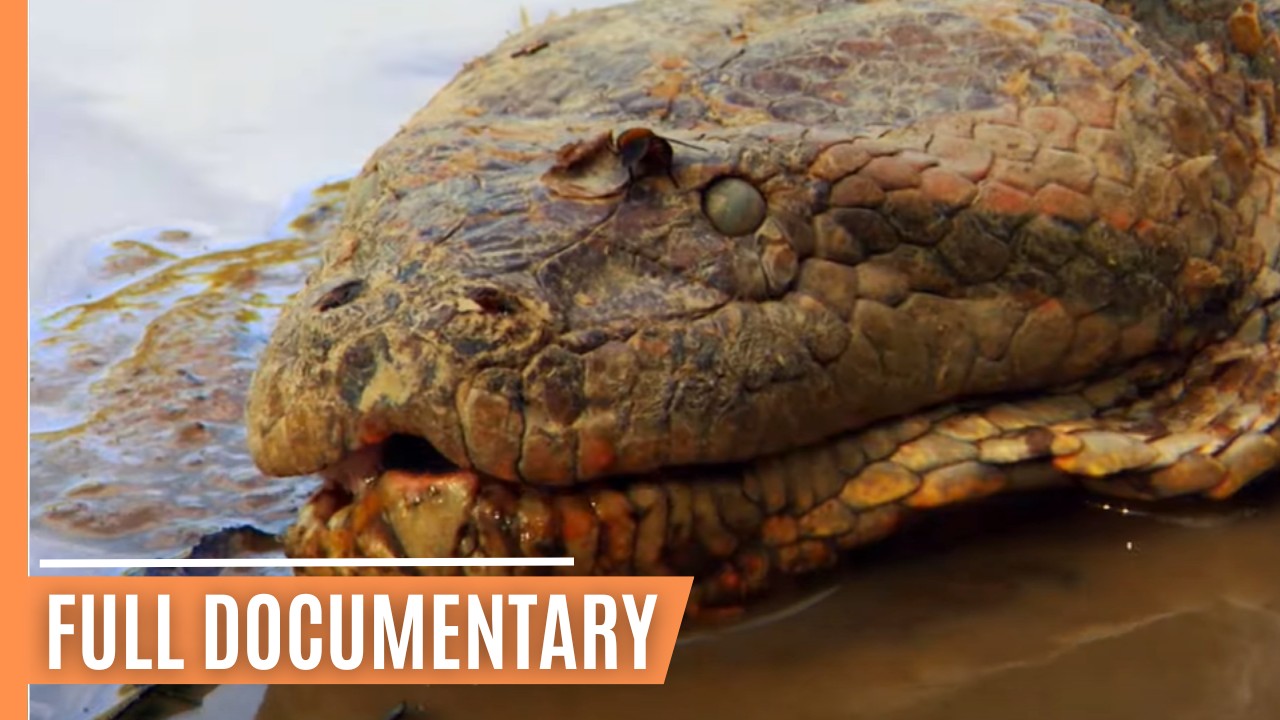
Anacondas, often mischaracterized as killers, exhibit unique behaviors that reveal their peaceful nature and vital role in their ecosystem, highlighting the need for habitat protection.
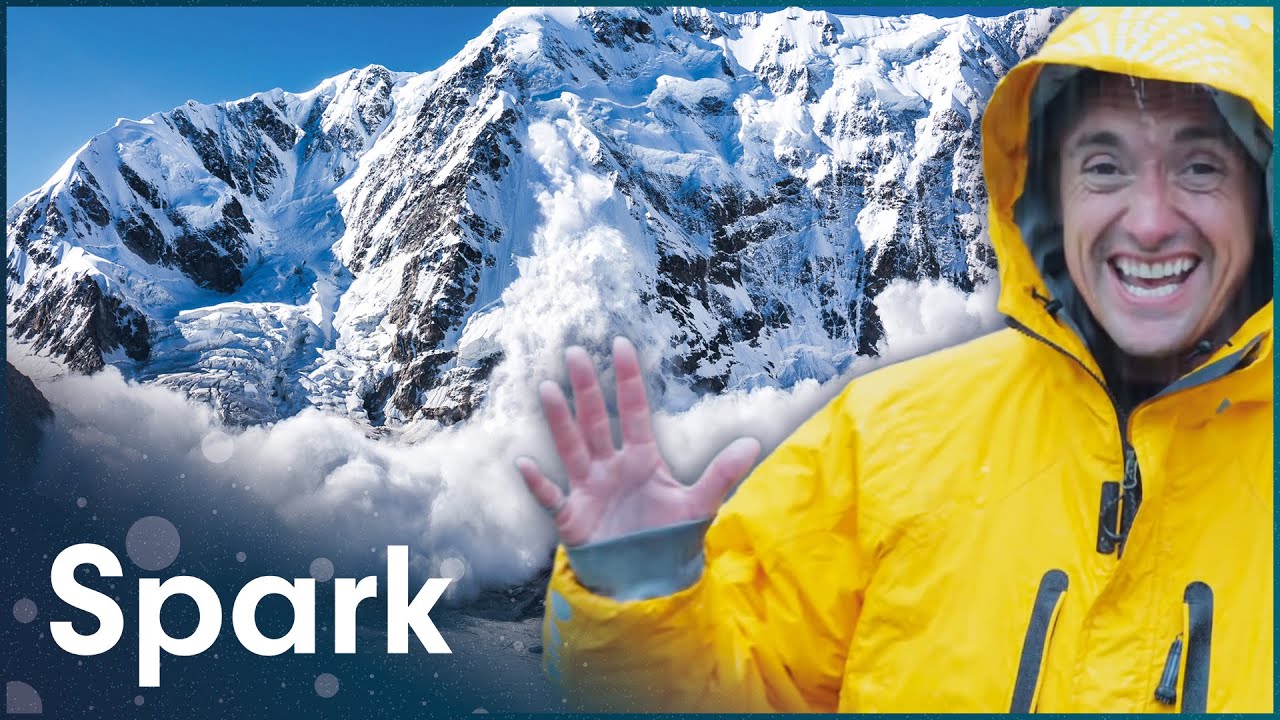
An avalanche can move four times faster than the fastest flash flood ever measured, demonstrating the powerful effects of water in nature.
By 2030, continued fossil fuel consumption could trigger irreversible climate events, threatening humanity's survival and prompting global calls for change.
More than a dozen peaks in the Greater Caucasus rise higher than the highest Alp, creating a unique ecological environment between the Black and Caspian Seas.
Two meters deep, villagers in Papua New Guinea dig for megapode eggs, risking suffocation in their self-made holes.
More than 40 species of small cats, including servals and jungle cats, demonstrate impressive hunting skills and unique adaptations in various environments.
Adventurous souls drive logging trucks through Gabon's most mysterious forests daily.
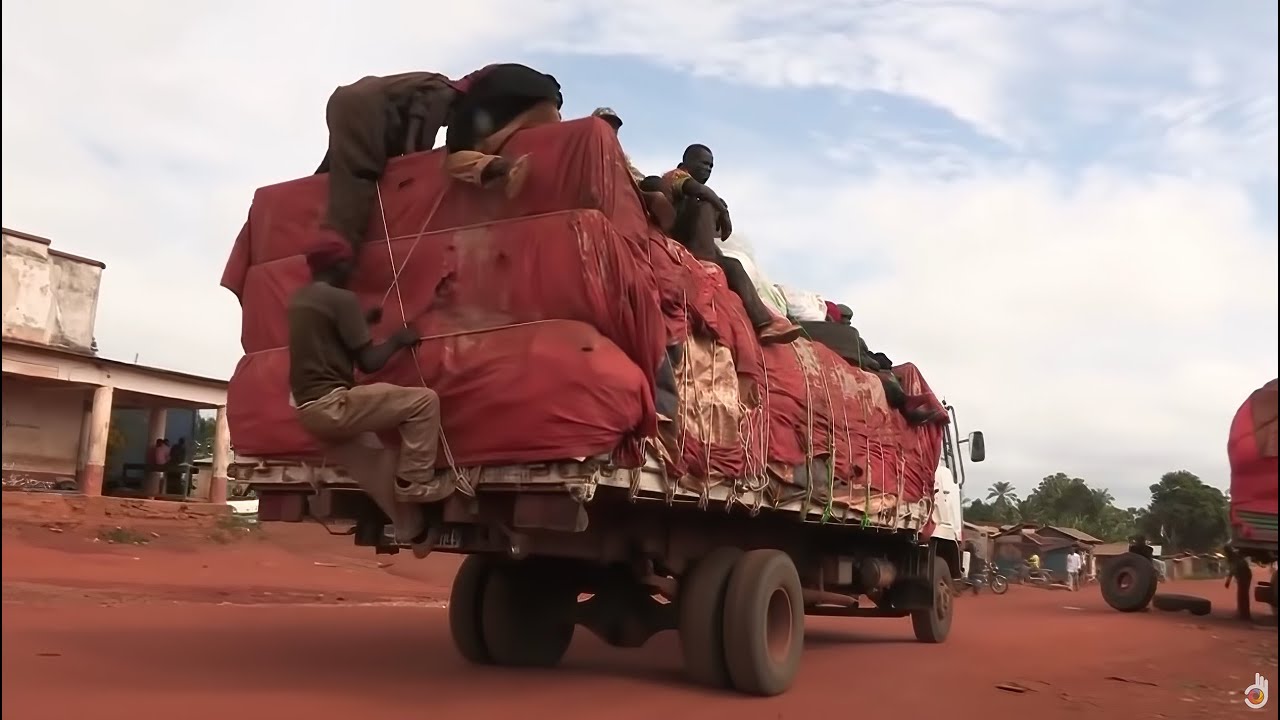
Just 2% of roads in the Democratic Republic of the Congo are asphalted, forcing drivers to navigate a 1,200-kilometer-long obstacle course daily.
Five chimpanzees and their caregiver, Mama Zawadi, work together to heal from trauma caused by conflict in the Democratic Republic of the Congo.
Prajwal, the mayor of a remote village, must travel 100 kilometers through the high mountains to deliver essential medicine to 1,500 residents.
350 people live in Ittoqqortoormiit, a remote Greenland village 800 kilometers from its nearest neighbor, surrounded by towering icebergs and drifting ice.
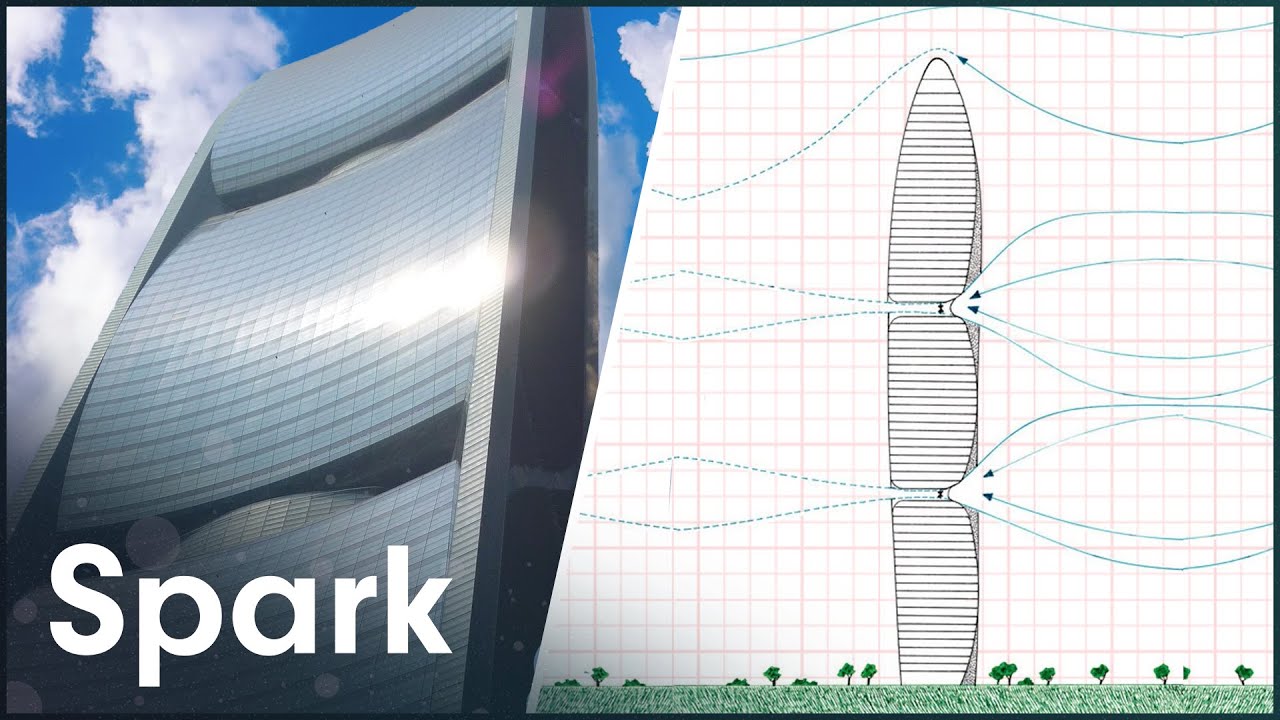
71 stories high, the Pearl River Tower will generate all its own electricity and use 60% less energy than a typical building of its size.
The bus ride from Rio to Lima spans 100 hours and showcases South America's beauty.
Astronomers are mapping the positions of galaxies across the sky, linking their evolution to conditions that existed at the dawn of time.
Thirty years of fishing and ranching on the Beagle Channel has shaped Carlos Barria's life at the southernmost tip of South America.
A female orangutan constructs a nest each night, using her knowledge of branch strength to create a safe sleeping platform 20 meters above the ground.
Five percent of global atmospheric CO2 comes from concrete production, prompting researchers to investigate algae as a climate-neutral alternative.
Colombia exported 27% more emeralds in 2016 than in 2015, with 60% of those stones going to the United States.
Switzerland's glaciers lose about 2% of their mass each year, threatening the water supply for millions in central Europe.
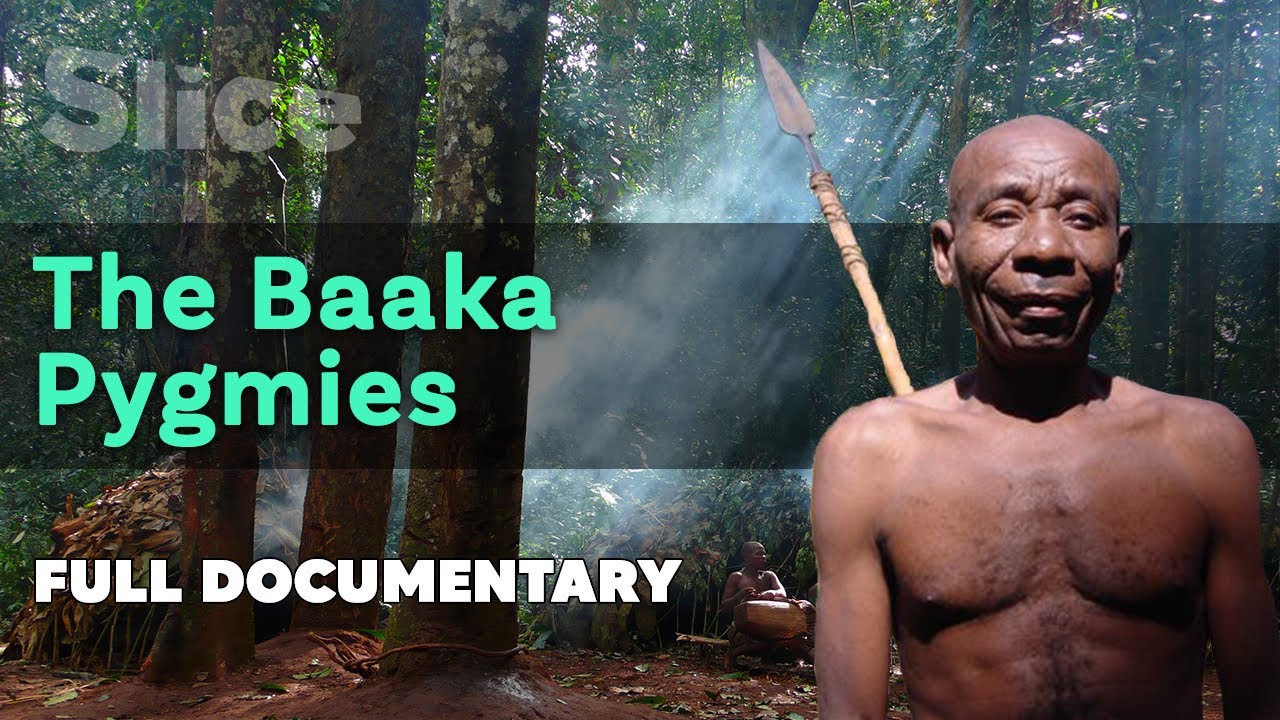
The Baaka Pygmies live in the African rainforest, showcasing their unique culture and songs.
Temperatures in Yakutsk can drop as low as -70 degrees Celsius, raising concerns about the stability of buildings built on permafrost.