From over 100,000 films, discover the handful you'll love.
Free or premium access to the world's largest documentary library.
4759 films(Page 10 of 100)
The Wupper River in Germany, once heavily polluted by industrialization, has undergone significant renaturation efforts, resulting in a thriving ecosystem and revitalized wildlife.
A snowy owl mother must abandon one of her chicks due to a shortage of lemmings on Wrangel Island.
In Grand Canyon National Park, various animal species demonstrate interdependence and adaptability in their survival strategies amid a challenging environment.
Two hours of foot travel through harsh Alaskan winters separates Alex Javor's A-frame cabin from his main hunting grounds.
The Salient mine, which opened in 1981, has been dug nearly two kilometers into the mountainside, supplying valuable metallurgical coal to the steel industry.
The Pan-American Highway spans approximately 35,000 kilometers from Alaska to Tierra del Fuego, connecting diverse landscapes and highlighting regional challenges such as drug wars.
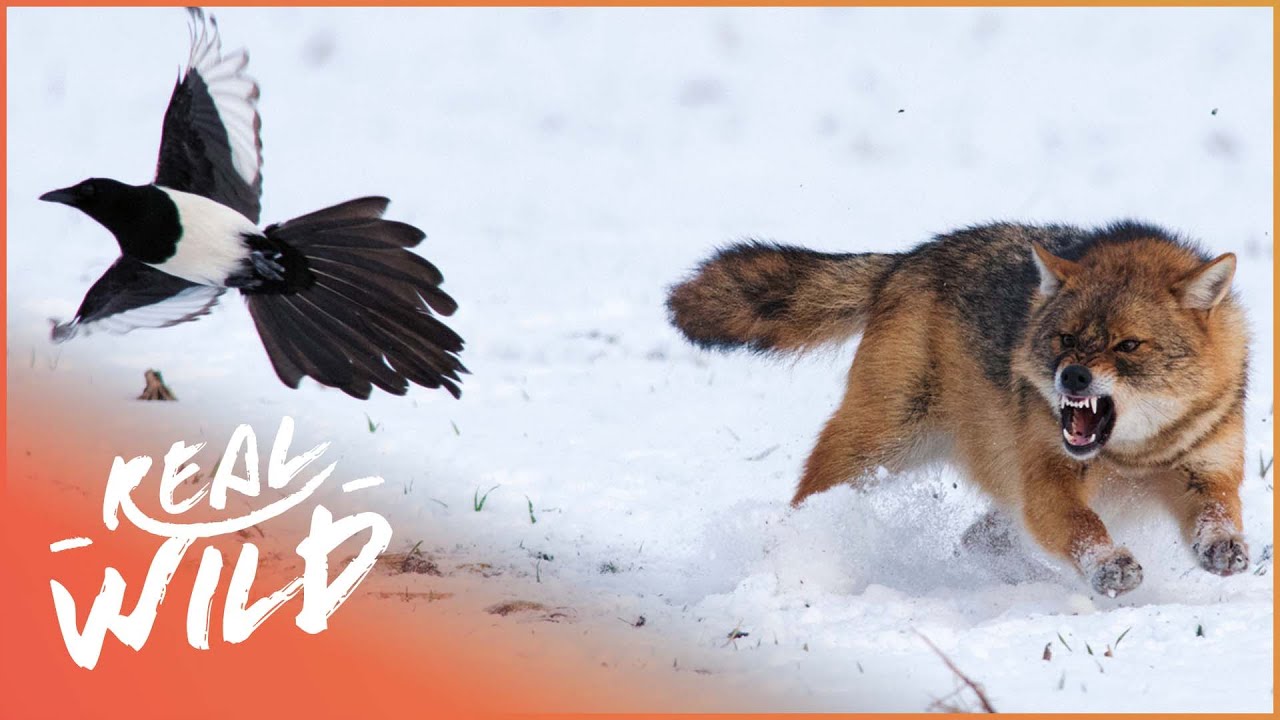
Remarkable instances of animals evading predators illustrate the extraordinary survival tactics employed in the natural world.
Over 300 miles of dangerous highway separate McCarthy, Alaska, from the nearest town, where residents must travel for essential supplies.
The Anavilhanas and Mariua archipelagos along the Rio Negro host over 1,000 river islands that are home to a diverse array of unique wildlife.
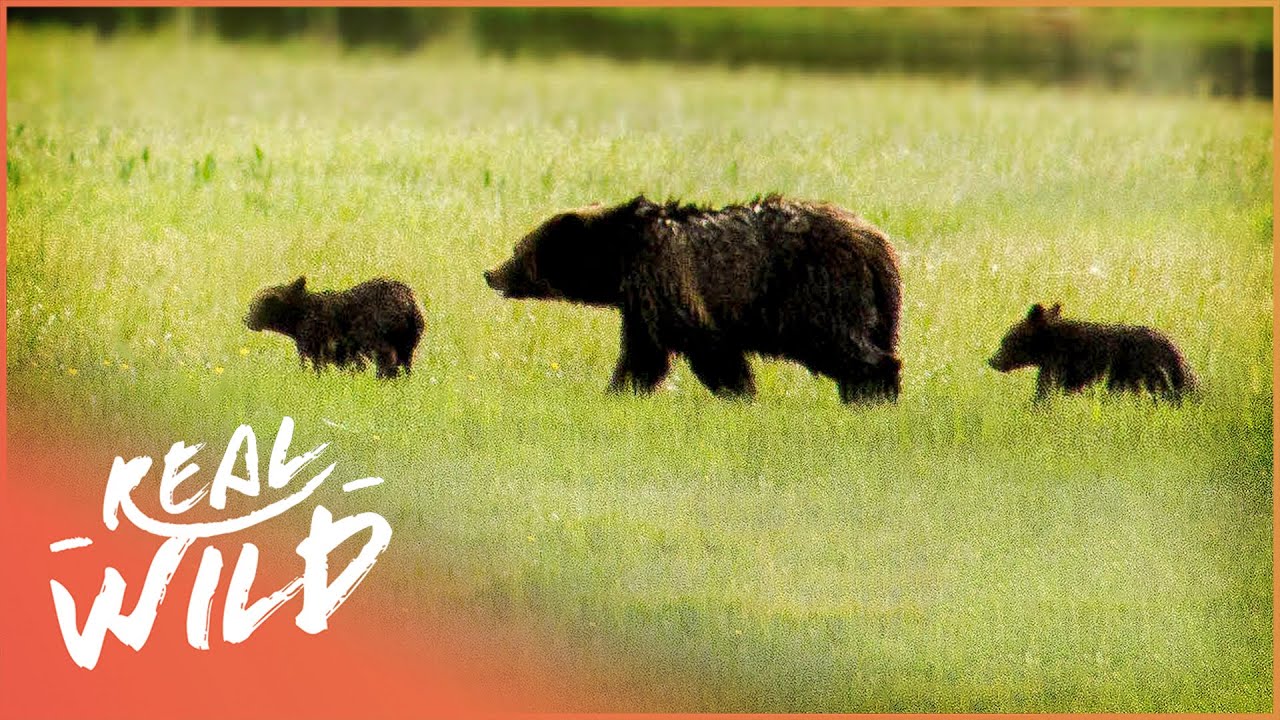
In Forillon National Park of Gaspésie, Quebec, a mother black bear and her two cubs navigate the challenges of survival over three years.
The Wajãpis in Brazil's Amazon preserve their identity through ancient traditions.
This episode presents the natural beauty of the Curonian Spit and Latvian Baltic Sea.
Germany's rivers, streams, and lakes host a vibrant aquatic ecosystem, featuring bizarre moss animals, exotic jellyfish, and the formidable Wels catfish.
300 dolphins are spotted off the coast of São Tomé, where local conservationists work to protect the islands' unique marine life and ecosystems.
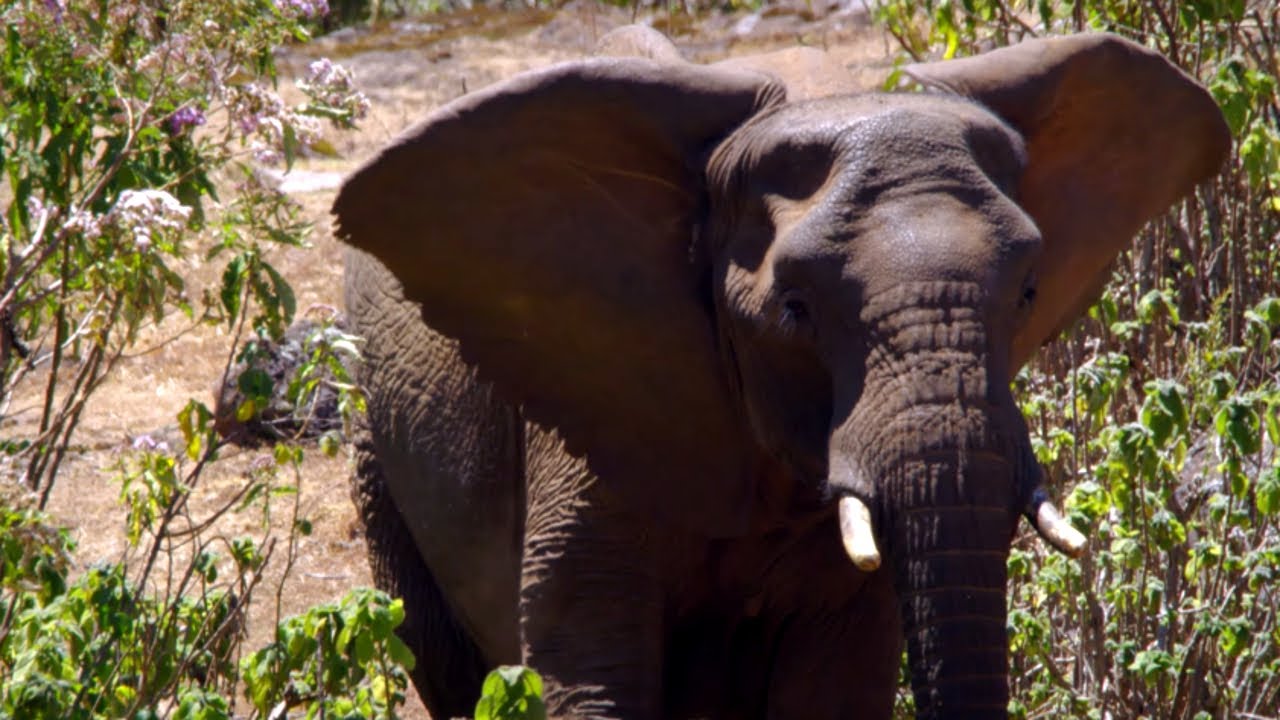
Elephant cows are only fertile every four to six years, creating significant challenges for male elephants seeking to mate on the savannah.
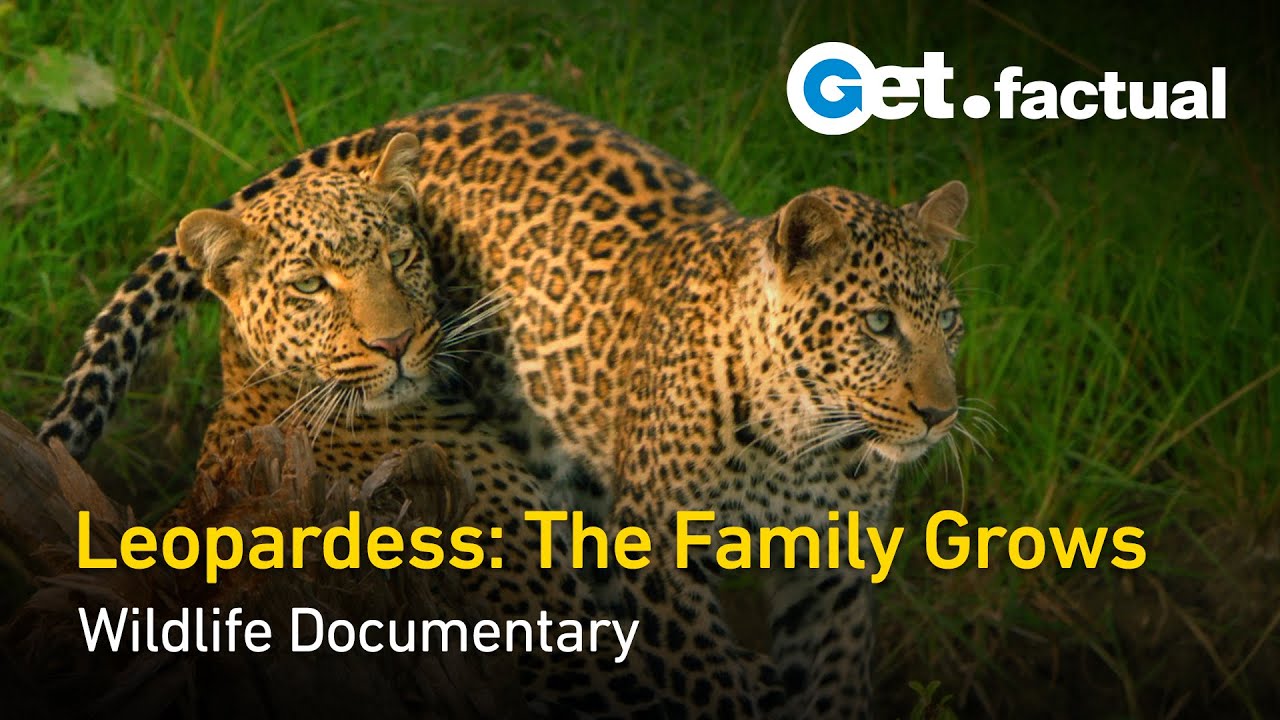
In the Serengeti, a leopardess navigates the challenges of motherhood while raising her son and two new female cubs destined to inherit her territory.
Fifty years after the first American summit of Mount Everest, climbers Conrad Anker and Emily Harrington discuss the mountain's history and future with writer Mark Jenkins and naturalist Alton Byers.
In Rajasthan, chaotic transport routes feature trucks, buses, autorickshaws, and dromedaries navigating through the Aravalli Mountains and Thar Desert.
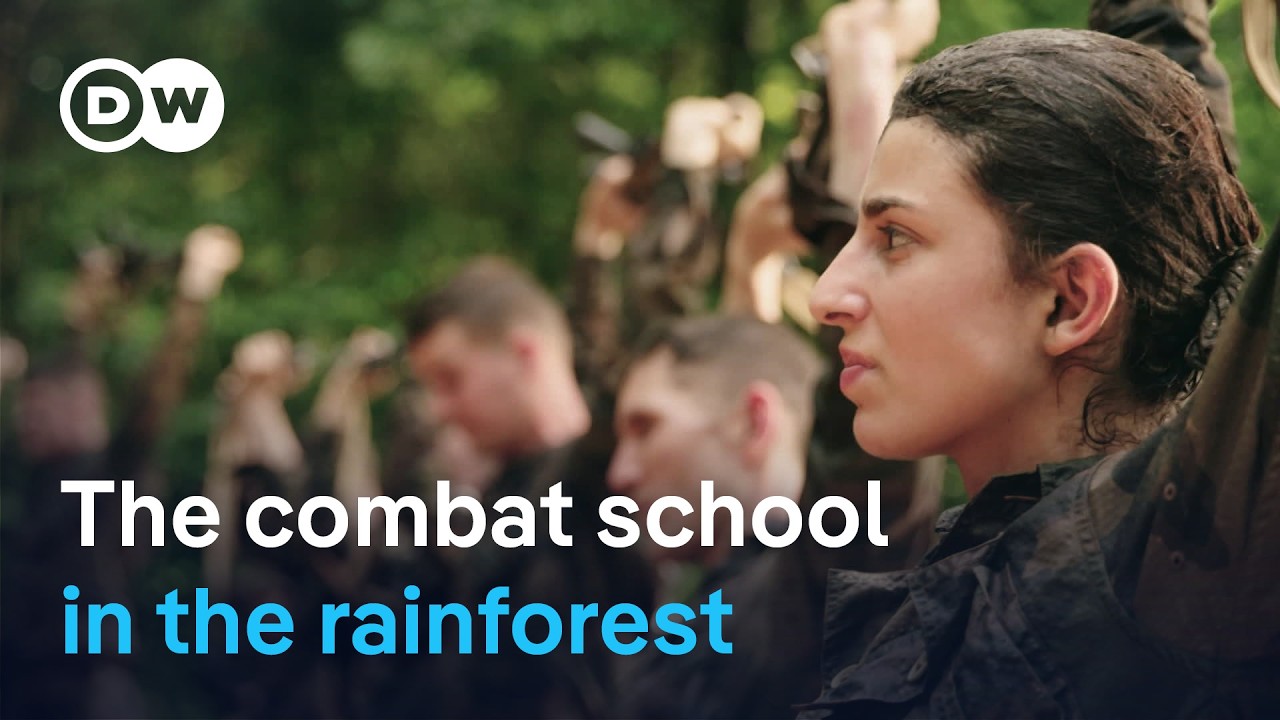
14 days of rigorous training in the rainforest push legionnaires to their limits as they learn survival skills and the demands of military discipline.
40% of the forests in the Brazilian state of Roraima have been lost in the last decade due to illegal activities threatening the Amazon rainforest.
In the 1950s, David Attenborough's early career in natural history is highlighted through archival footage from the BBC series Zoo Quest.
Animals on the African plains face constant threats and live seconds from disaster.
In diverse habitats from Australia to Borneo, species like Bat-eared Foxes and Proboscis Monkeys demonstrate their remarkable auditory abilities.
Male Raggiana birds of paradise take seven years to mature and develop their colorful plumes to attract females during mating displays.
The Boreal forest spans almost 5.5 million square miles across the northern hemisphere and stores approximately 703 gigatons of carbon in its biomass.
In May 2016, researcher Ian Redmond is injured by an elephant named Carly while studying a unique population of cave elephants in Mount Elgon, Kenya.
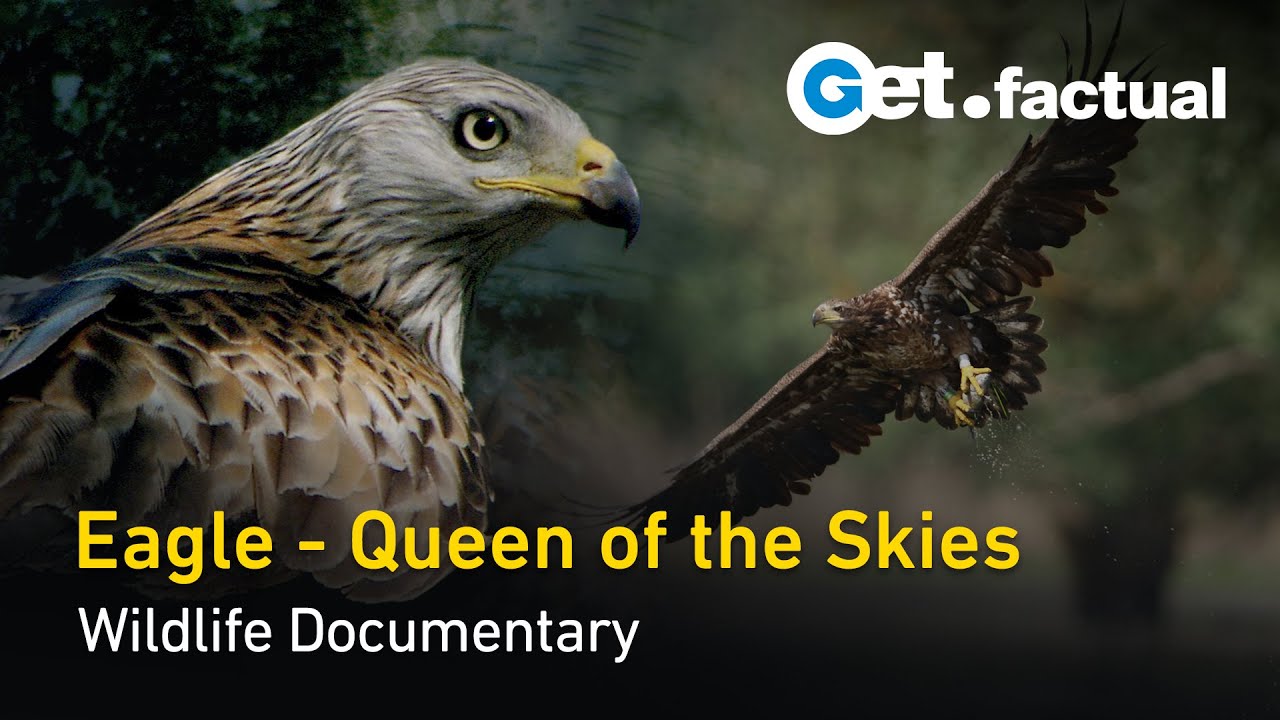
Eagles battle fiercely for survival and work hard to raise their young in this wildlife documentary.
Elephants exhibit remarkable intelligence and emotional depth, as highlighted by research from the African Wildlife Foundation on their adaptive behaviors in changing environments.
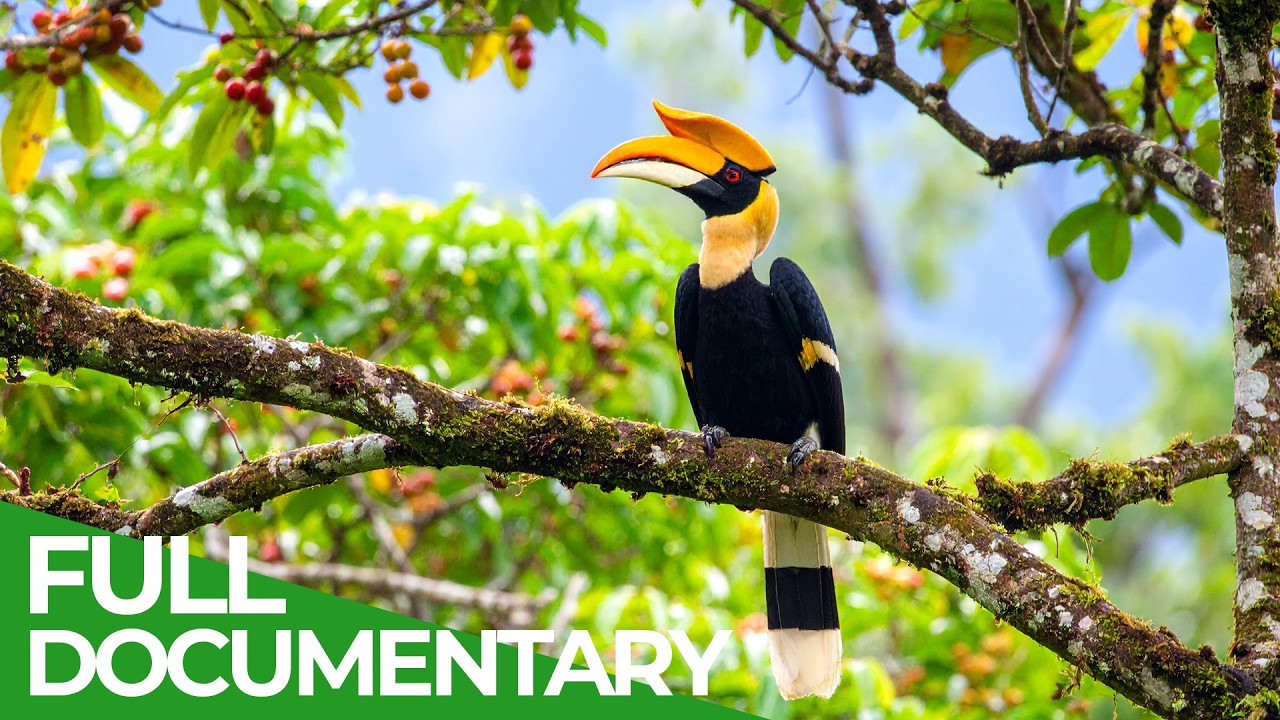
Borneo, the oldest tropical rainforest on Earth, showcases unique ecosystems where carnivorous plants, male orangutans, and pied hornbills compete for survival.
Only a few dozen of the 16,000 Penan people in Malaysia still live as nomads, relying on the rainforest for food and medicine.
The expedition team must travel 100 miles by boat to reach Masakenari village, facing treacherous conditions and the threat of fever among members.
A young white-tailed eagle searches for food in the frozen Puszta as wildlife and humans share Hungary's rivers and plains.
A mass grave linked to the 1921 Tulsa Race Massacre has been discovered, revealing the ongoing impact of racial violence in the United States.
Europe's ancient past is explored, from the reign of dinosaurs during the Carboniferous period to the emergence of Homo Heidelbergensis around 600,000 years ago.
40,000 gold miners in Mauritania dig deep into the Sahara, risking their health and the environment in hopes of striking it rich.
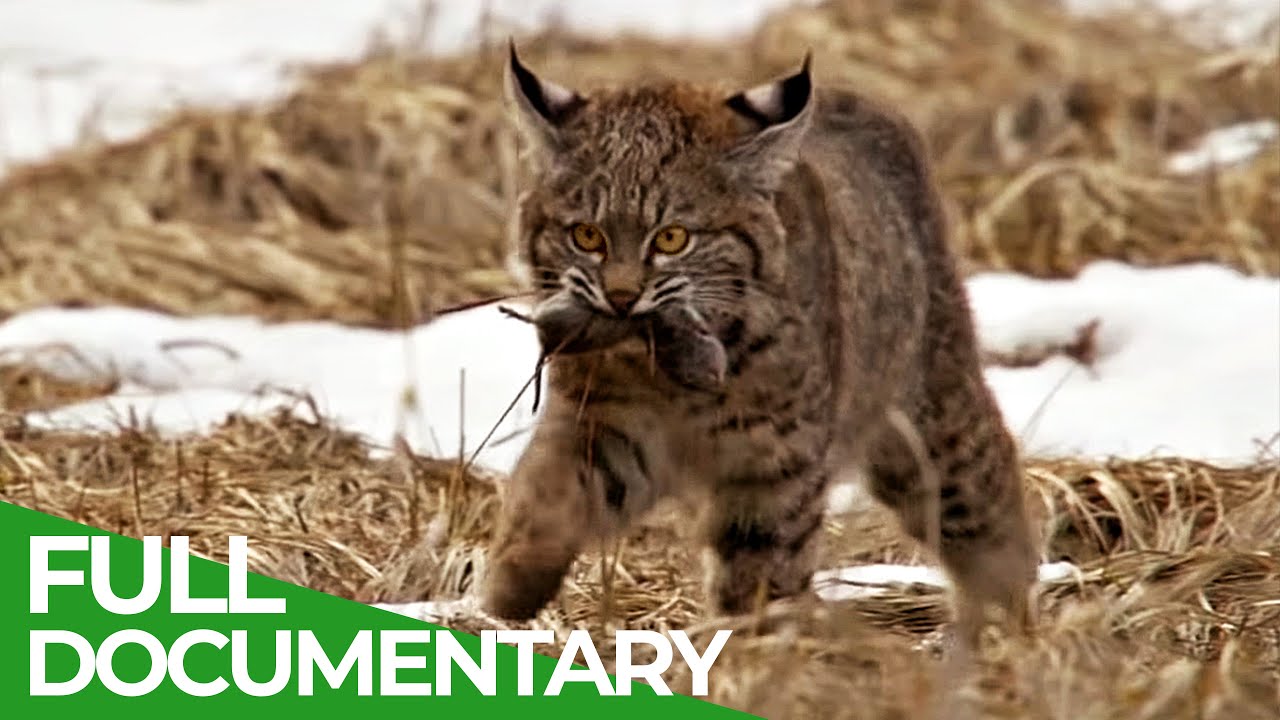
In eastern Slovakia, the Carpathian Mountains host a diverse range of wildlife, including brown bears, wolves, lynx, and rare species like the Blue slug and Tatra chamois.
Bespoke cameras fitted to wildlife by Gordon Buchanan and conservationists provide new insights into animal behavior and habitats, enhancing scientific understanding.
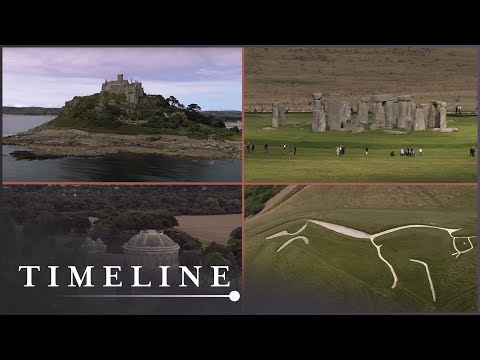
Each year, the National Trust's open spaces are visited over 100 million times, reflecting its role in preserving Britain's natural and historic landscapes.
Sir David Attenborough narrates a two-hour compilation of wildlife moments, featuring crabs evading predators and stallions competing for dominance.
Three million Cambodians depend on the Tonle Sap lake, which floods and droughts shape their daily lives and cultural practices.
An African elephant can weigh up to 6,000 kilograms and stand 4 meters tall, making it the largest land animal on Earth.
In the wild, determined animal mothers engage in intense moments of hunting and rescuing their young, narrated by Sir David Attenborough for BBC Earth.
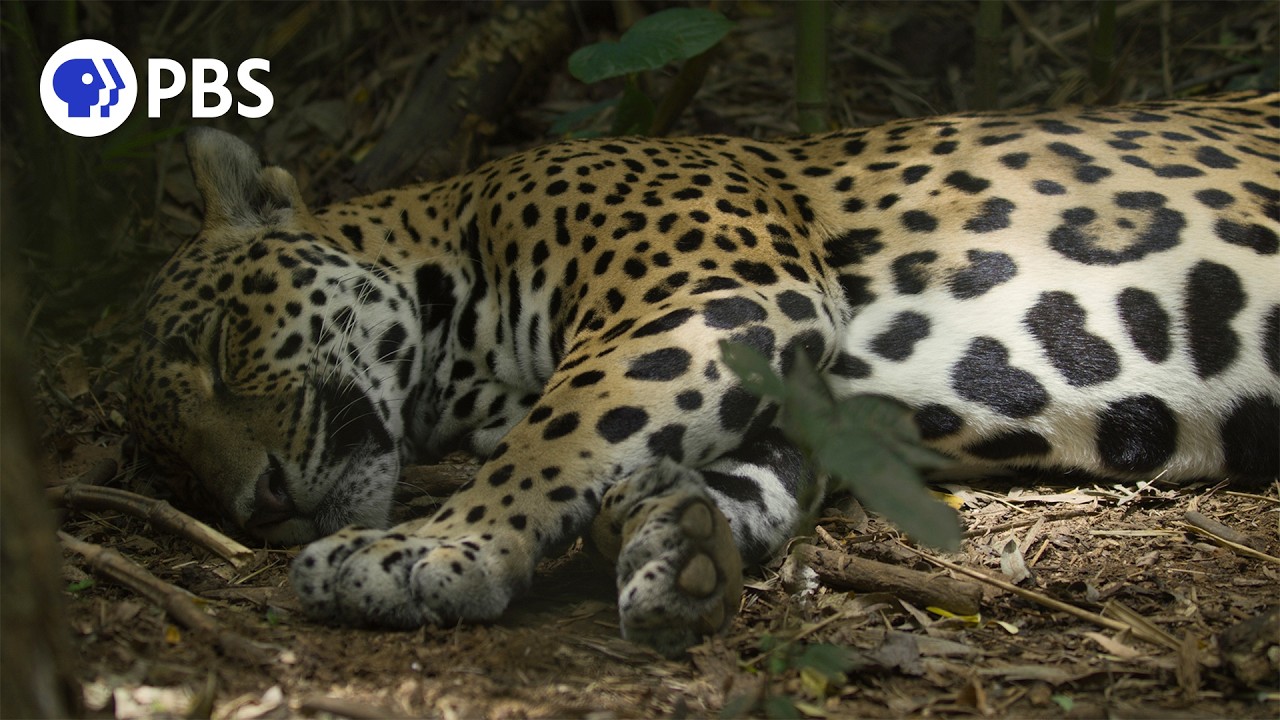
On Costa Rica's Pacific coast, the interaction between sea turtles and jaguars highlights the ecological dynamics of their unique volcanic and tropical habitats.
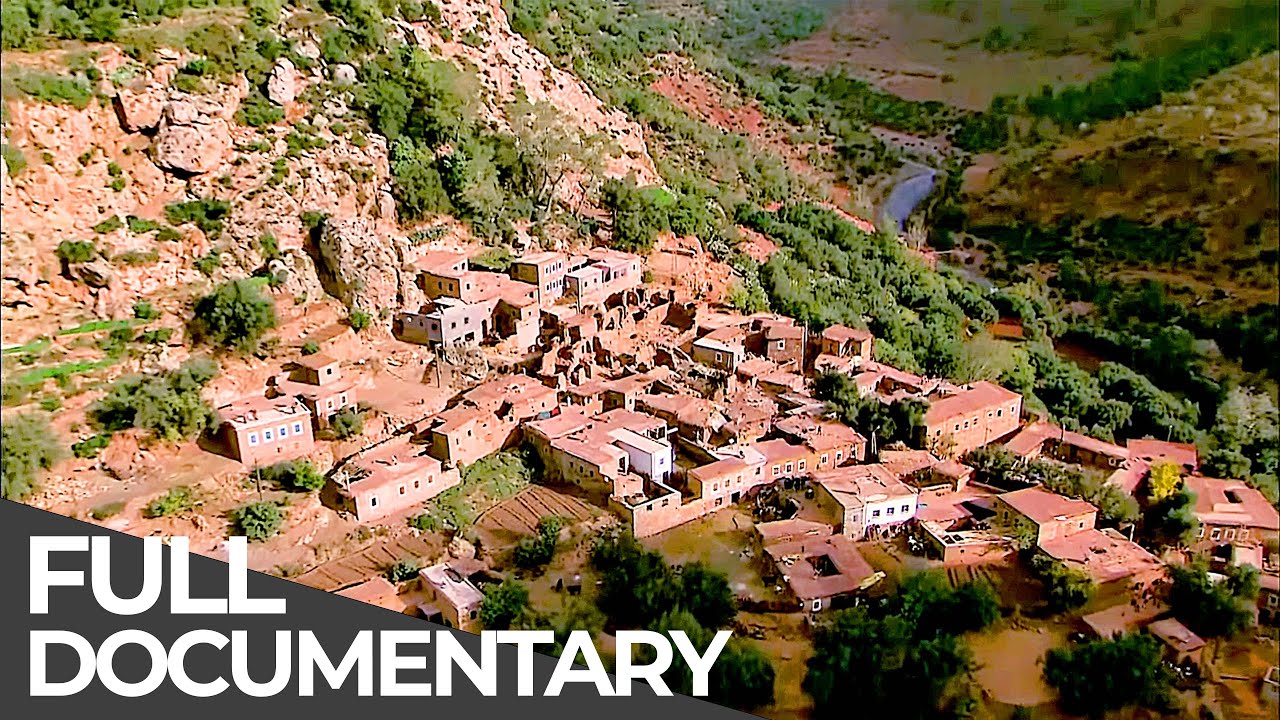
Abdullah, a saffron farmer in Taliouine, and Julia, a nurse in the High Atlas, navigate the challenges of their remote Moroccan communities.
Tony and the Team investigate Roman building remnants in Bedford Purlieus Wood, Cambridgeshire.
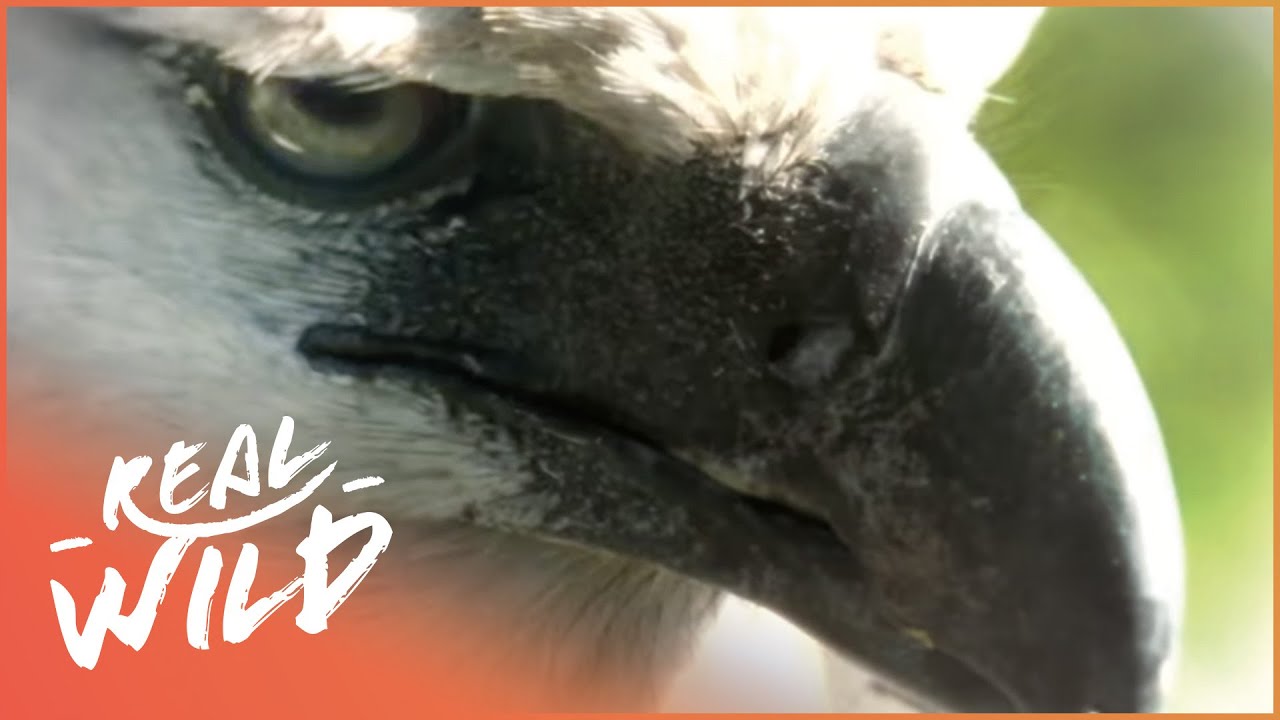
In the Essequibo River region of Guyana, Rainer and Sandy explore the rainforest in search of the Harpy Eagle, a formidable predator with impressive claws and beak.
The flightless Kiwi bird, native to New Zealand, has evolved unique traits that enable its survival in dark, isolated environments.
More than 10,000 people gather annually in Costa Rica for a week-long hippie festival focused on eco-conscious living and community sharing.