From over 100,000 films, discover the handful you'll love.
Free or premium access to the world's largest documentary library.
4759 films(Page 84 of 100)
Brian Skerry swam outside a shark cage for the first time in 1982, encountering a six-foot female blue shark off the coast of Rhode Island.
Alaa Aljaleel cares for 400 cats in Idlib, Syria, amidst the ongoing civil war.
Pyramiden, a Soviet-era ghost town on Spitsbergen, remains well preserved since its 1998 abandonment, with Aleksandr Romanovsky serving as the resident tour guide.
A 14-year-old boy in western Mongolia learns to capture and train a royal eagle, a tradition that connects him to his Kazakh heritage.
Ten years have passed since Kye Petersen first skied in the Tantalus Range, a location known for its difficult access and dramatic weather changes.
Tasmania is the last refuge for ancient wildlife in Australia, including Tasmanian devils.
In Tasmania, early European colonists share exaggerated tales by the fire, reflecting their fears and the island's unique wildlife, including marsupials.
The Tasmanian Devil is a shy scavenger, not the fearsome predator it's believed to be.
The thylacine, also known as Tasmanian tiger, was last seen in 1930 and is now extinct.
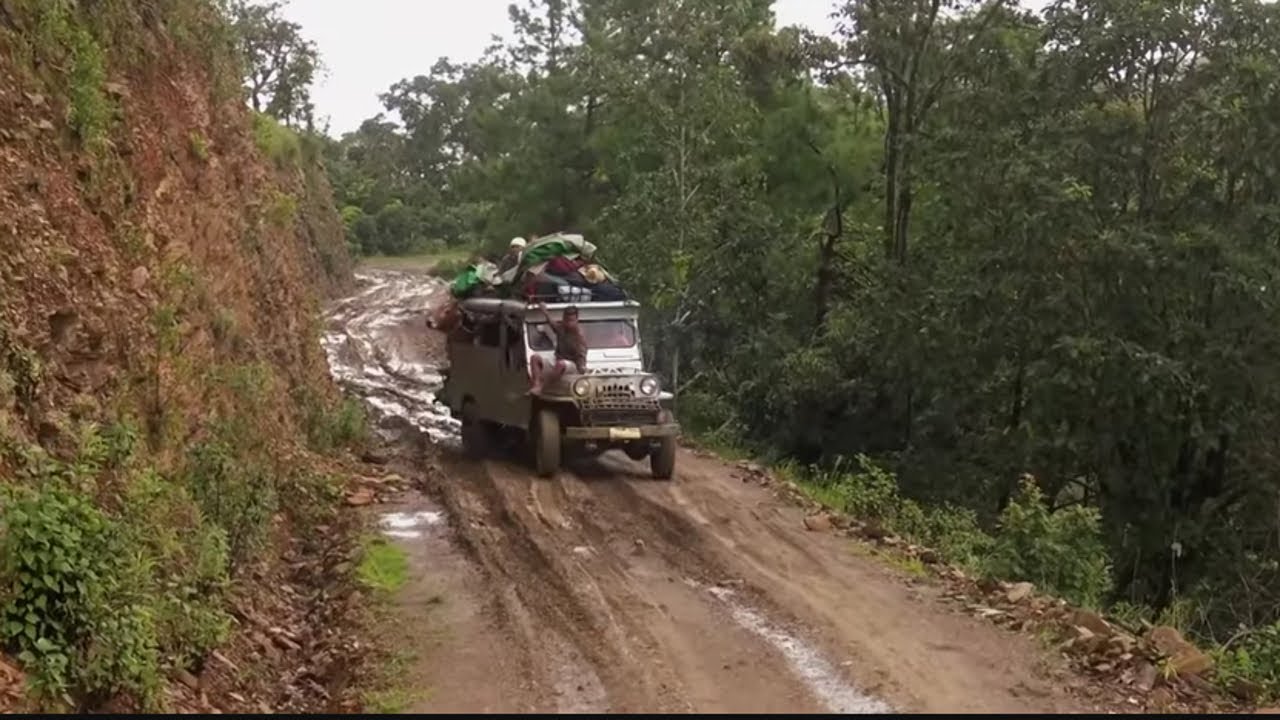
Campi drives 15 passengers and a bullock over a 90-kilometer track to a mountain village for a funeral, facing treacherous road conditions.
In Bora Bora, Teuira seeks to restore harmony between humans and sharks by capturing a shark with a lasso and communicating with the Spirits.
Over 10,000 years ago, unique cave paintings were created in Borneo, now a vital discovery for Tewet and his community's future.
In the Northwoods of Minnesota, three black bear cubs face the challenges of survival in their first weeks of life amidst various natural threats.
Evgenia Arbugaeva reflects on her childhood in Tiksi, a Siberian village that became a ghost town after the Soviet collapse, exploring the Arctic's hidden beauty.
Paulo fights against deep-sea trawling to protect Tuscany's coastline and marine life.
Amal Ahamri, a pioneer of all-women tbourida teams in Morocco, faces personal and professional challenges as she navigates motherhood and a prolonged absence from the sport.
Black Bears in Yellowstone National Park are displaying cannibalistic behavior, a significant shift in their natural interactions.
Canine companions are showcased through heartwarming moments, highlighting puppies, loyal wild dogs, and intelligent pets across various settings.
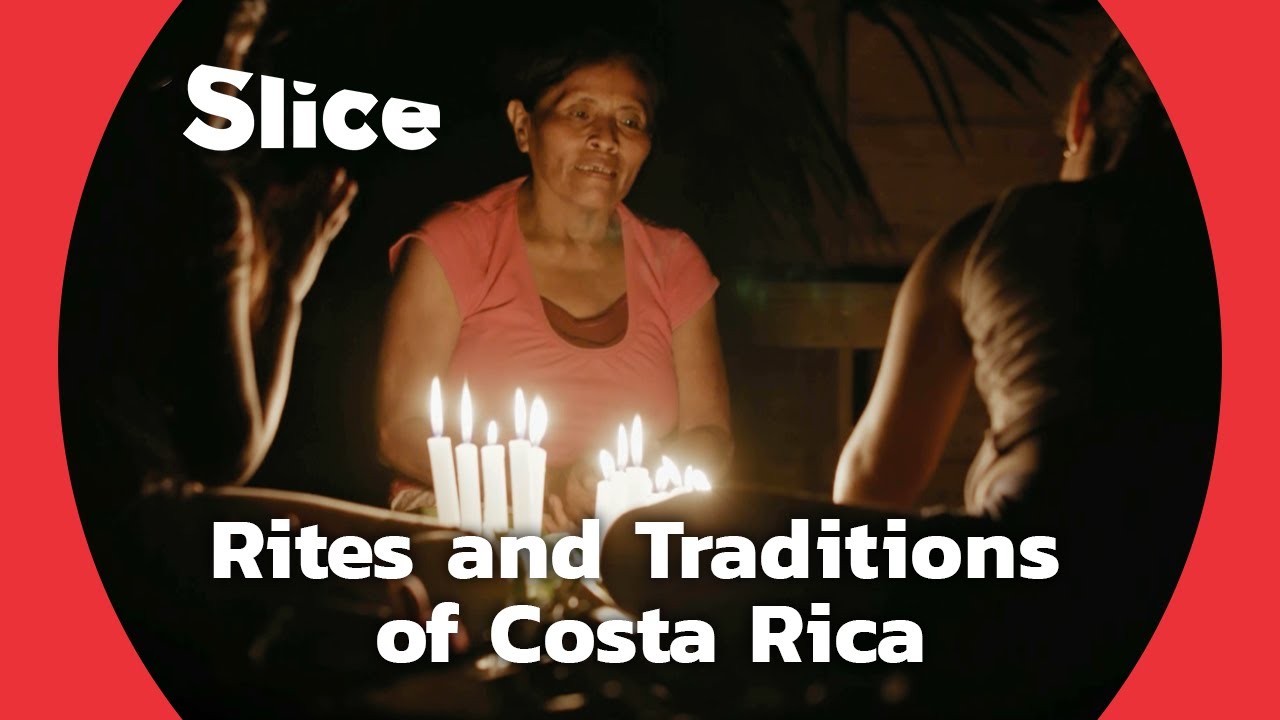
38 years ago, a fisherman moved from Panama to Costa Rica, where he reflects on the changing lives of coastal communities and their connection to the Bribri Indians.
Leo Ikhakik protects Arviat from polar bears amid climate change challenges.
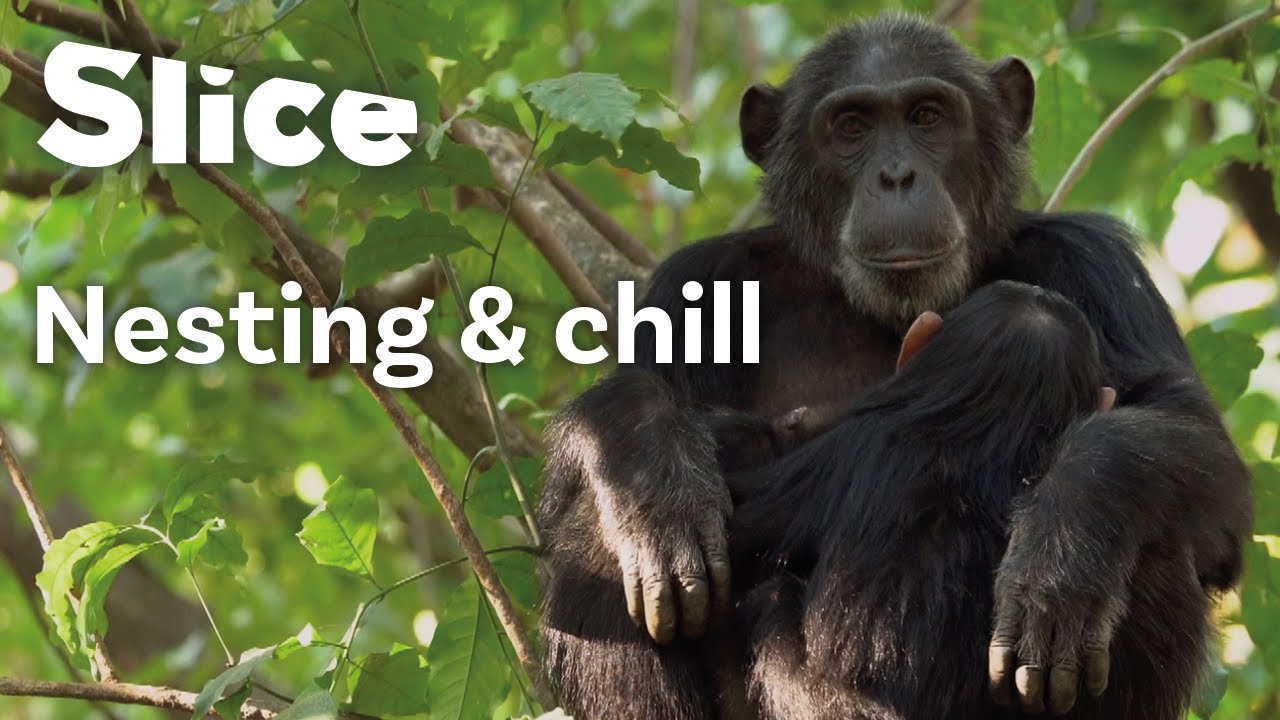
Nineteen thousand nests is the average number a young chimpanzee will build in its lifetime, each providing shelter and safety from predators.
Long Thanh, 13, suffers from Agent Orange's effects, causing severe pain and health issues.
Abdallah, a descendant of Ibn Aïssa, travels through Morocco to explore the cultural beliefs of the Aïssaouas regarding snakes like the Atlas cobra and sand viper.
New York's skyscrapers, subway systems, and harbor are influenced by significant geological events that shaped the city's development.
In Switzerland, veteran climber Jakob Schubert competes alongside rising stars Toby Roberts and Mejdi Schalk in a high-stakes men's climbing event.
A compilation from the BBC archive showcases elephants at various life stages, from playful calves to the experiences of older elephants.
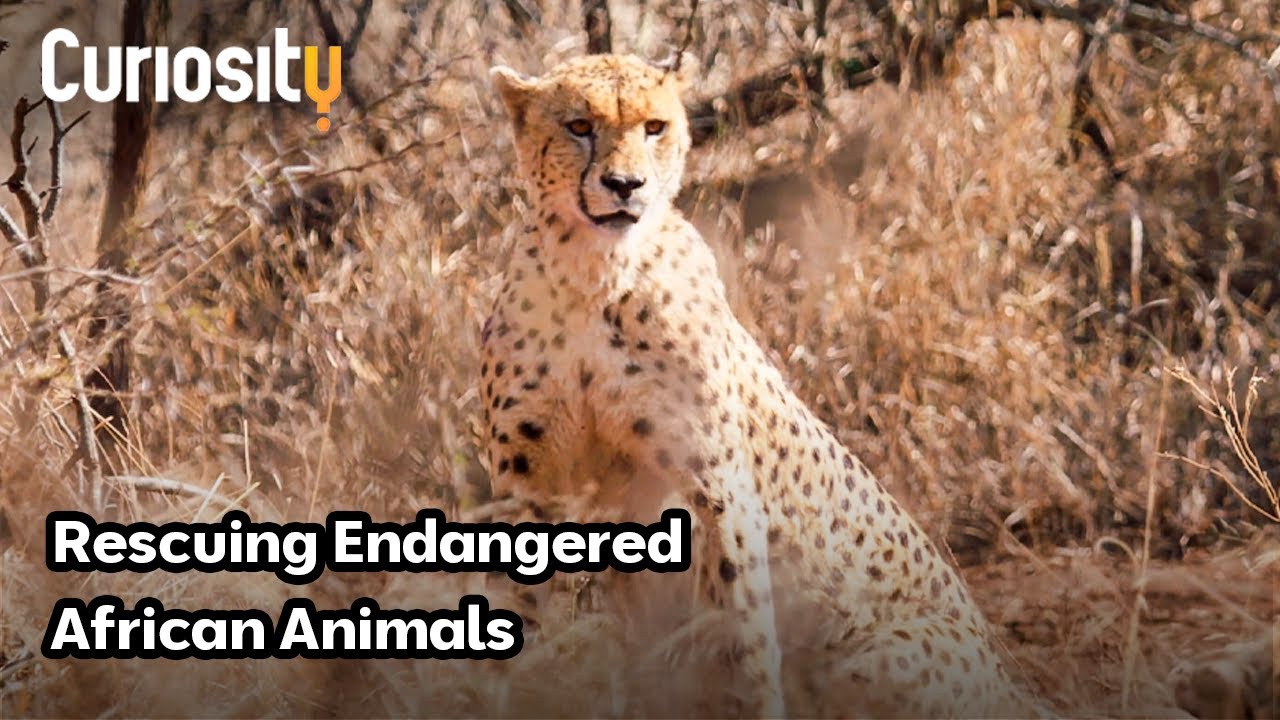
Dedicated staff at South Africa's Manyoni Private Game Reserve care for endangered animals daily.
Seven honey gatherers were killed by tigers this year alone as they entered the Sunderbans, a region known for its dangerous wildlife and rich natural resources.
In Kerala, India, temple elephants, revered in festivals, often endure mistreatment and distress, prompting discussions on ethical alternatives like robotics.
Humans have produced enough concrete to cover the Earth in a layer two millimeters thick, fundamentally altering every major Earth system.
Bottlenose dolphins approach the Australian coast to observe humans, despite the fact that many of their kind are killed by people worldwide.
Cleaning penguin cages involves dealing with a mix of mud, grass, and a significant amount of feces, all while ensuring the animals can build their own antibodies.
800 Black Widow spiders are milked for venom each day at an insect rearing facility that also breeds various species for conservation efforts.
Ten alligators were found dead in Lake Griffin, prompting an investigation into the environmental factors affecting their survival.
Only 25 percent of the Ebro Delta remained untouched by human activity by 1983, prompting the creation of a natural park to ensure its conservation.
Four elephants are captured by hunters from the Mnong community in Vietnam's high plateaux, using traditional methods passed down through generations.
A village of the Mikea people relocated to the edge of the forest due to increasing danger from bandits and deforestation.
Significant changes in tiger conservation efforts have emerged over the past two centuries, driven by organizations like the Indian Society for the Protection of Wild Life.
In Namibia, hyenas have adapted to new predatory roles by targeting fur seals displaced from their island habitats, showcasing their evolving hunting strategies.
More than 20 buffalo are raised by Ne'Uban, who believes their sacrifice is essential for guiding the souls of the deceased to the afterlife.
A female giant Pacific octopus lays around 100,000 eggs and dedicates six months to guarding them before she dies.
Only about 400 Ethiopian wolves remain in the wild, with 40 of them located in the Guassa region, where they interact with geladas.
Living at 11,000 feet in Ethiopia, researchers Jeff Kerby and Vivek Venkataraman study the gelada monkey's complex social structures and unique diet.
Sixty camels are born into Punmaram's herd this year, which he tends to in the Thar desert of India.
Red foxes in urban environments face numerous dangers, prompting The Fox Project to provide essential support for their survival and well-being.
1.7 billion years ago, precambrian rock formed in the Colorado Rockies, shaping the land long before life as we know it existed.
In a large garden, animals and plants coexist peacefully until predators disrupt their habitat, leading to conflict and ecological imbalance.
The video highlights how gerenuks adapt to the water-scarce Shaba region in Somalia.