From over 100,000 films, discover the handful you'll love.
Free or premium access to the world's largest documentary library.
4759 films(Page 55 of 100)
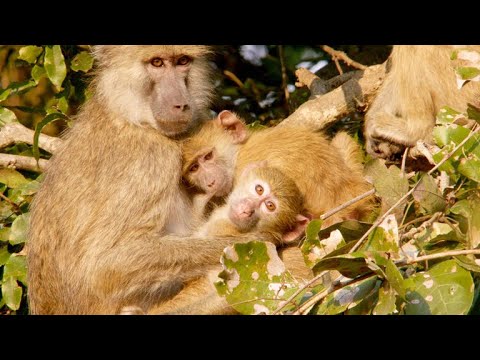
An American biologist studies the Kinda baboon species in their natural habitat in Zambia.
A baby black mamba showcases its deadly hunting skills in the African wilderness.
A black-collared hawk catches fish for dinner in Brazil Untamed: Bird Paradise.
Musk deer, with kangaroo heads and long teeth, face extinction due to poaching for musk in China.
Seymour, a zebra shark, allows veterinarians to perform an ultrasound while he is flipped onto his back, demonstrating trained behavior for medical evaluation.
A young male cheetah in Kafue National Park adapts its hunting strategy in the forest.
A newborn manatee calf begins to feed within hours of birth, nursing from teats located behind his mother's flippers.
In Svalbard, a Norwegian travel guide navigates the challenges of Arctic survival, preparing snowmobiles and meals while staying alert for polar bears.
In Polar Bear Town, a female polar bear prepares for motherhood by gaining over 400 pounds to sustain herself and her future cubs through winter.
Mount Rainier in Washington State is a recognized landmark and a national park since 1899.
Carmine bee-eaters use their long bills to catch and neutralize bees in Zambia's Valley.
Mahati faces bullying from higher ranked females after giving birth to Padma.
One puku becomes dinner for a leopard cub as her mother teaches her essential hunting skills in the gully plains of the African savanna.
A female leopard risks her life to steal food from a larger male leopard, highlighting the dangers and dynamics of their interactions in the wild.
A living shark can generate close to $180,000 in a single year and nearly $2 million over its lifetime, significantly boosting Palau's tourism economy.
Translucent skin allows a reed frog's blood vessels, intestines, and beating heart to be visible, aiding in camouflage from predators.
In South Africa, two survivalists face the challenges of aggressive baboons and harsh conditions while competing for $100,000 in Naked and Afraid: Last One Standing.
Polar bears in the Arctic are shown consuming mineral-rich kelp as an alternative food source due to the declining availability of seal populations.
A female bobcat in Savanna, Illinois hunts for food before giving birth to her cubs.
Four large river otter pups must find new fishing spots as their territory shrinks due to frozen waters in Yellowstone's harsh winter.
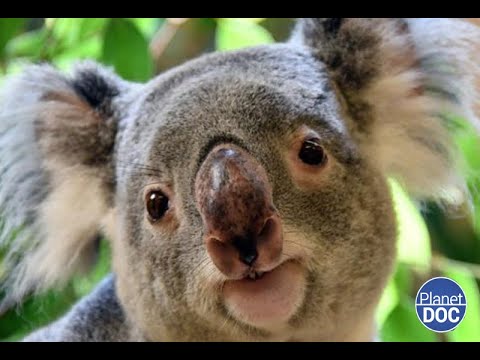
130 koalas reside at Lone Pine Koala Sanctuary in Brisbane, a facility dedicated to their care and protection since its establishment in 1927.
Forrest Galante explores Japan's oceans in search of the endangered Japanese angelshark, highlighting the species' ecological significance and threats from human activities.
Hummingbirds are showcased for their beauty and unique characteristics, with slow-motion footage highlighting their elegance and vibrant presence in nature.
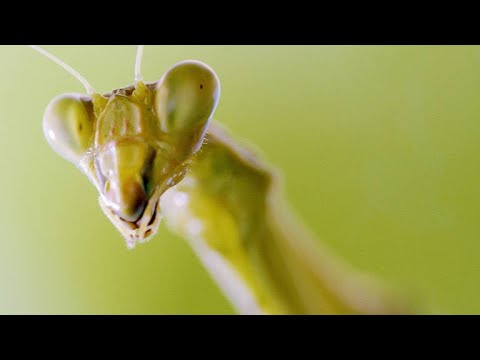
A praying mantis ambushes and eats a worker bee alive in Tales From Zambia.
A troop of tufted langurs navigates competition and cooperation as the youngest member attempts to climb a tall fig tree for food.
Orangutan Jungle School teaches orphaned orangutans essential survival skills to prepare them for life in the wild amid threats from poachers and deforestation.
Gerd Serrasolses prepares mentally, physically, and emotionally for extreme sports, showcasing the intense focus required for high-stakes endeavors alongside filmmaker Jimmy Chin.
A young male peacock struggles for attention while an experienced rival impresses females.
Aboriginal Australians celebrate traditions by eating turtle remains and fishing for giant turtles.
Three warthogs at a rehabilitation center learn to behave like their wild counterparts while enjoying a mud bath to stay cool during a drought.
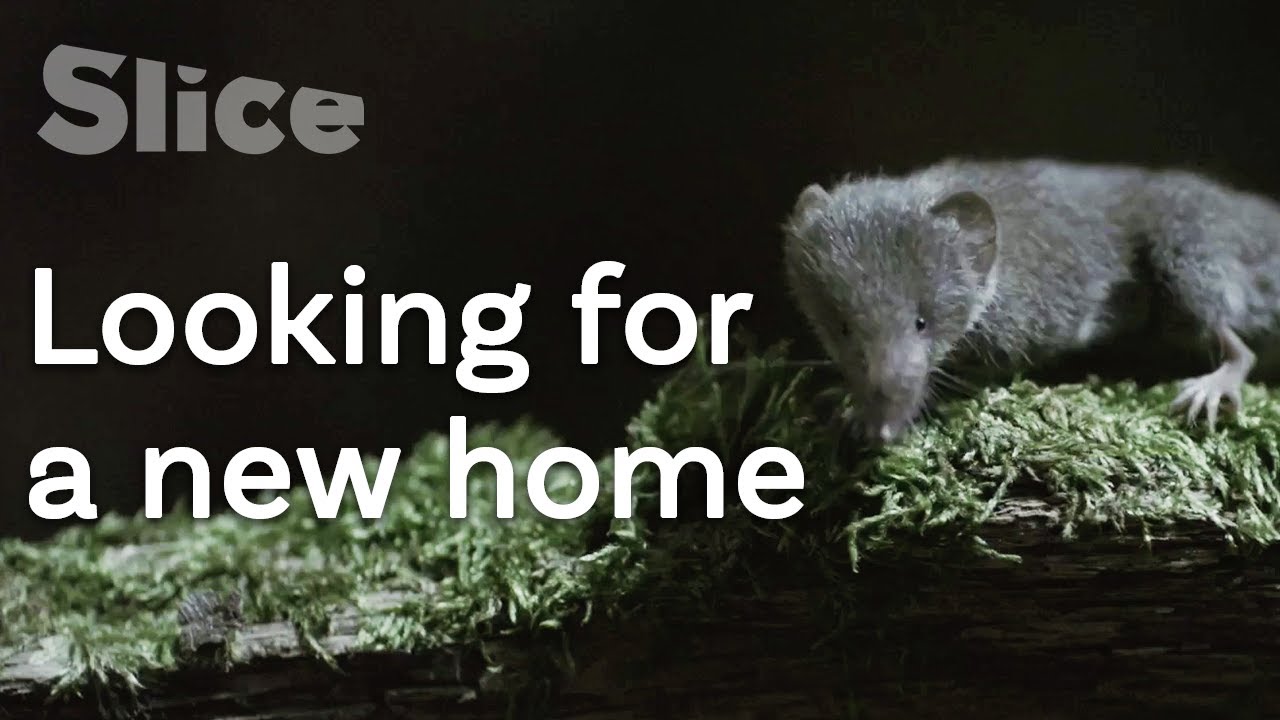
The shrew seeks a home at night while some fall asleep and others wake up.
Once a year in May, the BBA and Betam Maribe groups of the Somba people gather for a communal hunt that can last for weeks.
Rock pythons exhibit remarkable maternal instincts by guarding and warming their eggs for over 90 days after laying, showcasing unique nurturing behaviors.
The Alhambra in southern Spain is a historic Moorish fortress known for its architectural beauty and the surrounding natural landscape.
Markus and fellow shepherds in the Alps uphold a 6,000-year-old transhumance tradition, guiding 1,400 sheep from South Tyrol to Austria each spring.
Nebraska's agricultural output and Willa Cather's legacy shape the Great Plains' history.
Koalas survive on just 16 ounces of eucalyptus leaves each day, relying on a unique digestive process to handle their toxic diet.
Mark and Sophie Hutchinson relocate their family from Sydney to Pridelands, a neglected hunting ranch in South Africa, to restore its ecosystem and promote eco-tourism.
In the 20th century, controversial psychological experiments conducted by institutions like Stanford University raised ethical questions about human behavior and consent.
The Upper Falls of the Yellowstone River plummet more than 100 feet, forcing an otter mother to guide her pups across snowy terrain to safety.
An anaconda can weigh between 80 to 100 kilograms and typically eats only a few times each year.
Archaeologists theorize ancient Egyptians kept wild animals to combat natural chaos.
A meat-eating marsupial capable of killing large prey roamed the Darling Downs in Queensland 45,000 years ago alongside giant wombats and massive birds.
Watch large herbivores enjoy mud baths that help cool them and repel parasites.
Green ants live in groups of up to half a million and use silk produced by their larvae to stitch leaves together for their nests.
Scientists reveal apex predator decline disrupts ecosystems in Guardians of the Wild series.
In Namibia's Skeleton Coast, hyenas challenge large colonies of seals, highlighting the dynamics of predator-prey relationships in a harsh environment.
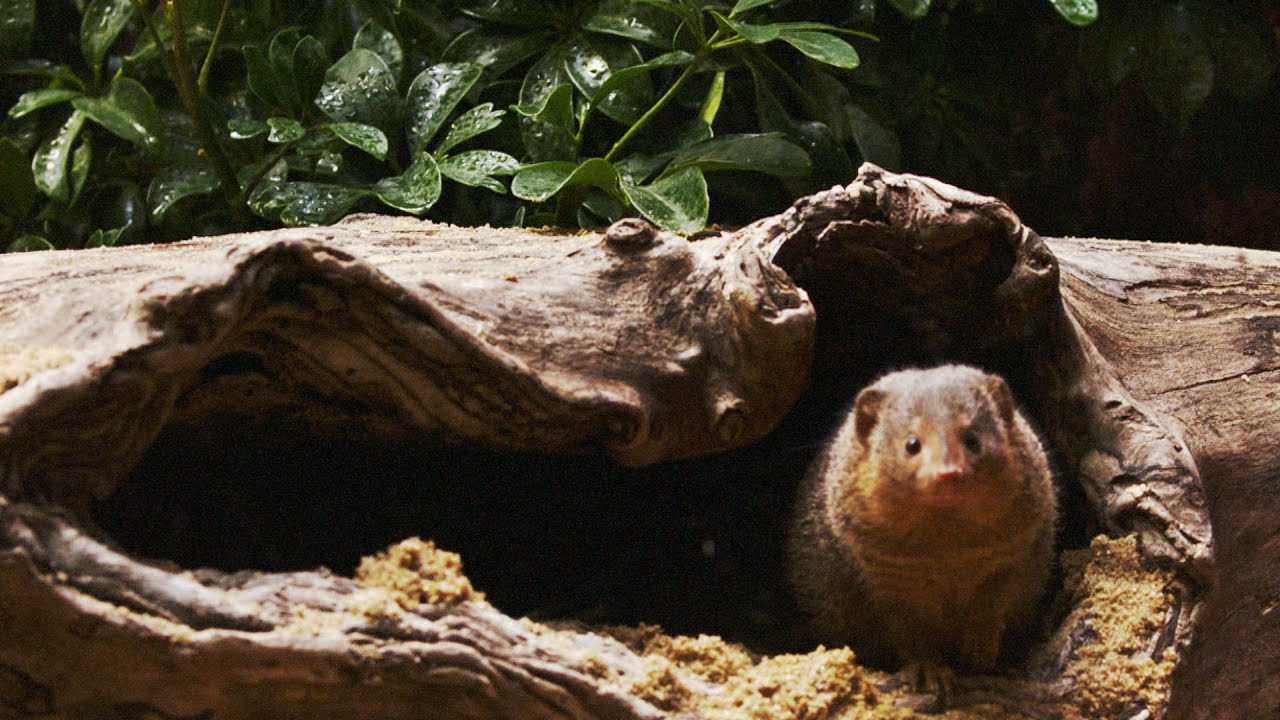
Mongooses, called either a mob or a pack, are very social and intelligent animals.