From over 100,000 films, discover the handful you'll love.
Free or premium access to the world's largest documentary library.
4759 films(Page 43 of 100)
In North America, baby animals like black bear cubs and sea otter pups face survival challenges while learning essential skills in their natural habitats.
In the majestic wilderness of the Alps, golden eagles navigate their territory while competing with the formidable bearded vulture for survival.
Mark A. Klingler, an award-winning artist, has collaborated with scientists for nearly 30 years to visually interpret stories of newly discovered and extinct species.
In the Masai Mara nature reserve, a cheetah mother named Maleika raises six cubs, showcasing the challenges and dynamics of wildlife parenting.
In southern Botswana, Thato Cooper and the Modisa Wildlife Project address conflicts between local farmers and lions that threaten livestock.
Intensively farmed salmon in Norway's fjords faces a crisis as an outbreak of sea lice threatens both farmed and wild fish populations, prompting collaboration between scientists and anglers.
Amboseli National Park, home to over 50 mammal species, faces increasing threats from human encroachment and climate change, impacting wildlife and local farmers.
In the wild ocean waters off the Azores, a team of scientists and cameramen attach micro-cameras to devil rays, revealing their deep-sea feeding behaviors and more.
Each year, 1.3 million wildebeest undertake a 600-kilometer migration across East Africa in search of fresh grasses that follow seasonal rains.
Wild macaques on the Rock of Gibraltar interact with tourists while the episode explores the territory's historic siege tunnels and unique wildlife.
South Africa's West Coast presents a harsh environment shaped by icy Atlantic waters and fierce winds, showcasing the resilience of its unique wildlife.
Falconry was introduced in Europe by Emperor Frederick II, who inherited the practice from the Arabs, making it a popular noble activity throughout the continent.
Innovative facilities like the San Diego Zoo and Berlin Zoo are reshaping animal welfare by creating habitats that prioritize the natural behaviors of wildlife.
In Zambia, a zebra family led by a dominant stallion navigates the challenges of drought and predators, showcasing the species' remarkable survival adaptations.
Zoos across Europe engage in conservation efforts for endangered species, raising questions about their effectiveness in species revival.
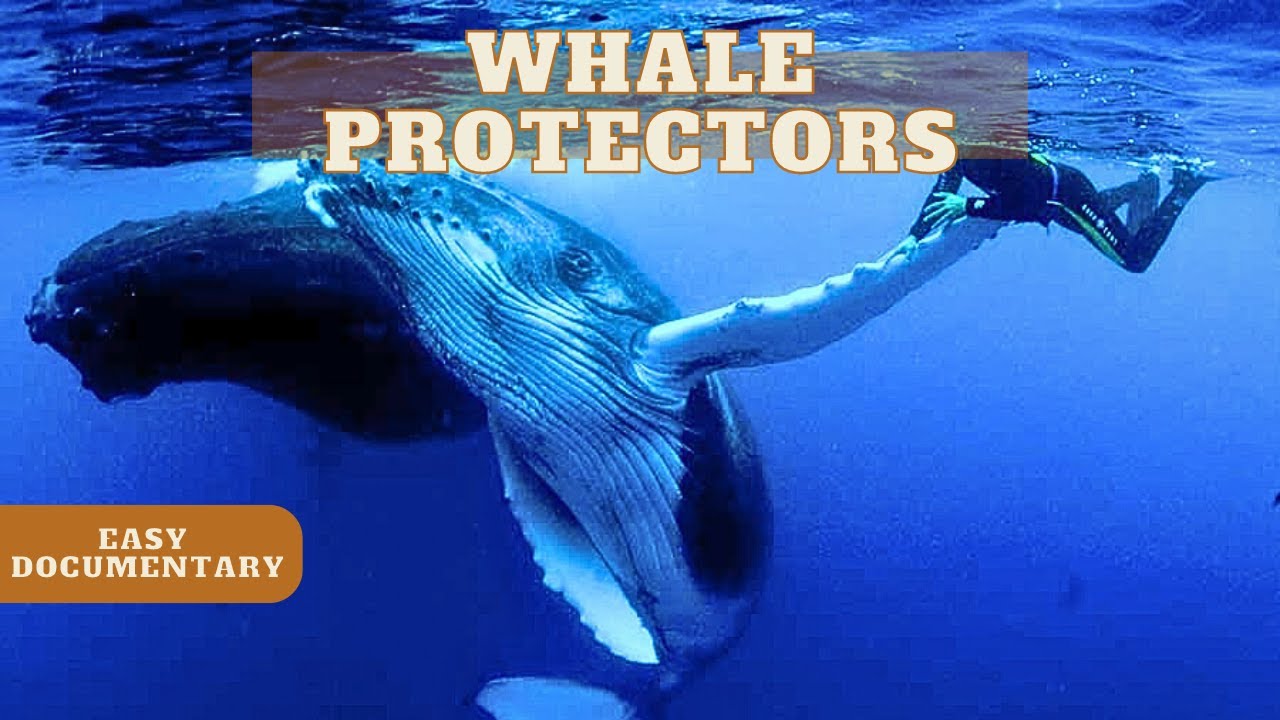
A scientist studies whale parasites to protect humpback whales, facing the dangers of physical contact with these massive sea creatures.
Mount McKinley, at 20,320 feet, is North America's tallest peak and a central feature in the portrayal of Alaska's vast wilderness and wildlife.
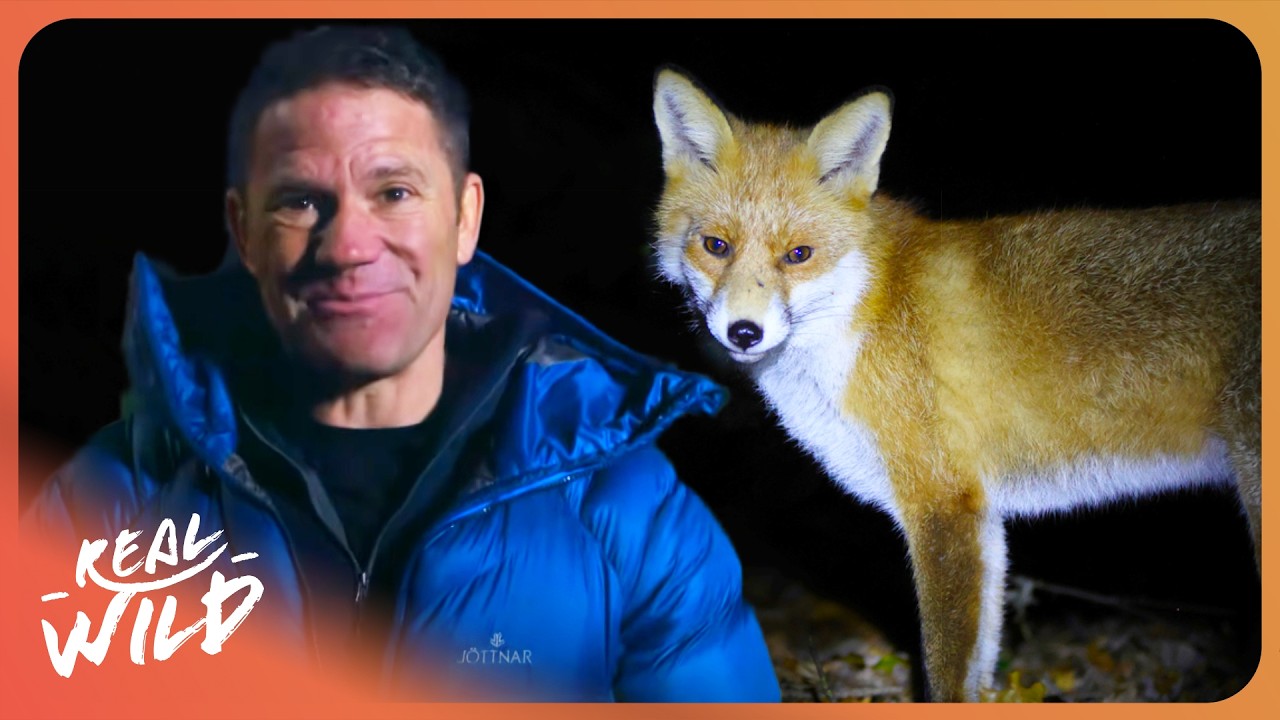
Steve Backshall uses low-light camera technology to reveal the nighttime behaviors of urban wildlife and pets in the UK, including interactions at Bristol Zoo.
Efforts to preserve feral wolf populations, advancements in genetic medicine for HIV/AIDS, and a boy's rare sunlight allergy are examined in this episode of Scope.
Twenty-one wolves were flown to central Idaho in January 1996 as part of a federal plan to restore the gray wolf population in the region.
In Africa's deserts, unique wildlife adaptations and survival challenges are explored, highlighting the harsh realities of life in these arid environments.
A compilation of footage from Venezuela, Peru, and Brazil showcases the diverse mammals of South America, featuring educational narration and informative captions.
In Delaware Bay, red knots migrate each May from South America, relying on dwindling horseshoe crab eggs for sustenance during their critical stopover.
Wild animals employ various strategies, such as self-medication and social isolation, to combat diseases, offering insights into survival amid rising global health threats.
A mother otter watches over her cub in a river swollen from winter floods, illustrating the challenges faced by wildlife in fragile ecosystems.
Museums of Natural History and Zoological gardens are examined through the insights of historians, authors, and architects, highlighting their role in environmental awareness.
Monty Halls and his family explore the Galapagos Islands, addressing critical issues like illegal shark finning and plastic pollution while promoting conservation efforts.
Every culture has always felt a sense of morality, questioning its true nature and origins.
In Madagascar, European and Malagasy researchers implement an educational board game to engage locals in the conservation of the endangered Alaotra Gentle Lemur.
In Eastern Cambodia, the Bunong indigenous people face a critical struggle for survival alongside elephants as logging and mining threaten their forest home.
Wolves of the Golan Heights, swamp cats of the Sea of Galilee, and desert ibexes are showcased in their changing habitats across the seasons.
Naturalist Kevin Van Tighem advocates for the protection of endangered wolves and their ecosystems in the Canadian Rockies through research and community engagement.
Maine's diverse landscapes, from its rocky coastlines to northern forests, are showcased through stunning aerial footage narrated by Jack Perkins.
Brisbane is home to more than two million residents and a diverse array of wildlife, including Eastern Grey kangaroos in protected areas.
At The Big Bear Alpine Zoo in California, one of only two high elevation zoos in the United States, the film explores the unique challenges and care of alpine wildlife.
In Alaska, blue glaciers, grizzly cubs, and the alpenglow on Denali showcase the breathtaking beauty of the state's diverse wilderness landscapes.
In a suburban home, the Schneider brothers, Lewis, Nelson, and Clancy, care for a variety of exotic animals, including baby reptiles and koalas.
On August 24, 2006, water flowed freely into the Bolsa Chica Wetlands for the first time in 107 years, marking a significant restoration milestone.
Mira Tweti finds an abandoned duckling named Dewie, starved and soaked in urine, and takes her into her city apartment for care and companionship.
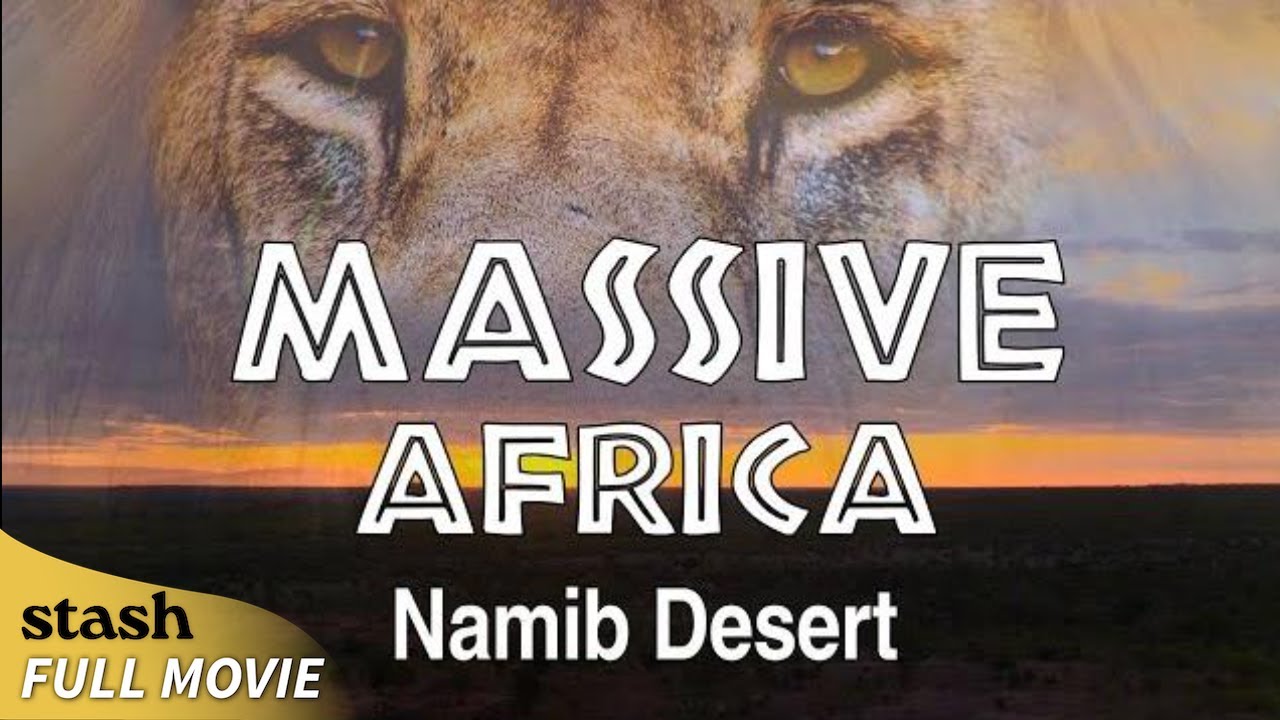
In the Namib Desert, Africa's most expansive wilderness, diverse wildlife thrives amidst one of the planet's oldest and harshest landscapes.
Tasmania's diverse ecosystems feature ancient forests, unique fauna, and stunning geological formations, showcasing the island's unspoiled natural beauty.
Australia's heaviest bird, the Southern Cassowary, weighs up to 76 kilograms and plays a crucial role as a seed disperser for 238 rainforest species.
Börzsöny Forest in Northern Hungary showcases its unique ecosystem, highlighting the intricate relationships between wildlife and their environment.
The Sierra Mountains showcase their vibrant seasonal transformations, featuring colorful aspens and wildflower meadows across the Range of Light.
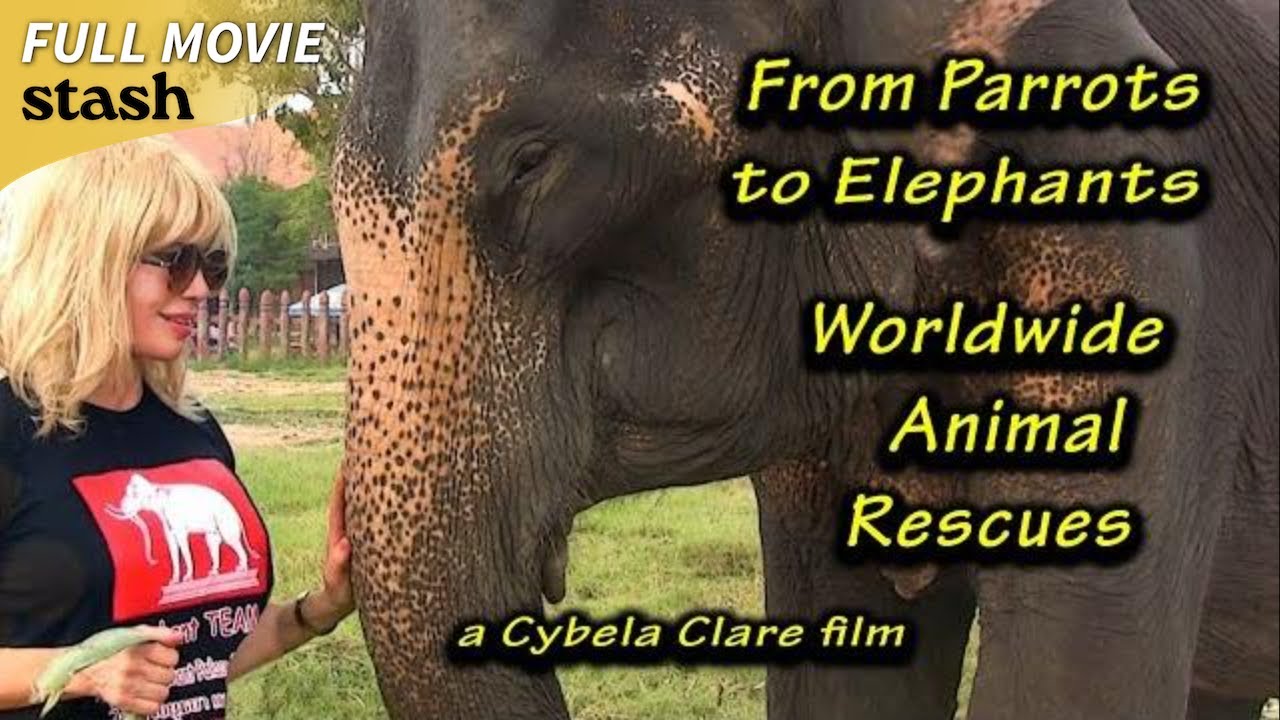
In Thailand, Brazil, and North America, various animal rescues highlight the unique talents and intelligence of species such as rhinos, hippos, and parrots.
Manta ray expert Andrea Marshall, conservation biologist Krithi Karanth, and photographer Joel Sartore share insights on nature exploration in a Hangout.
Tim Samaris predicts tornadoes and deploys recording probes into their paths while racing through Tornado Alley each May and June.
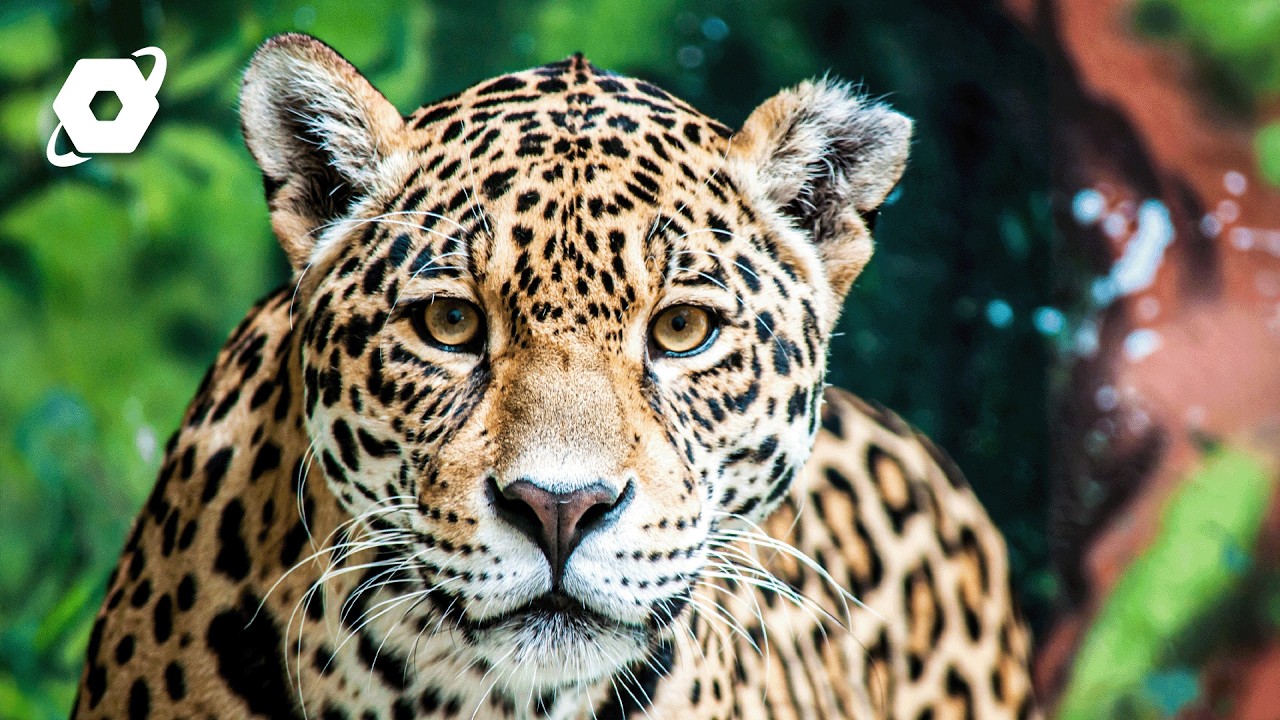
A male leopard marks his territory with urine and scent glands, defending his space to secure food and mates in the wild.