From over 100,000 films, discover the handful you'll love.
Free or premium access to the world's largest documentary library.
4759 films(Page 24 of 100)
A black stork pair successfully raised three chicks in the forests of Germany, marking a significant return of the species to its natural habitat.
Only 3,200 tigers remain in the wild today, down from 100,000 a century ago, primarily due to habitat loss and poaching.
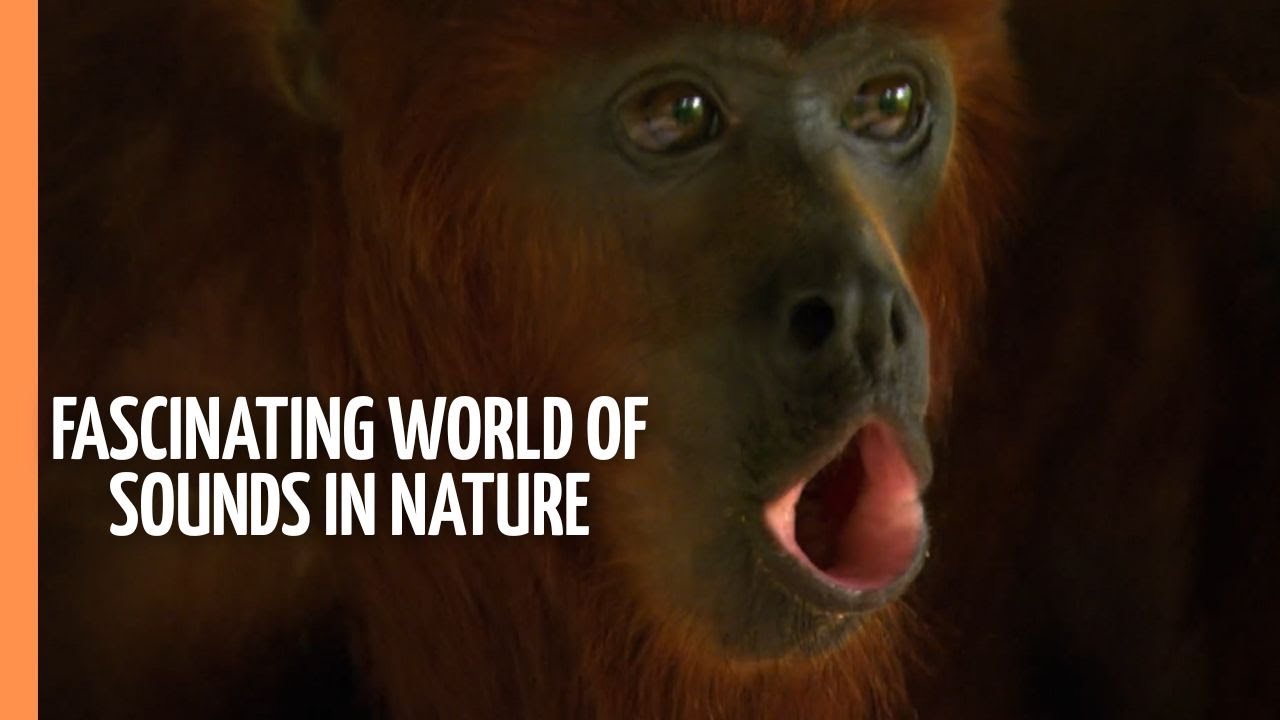
A lion's roar can reach 114 decibels, making it 25 times louder than a gas-powered lawnmower and audible from eight kilometers away.
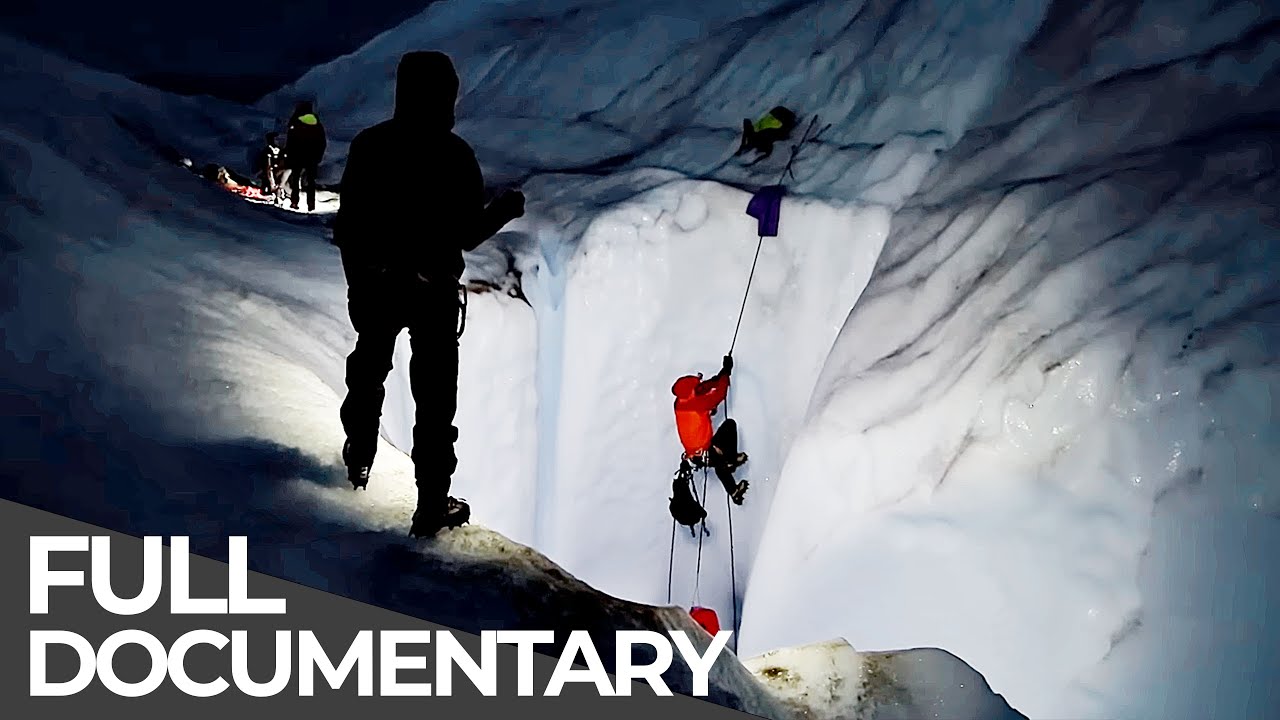
A team of scientists and adventurers embarks on a 50-day expedition across 100 kilometers of Greenland's remote Renland Peninsula to study melting glaciers.
The trend of shark diving without protective cages raises significant safety concerns, culminating in the first recorded death in this extreme sport.
In Katmai National Park, wildlife enthusiast Casey Anderson and his team observe brown bear behavior while implementing safety measures in their remote camp.
Cape Verde's stunning landscapes and rich culture are captured through the lenses of renowned photographers in the series 'Over the Islands of Africa.
Idaho has more than a dozen named wilderness areas totaling nearly 5 million acres, where nature remains untouched by modern life.
At 70 kg and 1.7 m long, the aardvark is considered one of Africa's most elusive animals, rarely seen even by expert trackers.
Pronghorn antelope, native to North America's Western prairies, exhibit remarkable speed and unique survival strategies, including annual horn shedding and vital ecosystem roles.
Mike Lebecki has completed over 60 expeditions, including a significant trip to Antarctica with National Geographic.
A horizontal mile in the Sơn Đoòng cave system can take an entire day to traverse due to sharp rocks and rugged terrain.
In the African savanna, the intricate balance of life and death among species like elephants and cheetahs faces critical threats from habitat loss and climate change.
Denali can drop two feet of snow in a day, creating life-threatening conditions for climbers like Max Lowe and his team during a thunder snowstorm.
In the mountains of Chile, a mountain lion mother teaches her cubs survival skills, showcasing the species' vital role in the Andean ecosystem.
In stunning 4K video, a mother bear protects her cubs while bull elephant seals fend off intruders in their natural habitats.
The Western Hoolock Gibbon, Bangladesh's only native ape species, is rapidly declining due to habitat destruction, prompting urgent conservation efforts.
Six months of no rain on Santa Cruz Island force giant tortoises to migrate in search of food, pushing them to their limits.
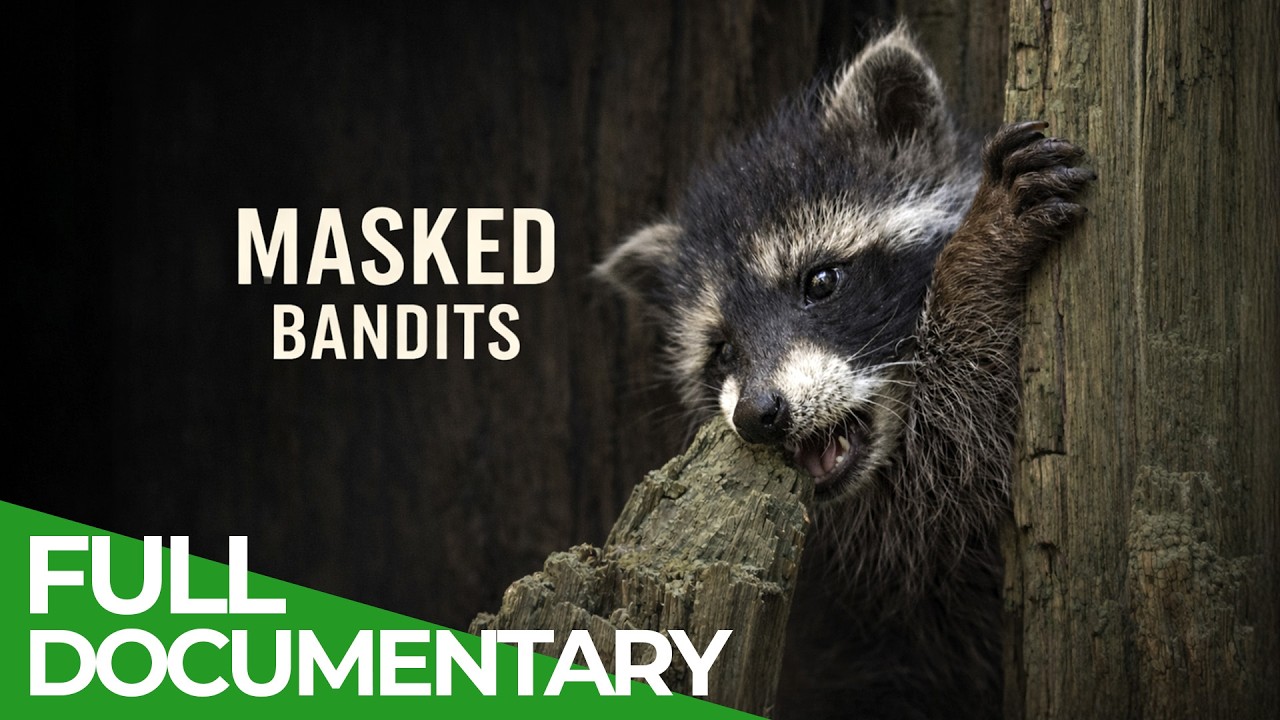
Masked mammals such as raccoons, badgers, and red pandas showcase their intelligence and adaptability while navigating diverse environments from European forests to the Amazon.
Costa Rica, covering only 0.03% of the world's landmass, is home to 5% of global biodiversity and has achieved nearly zero deforestation since 2005.
Herpetologist Nathaniel Maury tracks rare reptiles and amphibians in Sri Lanka's wild spaces, emphasizing the urgent need for conservation of these species.
Tagus International Park, established in 2006, is home to over 400 vertebrate species and more than 1,000 plant species along the Tagus River.
Michel Denis-Huot brings back 7,000 to 8,000 photos from each trip to Kenya, with only three to ten images deemed exceptional.
In Trás-os-Montes, Portugal's most remote province, two small mountain ranges harbor a rich natural heritage, including unique flora, fauna, and geological features.
In Alaska's remote wilderness, veteran photographer Michael Melford explores the conflicting futures faced by local residents amid environmental changes.
Peneda-Gerês National Park, Portugal's only national park, spans nearly 700 square kilometers and features diverse ecosystems, including oak forests and wild Garrano ponies.
In South Australia, the intricate relationship between native marsupials and poisonous plants is threatened by invasive species like foxes and rabbits.
Animals use unique methods, like Capuchin monkeys rubbing citrus, to combat germs which cause disease.
Yunnan province in southwestern China, known for its diverse landscapes and rich biodiversity, is home to endangered species like the white-cheeked gibbon and China's elephants.
Ifrane National Park, covering 50,000 hectares, is home to one of the largest populations of Barbary macaques in the world.
Ten generations of eagle hunters in Mongolia rely on golden eagles, a practice that has survived for over a thousand years despite modern pressures.
The great auk, a flightless bird native to the North Atlantic, became extinct by the mid-19th century due to overhunting and environmental changes.
Wild horses in the Australian outback, descendants of British settlers, have adapted to survive extreme heat, drought, and predators in their harsh desert environment.
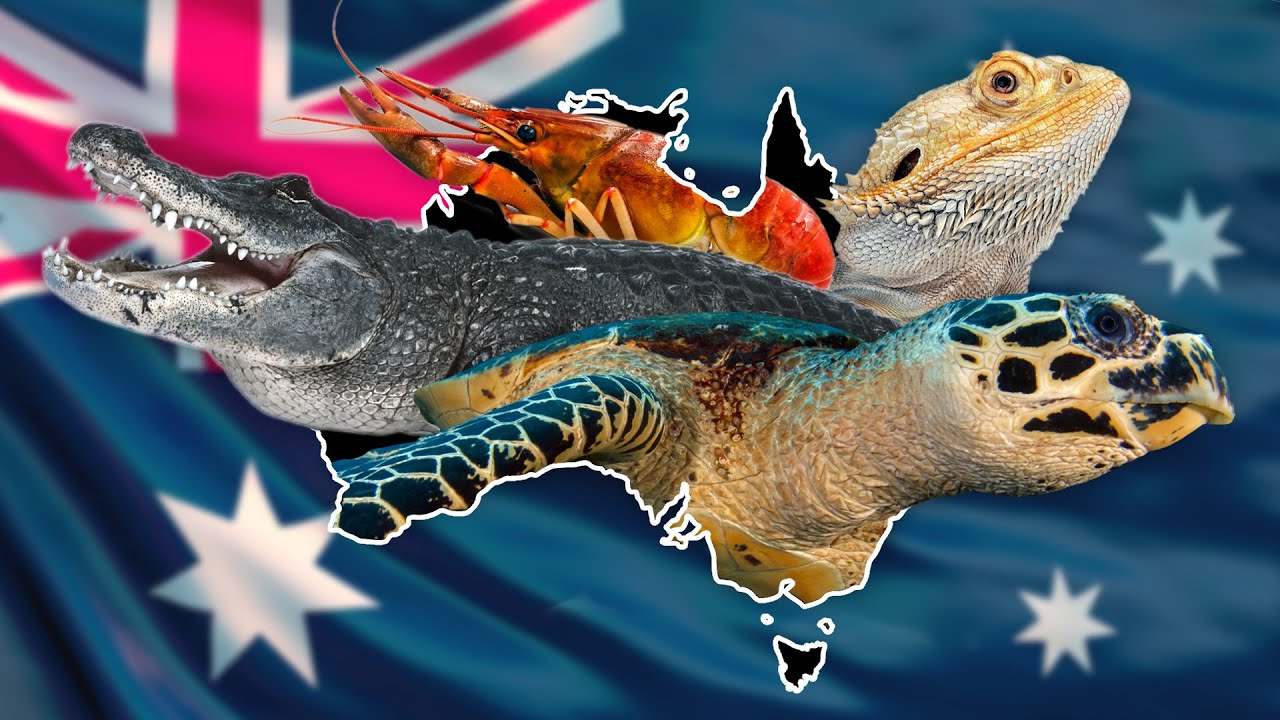
In Australia's wildlife oasis, diverse species such as lobsters, bearded dragons, turtles, and alligators thrive in their natural habitats.
Two tiny queens, an orchid bee and a leafcutter ant, employ vastly different strategies-sacrifice and betrayal-to build their empires in the rainforest.
Autumn showcases the vibrant transformations in wildlife, highlighting red deer's mating rituals, crane migrations, and the preparations of squirrels and hedgehogs for winter.
A juvenile great white shark attacks a seal decoy, leaving a bite mark that helps the team estimate its size during a research experiment in Muscle Bay, South Africa.
Robert Twigger attempts to capture the world's largest snake alive for $50,000 despite his fear.
Java became separated from mainland Asia just 10,000 years ago, leading to unique adaptations among its wildlife, including monitor lizards.
African penguins, the only penguin species native to Africa, are facing extinction despite conservation efforts on their breeding islands.
Danielle Lee studies how field mice thrive in urban parks, revealing that many wildlife species live unnoticed in neglected spaces.
Madagascar, the Galápagos Islands, and the South Pacific are home to unique wildlife and ecosystems that face threats from climate change and invasive species.
Kemp's Ridley sea turtles, an endangered species, are rescued annually by the Mass Audubon Wellfleet Bay Wildlife Sanctuary and the New England Aquarium in Cape Cod.
Hummingbirds must consume more than twice their body weight in food each day, competing fiercely for limited nectar supplies from flowers.
A hummingbird can travel at speeds of up to 60 miles per hour, relying on nectar to fuel its high-energy lifestyle.
In the wild coasts of Patagonia, diverse wildlife such as southern right whales, elephant seals, and orcas thrive, particularly at Caleta Valdez during mating season.
In the Masai Mara, lions, hyenas, elephants, and cheetahs navigate the ancient rhythms of the African savannah amid the annual migration of millions.
Wildlife photographer James R. Page showcases the endangered Grasslands National Park in Canada, highlighting its diverse ecosystems and wildlife over two decades.