From over 100,000 films, discover the handful you'll love.
Free or premium access to the world's largest documentary library.
4759 films(Page 19 of 100)
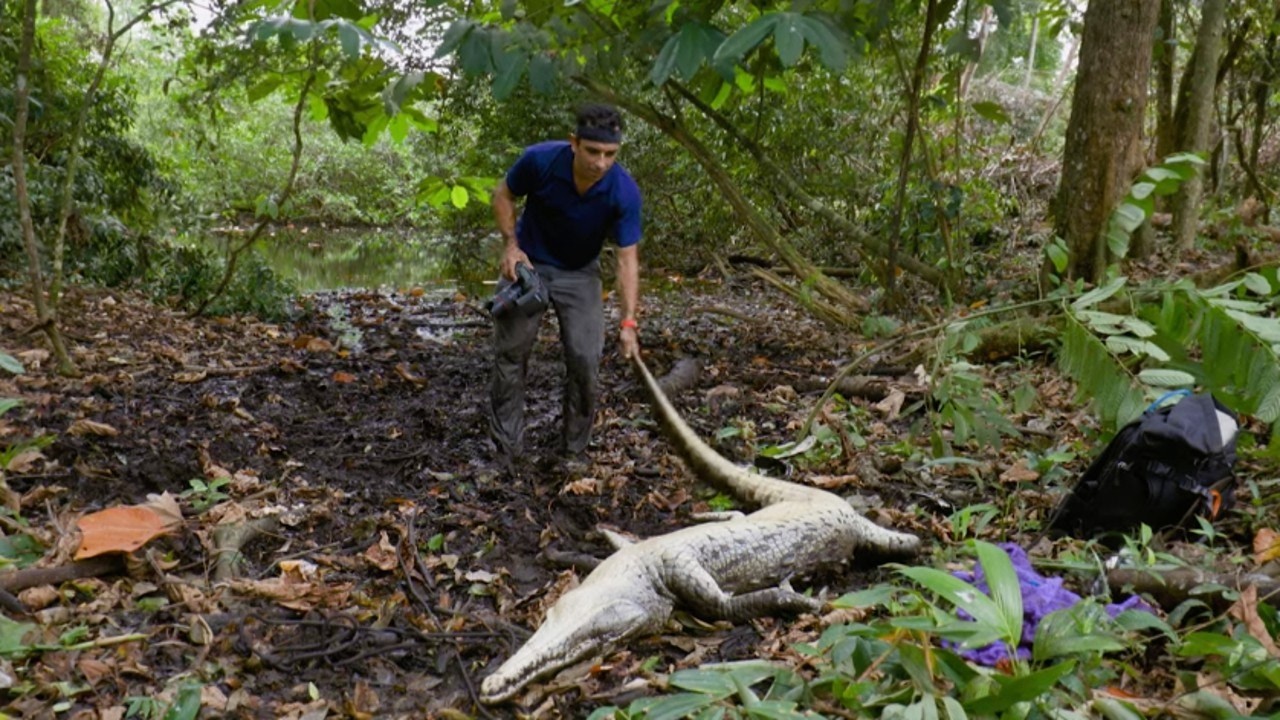
In Agusan Marsh, Philippines, a giant crocodile over 20 feet long poses a threat to the local community while attracting ecotourism, prompting conservation efforts by experts like Marc Gansuana.
Less than 100 Asiatic cheetahs remain in the wild, prompting wildlife photographer Benny Rebel to advocate for their conservation in Iran.
In the Democratic Republic of Congo, wildlife investigator Ivan Carter joins park rangers in their efforts to combat illegal poaching of Grauer’s gorillas.
Daniel Opitz films humpback whales in Hawaii, focusing on their complex songs and conservation efforts.
In the Kalahari Desert, seasonal rains transform arid landscapes into vibrant fields of flowers, highlighting the adaptations of local wildlife.
Eighty percent of under-18s held in Madagascar's prisons have never been to court, often waiting years for a trial that may never come.
700 a.m. marks the start of a busy day for families on Inle Lake, where farmers tend to their floating gardens and fishermen head out to work.
Maud Galant prepares to move from North to South Brehat while Jacques Jolibois manages Paimpol Harbour.
Santiago Mayanz hunts invasive Cuban lizards in Tenerife while Juana Cabreira enhances goat milk production and Carlos Guevara creates wine from banana waste.
Hyenas can crush bones with jaws that exert pressure comparable to a vice, allowing them to consume everything from skin to horns.
Andrés Ruzo, a Explorer, investigates the legendary boiling river of the Amazon, inspired by his grandfather's tales from Peru.
Brazil's Mata Atlântica and Pantanal regions showcase a rich biodiversity, featuring species like muriqui monkeys, jaguars, and unique coastal wildlife amid environmental challenges.
A 500-mile stretch of U.S. Highway 20 connects legendary fishing waters from Yellowstone National Park in Wyoming to the Oregon border.
Mutualism in nature is explored through various animal partnerships, such as manta rays and remoras, highlighting their cooperative survival strategies across diverse environments.
Forty percent of a crayfish's brain is devoted to the sense of smell, aiding its survival in the complex ecosystems of the Okefenokee National Wildlife Refuge.
Nathanaël Maury captures seventy-two species of amphibians and reptiles during his expedition in Costa Rica's diverse ecosystems.
Less than four inches of rain fall annually in the world's most populated desert, where communities rely on ancient techniques to survive.
Kemp's Ridley turtles, among the smallest sea turtles, were driven to the brink of extinction due to overharvesting of their eggs.
Leopards hunt impalas and aardvarks forage for insects, highlighting the unique behaviors and adaptations of Africa's diverse wildlife.
In Africa, a team of wildlife experts captures invasive pythons and Nile monitor lizards while promoting responsible pet ownership in schools.
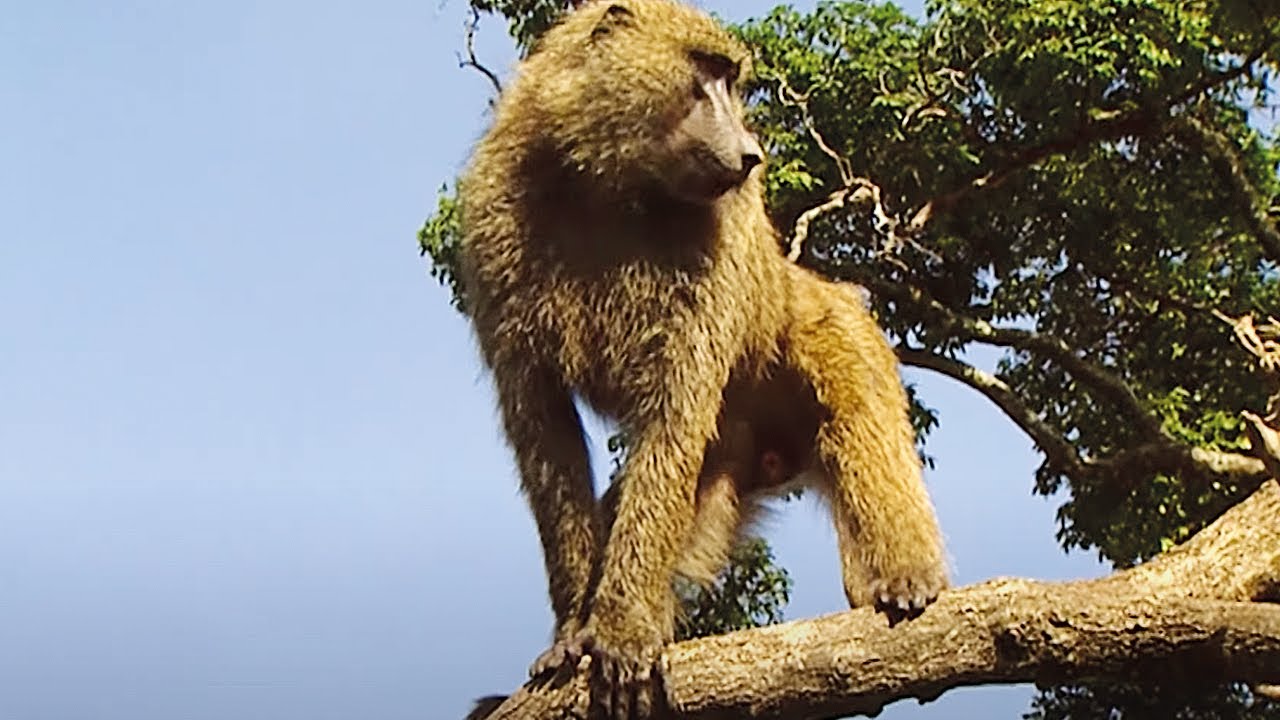
A fig tree with a trunk six meters in circumference serves as the central habitat for a troop of olive baboons in the Maasai Mara.
In the animal kingdom, encounters such as a stingray ambushing crabs and a mother lioness hunting a warthog highlight the fierce struggles for survival.
More bears live in the Tatra Mountains than anywhere else in Central Europe, thriving in a protected environment with abundant food sources.
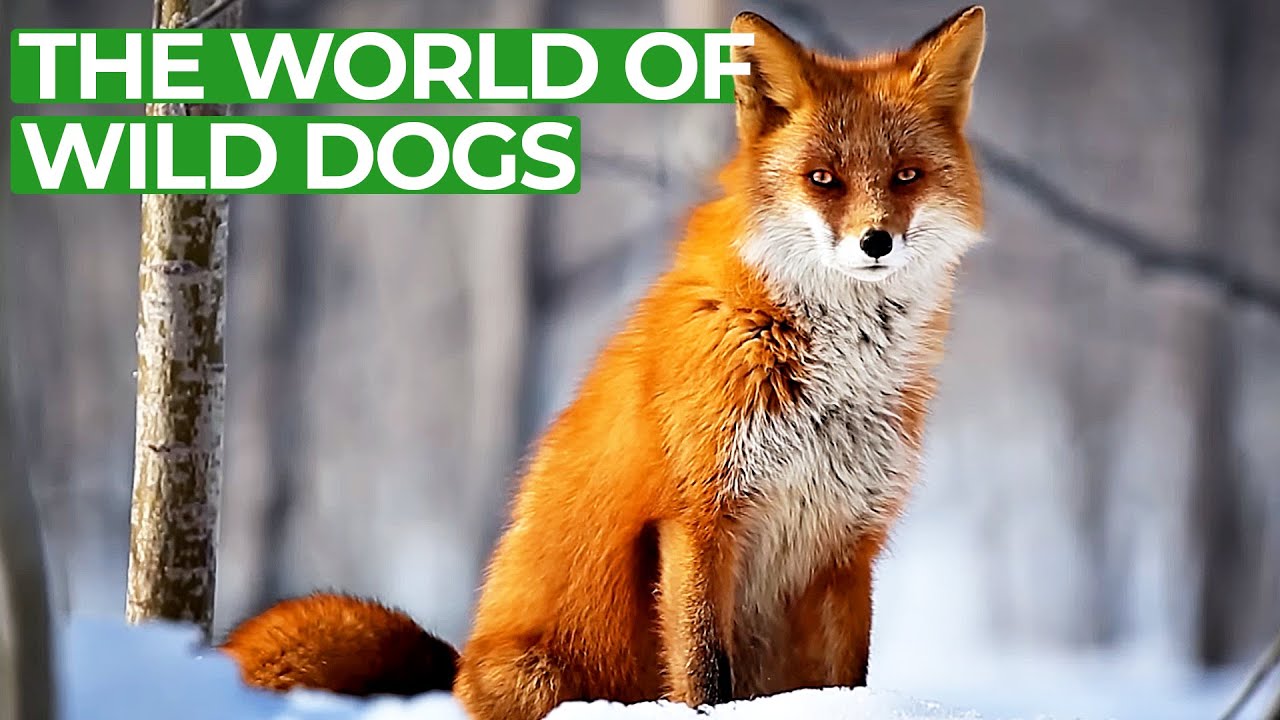
Wild dogs, including wolves, foxes, and lesser-known species like raccoon dogs and dholes, are explored for their roles as guardians of various ecosystems.
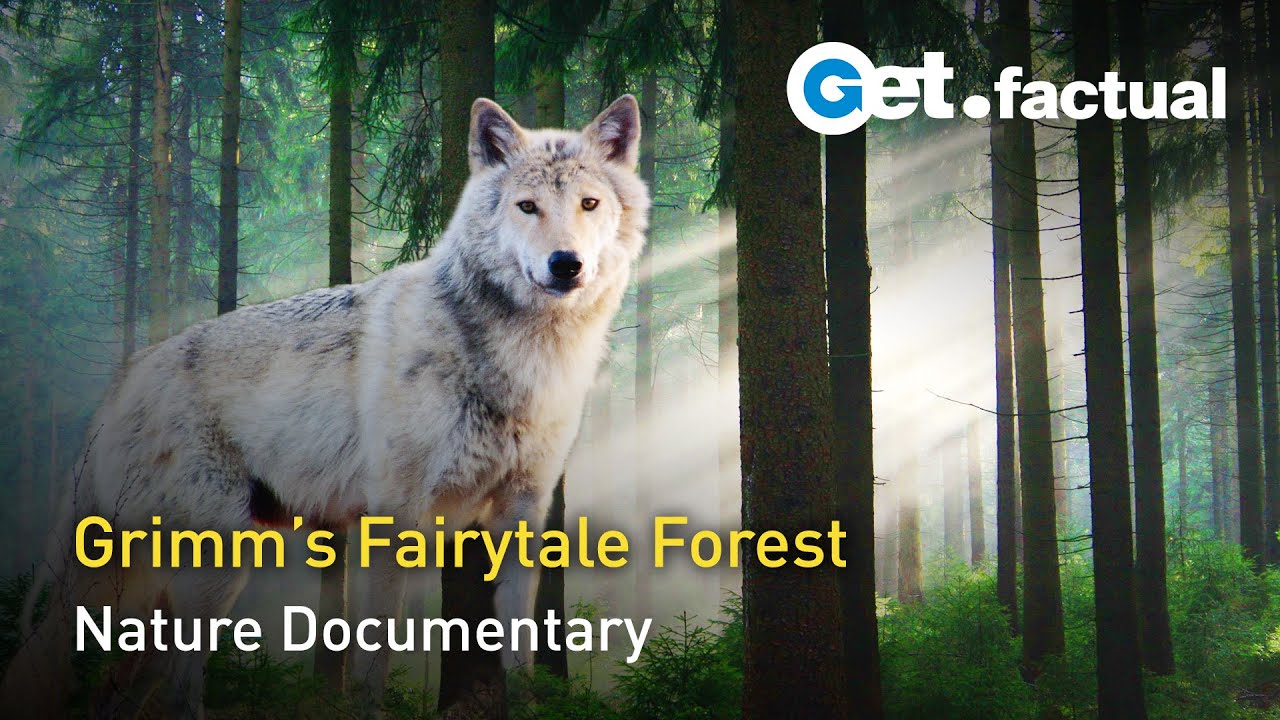
More than 200 years ago, Jacob and Wilhelm Grimm collected folk tales that reflected the realities of their time and the mysteries of the forest.
Massai children in Tansania walk over 20 kilometers daily in over 30 degrees Celsius heat.
Three bear triplets learn survival skills in the Scandinavian wilderness, facing challenges from predators and the harsh winter environment.
In the Trans-Pecos region of the Chihuahuan Desert, Patrick McMillan explores diverse landscapes and encounters unique wildlife, including North America's largest spider and the Javelina.
Manatees must consume up to 60 kilos of aquatic plants each day to survive in the waters of Florida's Gulf Coast and inland rivers.
Walruses possess enormous teeth and thick fat layers for survival in the Polar Seas.
Costa Rica's diverse ecosystems, including rainforests and underwater habitats, host unique wildlife such as White-faced Capuchins, Macaws, and hammerhead sharks.
Wild cats across Africa, the Americas, and Asia demonstrate remarkable adaptability and survival strategies within their diverse ecosystems.
In China's far southwest, rich jungles and towering peaks create a unique ecosystem where wild elephants and ancient tribes coexist amidst vibrant biodiversity.
A mother polar bear produces some of the world's richest milk for her cubs while locked underground for three months during the harsh Arctic winter.
Emperor penguin chicks, nearly a meter tall, face predators and harsh conditions as they leave their icy birthplace to reach the sea.
Villagers along the Zambezi River face deadly attacks from Nile Crocodiles, prompting a team to capture and relocate a 14-foot predator to protect both communities and wildlife.
Less than 10% of the Great Bear Rainforest in British Columbia is currently protected from commercial logging, threatening the habitat of coast wolves.
Around 3,000 European bison still survive in the wild, making them rarer than black rhinos as they navigate the harsh conditions of the Carpathian Mountains.
2,500 hatchlings were counted on the Chambal River, indicating a positive trend for gharial populations in India.
Venom was created 600 million years ago by tiny living creatures in the oceans that combined peptides and proteins into lethal cocktails.
Wildlife filmmakers risk their lives filming dangerous animals in various locations.
BBC Earth presents a compilation of memorable animal moments, showcasing dramatic encounters and heartwarming interactions from the natural world.
Four sisters and one brother navigate the challenges of poverty and societal expectations while striving for education and independence in Bihar, India.
Tasmania separated from Australia around 13 million years ago, leading to a unique evolutionary path and the preservation of ancient ecosystems.
In India and Nepal, the tiger population faces critical endangerment, with only an estimated 10,000 individuals remaining in the wild.
Scotland's coastal regions, influenced by the Atlantic's warm currents, support diverse wildlife, including sea otters and starfish, across stunning landscapes.
In a luxury golfing estate in South Africa, Vervet Monkeys confront the Sugar Cane Gang as they struggle to defend their territory and home.
Kangaroo Island, located off the coast of South Australia, is home to unique wildlife such as the Kangaroo Island Kangaroo and endangered species like the Australian Sea Lion.













![Documentary backdrop image for West Texas's Incredible Desert Wildlife [4K] | Expeditions With Patrick McMillan (2021)](https://i.ytimg.com/vi/bB6BjII9Usk/maxresdefault.jpg)