From over 100,000 films, discover the handful you'll love.
Free or premium access to the world's largest documentary library.
4760 films(Page 2 of 100)
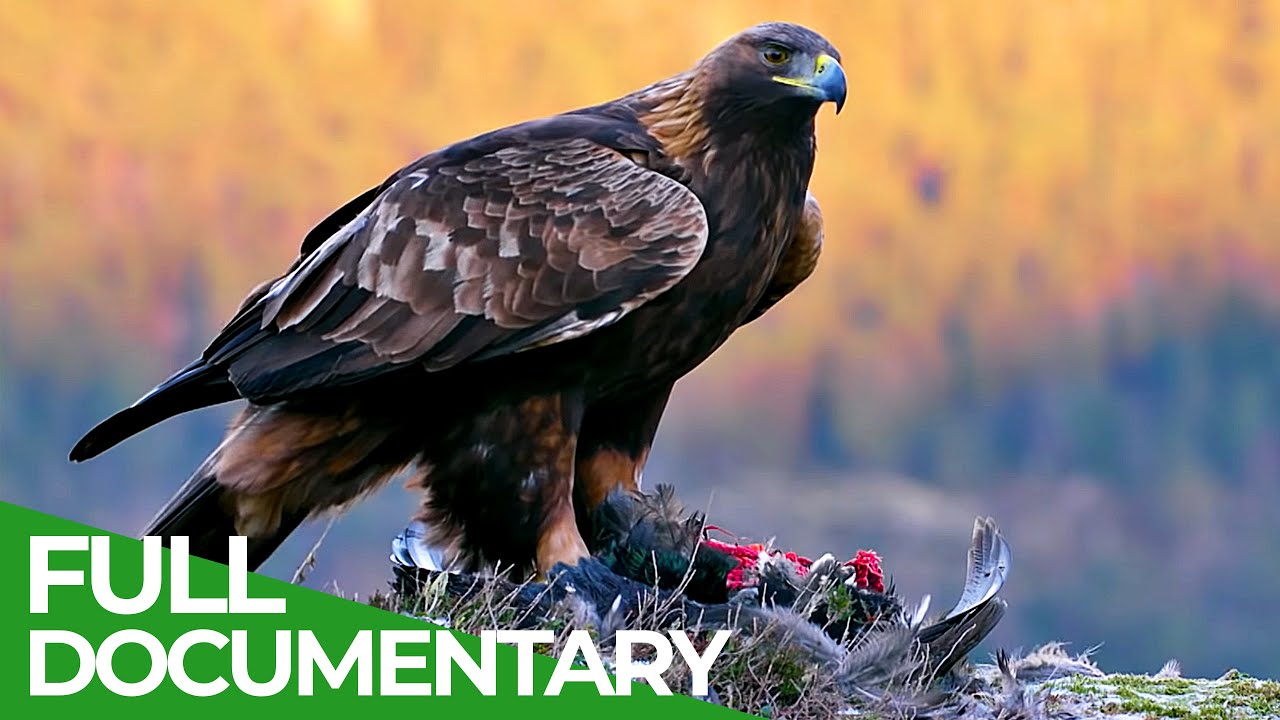
Golden eagles mate up to 30 times before the female lays her eggs in early April, ensuring the continuation of their species in harsh Scandinavian winters.
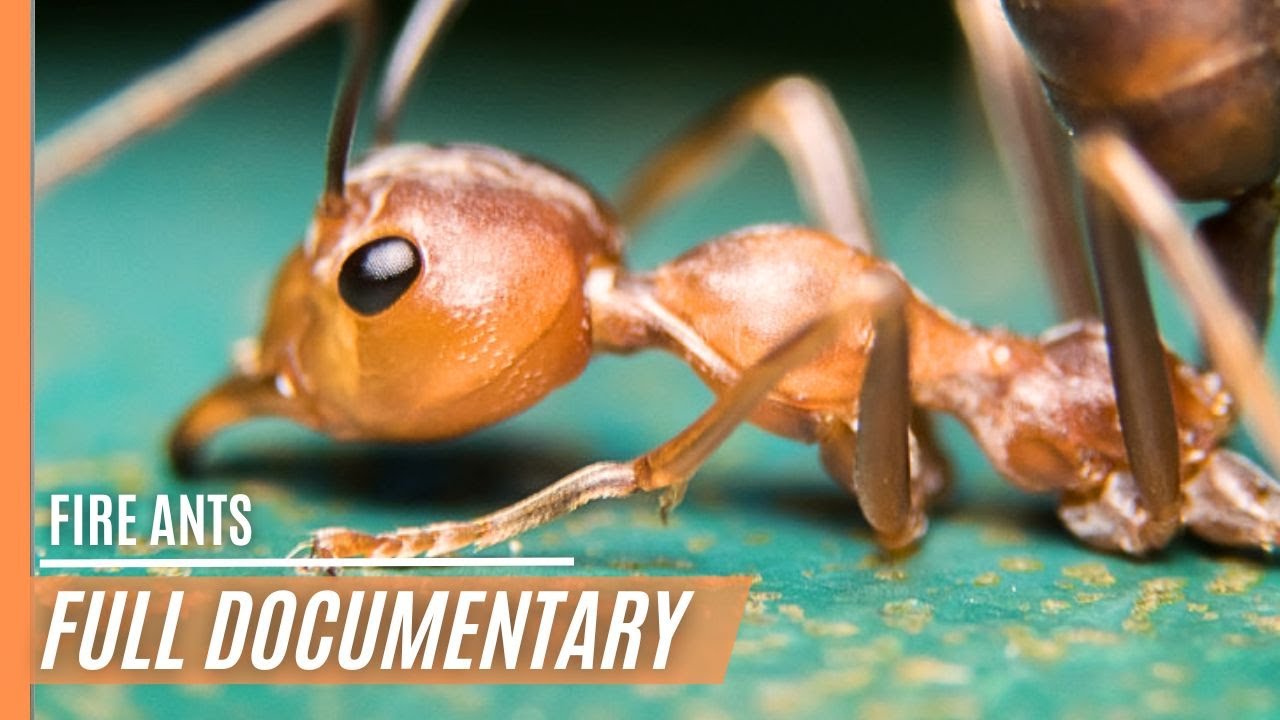
For 80 years, fire ants have caused an estimated six billion dollars in annual crop damage, equipment repair, and pest control costs across the United States.
A 4,000-foot rock face in Eastern Greenland awaits its first ascent as Alex Honnold leads a six-week expedition to study climate change impacts.
A 10-meter-wide crater appears near the cave home of the Taaw’t Bato tribe after an explosion, raising fears of government intervention.
In a collaboration between BBC Earth and OceanX Media, a 10-hour loop showcases the vibrant colors and diverse marine life of the world's oceans.
Over half a million terns gather on a remote atol in the Indian Ocean during the dry season, where fledglings learn to fly and hunt for food.
Over four years, young killer whale Delphine learns to hunt king penguins and Minke rorquals in the waters around the Crozet Islands.
Over 20 hyenas surround a young male lion, Red, as he struggles to escape their attack in a dramatic display of predator-prey dynamics.
Bhutan is the first carbon negative country in the world, with over 70% of its land covered in forest.
Twelve male cormorants catch eight to ten pounds of fish each day for Zhong Man, a fisherman in China who trains them for this traditional practice.
Mangroves, seagrasses, and kelp forests are showcased in a 10-hour loop of serene oceanscapes produced by BBC Earth and Ocean X Media.
Each year, heavy rains transform the Okavango Delta, filling its veins and rejuvenating the land, which supports diverse wildlife and local communities.
A polar bear catches a seal underwater, obtaining 100,000 calories to sustain her for a week in a challenging Arctic environment.
Six young heirs are the future kings and queens of a kingdom in Botswana's Mombo region, where power struggles threaten their survival.
Bees and butterflies play an important role in pollination and crop production for consumption.
More than 300,000 wildebeest calves are born in a few weeks, facing immediate threats from predators and the challenges of migration.
Over 4,500 years ago, the Great Pyramid of Giza was built for King Khufu, marking the beginning of ancient Egyptian civilization.
A 5,000-year-old bristlecone pine in California has survived extreme climate changes and harsh conditions, providing insights into ancient ecosystems.
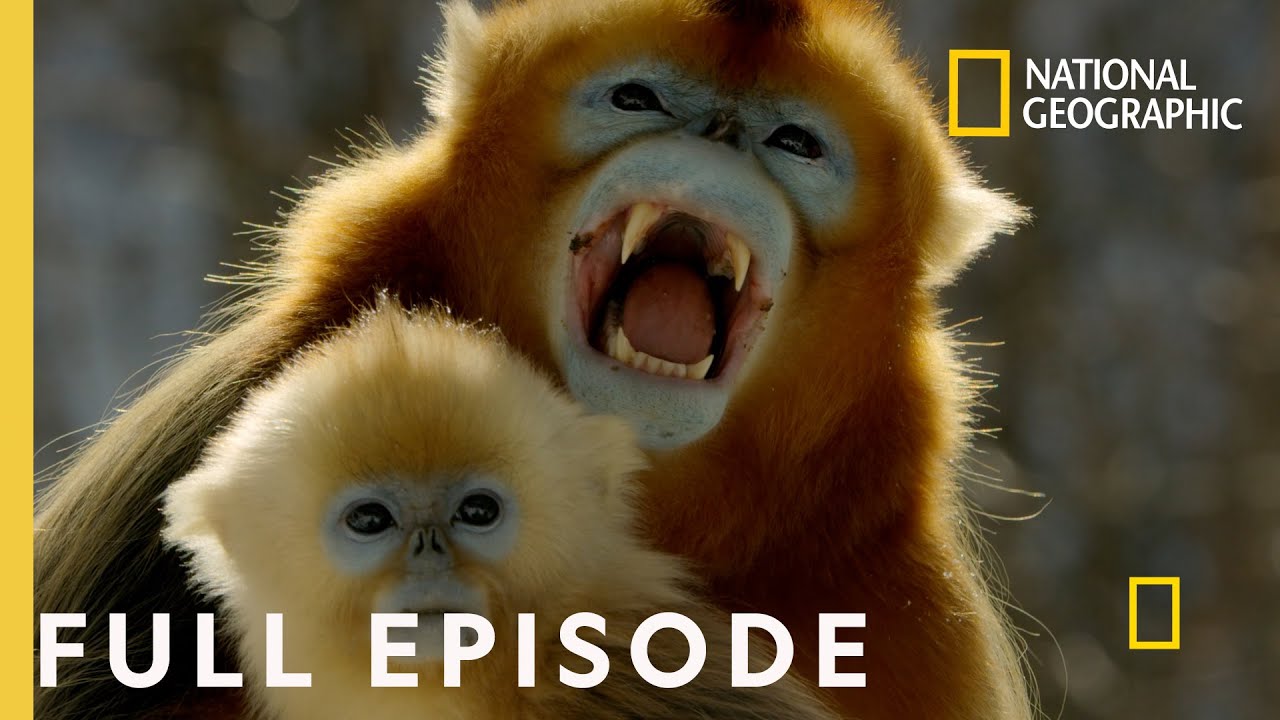
A newborn golden snub-nosed monkey, entirely dependent on her mother, faces numerous challenges in China's high mountain forests.
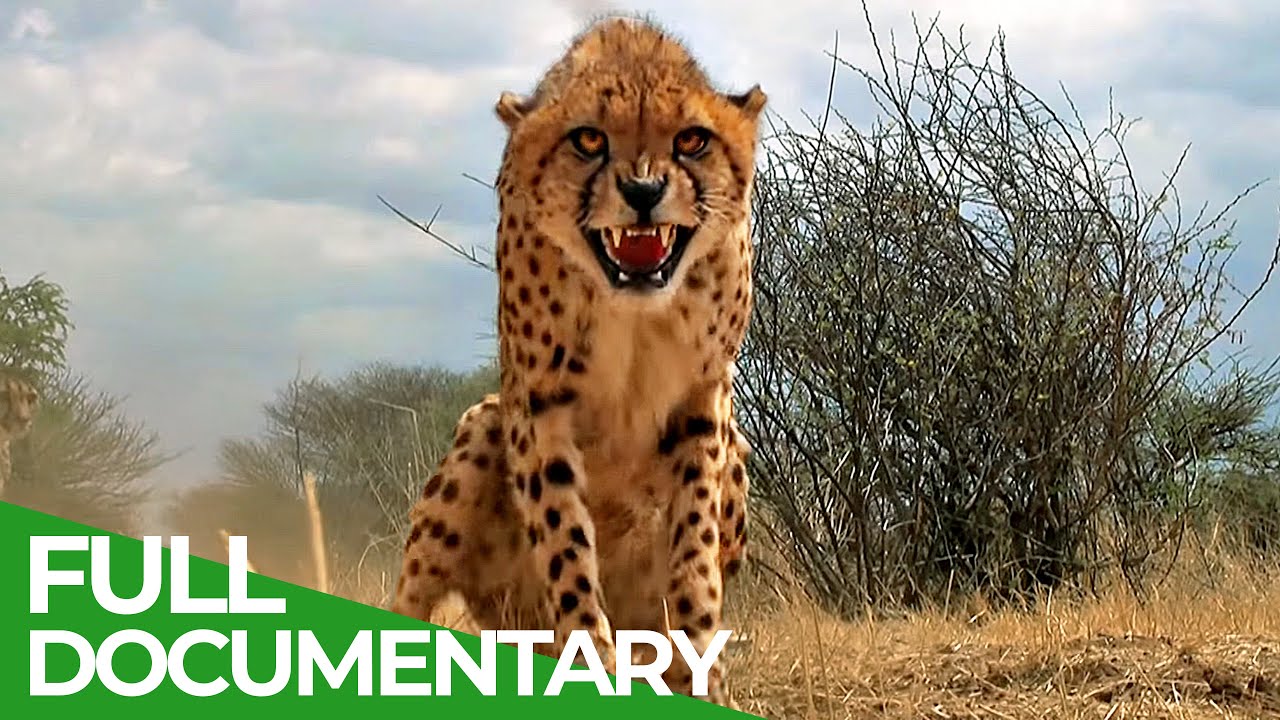
Five male cheetahs form the largest coalition ever recorded in the Northern Serengeti, challenging established beliefs about their social behavior.
Georgia has cultivated grapes for 7,000 years, making it a key region in the history of wine culture and home to over 500 grape varieties.
Since European settlement, 41 species of plants and animals have become extinct in Tasmania, with another 600 currently classified as under threat.
In Yellowstone National Park, wildlife filmmakers Oliver Goetzl and Ivo Nörenberg capture emotional moments, including a bison mother saving her calf from a wolf.
In the Alutaguse region of Estonia, over 350 brown bears inhabit primeval forests, while Soomaa National Park transforms into a vast lake each spring.
A golden mole, no bigger than a pingpong ball, uses its superb hearing to locate prey beneath the sand in a unique hunting method.
At two meters in size, the green iguana is the largest lizard in Central and South America, competing for survival against the carnivorous basilisk.
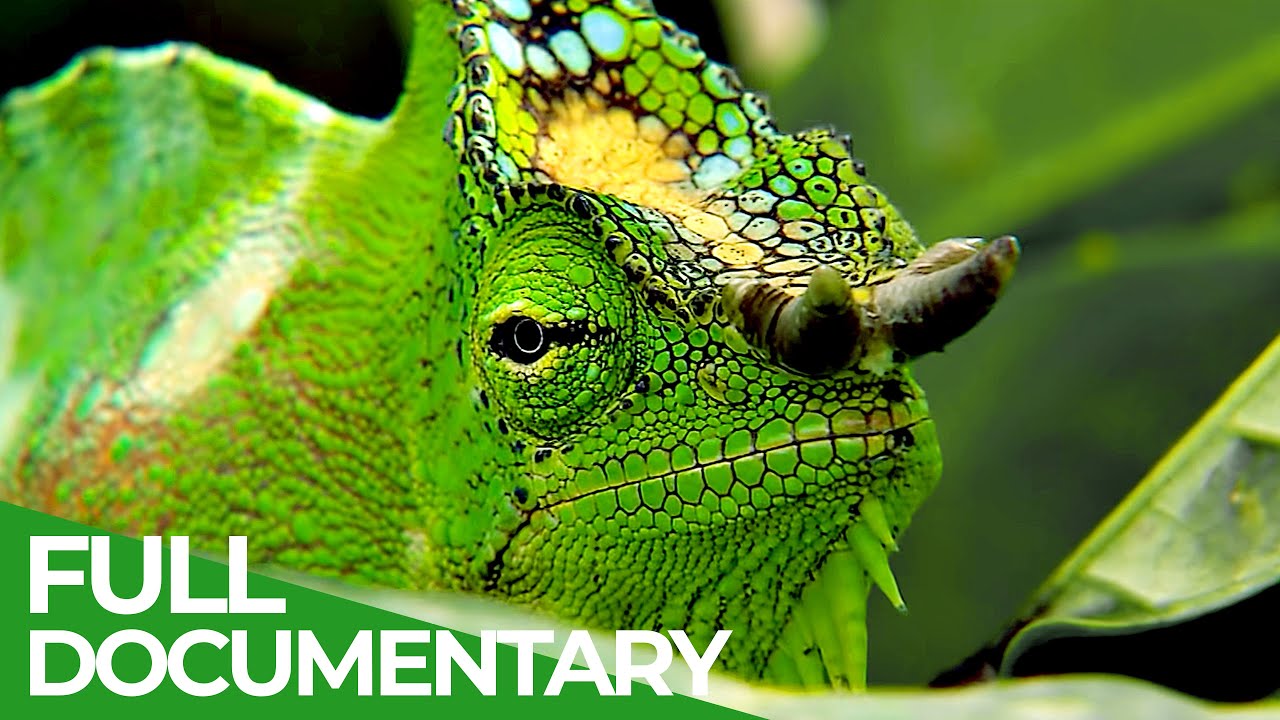
Bizarre animal adaptations, such as the vibrant colors of poison dart frogs and the camouflage of chameleons, play crucial roles in survival strategies across various ecosystems.
The series profiles the unique ecosystem of Everglades National Park, which protects the southern twenty percent of Florida's original Everglades.
Only 2% of sunlight penetrates the forest floor, creating a fierce competition for survival among plants and animals in the jungle.
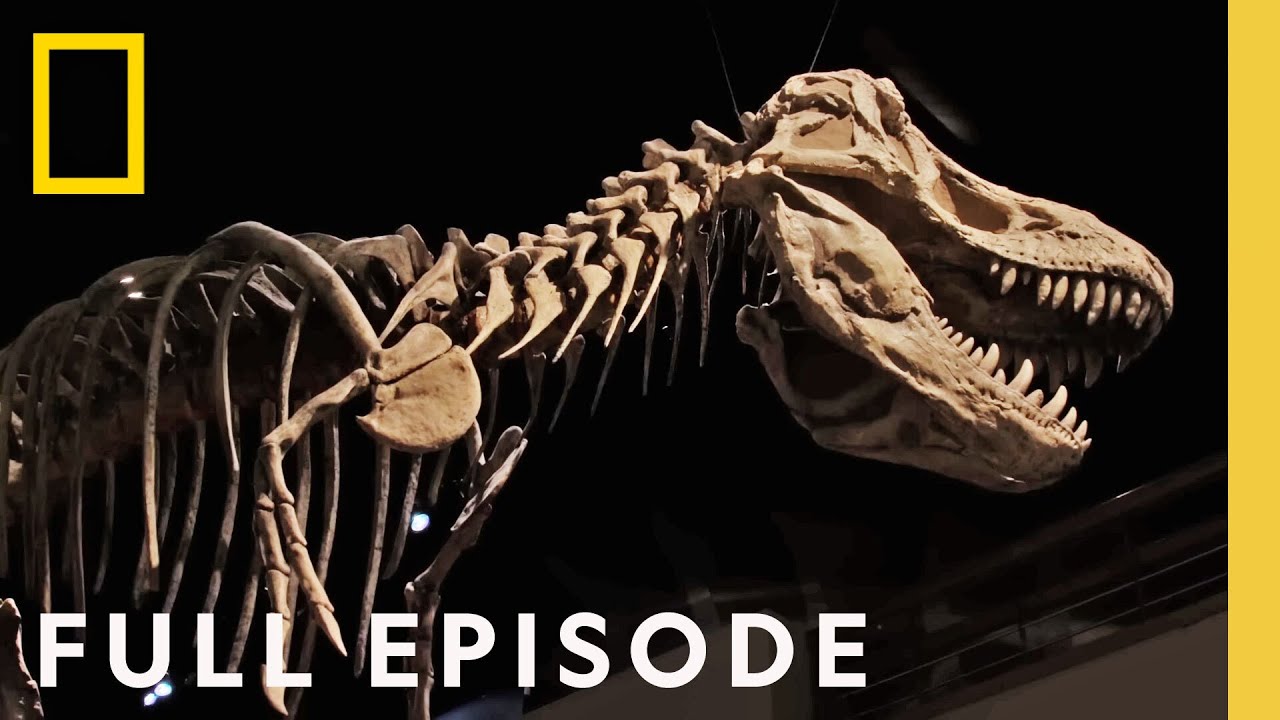
66 million years ago, dinosaurs roamed the Americas, and recent fossil discoveries are reshaping our understanding of their behavior and intelligence.
A scientist named Edmund Schulman discovered Methuselah in 1957, counting over 4,600 rings that represent its years of life.
Bat moves his tent more than ten times a year to ensure his reindeer have enough food in the harsh climate of Mongolia's Saïan Mountains.
This Spanish documentary showcases hunters and their methods of obtaining energy for survival.
Timothy Olson aims to run 2,650 miles in 50 days, averaging over 51 miles daily, while preparing for the birth of his daughter.
Forest elephants drink 100 liters of water daily as they navigate the challenges of the dry season in Gabon's Luongo National Park.
The Aletsch Glacier, the largest in the Alps, is surrounded by diverse wildlife, including alpine ibex and red deer, adapting to the changing seasons.
Coral reefs are showcased in a 10-hour loop featuring vibrant underwater scenes, highlighting the beauty and diversity of marine ecosystems.
Eleven climbers died during the 2024 Mount Everest season, prompting a team to investigate the mystery of George Mallory and Sandy Irvine's 1924 expedition.
Lord Howe Island, located in the Tasman Sea, is an evolutionary laboratory showcasing unique flora and fauna found nowhere else on Earth.
90 square kilometers of forest are lost worldwide every day, threatening the balance of ecosystems across various climates.
Switzerland, known as Europe's water tower, is explored through its alpine landscapes, glaciers, and the sources of major rivers like the Rhine and Rhône.
One future queen consort has taken on more royal duties, focusing on issues like mental health, wildlife conservation, and cyberbullying.
Neil deGrasse Tyson interviews filmmaker James Cameron on StarTalk, exploring the connections between storytelling, exploration, and science.
The Mara River meanders for nearly 400 kilometers through the Maasai Mara, serving as a critical lifeline for wildlife during the annual migration.
Shelby is treated in the hospital for hypothermia and multiple leg fractures after being rescued from a tree branch in a remote area of British Columbia.
A male spider performs an elaborate dance to win over a female, who ultimately kills him despite his efforts to meet her expectations.
Ten bird-watching locations across Germany, including the Westerwald and Havelland, showcase diverse avian life, from silver herons to migratory ducks.
Three-toed sloths spend between 15 and 20 hours of each day fast asleep, while the Amazon rainforest faces threats from deforestation and environmental change.