From over 100,000 films, discover the handful you'll love.
Free or premium access to the world's largest documentary library.
4760 films(Page 33 of 100)
Cree and Inuit communities in the Hudson Bay and James Bay regions are advocating for the protection of their vital waters, essential for their way of life.
Forests showcase complex mechanics, where plants need water to adapt and thrive globally.
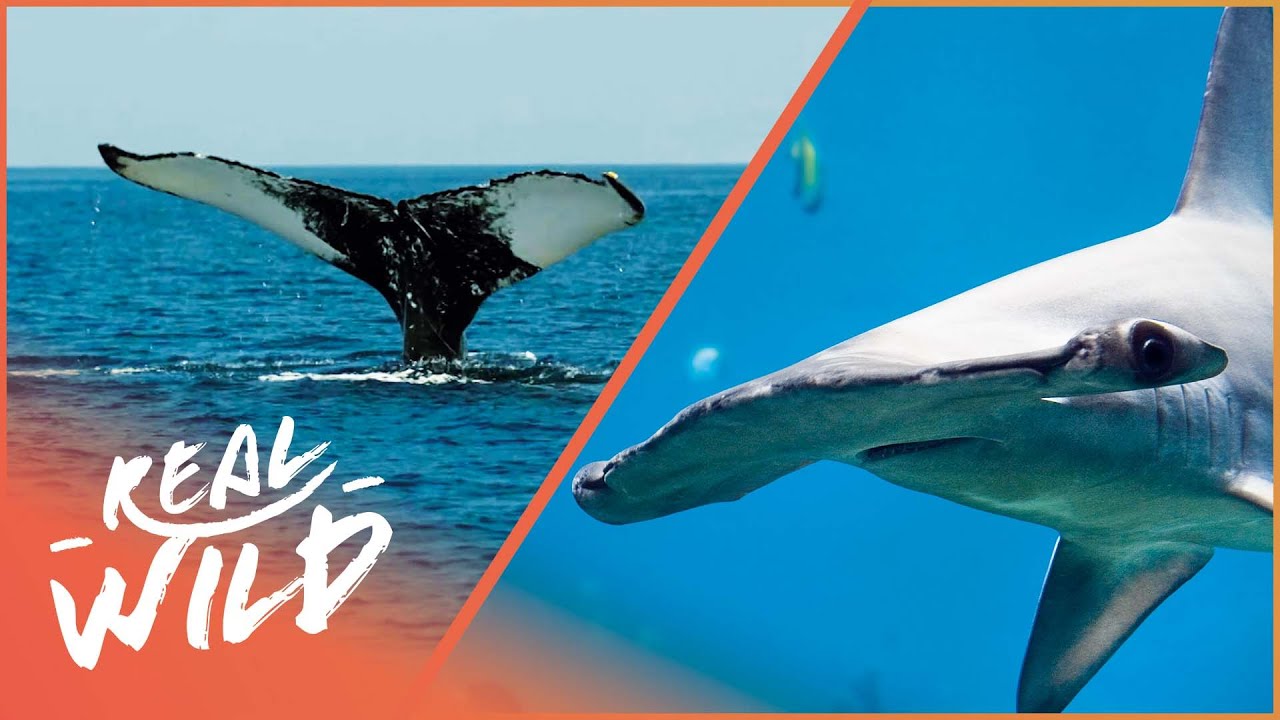
In the Azores and Cocos Island, the Sedna 4 team installs satellites on endangered hammerhead sharks, while studying humpback whales in Silver Bank, Dominican Republic.
In the Serengeti, a lioness struggles to protect her cubs from drought while a solitary male cheetah navigates the challenges of finding a mate.
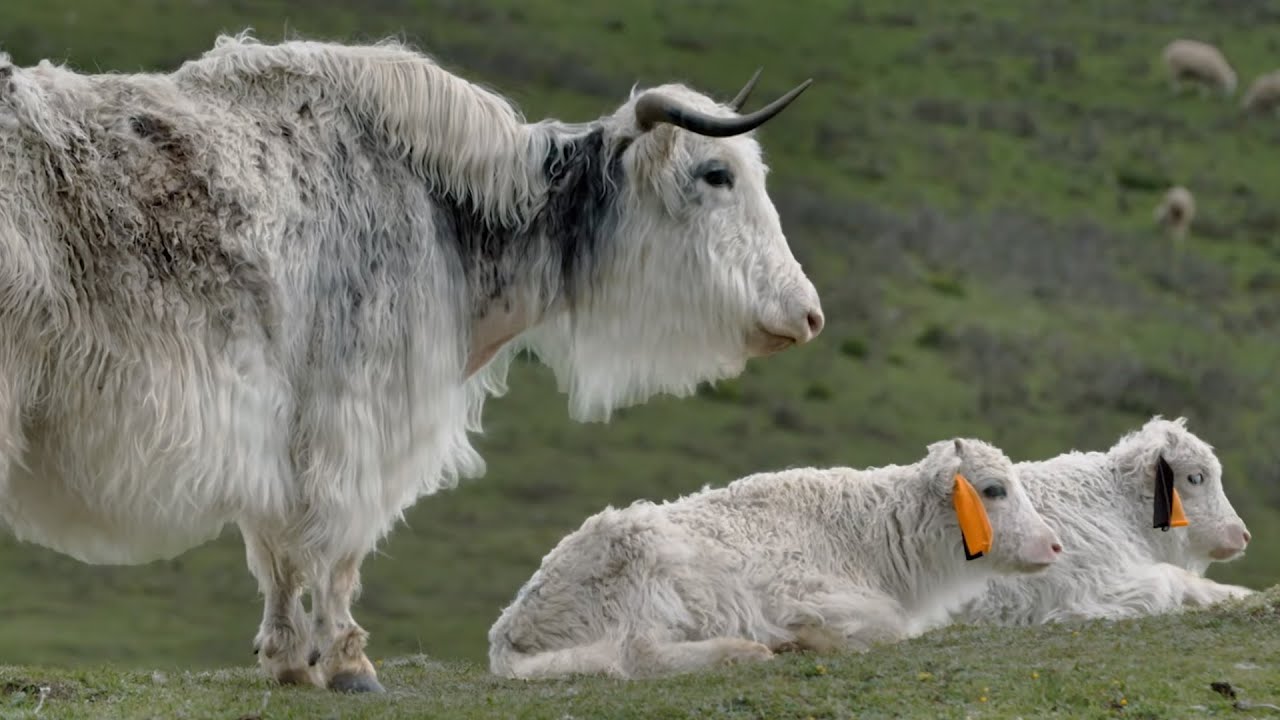
In China's western regions, scientists from China and Germany are breeding wild yaks with domestic yaks at the Datong farm to enhance food production amid urbanization.
Snakes, known for their stealth and venomous capabilities, are examined in their natural habitats, highlighting their hunting techniques and ecological roles.
Australia's diverse ecosystems, from the tropical Top End to the arid outback, host some of the world's most dangerous wildlife, including saltwater crocodiles and venomous snakes.
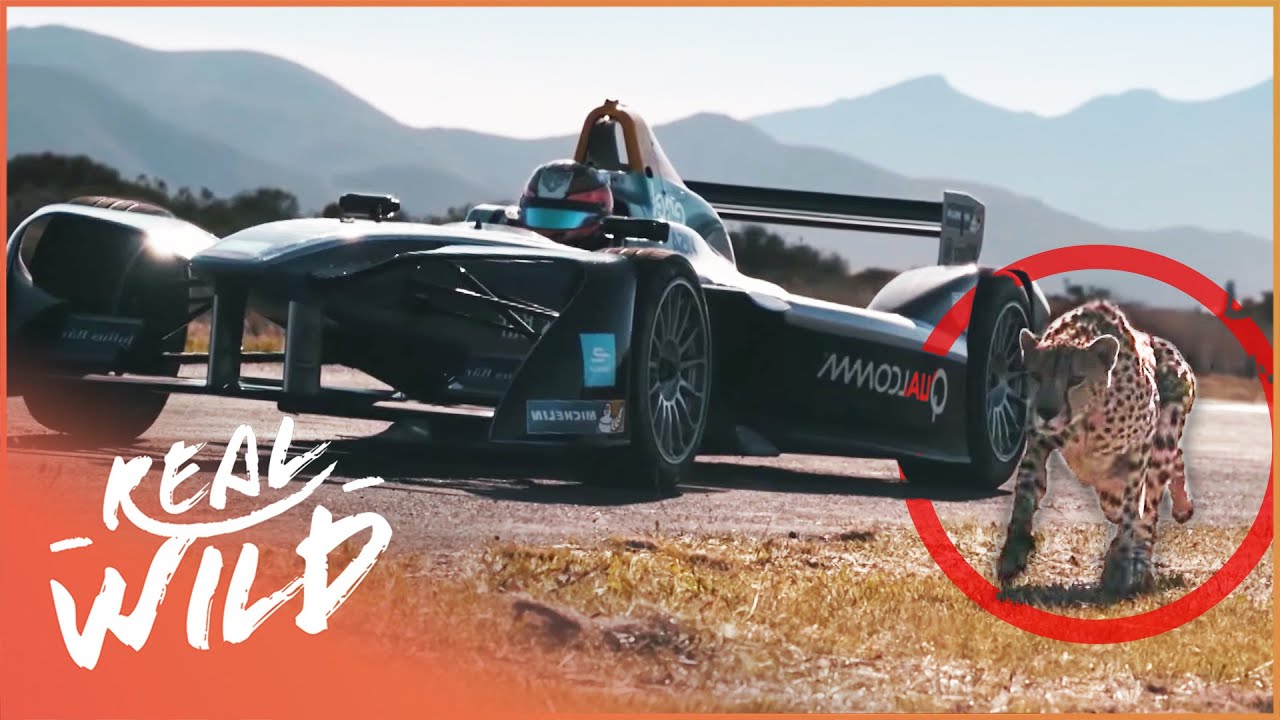
A cheetah races a race car to illustrate how innovative technology can support the conservation of endangered species and improve wildlife survival efforts.
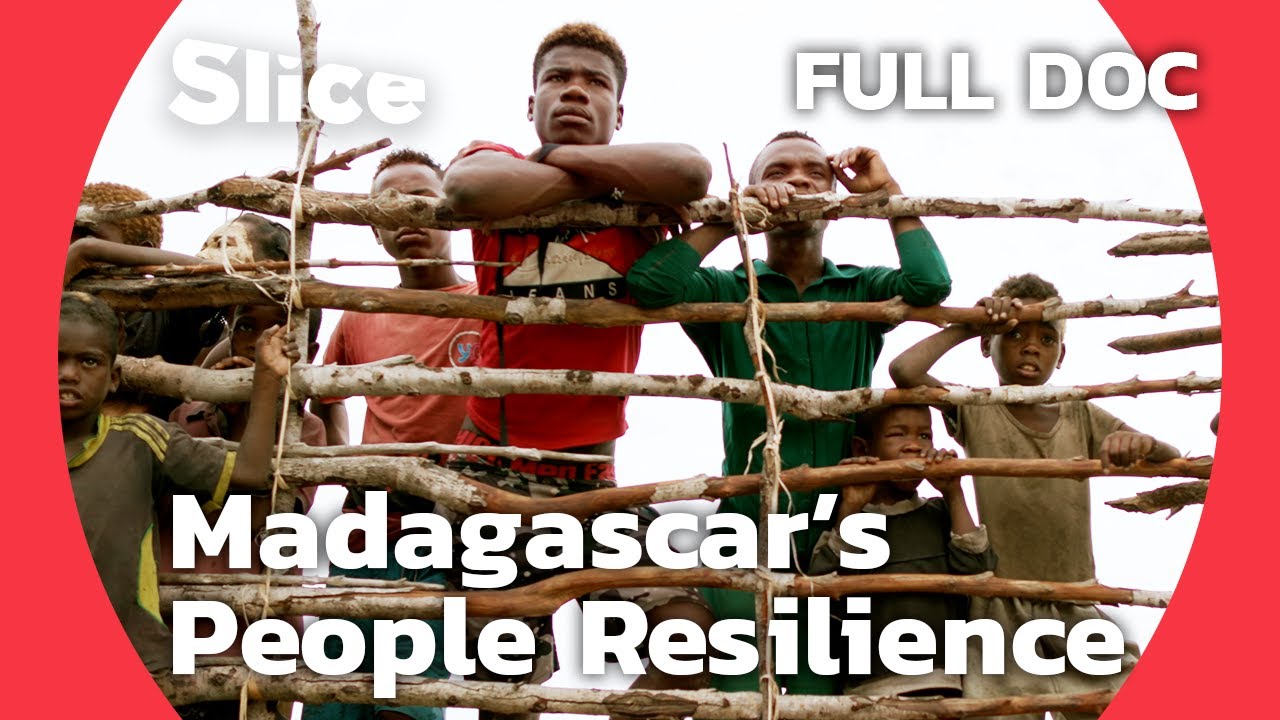
Only about 100 Mikea remain in Madagascar, facing displacement from their ancestral forests as they struggle to preserve their traditional way of life.
Mountaineering legend Hans Kammerlander guides viewers through the stunning aerial landscapes of the Dolomites in South Tyrol, showcasing its majestic peaks and hidden valleys.
Majestic elephants, towering giraffes, and mighty blue whales are examined in their natural habitats, highlighting the impressive lives of the animal kingdom's giants.
Africa's rainforests, second only to the Amazon, host diverse wildlife including chimpanzees, gorillas, and forest elephants within their complex ecosystems.
In Antarctica, a team of scientists conducts groundbreaking research to understand the continent's unique ecosystem and its implications for global survival.
Andreas Kieling has five weeks to film giant grizzlies in the Bering Sea before the storm season begins.
In the rainforests of Borneo and Sumatra, orangutans exhibit remarkable intelligence and complex social structures while facing threats to their survival.
Expert hunter Manny Puig pursues wild boar through Florida's treacherous swamps, encountering diverse wildlife along the way.
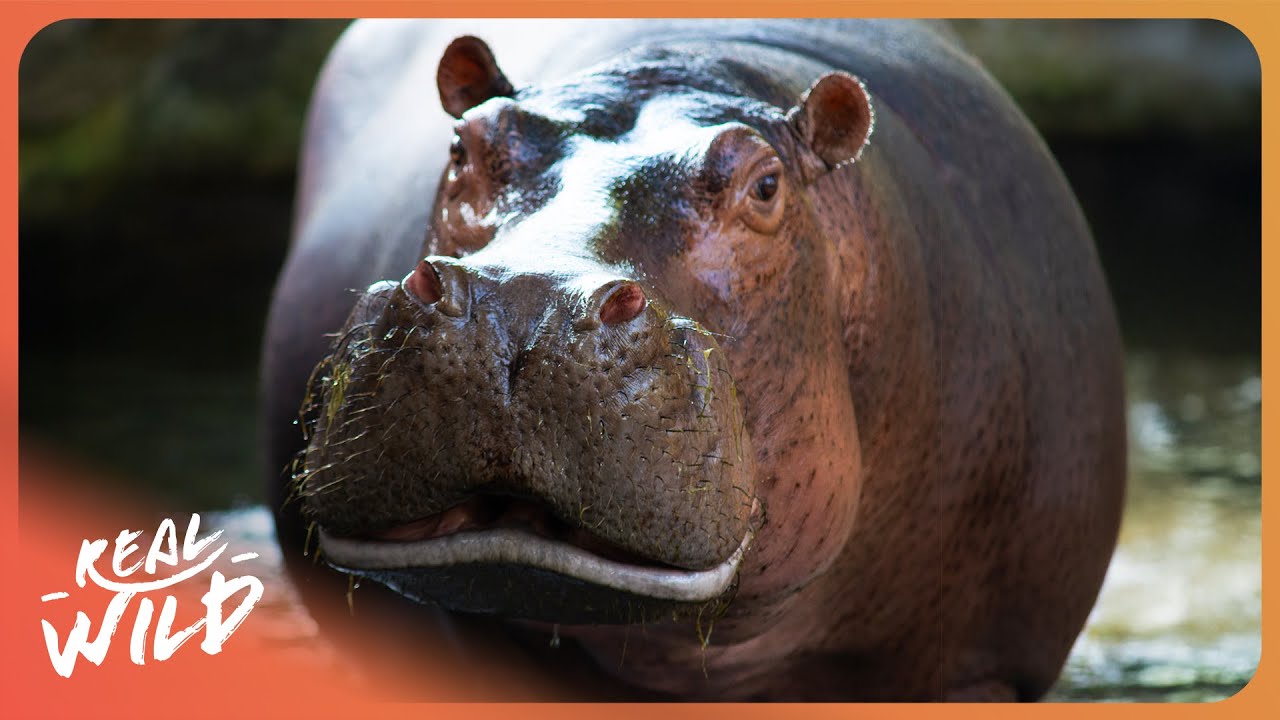
Hippos can wander up to 32 miles at night in search of food, often resorting to eating the droppings of fellow hippos during the dry season.
Greenland's Inuit face challenges from modernization and global warming in their Arctic home.
In North America, Marty Stouffer examines the ecological roles and behaviors of mustelids like the pine marten, mink, and otters, alongside wild canids.
Two million people share their city with 58 mammal and 160 bird species, including swans cared for by a dedicated swan department of 120 birds.
In the backcountry of Montana, the Stouffer Brothers document the playful antics of Grizzlies, Wolves, and Wolverines in their natural habitat.
In the Bissagos archipelago off Guinea-Bissau, a unique population of hippos thrives in coastal saltwater while green turtles return to breed on protected shores.
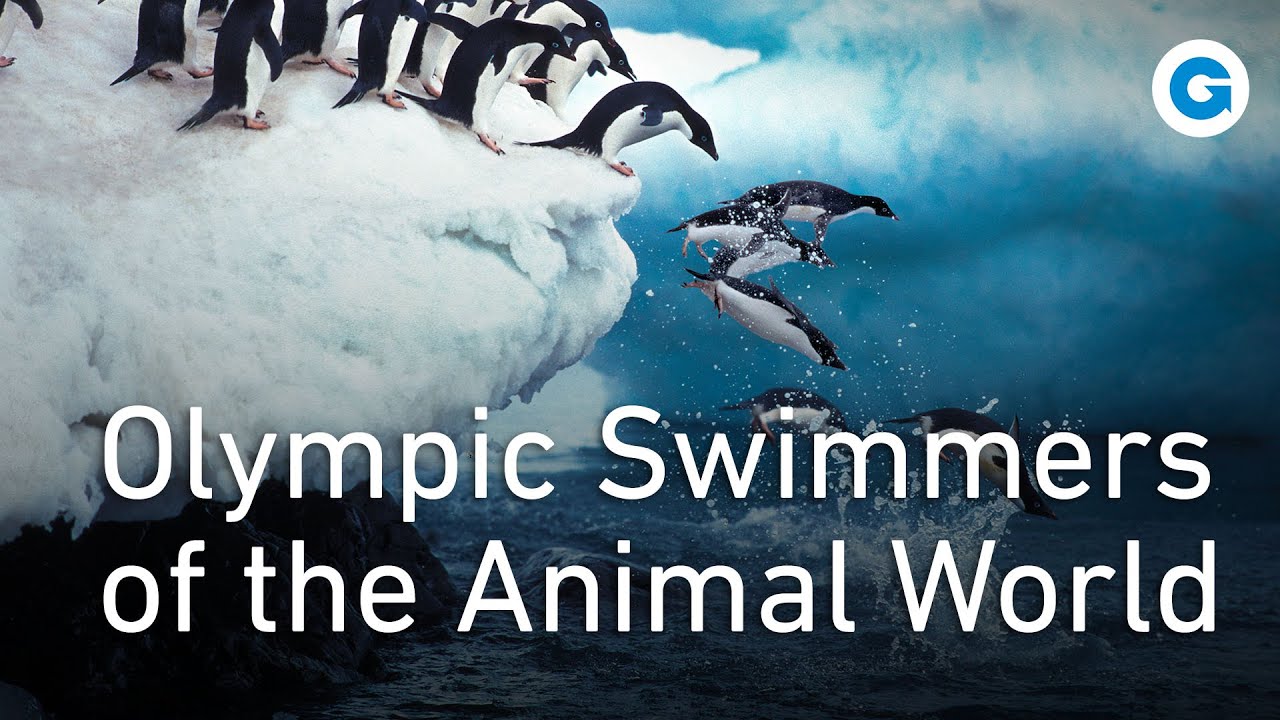
More than 10 million macaroni penguins were counted in the latest survey, reflecting their stable population amid ongoing conservation efforts.
Penguins, primarily located in Antarctica and temperate coasts, display unique adaptations and social behaviors that help them survive extreme climates.
In July 1724, two men discovered a 12-year-old boy near Hamelin, Germany, who would become known as "Peter the Wild Boy."
In January 2016, 30 sperm whales stranded on the North Sea coast, prompting marine biologist Florian Graner to investigate the causes of these events.
For three years, no rain has fallen in Shaba, a region in northern Kenya where drought and floods create extreme challenges for wildlife and survival.
Lions, cheetahs, leopards, cougars, and tigers exhibit their distinct hunting techniques and survival tactics across the African savannah and Asian jungles.
A local man adopts a monitor lizard named Ali du Young, believing she is the reincarnation of his daughter in a story rooted in Bugis cultural beliefs.
In arid regions plagued by dust storms, communities engage in extensive reforestation efforts to combat desertification and protect their livelihoods.
Manny Puig hunts wild boar in the wilderness of Florida, utilizing traditional techniques and the skills of his trained dogs.
Humpback whales and other migratory species in the Atlantic Ocean face threats, while conservation efforts in the Azores and Anuta highlight biodiversity and traditional livelihoods.
A 4.5-meter shark is caught by fishermen in Indonesia after a two-hour struggle, illustrating the complex relationship between humans and sharks.
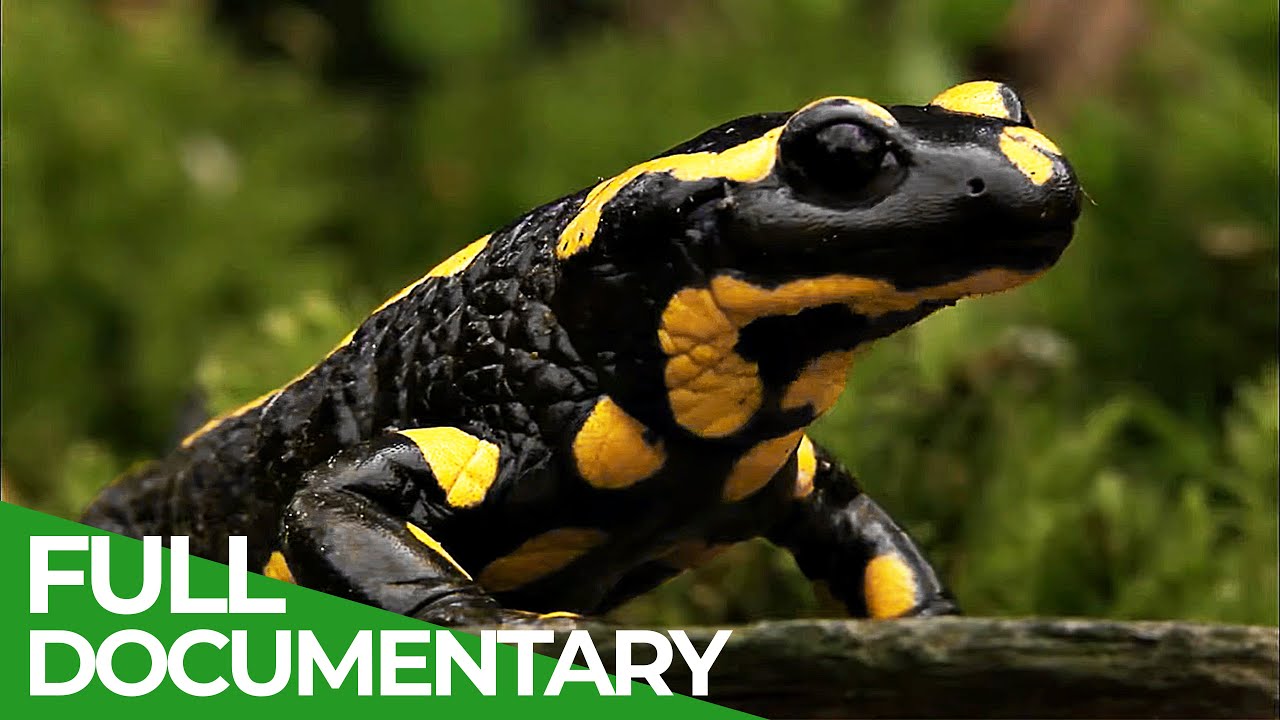
The fire salamander, a colorful inhabitant of German beech forests, is documented in detail, revealing its elusive nocturnal life and the challenges faced by its larvae.
Nairobi, the capital of Kenya, is home to 6.5 million people, offering a vibrant mix of culture, cuisine, and wildlife experiences.
A team of free divers, including world champion Frederic Buyle, approaches great white sharks in their natural habitat without diving tanks or safety cages.
In Uganda, a nine-year-old female rhinoceros named Malaika navigates maternal care as she gives birth to her second calf, Elias, highlighting white rhino family dynamics.
In the polar regions, polar bears and leopard seals exhibit extreme survival tactics, while a tracker investigates big cat sightings in the UK.
Africa's grasslands host some of the largest wildlife gatherings on the continent, showcasing the intricate relationships within these ecosystems.
In various natural and domestic environments, baby animals such as cougar cubs, koala joeys, and baby monkeys are showcased in their daily lives.
Whale sharks, the largest fish in the world, can grow up to 13 meters long and visit the Gulf of California every summer to feed on plankton.
Eight Asian elephants travel from rural Thailand to new homes in Sydney and Melbourne Zoos after months of quarantine and a complex relocation process.
Madagascar's Indri lemurs face territorial challenges in a shrinking forest.
Australia's Dugong population, the largest in the world, faces significant threats, prompting consultations with scientists from the Great Barrier Reef Marine Park Authority.
Snow is vital for ecosystems, but global warming threatens its future in the Alps and United States.
The North and Baltic Seas are explored through unique wildlife moments, including the Ghost Forest in Germany's Mecklenburg and rare footage of a Gotland grass snake.
The Namib desert in Namibia features golden sand and unique wildlife like desert elephants.
Disney Cruise Line plans to open Lookout Cay at Lighthouse Point, a new destination on Eleuthera, after five years of development and collaboration.