From over 100,000 films, discover the handful you'll love.
Free or premium access to the world's largest documentary library.
4760 films(Page 32 of 100)
National Geographic celebrates its 135th anniversary with a behind-the-scenes look at the technology and people that drive its ocean research and artistic projects.
Microscopic elements of nature, including pollen grains, leaf cells, and insect anatomy, reveal intricate structures and vibrant colors essential to ecosystems.
A patrol unit covering 48,000 square kilometers in Norwegian Lapland monitors the welfare of 200,000 reindeer managed by the Sami herders.
World-renowned polar explorer Børge Ousland recounts his experiences skiing to the North Pole and sailing around the Arctic Ocean.
Meklit Hadero and Jahawi Bertolli discuss the connections between migration, nature, and music, highlighting the role of ancient instruments like rock gongs.
Berlin's wild inhabitants include millions of animals, such as raccoons, foxes, and bats, thriving alongside the city's human population.
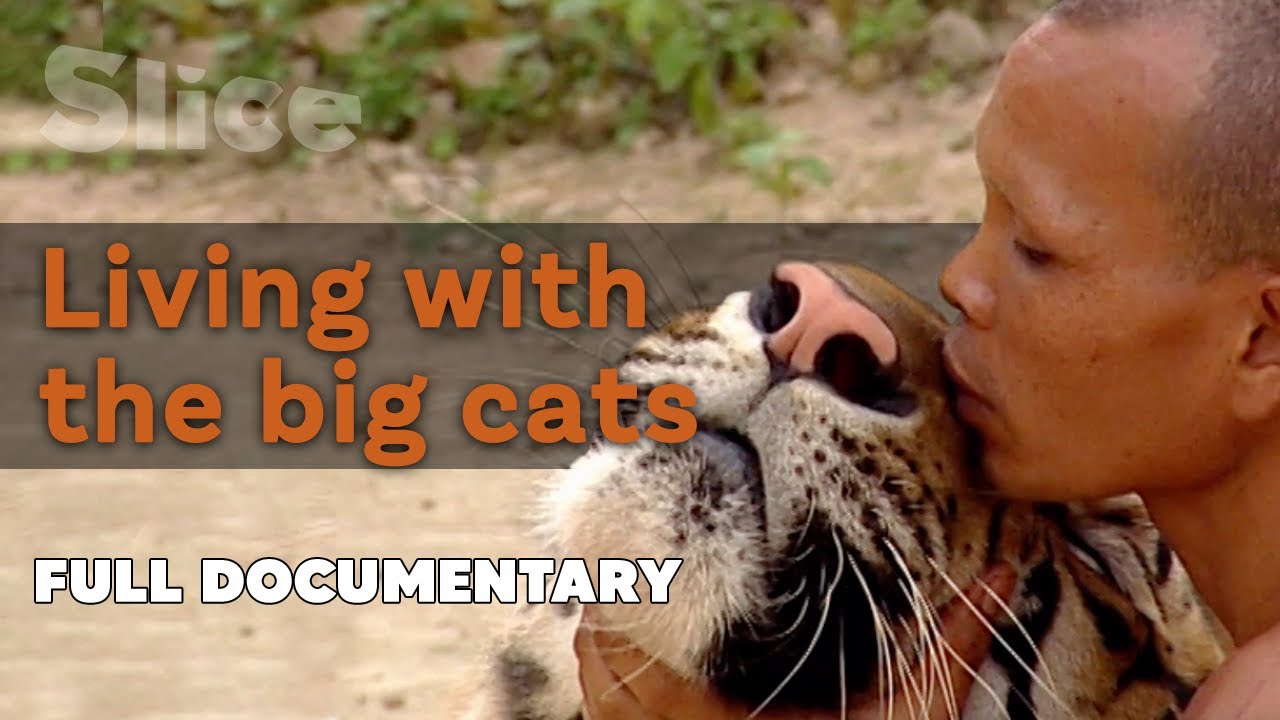
A monk in Thailand has rescued a dozen tigers, raising them according to Buddhist principles to promote peace and reduce their natural aggression.
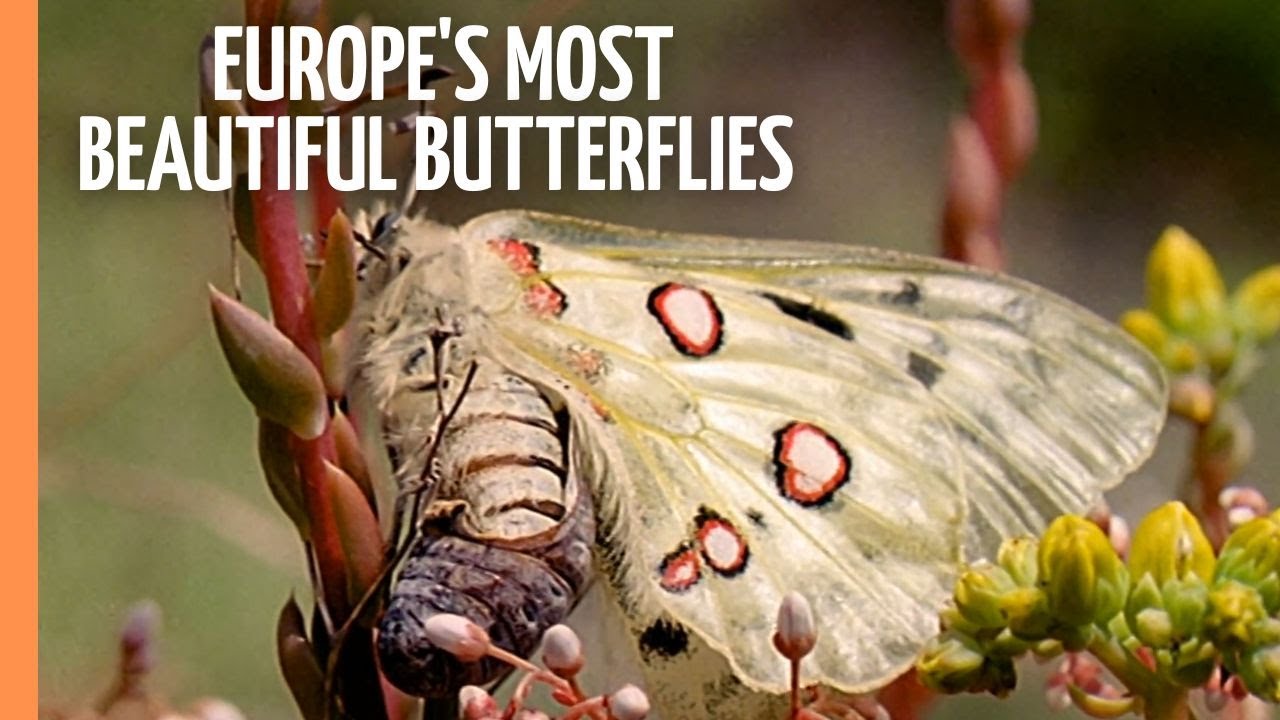
The Apollo butterfly, an endangered species, faces numerous challenges in its natural habitat, including predation and extreme weather conditions.
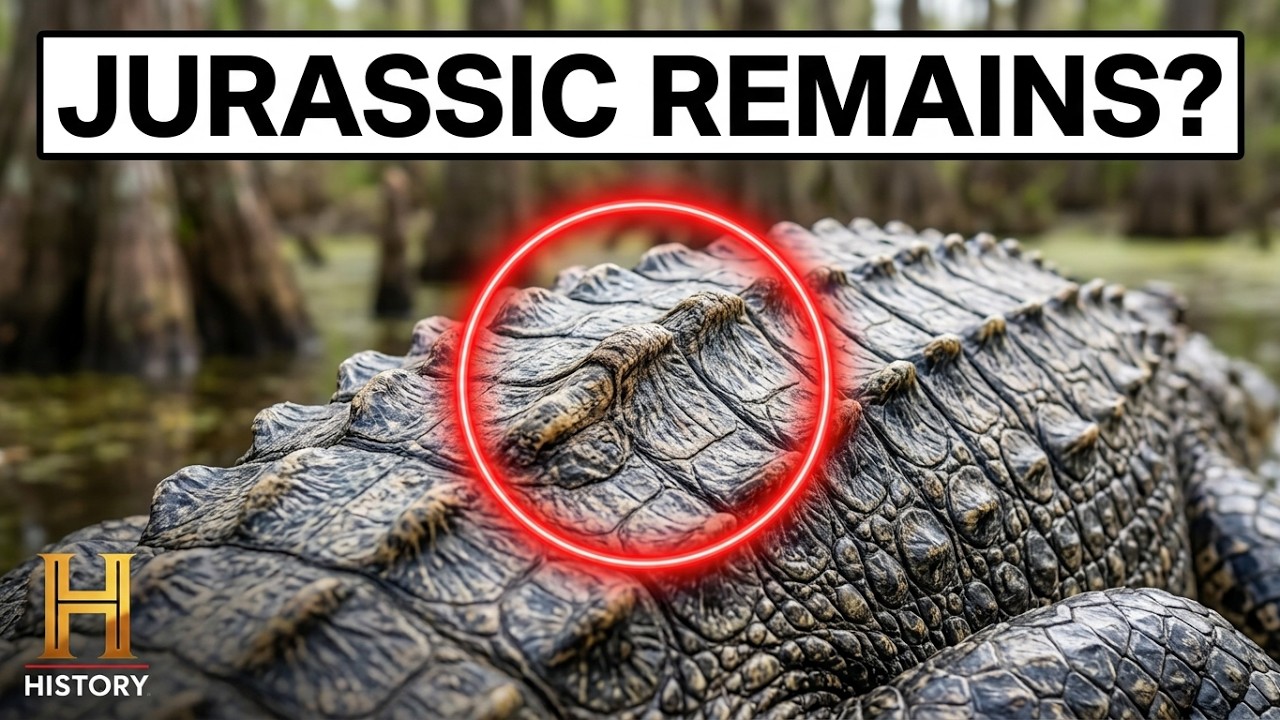
In Louisiana's bayou, Troy Landry collaborates with local experts to address concerns about a mysterious creature threatening the community.
Numbering fewer than three hundred, the Northern Right Whale is critically endangered due to fishing threats in the Bay of Fundy, its primary summer habitat.
Naturalist Brian Keating highlights his wildlife encounters and conservation efforts in Rocky Mountain National Park, emphasizing the importance of protecting its ecosystems.
More than 50,000 people live along the edges of Greenland, where the sun disappears for months and life persists amid ice and ocean.
Forests showcase complex mechanics and strategies for survival in diverse environments.
In the ancient walled city of Harar, Ethiopia, a family of hyena men feeds wild hyenas by hand, fostering a unique bond that promotes conservation efforts.
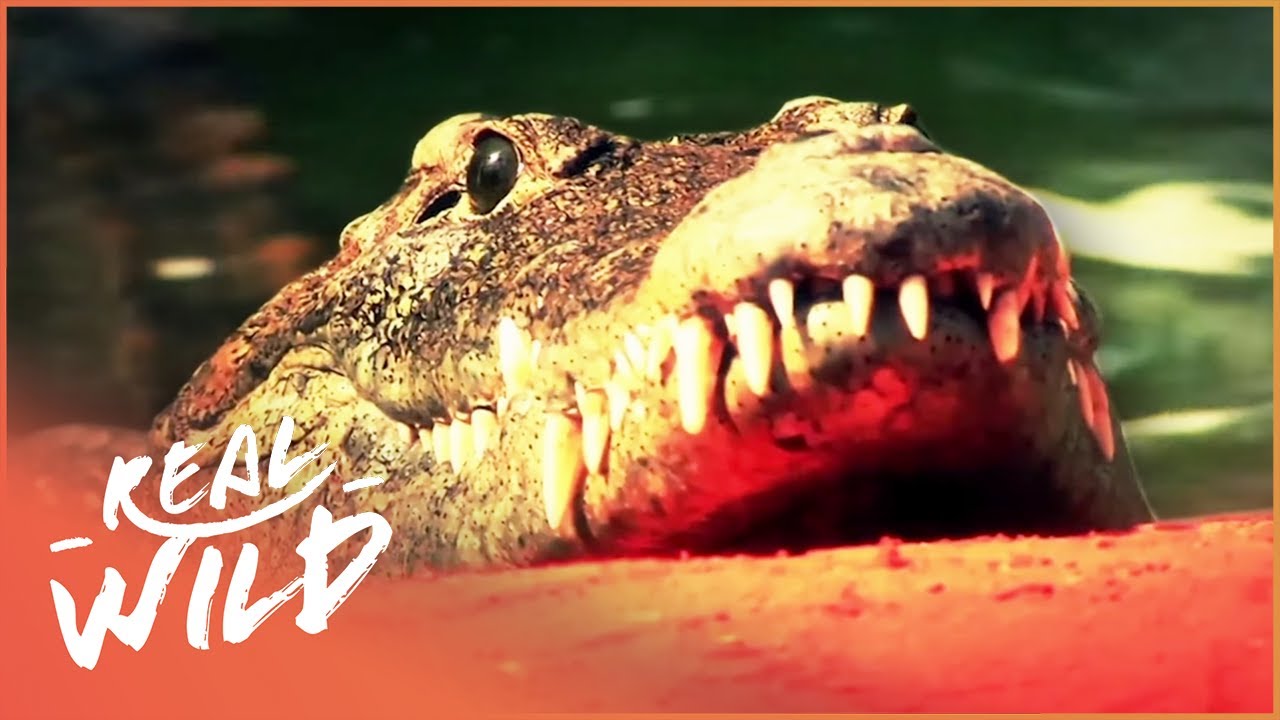
Crocodiles, as one of the oldest living reptiles, have adapted over millions of years to thrive in various ecosystems around the world.
Every year, millions of wildebeest, zebras, and other animals traverse the Serengeti and Maasai Mara, facing predators and harsh landscapes in search of survival.
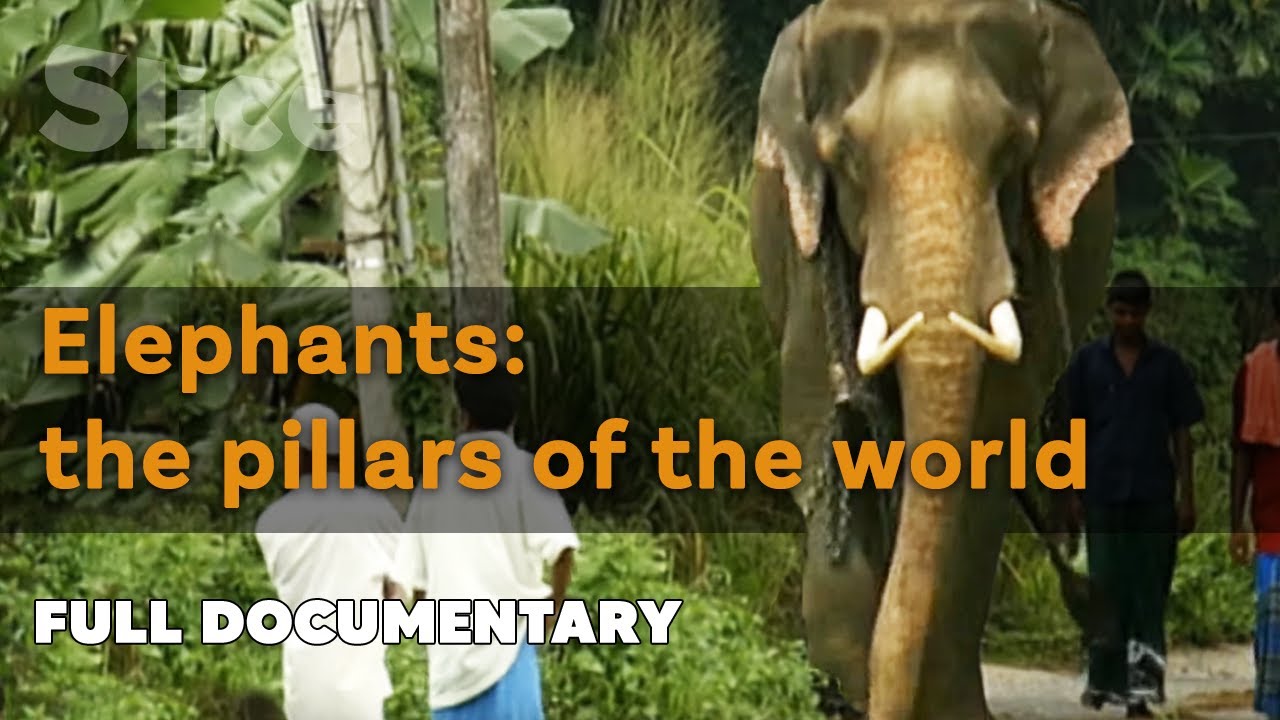
Two million worshipers gather annually in Sri Lanka to honor the tooth of the Buddha, parading the most handsome elephants in a major religious ceremony.
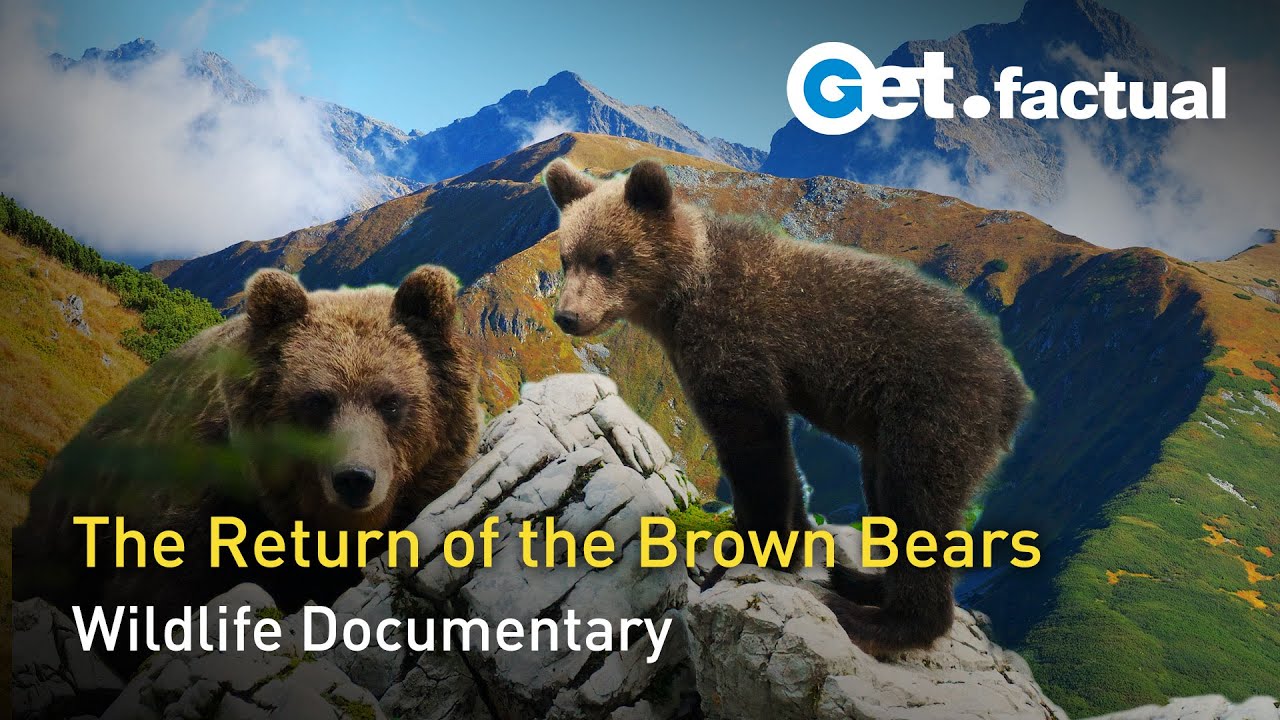
The reintroduction of brown bears in Europe highlights the complexities of wildlife conservation and the challenges of coexistence with local communities.
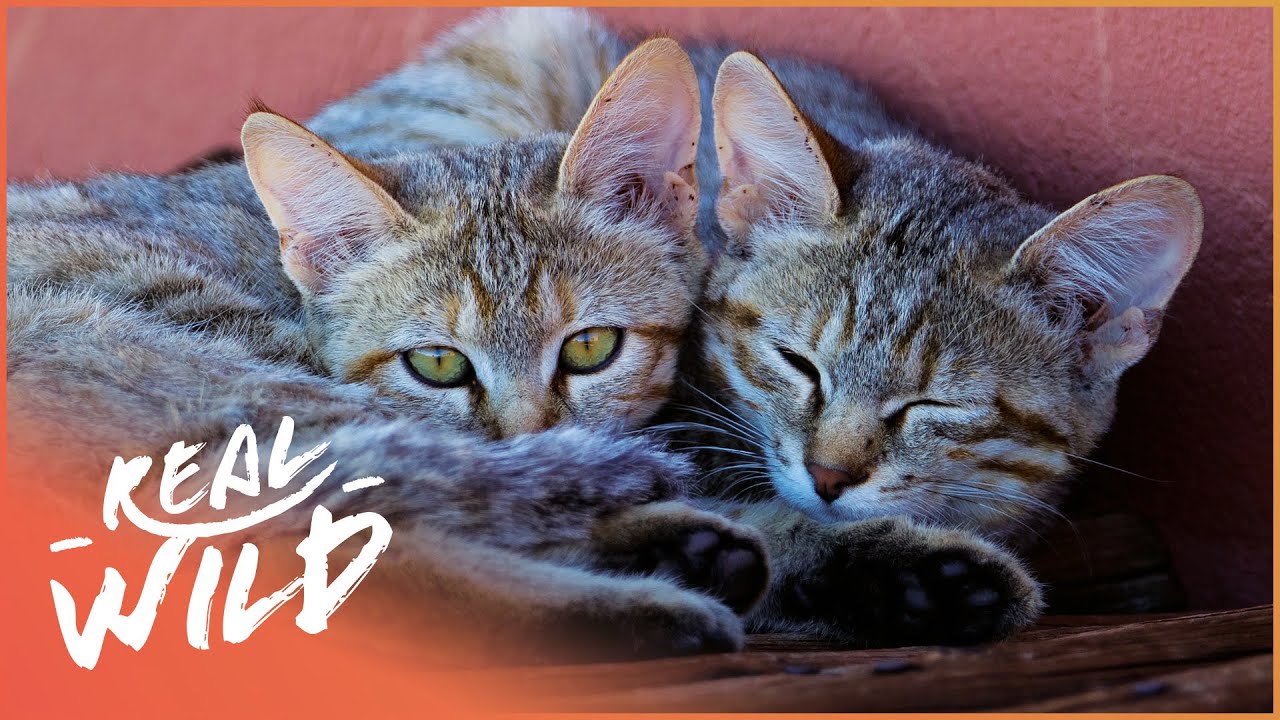
African wildcat mothers in the wild provide crucial protection and guidance to their kittens as they learn essential survival skills in their natural habitat.
The isolated Auckland Islands showcase surprising wildlife, including sea lions and yellow-eyed penguins.
In a luxury golfing estate in South Africa, Vervet Monkeys confront territorial threats from the invading Sugar Cane Gang as they strive to defend their habitat.
Bottlenose dolphins use echolocation to locate fish from 200 meters away, relying on sound to coordinate their hunting efforts in murky waters.
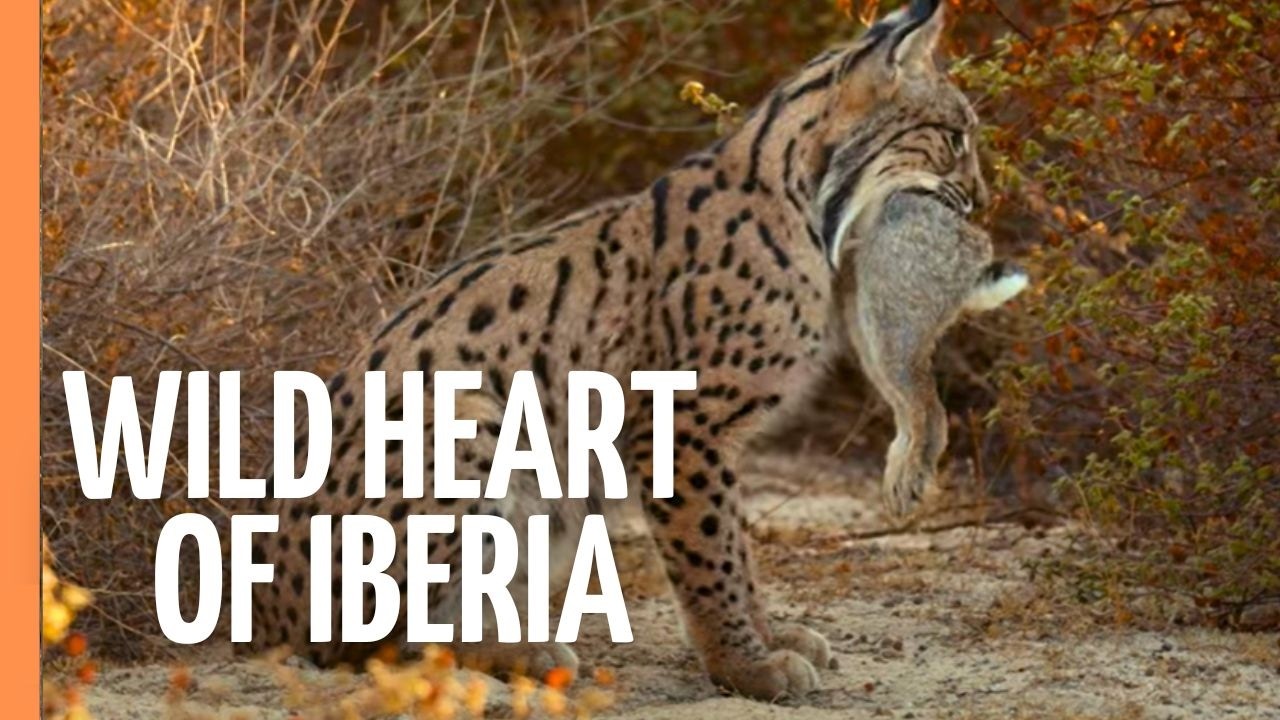
An old stag weighing 200 kg bellows across the woodlands of the Iberian Peninsula, marking the start of the rutting season.
In Arctic regions, wildlife filmmaker Gordon Buchanan explores the survival strategies of snow-dwelling animals, including polar bears, owls, and penguins.
America's endangered species, including rare birds and fish, face critical survival challenges, with some never before captured on film.
Estimates suggest there are fewer than 3,000 pygmy hippos left in the wild, primarily due to habitat loss, pollution, and hunting.
Germany's rivers, including the River Rhine and the glacial streams of Berchtesgaden National Park, host a diverse array of wildlife in their hidden ecosystems.
Over 40 million buffalo once roamed the American west, but by the late 1800s, their population had plummeted due to hunting and habitat loss.
Extreme habitats around the globe, from polar regions to deserts, showcase the remarkable adaptations of wildlife that survive in harsh environments.
Giants of the Pacific adapt their feeding strategies for survival in diverse environments.
Marine venom from creatures like cone snails and jellyfish is being studied for its potential to treat human diseases and enhance medical therapies.
Overfishing has caused a decline in fish populations, with one marine conservationist noting that the spring salmon run has not occurred for years.
Egypt's Great Pyramid at Giza, built 4,500 years ago, remains the only intact structure of the Seven Ancient Wonders of the World.
In the wild, baboons and warthogs exemplify the importance of family bonds as young animals learn to navigate challenges and develop survival skills.
Dangerous animal encounters are highlighted through various incidents, including a bear confrontation on a TV set and interactions between species like grasshopper mice and scorpions.
In the Maasai Mara, the Rock Pride of lions and a female-led clan of spotted hyenas engage in a fierce struggle for survival and dominance.
Six females from the Gol Kopje pride struggle to survive in a 200 square kilometer territory during the harsh dry season of the Serengeti.
The Galapagos Archipelago faces ecological decline due to climate change and disrupted ocean currents, as documented by a team aboard the Sedna IV.
30 Raji nomads scale trees in the Terai forest to gather honey from Apis laboriosa, the world's largest migratory bee, risking their lives in the process.
Stags, badgers, foxes, bats, and magpies are authentically filmed in their natural habitats, highlighting their behaviors and ecological roles while debunking myths.
Bison can reach charging speeds of over 60 km an hour, making them one of the fastest animals on the Great Plains despite their massive size.
Manny explores the Atlantic Ocean to study the behavior and ecological significance of its most dangerous shark species.
Helicopter pilots, crime scene cleaners, and leopard doctors share insights into their extraordinary professions and the challenges they face around the world.
Ten pairs of sea eagles nest in the Lauenburg Lake District, a region where their population has stabilized after facing extinction 30 years ago.
Today, there are around 2,000 Przewalski's horses roaming free in Mongolia, a species brought back from the brink of extinction through conservation efforts.
Wildlife adapts to disasters, using unique strategies to survive and thrive in harsh conditions.
The Lake District showcases England's most beautiful landscapes and thrilling adventures.
In Sulawesi, Indonesia, the film highlights the Toraja's elaborate funeral rituals and the Bajau people's unique lifestyle on houseboats, alongside vibrant coral reefs.