From over 100,000 films, discover the handful you'll love.
Free or premium access to the world's largest documentary library.
4759 films(Page 65 of 100)
Over 90% of hyacinth macaw nests are located inside the hollows of manduvi trees, where the birds dig out their cozy shelters.
A dormouse is too busy stuffing itself with fruit to watch for predators in Alhambra.
A female lioness flirts with a rival male to protect her future cubs from takeover.
Scientist Ross Piper captures rare butterflies in Burma to highlight habitat preservation needs.
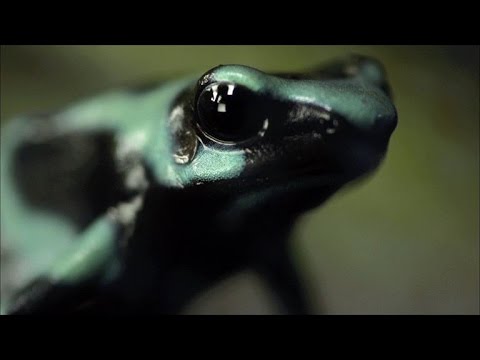
Poison dart frogs, the size of bottle caps, contain a toxin 200 times stronger than morphine.
A bacterium called Jive may help combat the chytrid fungus threatening amphibian populations by causing the fungus to swim away from infected salamanders.
Logging and fishing companies have plundered the Solomon Islands, endangering unique species and altering the role of scientists into advocates for conservation.
Martha, the last passenger pigeon, died at 1:00 p.m. on September 1, 1914, marking a definitive moment in the history of extinction.
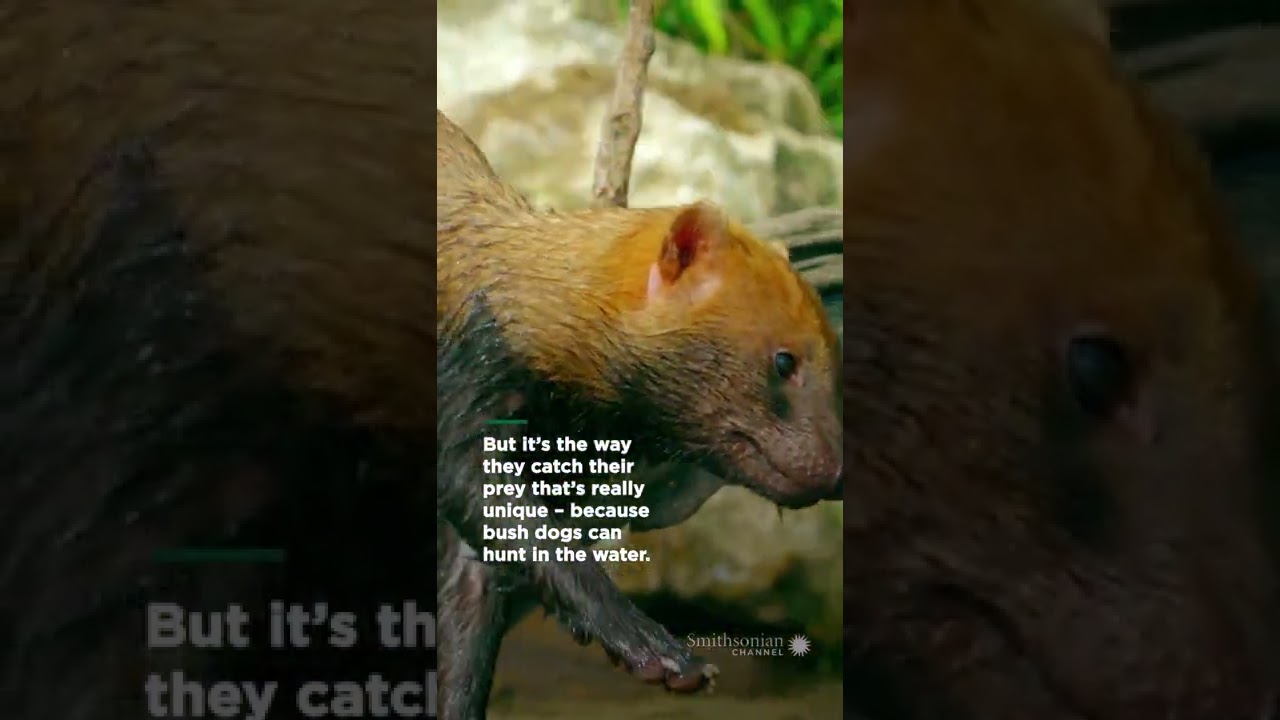
Bush dogs hunt in water and live in groups, showcasing unique social behaviors.
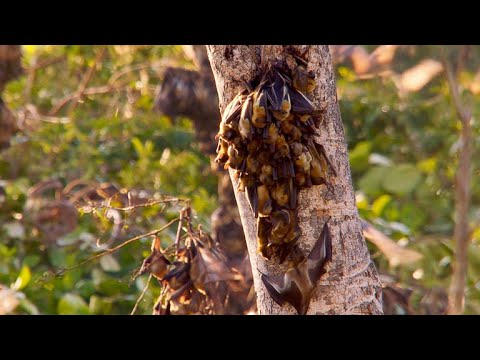
10 million straw-coloured fruit bats gather in a half square mile in Zambia, consuming over a billion waterberries during their migration.
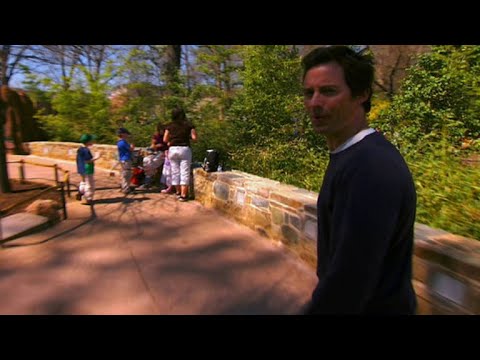
One in five animals at the National Zoo receives formal training to ensure their health and minimize stress during examinations.
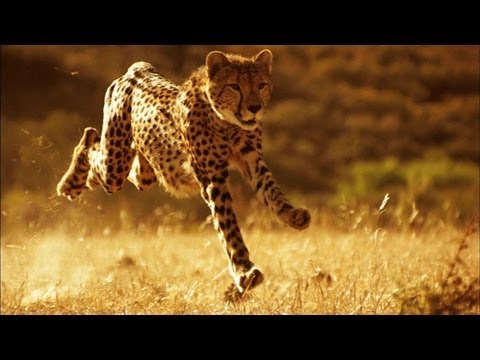
Cheetahs, with their unique physical adaptations like a flexible spine and specialized feet, are the fastest land animals, excelling in speed and hunting in the African savannah.
During the wildebeest migration in Africa, crocodiles and hippos engage in a tense survival dynamic as they navigate the challenges of predator zones.
Buggy the kangaroo and Wally the wombat befriend each other at a rescue center.
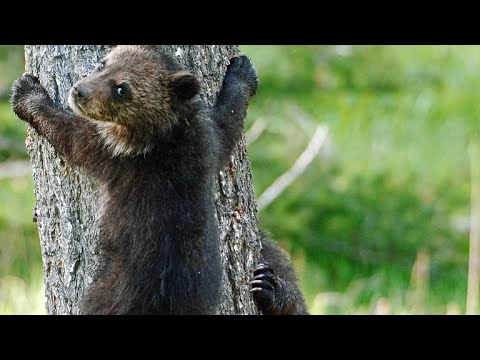
Quad mom, a celebrated bear in Yellowstone National Park, plays a crucial role in the ecosystem and the recovery of the bear population after being endangered.
A long-tailed weasel captures a meadow vole, benefiting Mississippi farmers in America.
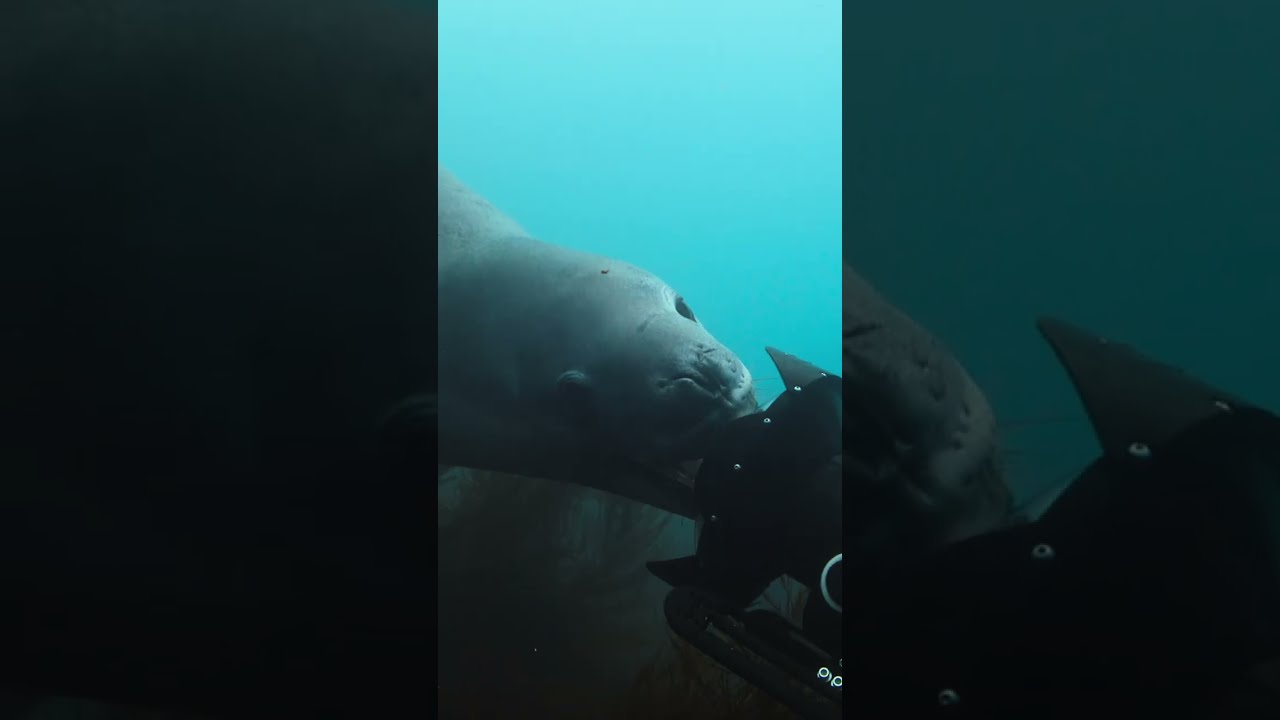
In Antarctica, a leopard seal showcases its impressive size and playful nature, prompting discussions about the potential dangers of close encounters with humans.
Liz Bonnin highlights the playful Galápagos sea lion in this Nat Geo Original series.
The angel's trumpet flower, like Fort Knox, stores nectar deep within its foot-long structure.
Migrating elephants gather at a clearing for minerals and reunions in Wild India.
Wolfgang Dittus studies macaques in Sri Lanka, revealing their social structures and behaviors.
Forrest Galante travels to Stream Island to study Walking Sharks and highlight the importance of marine conservation and biodiversity.
Meet the Malabar Pit Viper, a snake that disappears into the forest and strikes with deadly venom.
Burmese pythons, released into the wild by pet owners, have become an invasive species threatening the ecosystem of the Everglades in Florida.
A female golden dart frog seeks a mate while her toxin coating poses a deadly threat.
The Himba people of Namibia have a unique view on infidelity and parenthood, with 17% of children born out of wedlock.
Volunteers at Tortugranja on Isla Mujeres care for green turtle hatchlings to help them survive against threats from predators and humans.
The Great Temple of Amun was constructed over 3,000 years ago and served as the home of the most important deity in ancient Egypt.
Young tiger Kumal is captivated by a female tiger signaling her interest through urine.
Check out the life-size titanoboa replica coming to the Smithsonian Institution Traveling Exhibition Service.
The titanoboa, a prehistoric monster snake, could swallow prey whole, even motorcycles.
Carlos Jaramillo discusses Titanoboa and fossil discoveries at the Smithsonian Tropical Research Institute.
The video discusses what a titanoboa would eat at the National Zoo today.
Titanoboa, the largest snake in history, is humorously depicted in a song by a crocodile character, blending entertainment with facts about its size and predatory nature.
A 48-foot prehistoric snake, Titanoboa, killed by constriction with a pressure of 400 pounds per square inch, challenges the Tyrannosaurus rex in a hypothetical battle.
Lake Titicaca in Bolivia is home to the ancient site of Tiahuanaco and the sacred islands of the sun and moon, where local traditions honor Pachamama and Viracocha.
Barry's crew prepares to catch a shark named Harrison by using a hook and a satellite tag bolted to the dorsal fin after drilling holes in it.
Baow baow, a young panda at the Chengdu Research Base of Giant Panda Breeding, shows progress in training as she becomes more active and engaged.
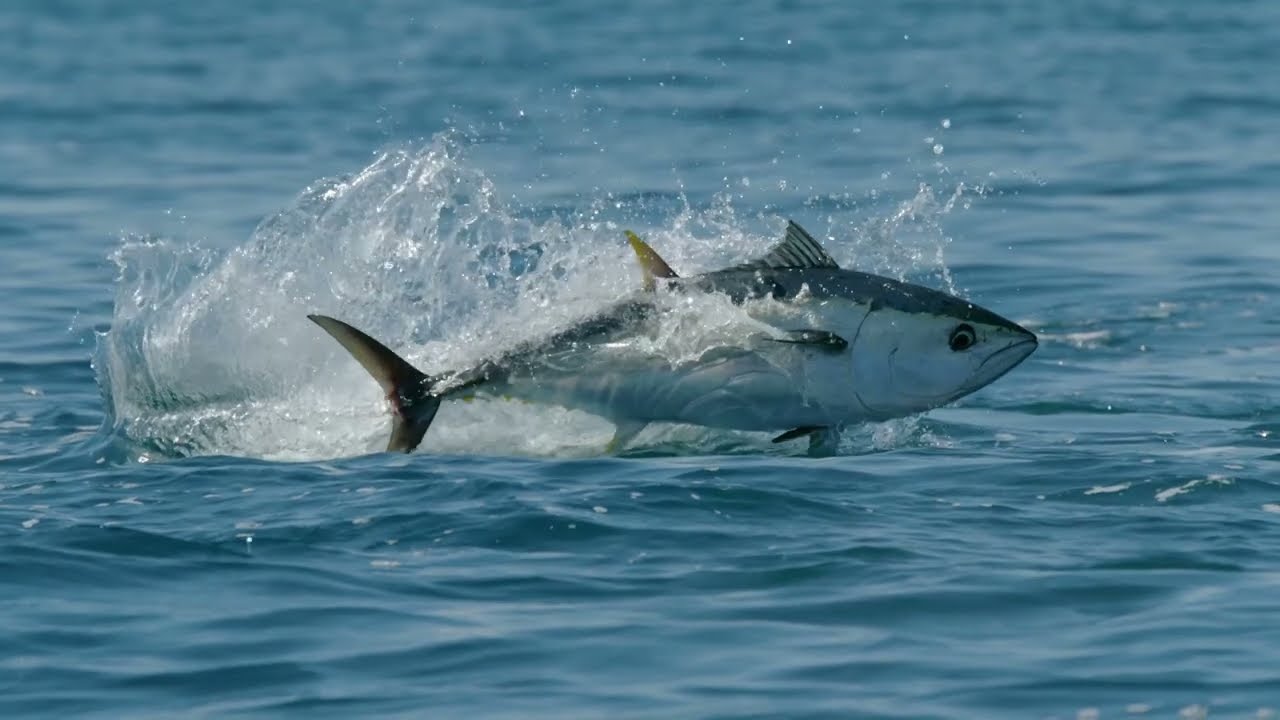
Bluefin tuna can reach over 800 pounds and 10 feet in length by the age of 20, preying on schools of anchovies in open water.
Two superfan critics of Naked and Afraid test their survival skills in Colombia's jungles, facing extreme conditions with only one survival item each.
Sloth bears in India target hard termite nests, showcasing their unique foraging skills as they access this vital food source.
Colossal Biosciences aims to bring back the woolly mammoth as part of a larger effort to restore ecosystems impacted by human activity.
The Exxon Valdez oil spill and the Deepwater Horizon explosion highlight significant gaps in the oil industry's preparedness for environmental disasters.
Untamed Romania showcases the country's remarkable natural beauty and diverse wildlife.
Martin Plankensteiner curates a spectacular trekking route through Albania's mountains.
Vampire bats feed on feral hogs, increasing disease risks in Brazil's ecosystem.
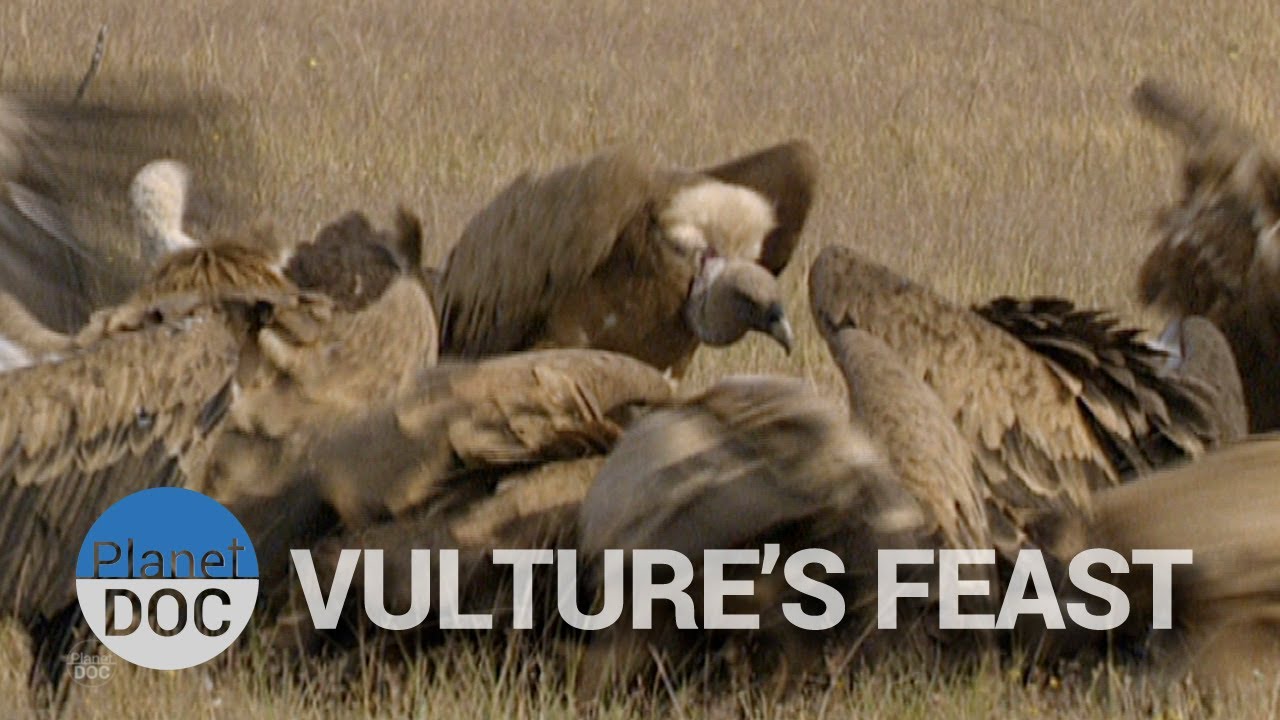
In Montfrague National Park, Spain, black and griffon vultures engage in fierce competition over carrion, highlighting their crucial role in the ecosystem.
Bali and Lombok showcase distinct geographical and cultural contrasts, highlighting unique landscapes, wildlife, and traditions that define these Indonesian islands.