From over 100,000 films, discover the handful you'll love.
Free or premium access to the world's largest documentary library.
4759 films(Page 14 of 100)
Since the 1930s, the sea level along the Mississippi River has risen by about 9 millimeters each year, resulting in the loss of approximately 5,000 square kilometers of land.
A leopard seal weighing 400 kilos hunts young penguins in the Antarctic waters, where survival is a constant struggle for both predator and prey.
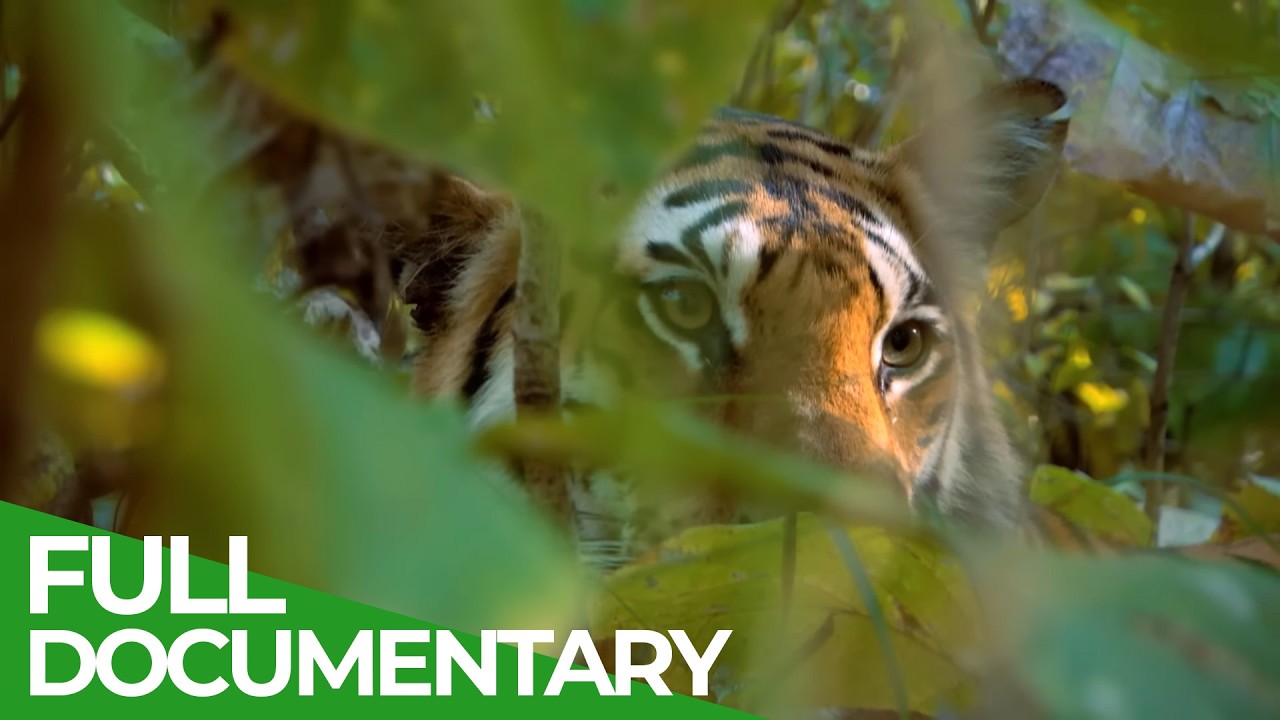
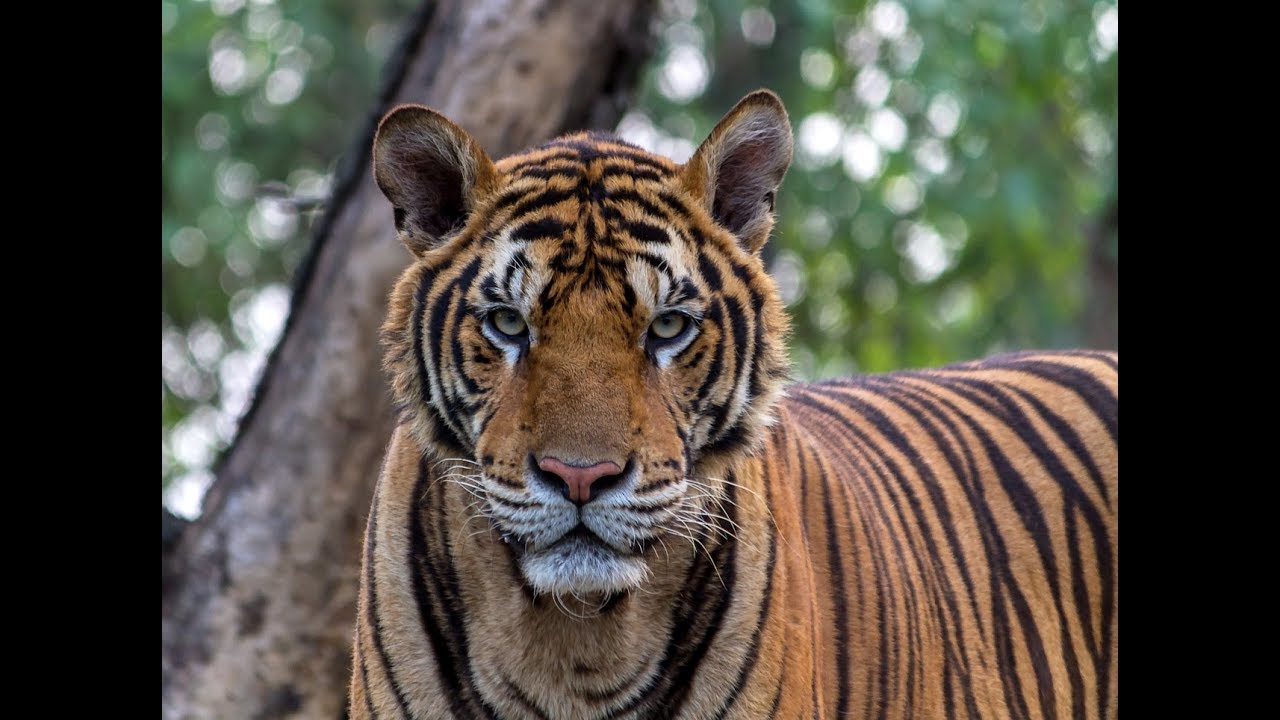
India shelters around 70% of the world's tiger population, a species facing threats from habitat loss and hunting.
8.8 million tons of salt are produced annually at Guerrero Negro, the largest salt mine in the world, located on Mexico's Baja California Peninsula.
9,000 to 10,000 bird species are thought to exist globally, with new research suggesting that number could easily double.
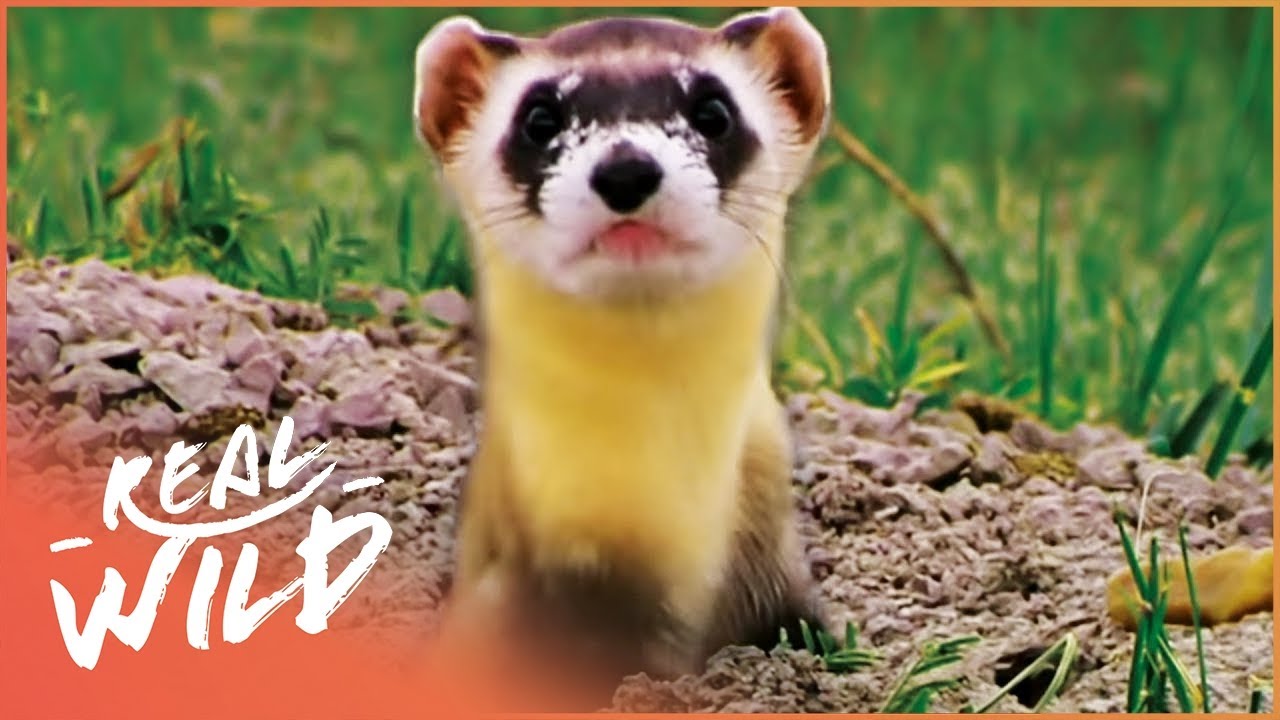
The black-footed ferret, native to the North American Prairies, faces extinction due to habitat destruction and the loss of its primary food source, the prairie dog.
The Canadian Inuit Dog, historically essential to the Inuit in the Arctic, now faces extinction due to the pressures of modern technological society.
In Port Protection, Alaska, Matt Carlson attempts to remove a massive sunken tree blocking the waterway while Curly targets a bear for food.
Indri lemurs can leap up to 10 metres in a single bound, but their rainforest habitat in Madagascar is rapidly shrinking due to human encroachment.
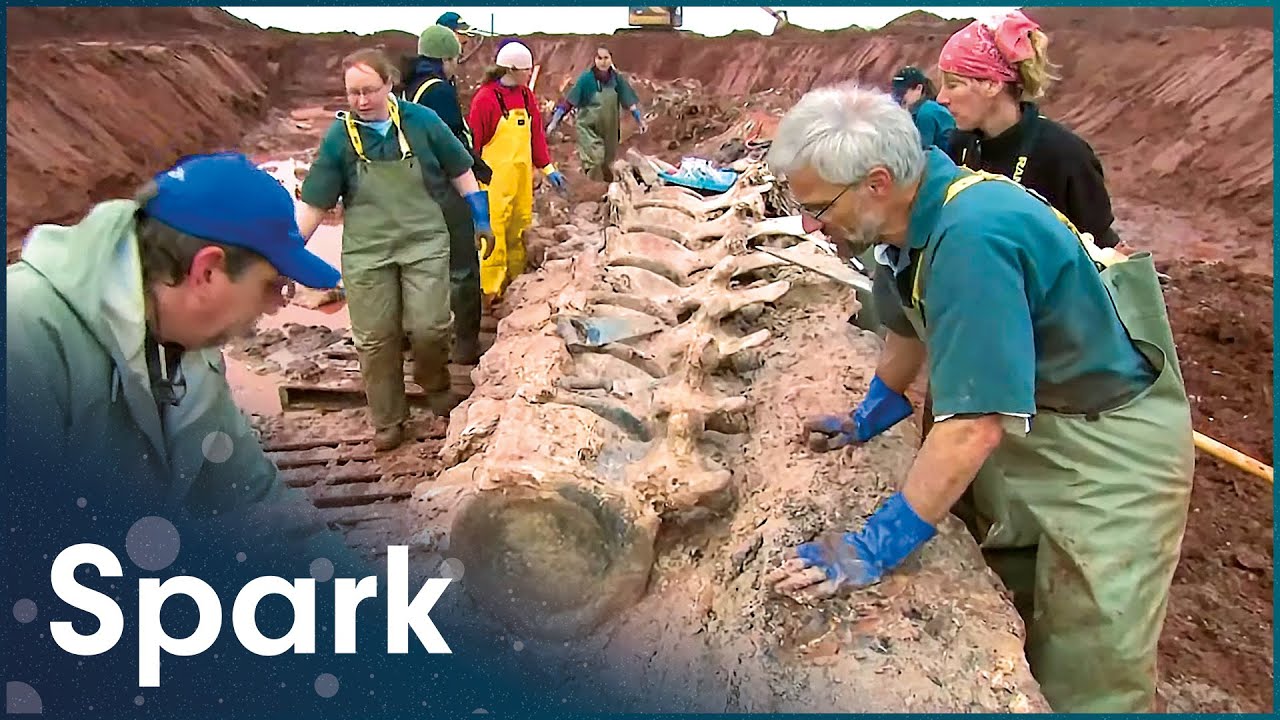
An 85-foot blue whale skeleton, weighing over 150 tons, is reconstructed for display at the University of British Columbia's biodiversity museum.
1,200 kilometers separate an expedition team from the last refuge of the endangered Gobi bear in Mongolia's remote desert.
Remarkable moments in the wild, such as a snake poised to strike and a walrus family protecting its young, are narrated by Sir David Attenborough.
Extraordinary animals from diverse ecosystems around the globe are showcased, highlighting their unique behaviors and adaptations to their environments.
Heidi Andersson lives in Ensamheten, Sweden, embracing life and arm wrestling in loneliness.
Wolves in Yellowstone's Druid pack successfully hunt about twice a week during the harsh winter months, relying on teamwork to survive.
Trees cover four billion hectares of the planet, providing food and shelter for a wide range of wildlife while producing 31 percent of Earth's oxygen.
Mark's exotic animal collection includes an alligator and tarantula, while Joe Taft's Exotic Feline Rescue Center cares for nearly 200 rescued big cats.
Hazen Audel navigates the Andes, facing dangerous landscapes and engaging with indigenous tribes while highlighting their survival skills and cultural traditions.
In a special compilation by , three episodes explore the social structures of Savanna elephants, the intelligence of octopuses, and the risk-taking behaviors of penguins.
A bull elephant seal loses 10 kilos a day while guarding mating rights to 60 females on a crowded beach in the Antarctic.
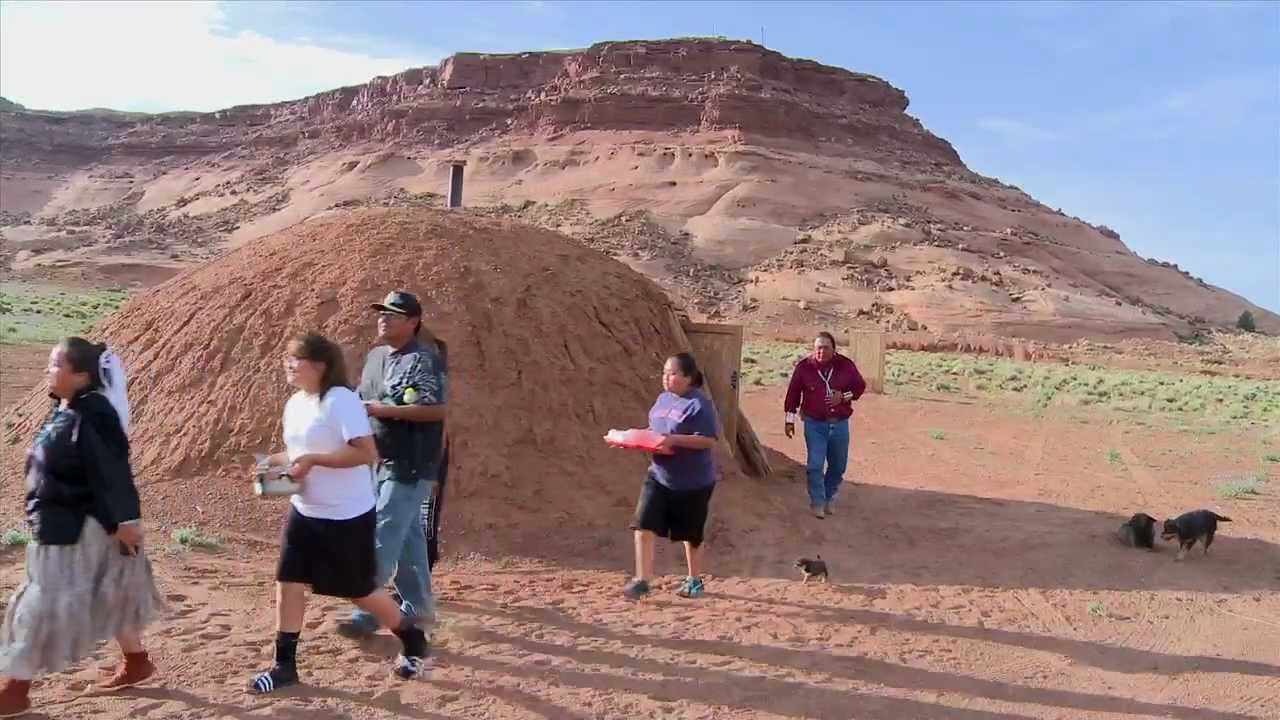
Families in Monument Valley rely on trucks to haul water home, as many homes lack running water and natural springs have dried up.
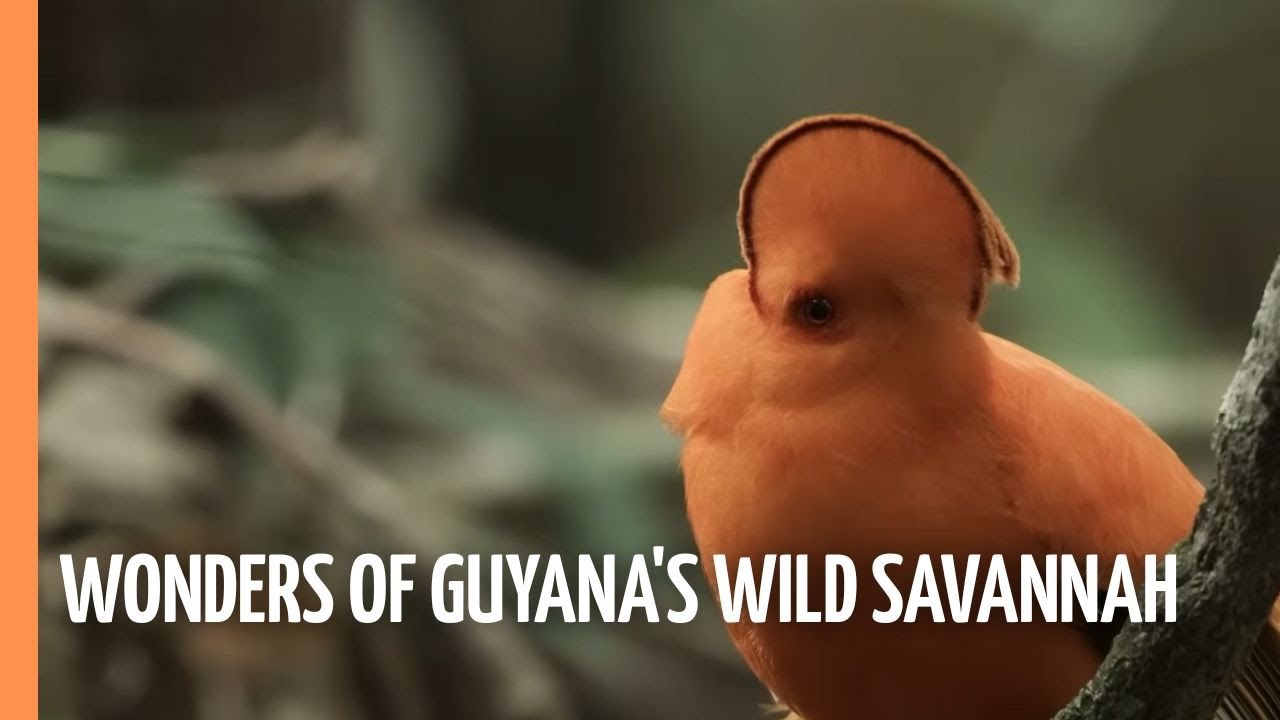
A healthy steer can be worth $1,000 to local cowboys in Guyana, who manage their cattle in the vast savannahs.
Seven children accompany their father on a challenging spring trip to teach them traditional hunting practices in Alaska's changing environment.
A female clownfish may lay up to 1,000 eggs beneath her anemone home, with fertilization occurring shortly after.
Orca whales along the Pacific Coast are facing extinction due to declining chinook salmon populations, exacerbated by four dams disrupting their habitat.
Three hours of wildlife footage from BBC Earth highlight diverse natural habitats, providing a calming backdrop for relaxation, sleep, and study.
A shark targets Alex Dodds four miles off the Australian coast, biting his leg and launching him into the air during a spearfishing dive.
Three European bison, including an 18-year-old matriarch, are part of a rewilding project in the UK aimed at restoring local ecosystems.
A male lynx patrols a territory that can cover several hundred square kilometers in the Bohemian Forest, where he faces challenges in hunting and survival.
More than 15,000 lions, leopards, and hyenas inhabit the Maasai Mara in Kenya, where they engage in a nightly contest for survival.
Every summer, 7,000 lambs are rounded up for Tyree's sheep fare, marking the end of their carefree existence on the island.
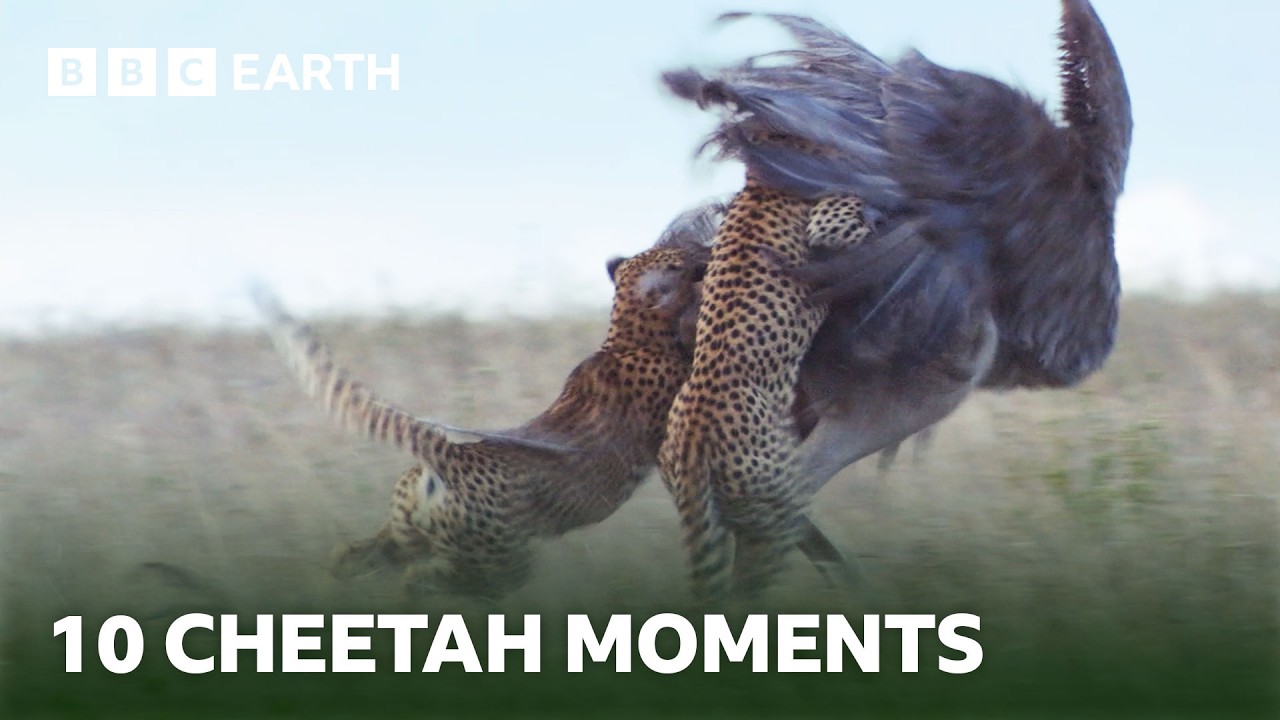
In the African savannah, a mother cheetah and her cubs navigate a perilous acacia thicket while other cheetahs hunt for prey like ostriches and impalas.
Botswana is home to the largest elephant population in the world, with 130,000 elephants, representing more than a quarter of Africa's total.
Ganvié is the World's Largest Floating Village in Benin, known as the Venice of Africa.
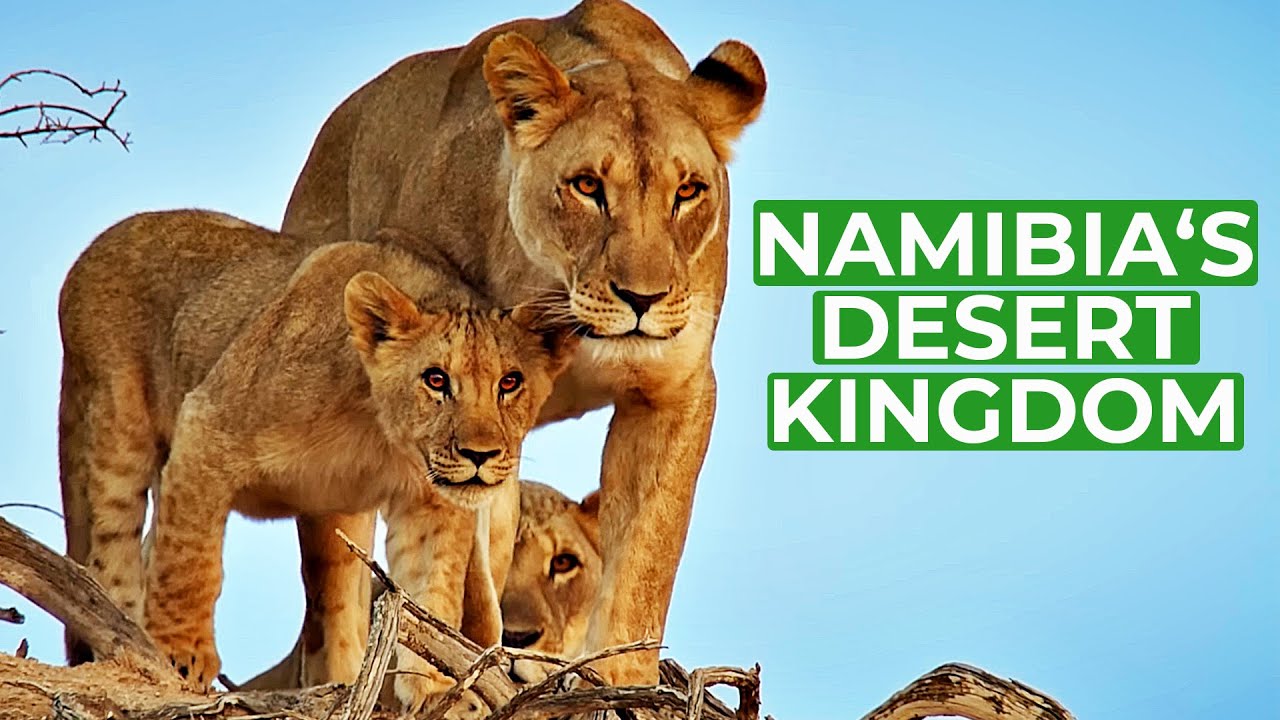
In northern Namibia, diverse wildlife such as desert elephants, chacma baboons, and desert lions navigate the harsh conditions of the arid landscape, reliant on scarce rainfall.
Insects multiply in their millions during summer, while animals adapt to the challenges of the season, balancing growth and survival.
New Zealand's unique ecosystem is home to giant species such as the Wetapunga insect, massive flightless birds, and two-meter-long longfin eels.
In Amman, Jordan, Four Paws collaborates with a local charity to establish an animal orphanage, welcoming a six-month-old baby rhino in need of care.
A colony of Weavers in the Ototo Crater competes for a female's attention by constructing intricate nests and producing deafening calls.
Three generations of elephants visit a hotel each year during mango season, curiously checking in and out while playing and exploring the grounds.
Half of Guatemala's population is of Maya origin, reflecting the country's rich history and cultural diversity.
Only 66 marsh deer remained in Kanha National Park by 1970, but conservation efforts have since increased their population to 550 by 1988.
In northwestern Ontario's Emo, Michael Scheibler forms a unique bond with wild bears, hand-feeding them on his 320-acre sanctuary.
200 sharks will be equipped with radio tags to help scientists understand their behavior and protect their habitats in New Caledonia's lagoons.
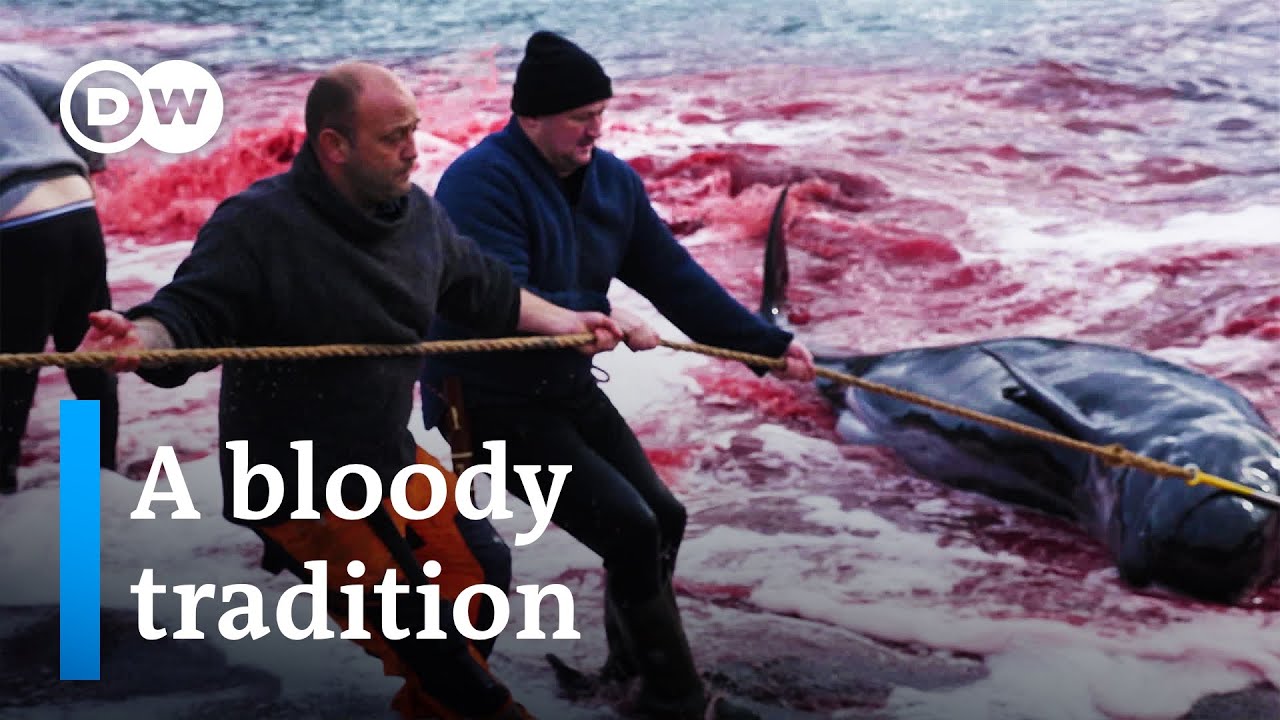
In the Faroe Islands, the Grindadráp results in the annual slaughter of hundreds of pilot whales and dolphins, highlighting a complex human-marine life relationship.
Andrew Skurka completed a 4,700-mile trek through Alaska and the Yukon over six months, facing temperatures as low as 29 degrees below zero.
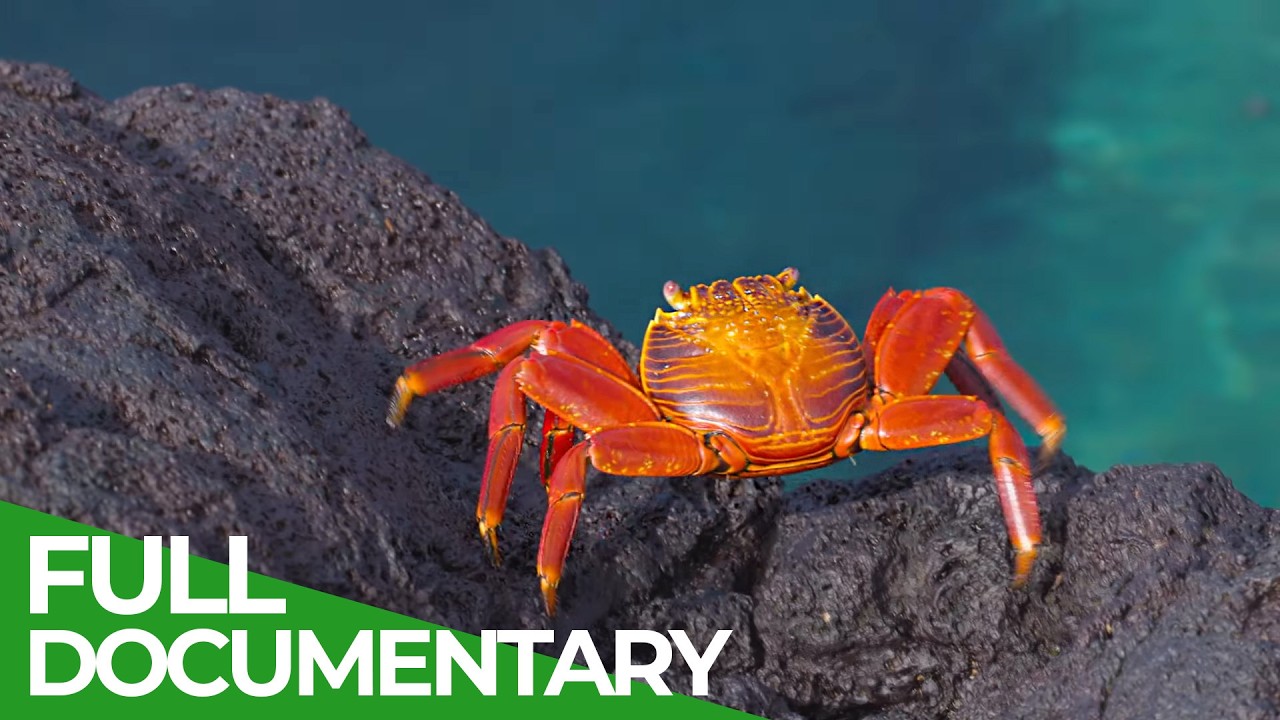
Ecuador's Amazon rainforest, Andes mountains, and Galápagos archipelago showcase unique wildlife adaptations while facing threats from deforestation and climate change.
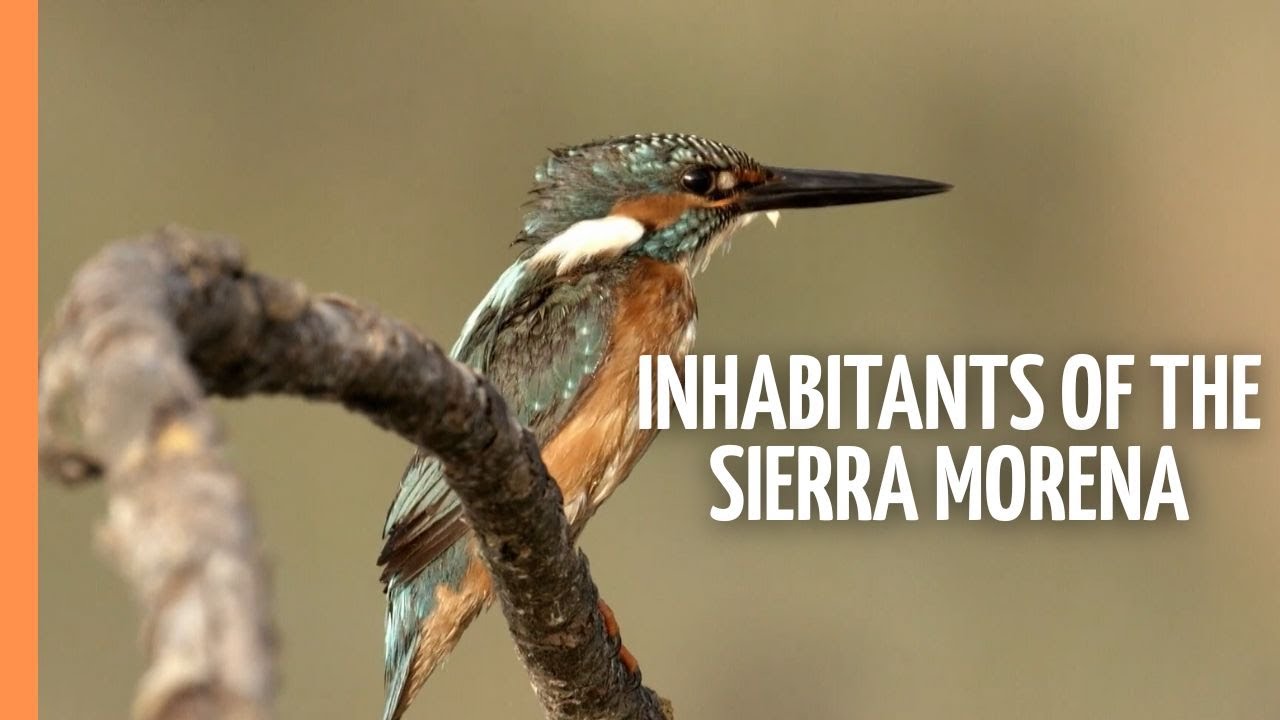
Summer temperatures in the Sierra Morena often exceed 30 degrees Celsius, while the region receives less than 500 millimeters of rain each year.