From over 100,000 films, discover the handful you'll love.
Free or premium access to the world's largest documentary library.
4759 films(Page 30 of 100)
A cheetah's unique claws, which are permanently semi-protracted, provide better grip for chasing prey across open plains and savannahs.
Ecuador's government proposed to forgo $7 billion in oil revenue from the Yasuni National Park to protect its unique biodiversity and combat climate change.
Five glaciers and four mountain passes challenge a group of skiers as they traverse the Southern Alps of New Zealand's South Island.
In the village of Kasiole, 8-year-old Moseka faces dangers from wild animals and extreme heat during his 10-kilometer trek to school in the Dorn Savanna.
Residents of Slab City live off-grid in broken trailers and old school buses, relying on each other for support in California's poorest desert region.
Victoria Falls and Chobe National Park serve as key locations in a half-hour exploration of southern Africa's diverse wildlife, filmed by the Natural World Facts team.
The Kermode Bear, also known as the Ghost Bear, is a rare subspecies found in the rainforests of British Columbia, notable for its striking white fur.
A male gannet fights fiercely to defend his nesting space, resulting in the death of an intruder during a brutal territorial dispute.
Over three feet of land near Rabaul harbour rose before the volcano erupted in 1994, forcing residents and wildlife to adapt to the ash-filled environment.
Around 1,500 bison roam the primeval forest of Białowieża, a region that has seen their near extinction just a century ago.
Manny Puig explores dense forests to examine the ecological impact of wild boars, highlighting their role as both a predator and a threat to local wildlife.
During winter, surface temperatures on marshes in Northeast Asia rarely rise above freezing, forcing cranes and other wildlife to adapt for survival.
Extremadura, a region in western Spain, hosts diverse ecosystems that support rare species like the Spanish lynx, black vultures, and imperial eagles.
Nelly, a 5-week-old baby Warthog, searches for friends in a wildlife park while 18-month-old Lumholtz Tree Kangaroo Dorothy learns to climb trees with her nanny Margit.
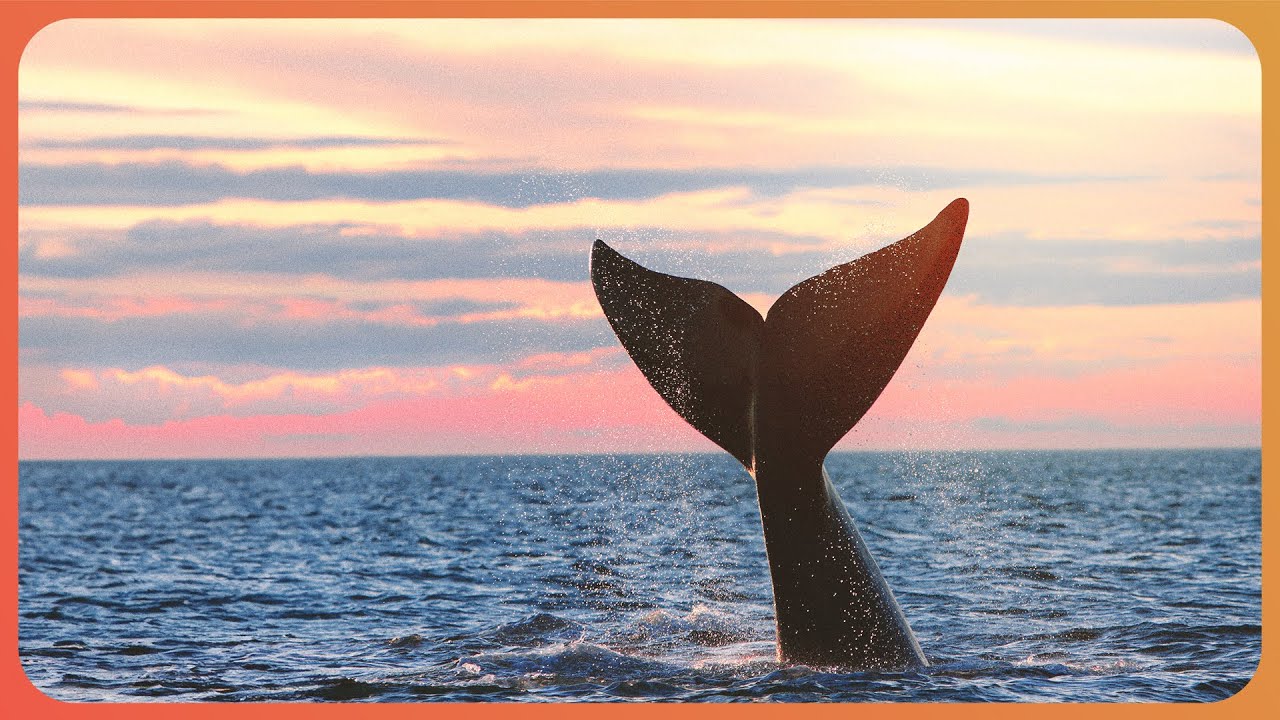
With fewer than three hundred individuals remaining, the Northern Right Whale faces significant threats during its dangerous migration to the Bay of Fundy each summer.
In the summer of 1909, a Paiute Indian named Willie Boy became the center of a significant historical event in the deserts of California.
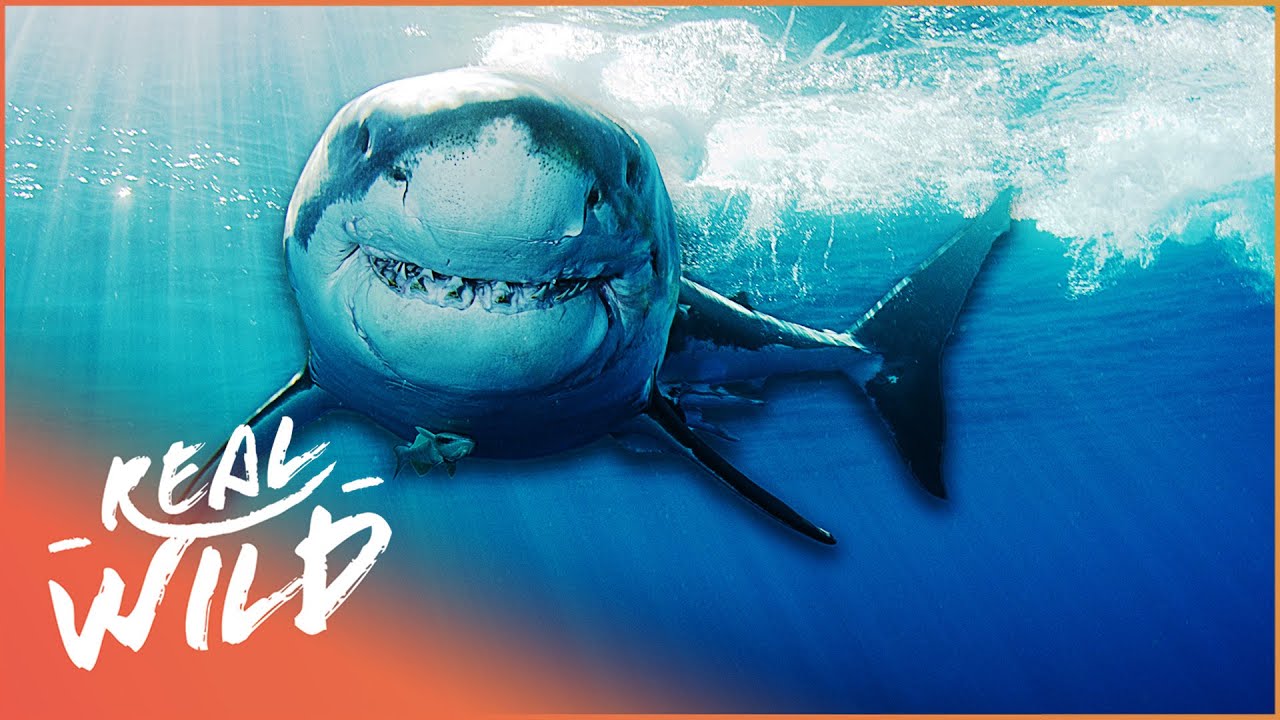
Great white sharks, barn owls, humpback whales, rattlesnakes, and bats showcase their extraordinary hunting abilities and survival techniques in the animal kingdom.
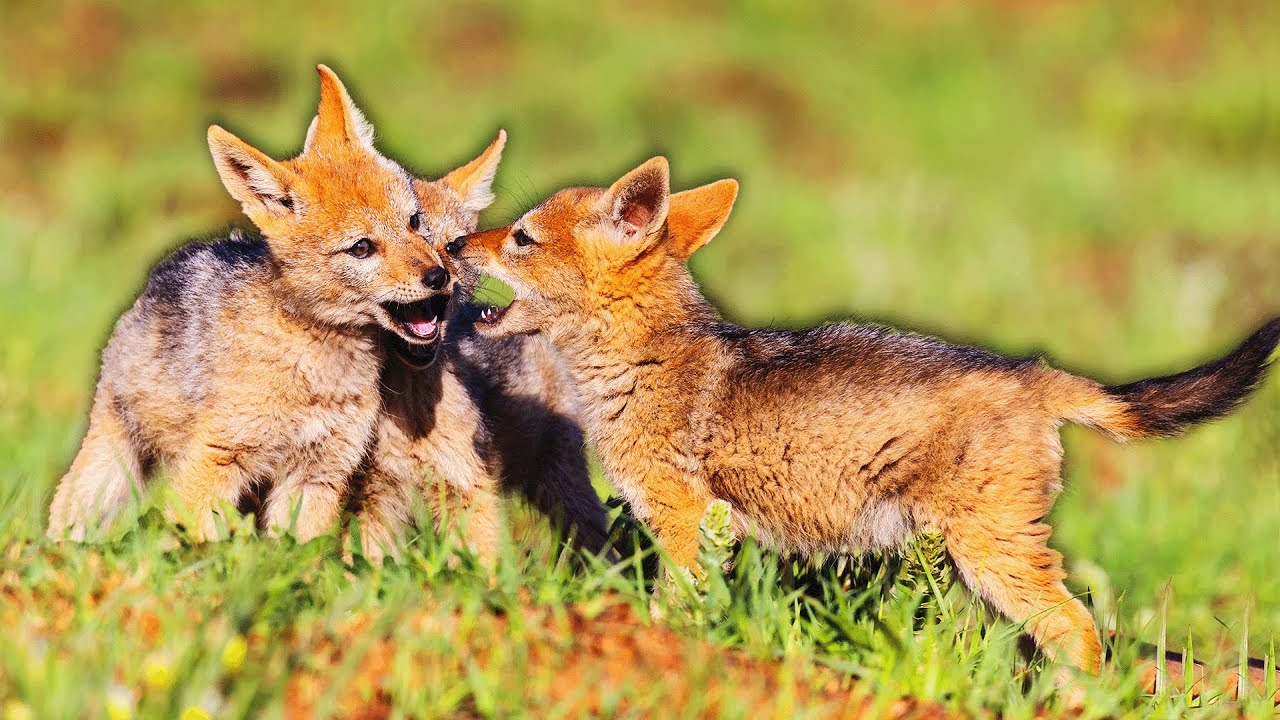
Golden jackal pups in Northern India face the challenges of survival alongside various animal parents, including cheetahs and humpback whales, as they feed their young.
In post-Hurricane Katrina Louisiana, Python Hunters collaborate with a biologist to address the challenges posed by invasive reptiles in the region's wildlife.
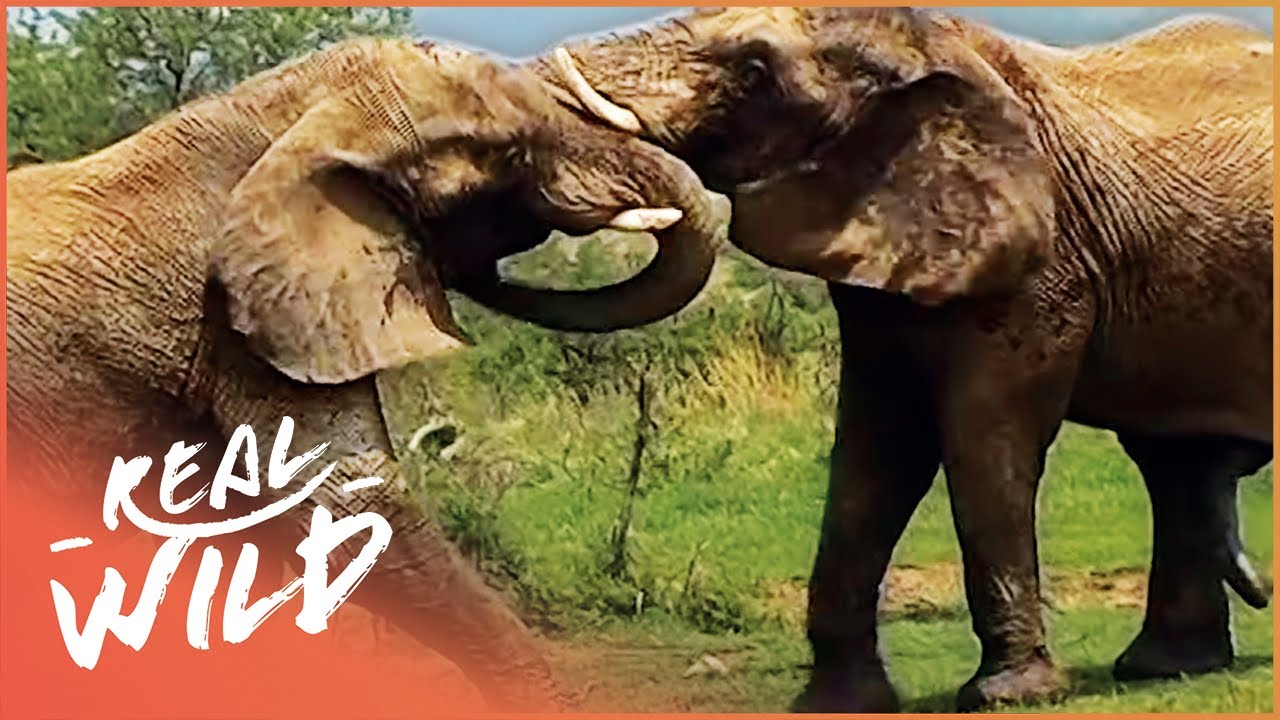
In the African savannah, a young elephant navigates the challenges of survival and social dynamics within its herd.
Spain's unique geographical position between Europe and Africa creates a vital habitat for millions of migratory birds, making it a key area for avian biodiversity.
In various natural and domestic environments, a diverse array of baby animals is showcased, highlighting their daily lives and interactions.
Monitor lizards can grow up to 2 meters long and have survived for 80 million years, adapting to various environments and challenges.
Lamma Island offers a tranquil escape from Hong Kong's densely populated urban life.
Three sun bear cubs, Bun Bun, Bernie, and Wawa, are rehabilitated in Indonesia's rainforests before being released into their natural habitat.
In one of Africa's last great wilderness areas, the actions of a single elephant transformed the local ecosystem and improved the lives of surrounding communities.
Hooved mammals, including Giraffes, Zebras, and lesser-known species like Tapirs and Okapis, are explored for their unique adaptations and behaviors.
Wolves, bears, alligators, and snakes are among the world's most formidable predators, each exhibiting unique social structures and dietary adaptations.
In Argentina, host Nick Baker searches for the elusive and rare Pink Fairy Armadillo, exploring some of the planet's most remote habitats.
A village of 256 people relies on agriculture and fishing for sustenance, with limited access to electricity and healthcare along the Amazon River.
A 6-ton orca can strip a giant bluefin tuna in minutes, taking advantage of fishing boats to enhance its hunting success.
Australia's Great Ocean Road, a 250-kilometer coastal route, was constructed in 1919 to provide jobs for returning World War I veterans and showcases stunning landscapes.
In U.S. waters, hundreds of critically endangered manatees are threatened by boats, disease, and cold weather, with only a few thousand remaining in the wild.
Traditional orchards serve as vital ecosystems, supporting diverse wildlife such as foxes and butterflies while enhancing agricultural landscapes with fruit-bearing trees.
13% of the Earth's surface is protected, yet challenges remain for wildlife in Banff National Park as human activity increases.
Birds of prey in North America exhibit a remarkable variety of species, each with unique adaptations for hunting and survival.
Uwe Anders captures Arctic wildlife on Wrangel Island, showcasing his unique experiences.
A 60-foot leviathan, a prehistoric toothed whale, faces off against the great white shark in a dramatic battle for dominance in ancient oceans.
A young lioness in Samburu National Park adopts an antelope, raising questions about altruism and survival in the animal kingdom.
A leopard can mate as often as every 15 minutes during a five-day period with a female, marking his territory to defend against rivals.
A 3-meter wingspan allows the Andean condor to soar effortlessly above Patagonia, where world-champion hang-glider Judy Leden attempts to fly alongside it.
In the marshes of Australia, wildlife expert Manny confronts venomous snakes and crocodiles, highlighting the dangers of these formidable creatures.
In the Congo River basin, silverback gorilla Makumba leads his family while facing threats from leopards and rival gorillas amid diverse ecosystems.
Sixteen wooden churches on Chiloé Island are recognized as UNESCO World Heritage sites, reflecting the region's unique architectural heritage.
In Fiordland National Park and the sub-Antarctic Auckland Islands, various penguin species exhibit unique nesting behaviors and survival strategies in their habitats.
Discover Bolivia's wildlife and history on an epic train journey from Quijarro to Santa Cruz.
Millions of young spiders produce gossamer flight threads to travel hundreds of kilometers in search of new habitats before winter arrives.
In Season 4, Episode 6 of The UnXplained, experts examine whether certain animals attack humans for reasons beyond typical defense and hunger.