From over 100,000 films, discover the handful you'll love.
Free or premium access to the world's largest documentary library.
4759 films(Page 42 of 100)
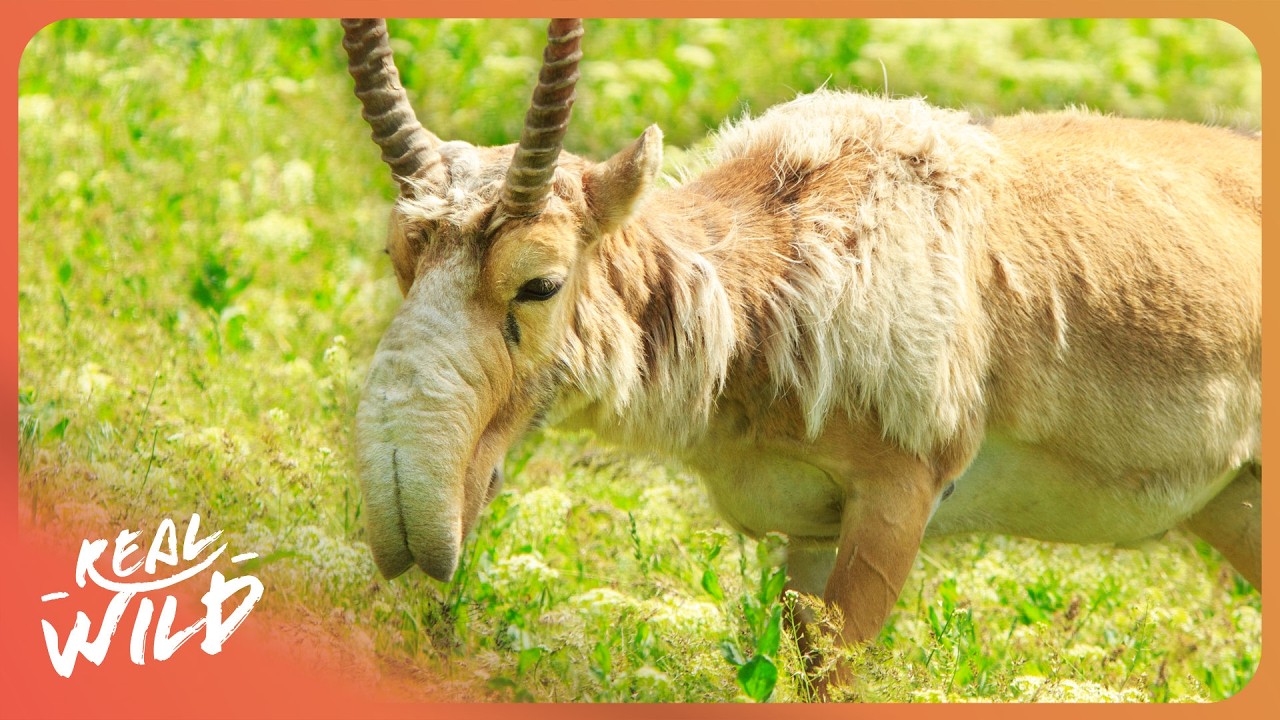
The Saiga antelope, an ancient species in Central Asia, faces extinction due to human activity, prompting scientists and conservationists to protect its remaining herds.
Stunning visuals of wildlife in their natural habitats provide a calming environment for relaxation and stress relief.
In the equatorial region, diverse wildlife such as gibbons, orangutans, cheetahs, and lions adapt to extreme conditions shaped by the sun's intensity.
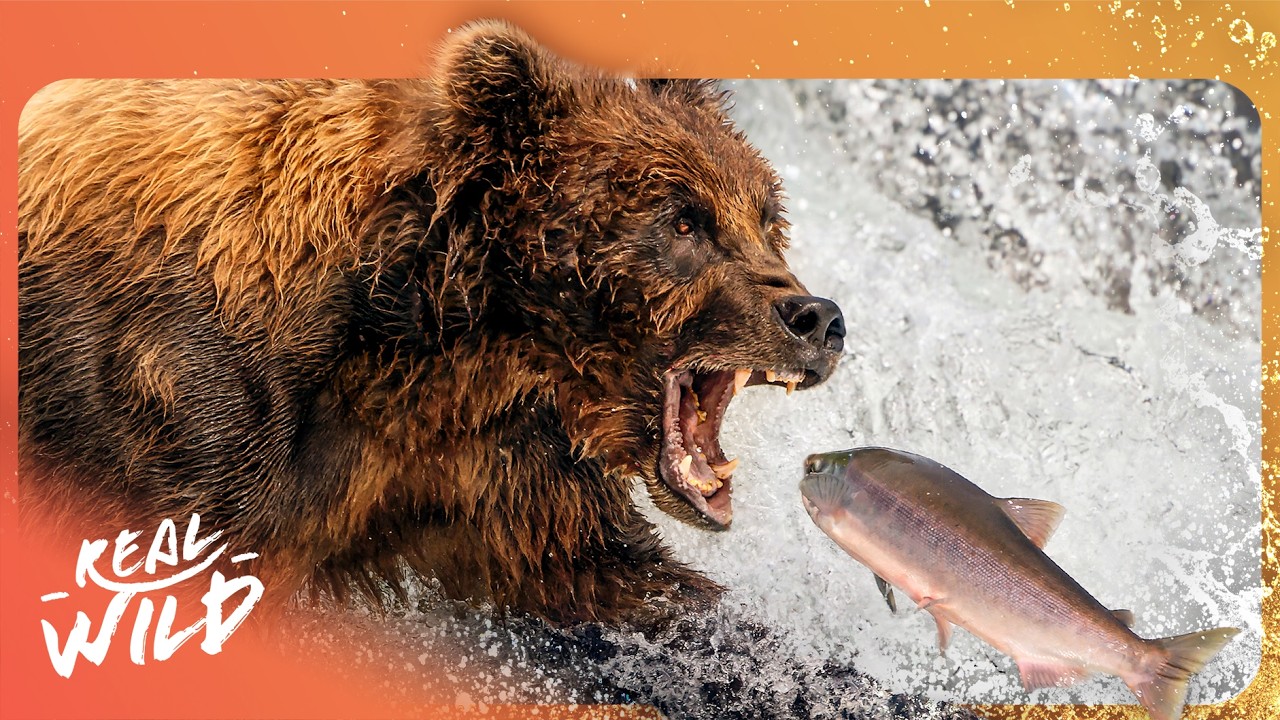
In British Columbia's Great Bear Rainforest, over 100,000 salmon return to spawn each autumn, attracting apex predators like bears that consume vast quantities to prepare for winter.
Moose are increasingly appearing in urban areas of Poland, adapting to human environments and expanding their range into the Berlin region since their protection in 1995.
Lake Constance faces a wildlife crisis as conservationists, led by ornithologist Peter Berthold, implement ambitious projects to restore bird populations and ecosystems.
Fire has played a crucial role in human evolution, influencing social interactions, technological advancements, and cultural practices throughout history.
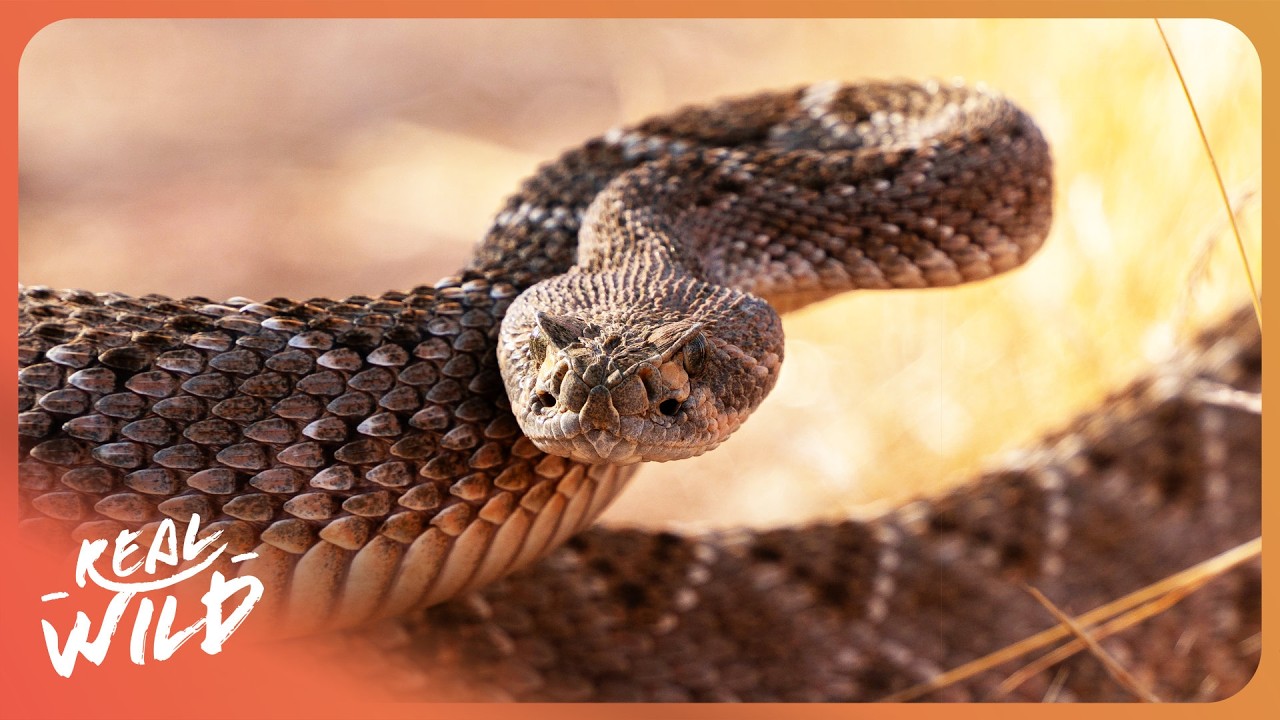
In the deserts of the American Southwest, a female Western Diamondback rattlesnake uses heat-sensing pits to hunt prey while navigating threats from predators.
In the context of the illegal wildlife trade, conservation experts like Dr. Jane Goodall examine the connections between crime cartels, child soldiers, and corrupt officials.
Atlantic puffins in Iceland face declining populations due to hunting and environmental challenges, prompting local conservation teams to rescue stranded chicks.
Microbiologist Jennifer Gardy examines the scientific significance of feces, revealing its potential insights into health, environmental monitoring, and sustainable technology.
Wrangel Island, a UNESCO World Heritage Site in the Russian Arctic, hosts a unique ecosystem with around 400 female polar bears and numerous endemic species, now threatened by climate change.
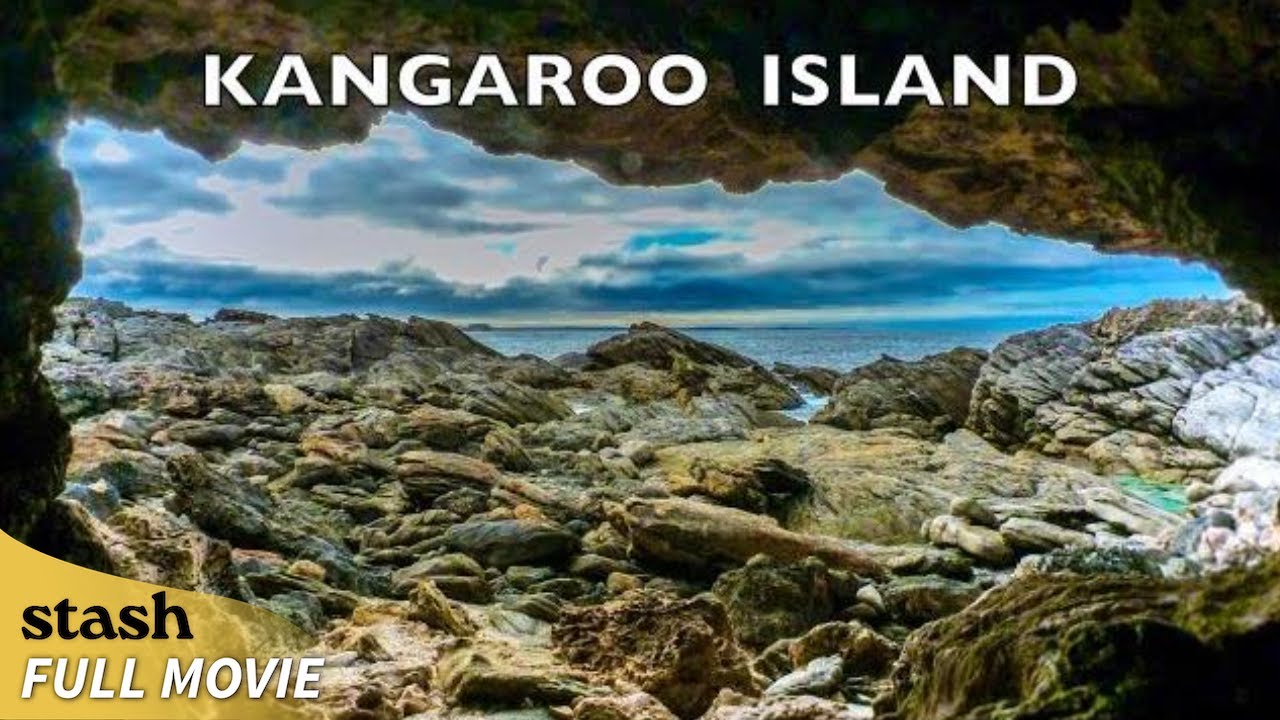
Kangaroo Island, an Australian destination known for its pristine beaches and diverse wildlife, showcases extraordinary landscapes through stunning photography and narration.
Sir David Attenborough celebrates his 100th birthday in 2026, reflecting on his influential career in natural history broadcasting and conservation efforts.
In Matobo National Park, Zimbabwean conservation efforts focus on dehorning white rhinos to protect them from poaching and ensure their survival.
In the humid lowlands of Cameroon and the misty peaks of Uganda, the survival of the last 800 mountain gorillas and other wildlife is explored in their natural habitats.
In Yellowstone National Park, a mother river otter navigates the challenges of winter survival while raising her pups amidst threats from coyotes and other predators.
In the wild, newborn animals from elephants to tiny predators face universal challenges as their parents strive to ensure their survival and independence.
Lake Lugano, straddling the border of Switzerland and Italy, showcases a unique ecosystem where ancient traditions of fishing and winemaking coexist with diverse wildlife and geological history.
In the rugged mountains of Nevada, a partnership between hunters and biologists is expanding the range of Bighorn sheep through innovative conservation efforts.
In the frozen Baltic Sea and Scandinavian forests, young animals like gray seal pups and goldeneyed ducklings face deadly predators and harsh climates.
In Kenya's western Mara, hippos and crocodiles interact in the Mara River, showcasing their social dynamics and survival strategies in a vital ecosystem.
In the frozen heartlands of South Dakota, Ivan Carter and a team of biologists use helicopter-mounted net guns to capture white-tailed deer for population management.
Billy, an Asian elephant at the Los Angeles Zoo, faces emotional and physical suffering, prompting advocates to push for his relocation to a sanctuary.
Jane Goodall's pioneering research on wild chimpanzees in Gombe Stream National Park reshaped primate studies and sparked global conservation initiatives.
Climbing has surged in popularity across Europe, particularly in national parks like the Franconian Jura in Bavaria, raising concerns among conservationists.
In the Luangwa Valley and Serengeti, hippos and Nile crocodiles navigate fierce competition and survival strategies in Africa's most perilous river ecosystems.
In the Okefenokee Swamp, ancient alligators thrive in a unique ecosystem shaped by fire and water, showcasing the intricate balance of this black water habitat.
In the wild, the jaw serves as a critical weapon for predators like lions, crocodiles, and sharks, showcasing their evolutionary adaptations for survival.
Australia and New Zealand's unique wildlife, including Tuatara, Dingo pups, and Humpback whale calves, face survival challenges in their isolated environments.
In the Austrian Alps, a family of Alpine Marmots navigates threats from Golden Eagles and cunning foxes while defending their burrow from intruders.
In South Africa, Ben Fogle examines the escalating conflict between armed security forces and illegal poachers targeting the endangered white and black rhinoceros.
In Asia's diverse habitats, young Amur Leopard cubs, Bengal Tiger cubs, and other species learn survival skills while facing the challenges of the wild.
In the Namib Desert, a bat-eared fox named Fanta showcases the resilience of smaller wildlife and the efforts to protect them amid environmental challenges.
An 84-pound blue catfish is caught in Texas, illustrating the techniques and passion of professional fishing guide Captain Eddie Brochin.
In the Kalahari Desert, unique wildlife adaptations enable survival in one of the harshest environments on Earth, as narrated by Pal Aron and directed by Peter Lamberti.
In the Great Bear Rainforest, 800-pound grizzly bears compete for salmon along the riverbanks, showcasing their hunting skills in a thriving ecosystem.
In the Namib Desert, unique adaptations enable species like fog-drinking beetles and desert-adapted elephants to survive extreme temperatures and scarce resources.
Sudan, the last male white rhinoceros in the world, faces extinction as he spends his final days at the Ol Pejeta Conservancy in Kenya.
Three black rhinos remain in the Serengeti today, a stark contrast to their once abundant population in 1937 when they were considered a pest.
In the United Kingdom, the newest generation of wildlife, including Grey Seal pups and young Kestrels, navigates the challenges of survival in diverse habitats.
Bernhard Grzimek's conservation efforts in the Serengeti highlight the conflict between wildlife preservation and the rights of the indigenous Maasai people.
Shark populations have declined by more than 90% globally due to overfishing, but the Bahamas has outlawed all forms of commercial shark fishing since 2011.
In northern Manitoba, a mother polar bear teaches her cub survival skills amid extreme temperatures and threats from starving adult males.
In Antarctica, the newest generation of polar inhabitants faces extreme temperatures and relentless winds as they adapt to one of the planet's harshest environments.
In Katmai National Park, Alaska, rare blue-tinted glacier bears and elusive white ghost bears inhabit a landscape dominated by brown bears.
In the Swiss Alps and Russian birch forests, young wildlife face the challenges of survival as they transition from playful youngsters to dominant predators.
In Suriname, conservationist Monique Pool works to rehabilitate Kesha, a two-fingered sloth, amid the threats of illegal wildlife trafficking and habitat loss.