From over 100,000 films, discover the handful you'll love.
Free or premium access to the world's largest documentary library.
4759 films(Page 61 of 100)
Male peacocks gather during mating season to compete in a glamor Olympics for mates.
Kevin Richardson's bond with Vieyatsi, a lion he raised, illustrates the complexities of trust and respect in human-animal interactions within wildlife care.
In Cuba, mangroves create a unique ecosystem where ocean and fresh water mix, supporting diverse marine life and stabilizing coastal environments.
Early humans migrated from Africa, adapting to diverse environments and competing against other species as they spread across the globe.
Wrasse perform cleaning for manta rays in David Attenborough's Great Barrier Reef series.
Gentoo penguins lay two eggs, with the second serving as a backup in case the first is stolen, while facing threats from skuas and seals.
Marine iguanas expel excess salt through their nostrils after underwater feasting.
One million of the estimated eight million species on Earth are at risk of extinction, with populations of mammals, birds, and fish declining by 68% on average since 1970.
Maria Garcia, a Maya healer, fights to protect sacred lands in Belize that are threatened by drought, fires, and struggles for land rights.
Scientists test mechanical jaws modeled after Acrocanthosaurus on a Borealopelta replica.
Dolphins evolved from land-dwelling ancestors, adapting to diverse marine environments over millions of years, as explored through their evolutionary history.
Juan Rodriguez cares for giant pandas Bei Bei, Bao Bao, and Tian Tian at the Smithsonian.
More harpy eagles have been bred by head veterinarian Vonderlei and his team than anywhere else in the world.
Kenton Kerns discusses his work with golden lion tamarins at the Smithsonian and in Brazil.
Ramiro Matos reflects on the Inca Road and his Quechua heritage in Loen.
Ted Schultz highlights Brazil's unique ant diversity and the significance of international collaboration in scientific research.
Francisco Dallmeier highlights sustainable development in South America and conservation efforts.
Milton García captures between 1,200 and 1,300 images from a fixed-wing drone flying at 290 meters above Barro Colorado to create an ortho mosaic of the island.
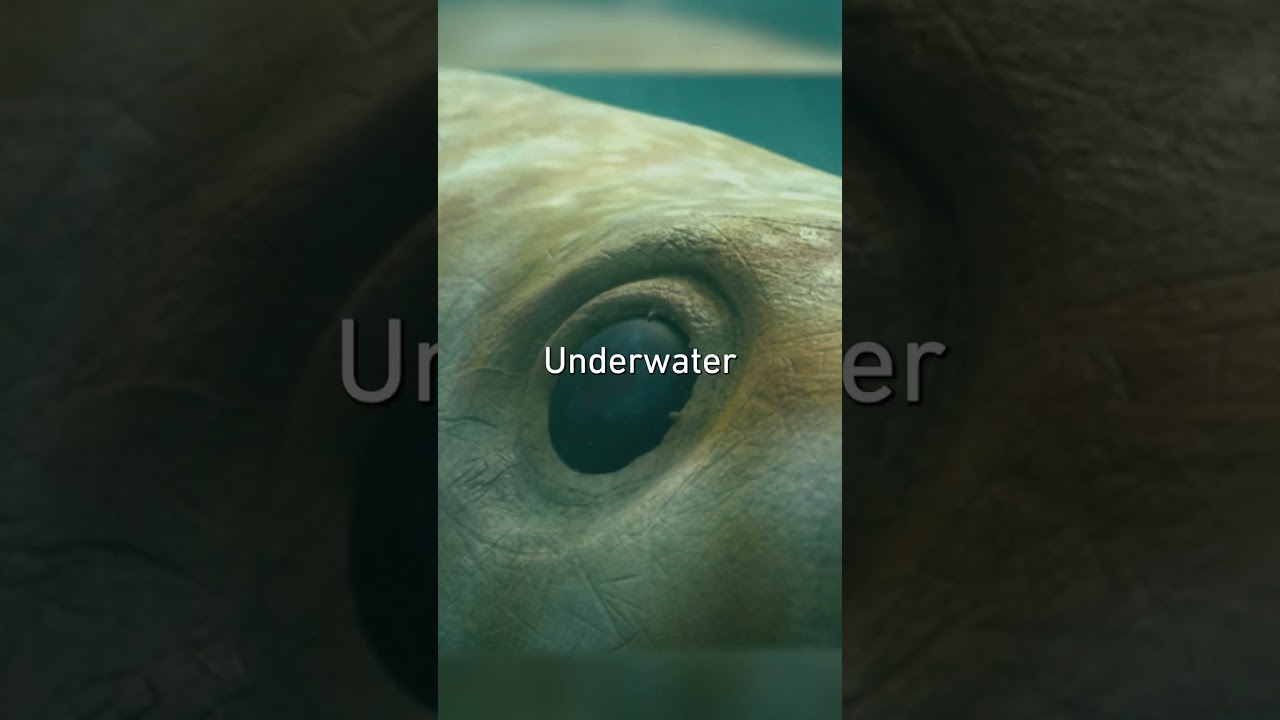
Manatees, often seen at marinas in Miami, are known for their gentle nature and interactions with humans, including memorable moments of bonding between mothers and calves.
Larry, after facing personal tragedy, finds solace and a sense of belonging among the pigeons of Washington Square Park in New York City.
David de Santana leads a project on electric fish at the Smithsonian's National Museum of Natural History.
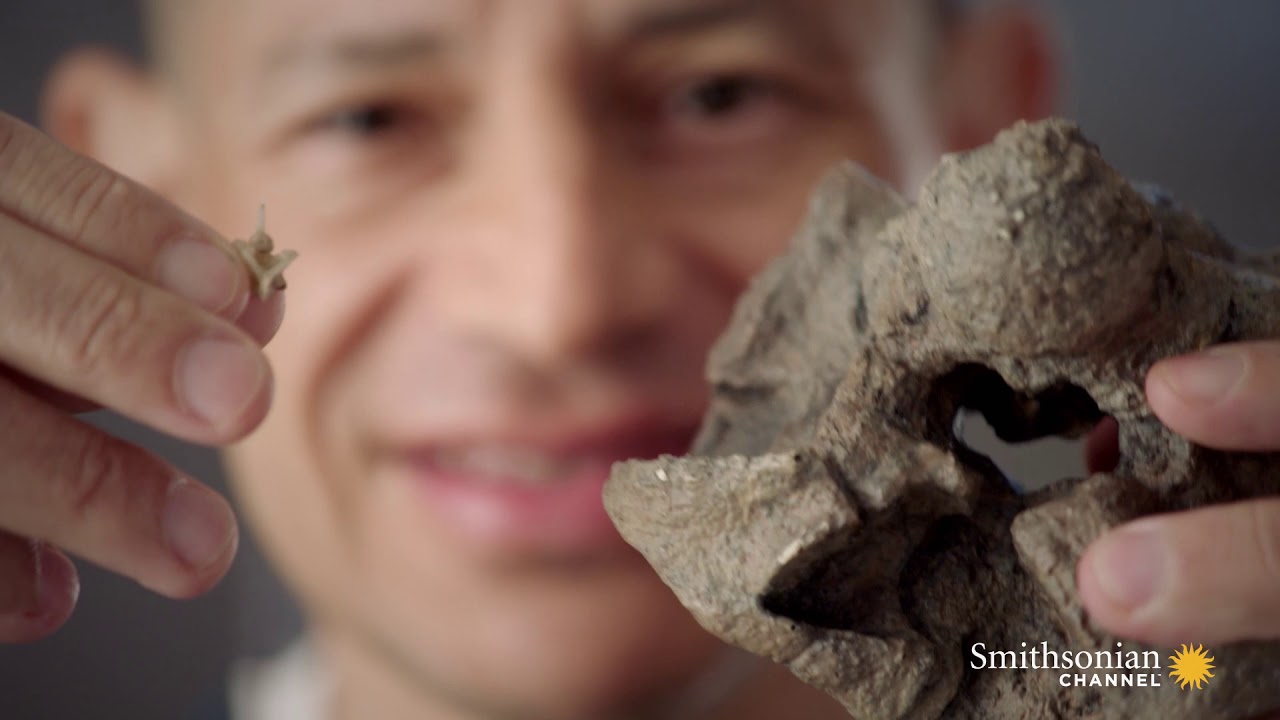
Carlos Jaramillo discusses paleontology and discoveries in Ellis Hitler's coal mines.
Two parasites in fish, crabs, and shrimp can lead to deficiencies in physical, mental, and reproductive development, impacting future generations' health.
The babirusa pigs of Sulawesi showcase unique traits due to their isolation from the mainland.
Albert Uy gathers data about native flycatchers in the Solomon Islands with local guides.
Caitlin O'Connell has studied elephant communication for 20 years, interpreting their vocalizations and interactions at the Mushara watering hole.
Meet Zeze and Perrine at the Tchimpounga Chimpanzee Rehabilitation Center in Congo.
Megapode birds lay eggs composed of 70% yolk on ash-covered islands, using volcanic heat as a natural incubator while facing new predators.
Britt manages her menstruation while foraging for Buffalo Thorn berries and leaves to support her partner Sara during their survival challenge in the African bush.
Microraptors and pterosaurs illustrate the evolution of flight in vertebrates, highlighting insects as the first flying species and their significance in prehistoric ecosystems.
Every year, about a thousand cranes arrive at the lagoon of Villafáfila in Spain, highlighting their migratory patterns and the significance of this stopover.
The Tsaatan in Mongolia rely on reindeer for survival and face harsh living conditions.
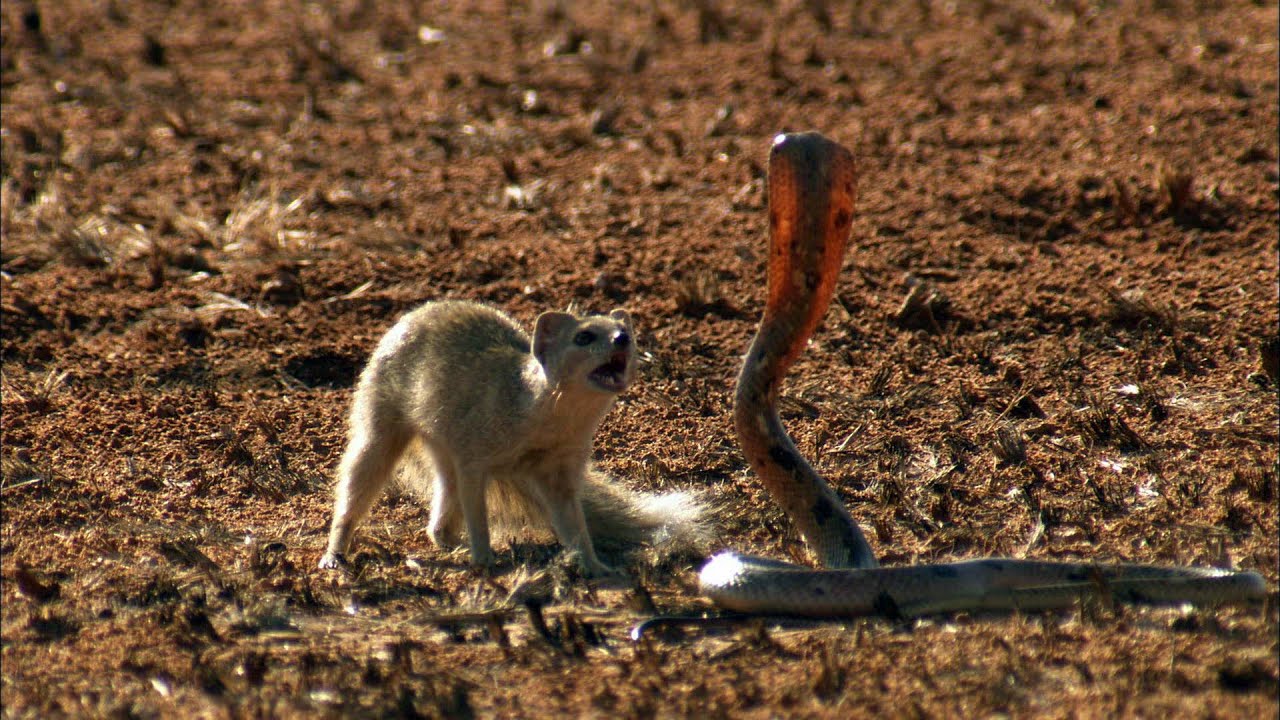
A female squirrel faces a deadly cobra strike, prompting a yellow mongoose to step in as the two engage in a tense battle for survival.
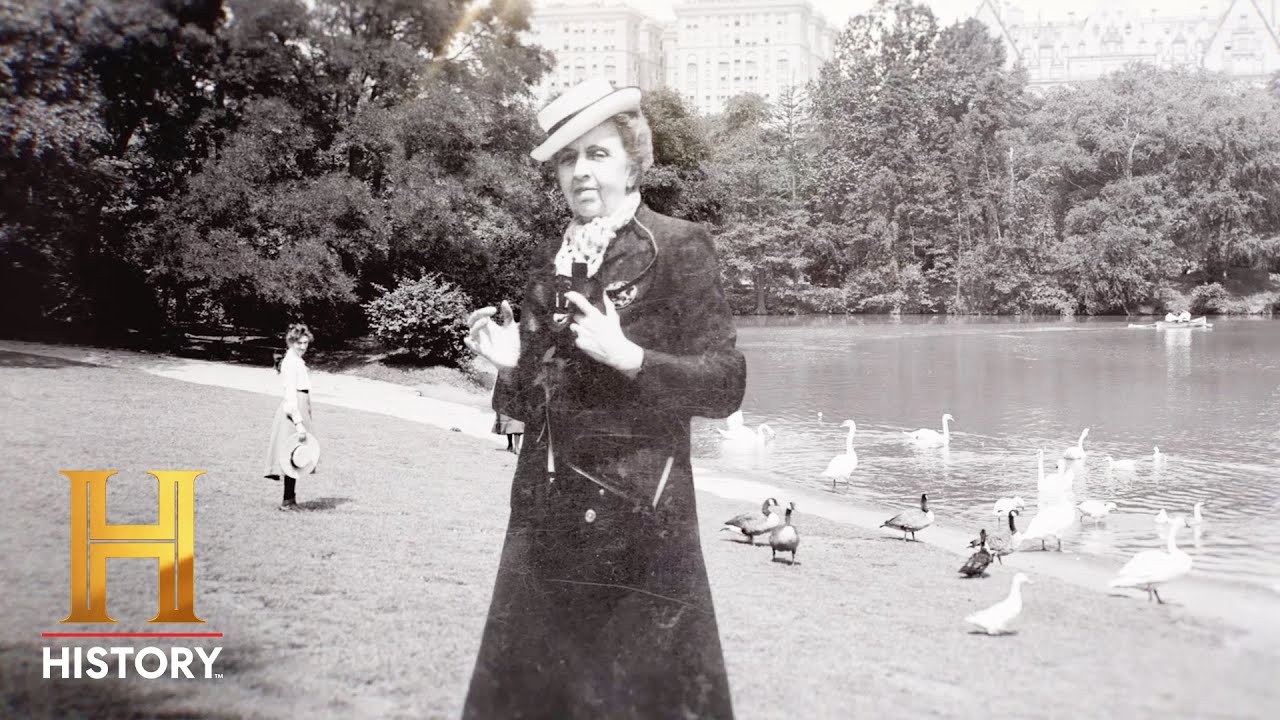
Rosalie Edge reforms the Audubon Society and establishes Hawk Mountain in Pennsylvania for bird conservation.
Polar bear cubs in the Arctic face a survival rate of only 1 in 50 by their first birthday.
The mudskipper thrives on land, feeding and courting in mangroves in 'Land of Dragons.'
World-class scientists, photographers, and filmmakers showcase the wonders of wildlife, ancient civilizations, and hidden worlds through National Geographic's lens.
In the second half of the 19th century, the buffalo herds that Plains Indians depended on for food, clothing, and spiritual connection faced near extinction.
In a former volcanic landscape, vibrant ecosystems emerge as life flourishes, attracting visitors and showcasing nature's resilience and beauty.
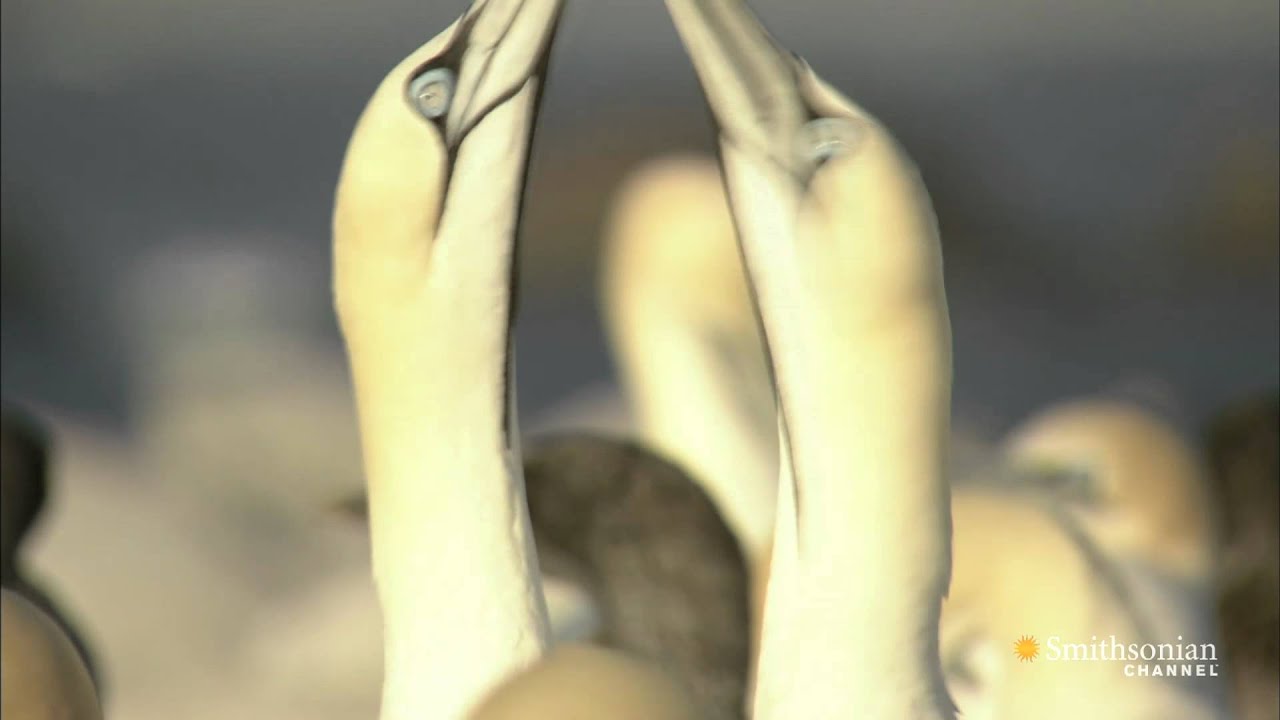
Cape Gannets dive at high speeds to hunt sardines and return to their nests each year.
Insects such as butterflies, bees, and spiders play vital roles in ecosystems through pollination and decomposition, highlighting the need for their conservation.
Clownfish larvae hatch from their eggs at night, revealing their unique development process through specialized infrared footage in the Great Barrier Reef.
New World monkeys and Old World monkeys exhibit distinct differences in behavior, physical traits, and habitats across various regions.
The Lord of the Rings trilogy is filmed across over 70 stunning locations in New Zealand.
Half of packaged products contain palm oil, driving deforestation in Indonesia and Malaysia.
In the Scottish Highlands, local legends and scientific investigations converge to explore the enduring mystery of the Loch Ness Monster.
A Sumatran rhinoceros weighs about 1,700 pounds and requires four square miles of jungle space to survive in its natural habitat.
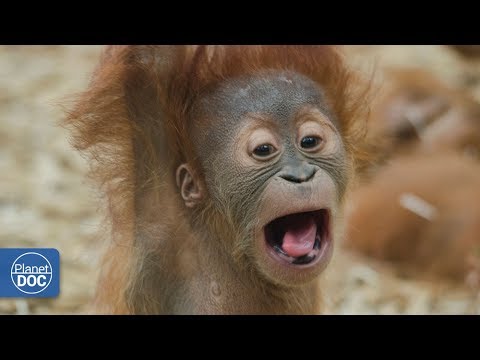
Orangutans can weigh up to 90 kilos and use a movement technique called brachiation to swing gracefully from branch to branch in the jungle.