From over 100,000 films, discover the handful you'll love.
Free or premium access to the world's largest documentary library.
4759 films(Page 77 of 100)
Justin Schmidt has been stung by insects at least 1,000 times to study the pain levels of various stinging species.
Oud, a highly valued ingredient in perfumery, raises concerns about environmental sustainability and the implications of its trade on endangered species.
Australia's isolation from the continental landmass millions of years ago allowed marsupials and monotremes to thrive, leading to its unique wildlife today.
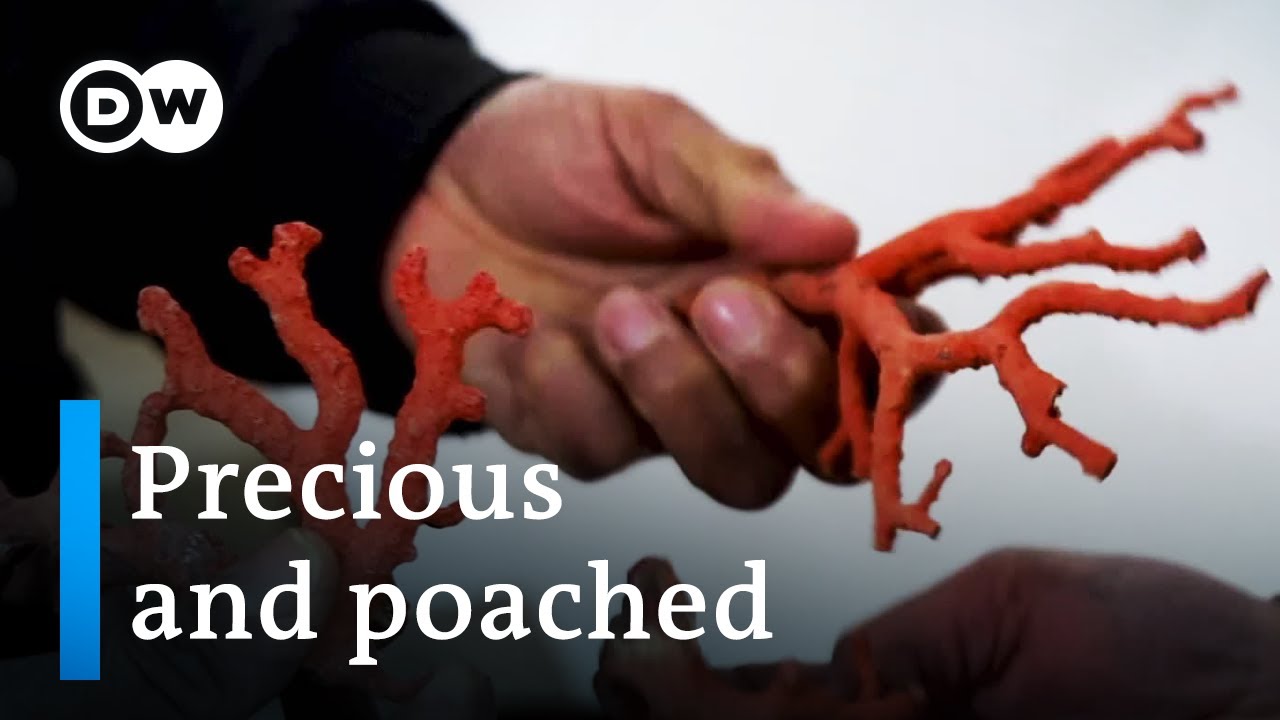
A recent study found that several million euros worth of red coral is sold illegally every year, often via southern Italy.
Ji Wook-cheol advocates for restoring Korea's seagrass forests after personal tragedy.
Jane Goodall discusses her experiences with chimps and the difference science makes in understanding them.
In Brazil's Nordeste region, jangadeiros navigate the sea on jangadas, small wooden rafts, showcasing their fishing skills and cultural heritage through competitive regattas.
Java Island's unique evolution is highlighted in this documentary about its isolation and biodiversity.
A litter of 10 to 25 baby sharks is born during the search for the rare Japanese angel shark in Japan's oceans.
In Namibia, photographers Frans Lanting and Christine Eckstrom explore the region's unique wildlife and striking desert landscapes.
Photographer Joel Sartore captures images of endangered species, including whooping cranes and wolves, highlighting their plight before potential extinction.
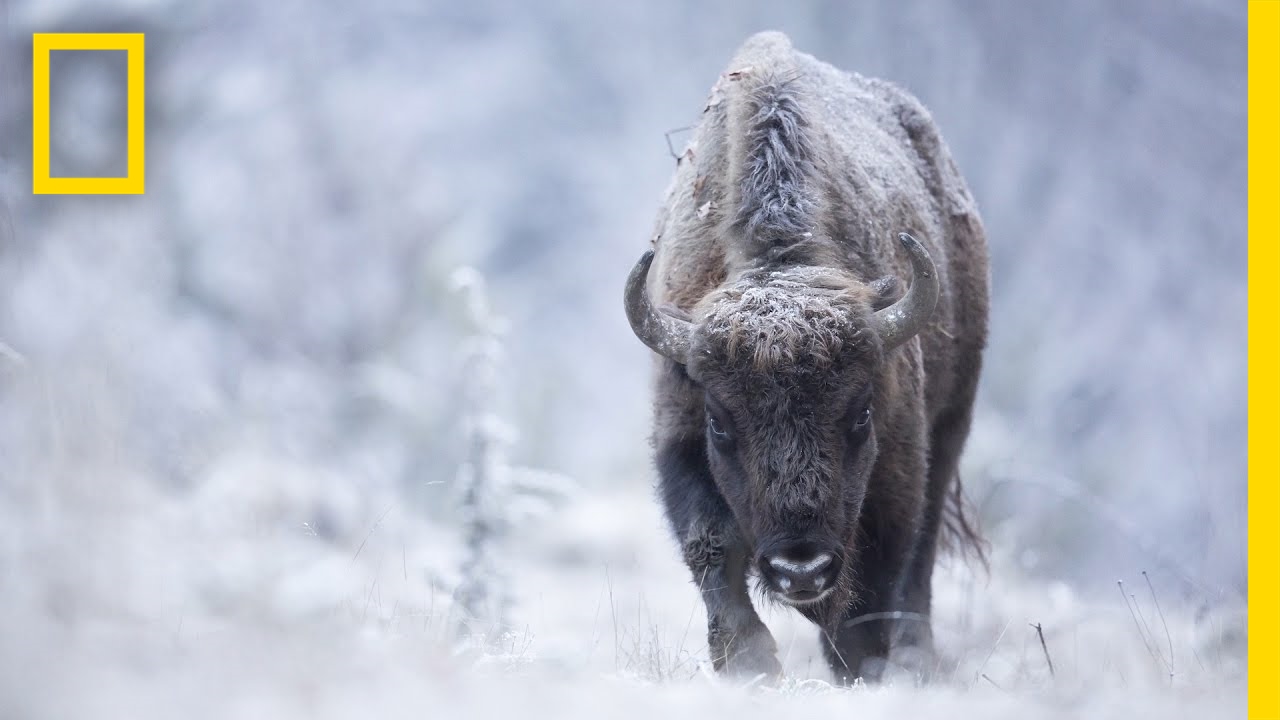
Belgian wildlife photographer Michel d'Oultremont captures the elusive wild bison of Romania, emphasizing the patience required for the perfect shot.
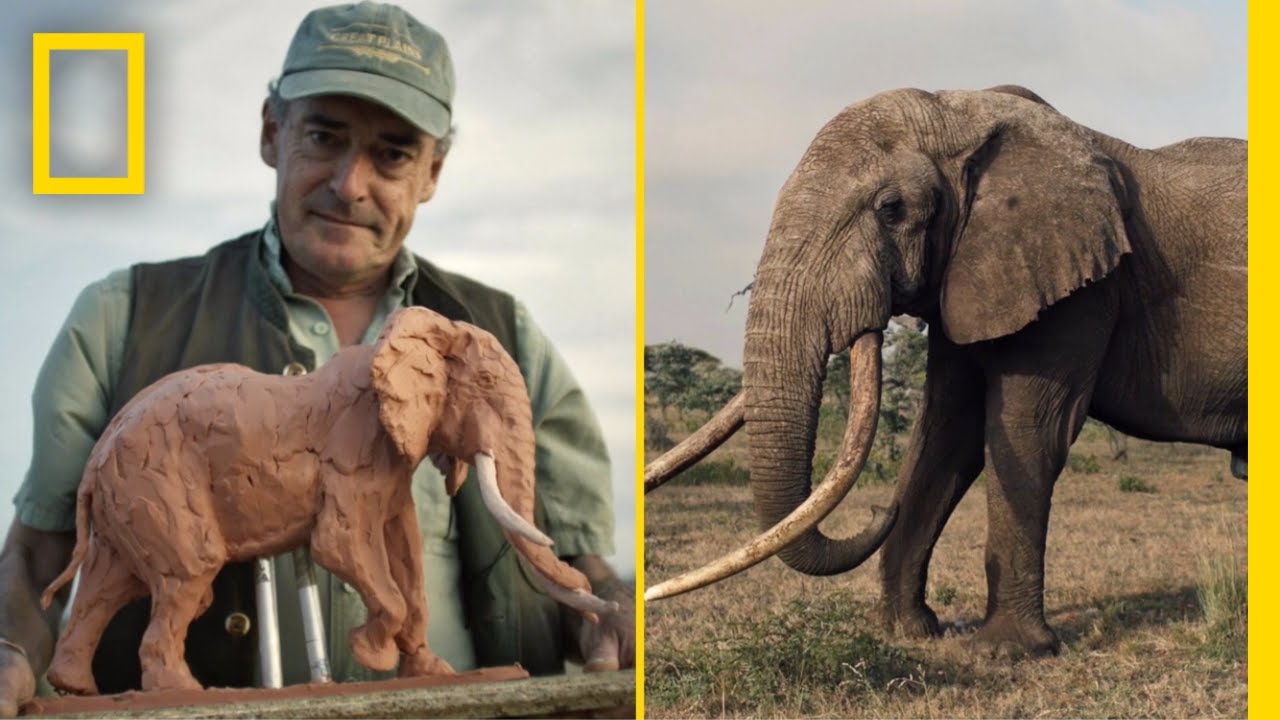
A single elephant tusk can weigh up to 80 kilos and is valued at 800,000 US dollars, more than gold.
Jorge, the last of his species on the Galapagos Islands, lives a life marked by isolation after all others have died.
Josh Jespersen advocates for public lands and environmental stewardship in Colorado, addressing climate change and the bark beetle crisis with organizations like Western Resource Advocates.
Stanley Tucci travels through Italy, highlighting the culture and cuisine of Rome, Tuscany, Alpe di Siusi, and the Trabocchi Coast.
Around four million bats leave the Volcan de las Murcielagos each evening, playing a vital role in pest control and pollination in Mexico's ecosystems.
Joyce Poole utilizes citizen science and Web technology to advance elephant conservation efforts through her work with ElephantVoices.
Juliana Machado Ferreira addresses the illegal wildlife trade in Brazil, where poachers remove 38 million animals annually, through science, politics, and education.
In the forests of Cameroon, Baka Pygmies construct traditional 'mongulu' shelters using techniques and materials passed down through generations.
Over half of the original forests on Earth have been destroyed, with 45% of rainforests now classified as wasteland.
Twenty-five new Kakapo chicks have increased the global population to 86, as conservationist Allan Munn seeks a mate for the legendary Richard Henry.
600 kilos of yams are harvested by a Kanak man, symbolizing a deep connection to the land and ancestral traditions in New Caledonia.
Josephine Brennan Kuss rescues injured kangaroos in Coober Pedy, South Australia.
979 meters is the height of Angel Falls in Venezuela, the site of an attempt to break the world record for kayaking down the highest waterfall.
Two young men prepare to attack a nest of aggressive wasps, a ritual that also serves to strengthen community bonds among the Kayapos.
Half a million birds from over 350 species rely on the 29-square-kilometer Keoladeo Ghana National Park as a vital stop during migration.
Keoladeo Ghana National Park is a vital bird sanctuary near Delhi and Agra's Taj Majal.
Only 400 to 500 pairs of Siberian cranes remain in the world, with just two or three visiting Keoladeo Ghana National Park each year.
In Grand Caillou/Dulac, Louisiana, Chief Shirell leads her tribe as they face the impending threat of climate displacement while honoring their ancestral legacy.
In February, sea lions face killer whales during their second visit to the peninsula for food.
A mother killer whale has one chance to save her calf by reaching water less than 60 feet deep to escape an attack from other orcas.
Four in ten adults in Swaziland are infected with HIV, impacting wildlife conservation efforts as staff members fall ill and struggle to maintain operations.
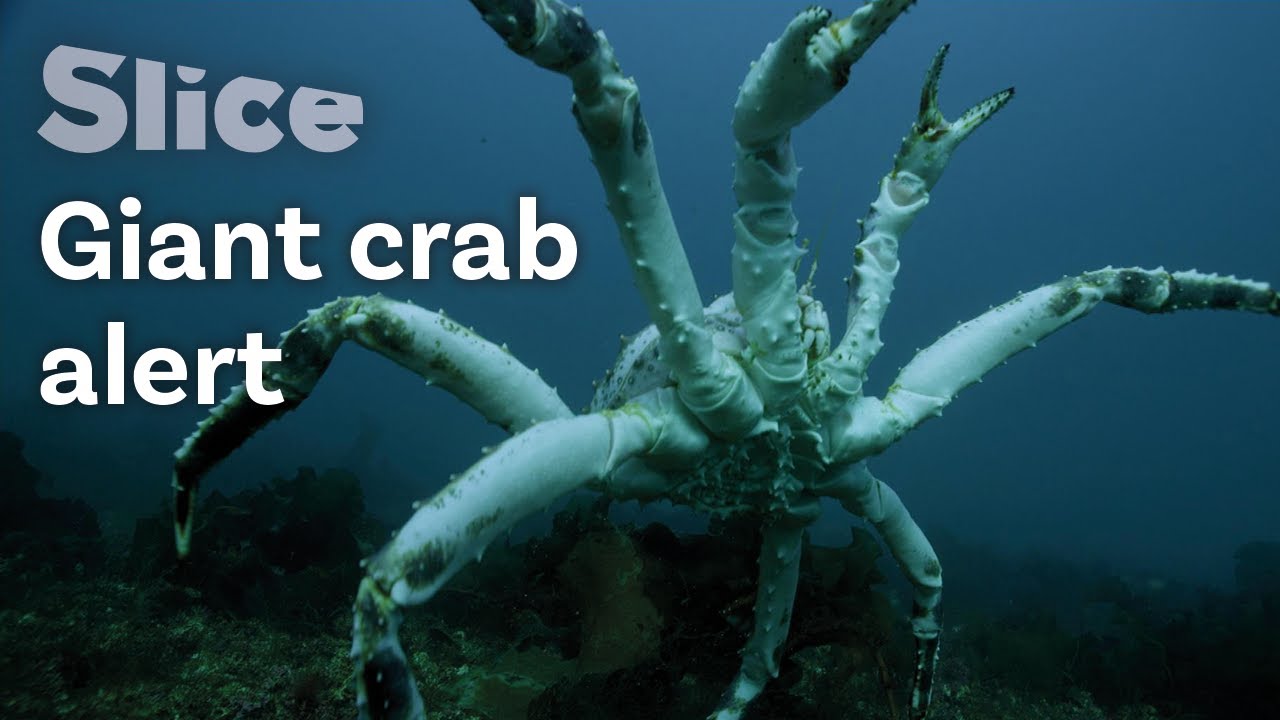
King crabs in the Porsanger Fjord consume an estimated two prey items per day, significantly disrupting the local marine ecosystem.
Two orphaned kittens, three to three-and-a-half weeks old, are bottle-fed by Hannah Shaw, a professional animal rescuer and humane educator.
Komodo dragons, the largest living lizards, utilize their keen sense of smell and unique hunting methods to thrive in their natural habitat.
400,000 hectares of tropical forest make up La Amistad International Park, a shared area between Panama and Costa Rica that promotes peace and protects biodiversity.
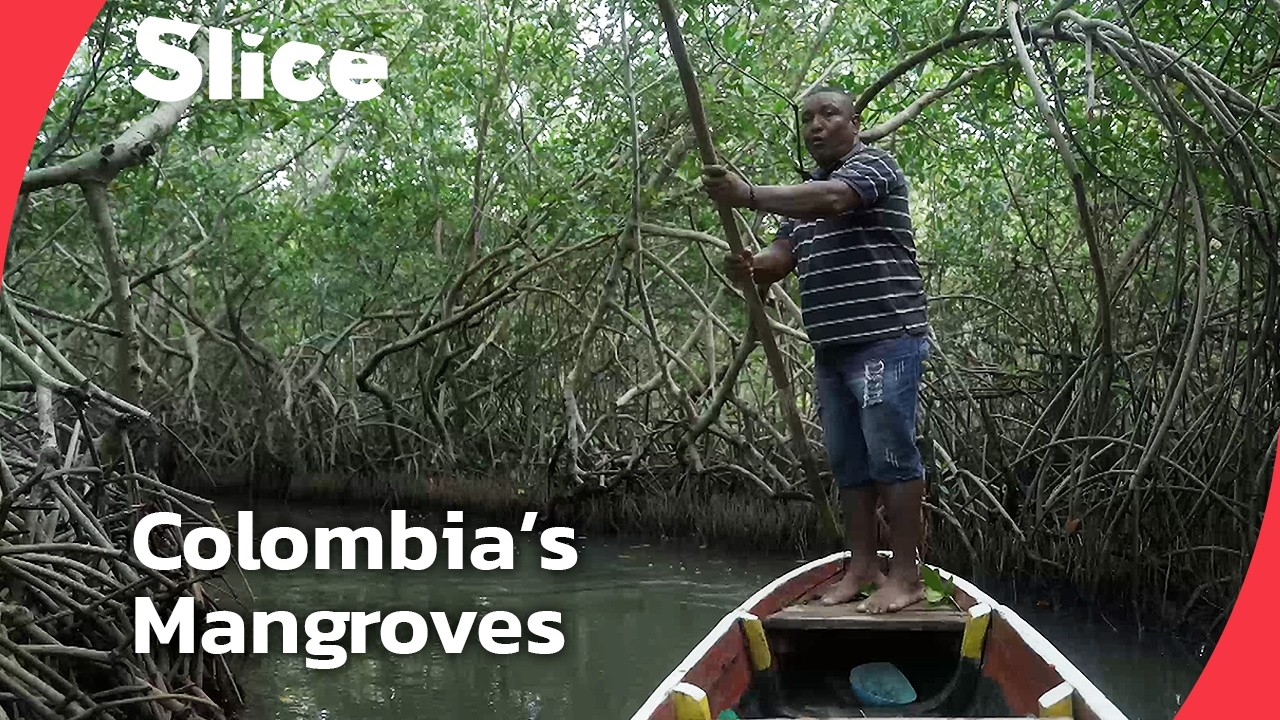
La Boquilla, a Colombian village, thrives on the resources of its mangrove swamp.
Lake Baikal is large enough to supply fresh water for half a century and hosts many seals.
Lake Baikal, at 637 meters deep and 636 kilometers long, contains nearly 20% of the world's fresh water and is home to unique animal and plant life.
Lake Manyara National Park in Tanzania features a unique ecosystem shaped by geological processes, showcasing diverse wildlife and the lake's historical significance.
Lake Manyara National Park in Tanzania features a diverse array of wildlife supported by ecosystems formed around the lake, which originated from the Rift Valley's development.
Lake Manyara National Park in Tanzania features a diverse array of wildlife and ecosystems shaped by the lake's formation from the Rift Valley millions of years ago.
California's State Parks showcase the work of the Civilian Conservation Corps in maintaining and developing natural landscapes across Redwood, Humboldt, and Cuyamaca Ranch State Parks.
Barrier islands in Louisiana are eroding at rates of up to 60 feet per year, threatening the stability of the coastal ecosystem and communities.