From over 100,000 films, discover the handful you'll love.
Free or premium access to the world's largest documentary library.
4759 films(Page 40 of 100)
In the American West, wild horses find refuge at Return to Freedom, while Chimp Haven in Louisiana and Thailand's Elephant Nature Park provide care for rescued animals.
Little Monsters showcases the Slow Loris and conservation efforts at Monkey World and Dao Tien.
Gibbons, primates that share over 98% of human genes, face extinction in Borneo, Sumatra, and Bangladesh due to illegal logging and the palm oil trade.
The Congo River, the deepest river on Earth, is home to unique species like the Shoebill and African Lungfish, showcasing a remarkable ecosystem.
Craig Potton explores the Rangitata River in New Zealand, emphasizing the local Māori people's history and their deep connection to the landscape.
Lions attempt to steal a leopard's kill in a tree, while servals, tigers, cheetahs, and mongooses engage in various dramatic wildlife encounters.
Rattlesnakes, stonefish, scorpions, blue ringed octopuses, Sydney funnel web spiders, Gila monsters, and fire ants exemplify the world's most toxic predators and their lethal adaptations.
The return of wolves to Idaho, Montana, and Wyoming has sparked ecological changes and innovative livestock protection strategies among local ranchers.
The Hunte River, a hidden gem in northwest Germany, supports diverse wildlife and unique landscapes, as documented by filmmakers Svenja and Ralph Schieke.
In the jungles of the Congo and the peaks of Japan, primates like silverback gorillas, baboons, and macaques showcase their adaptability and intelligence amid human threats.
In Matusadona National Park, a local lion pride is tracked as they hunt and take down a 14-foot Nile Crocodile along the shores of Lake Kariba.
In the Australian desert, apex predators like dingoes and desert raptors exhibit extreme adaptations for survival in harsh conditions.
High on the Tibetan plateau, wildlife photographer Vincent Munier and novelist Sylvain Tesson search for the elusive snow leopard in remote valleys.
Gonarezhou National Park in Zimbabwe hosts nearly 12,000 elephants and showcases the diverse wildlife of southern Africa, including buffalo herds and monitor lizards.
Polar bears in Hudson Bay face increasing challenges for survival as climate change delays sea ice formation, threatening their population and habitat.
In 2002, Michael and Betty Scheibler purchased 320 acres in Emo, Ontario, where they formed bonds with nearly 60 bears and various other wildlife.
More than 4.5 million visitors come to Yellowstone each year, putting pressure on its ecosystems and prompting scientists to study the area's wildlife.
In Kenya's Maasai Mara, Brittany Bristow and ranger Bruce Hedges observe elephant herds with young calves learning to use their trunks and interacting with baboons.
Botswana's Okavango Delta, home to the largest elephant population on Earth, was recently designated as UNESCO's 1,000th World Heritage Site.
Elephants are viewed as competitors for land in Africa, where habitat loss and poaching threaten their survival and could lead to extinction within 50 years.
In extreme environments from the Arctic to the Amazon, animals like meerkats and mountain goats exhibit remarkable survival strategies that showcase nature's resilience.
In South Africa's KwaZulu-Natal region at the Pinda Reserve, zebras are studied for their unique behaviors and the various challenges they encounter in the wild.
At 18, Mike Coots lost his leg to a tiger shark, which led him to become an advocate for shark conservation and understanding.
A male common frog clasps a female for three days until she lays her eggs, illustrating the cycle of life in the Oostvaardersplassen ecosystem.
In eastern Botswana, the Swapong Hills serve as a sanctuary for diverse wildlife, including black eagles and Cape vultures, protected by local tribal traditions.
Only 60 wild whooping cranes remain today, a stark increase from just 18 counted in 1937 at the Aransas National Wildlife Refuge in Texas.
In Texas, a population of African Black Rhinos and Asian Axis Deer highlights the complex consequences of introducing exotic species, leading to ecological and economic challenges.
In the Jerte Valley of southwest Spain, two million cherry trees bloom annually, supporting diverse wildlife including Iberian mountain goats and Potoka wild horses.
Wild animal attacks, such as a chimpanzee breakout in West Africa and a Siberian tiger incident at a charity dinner, highlight the dangers of captivity failures.
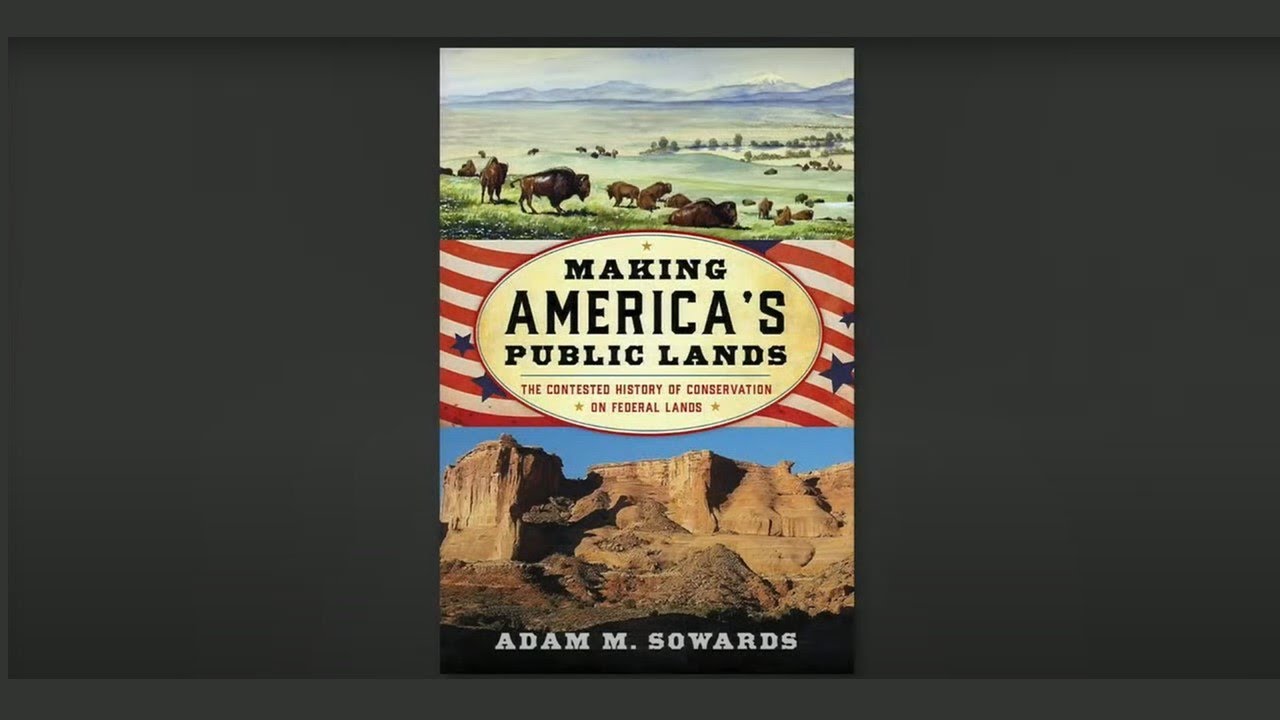
Over 640 million acres of federal land in the United States are managed by four key agencies, shaping the economy and national identity.
In South Africa's Kruger National Park and Alaska, wildlife interactions reveal the fierce territorial battles among elephants, grizzly bears, lions, orcas, and crocodiles.
Lyell Glacier in Yosemite National Park is featured in silent footage from school field trips and glacier surveys conducted between 1941 and 1949.
Ten-year-old Tess learns to steer her mother's fishing boat, the Henry Bay, while facing her fear of rough seas off Vancouver Island.
Golden Eagles, apex predators of the European wilderness, navigate harsh winters and intense breeding seasons while influencing their ecosystem from mountain heights to forest floors.
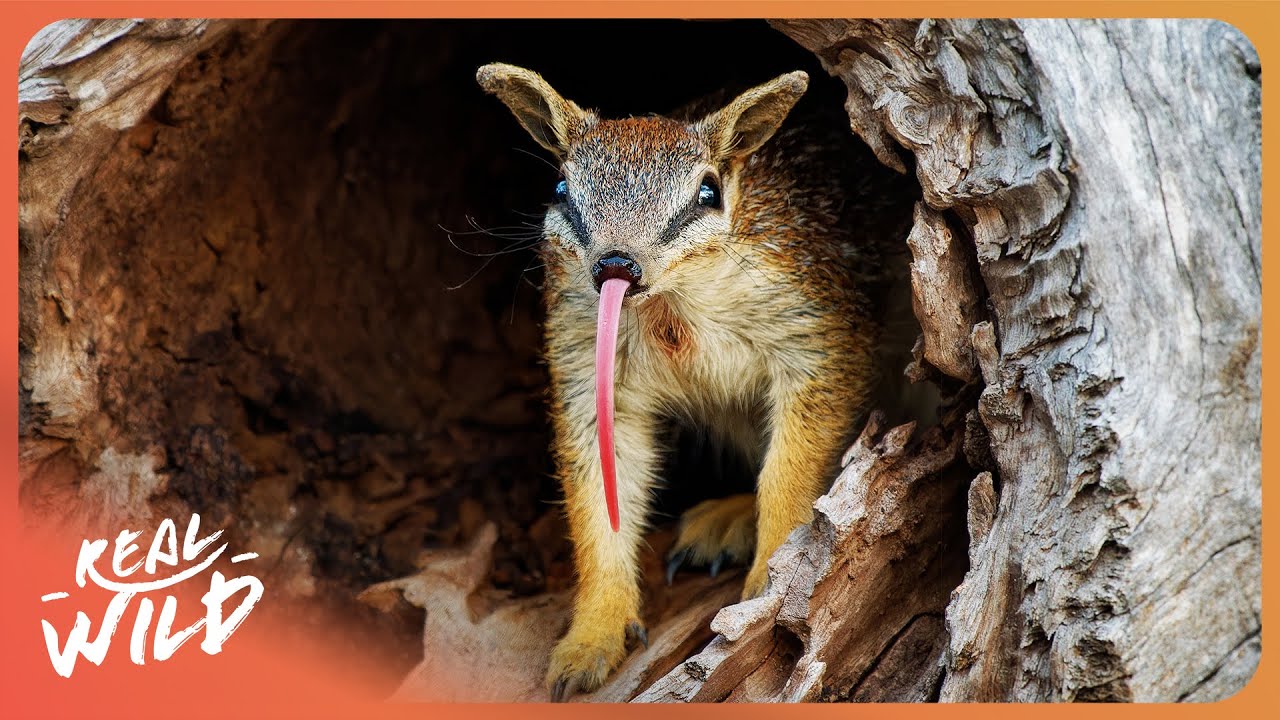
Carnivorous marsupials like numbats, quolls, and dibblers in Australia face extinction due to invasive species such as feral cats and foxes, prompting urgent conservation efforts.
Humpback whales, along with monarch butterflies and snow geese, exhibit remarkable migration patterns and behaviors in their natural habitats.
In Michigan's breeding grounds, a pair of sandhill cranes exemplifies the intricate relationship between wildlife advocacy and the natural behaviors of these ancient birds.
In Morocco, the lives of the last free-roaming Barbary apes and the country's rarest reptiles are observed across diverse habitats, from the Atlas cedars to the southern desert.
In the Masai Mara, complex animal behaviors are showcased, from lion courtship to elephant maternal care, highlighting the intelligence and social dynamics of wildlife.
's Traveler Photo Contest showcases the criteria and insights from experts like Keith Bellows and Dan Westergren on what defines an award-winning photograph.
After decades of legal battles, the Stellat'en and Saik'uz Nations seek to reclaim the Nechako River in British Columbia, aiming to restore its flow and protect their way of life.
11 million kilos of meat are consumed by vultures in the Serengeti each year, illustrating their crucial role in the park's ecosystem.
Rambo, a male tiger rescued from Florida, faces numerous challenges during his transport to England, highlighting the plight of captive tigers in America.
Leopards, zebras, and African buffalo are examined for their unique behaviors, survival strategies, and conservation challenges across the Serengeti and Maasai Mara.
In the Amira Game Ranch of Zimbabwe, a 6,000lb African elephant named Enzo leads a herd of Cape buffalo, highlighting the complexities of interspecies relationships.
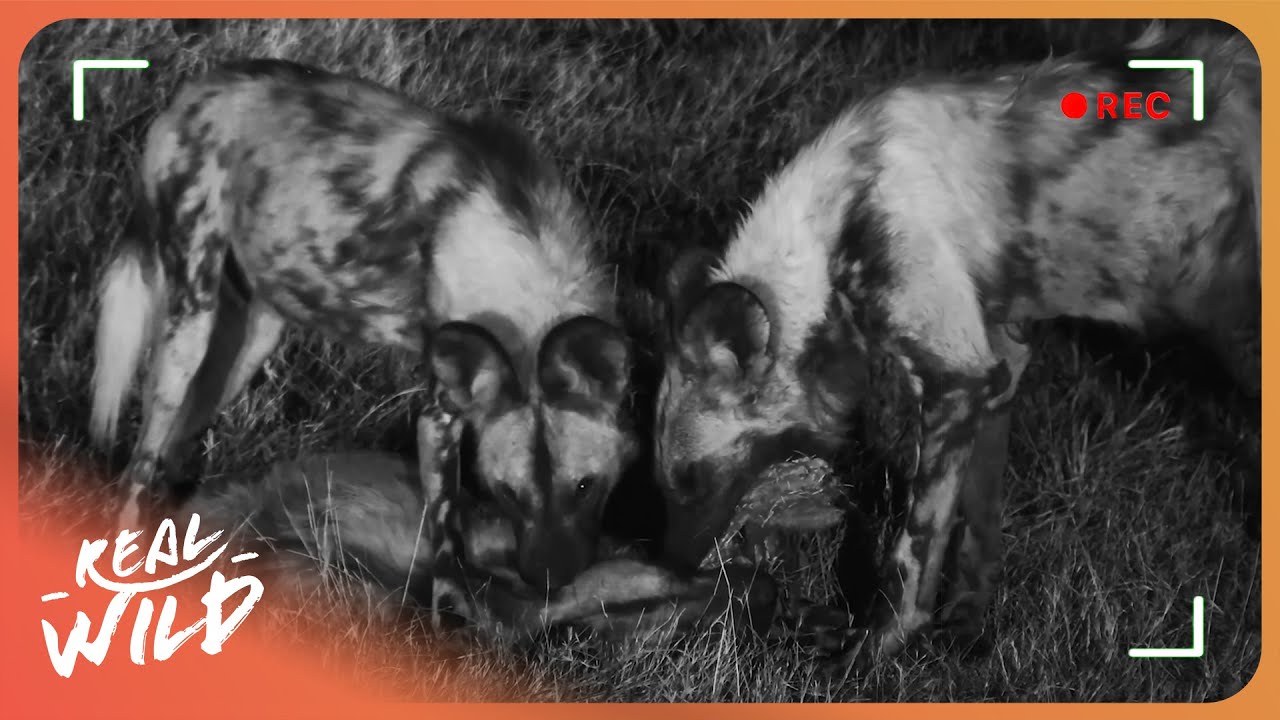
Hwange National Park in Zimbabwe showcases the dramatic interactions between predators like lions, leopards, and wild dogs as they hunt and defend their territory at night.
South Africa's Route 27 features unspoilt beaches, vibrant wildflower carpets, and encounters with humpback whales along the country's wild west coast.
In British Columbia's Great Bear Rainforest, the Gitga'at First Nation, whale researchers, and the government confront the challenges posed by the gas industry.