From over 100,000 films, discover the handful you'll love.
Free or premium access to the world's largest documentary library.
4759 films(Page 38 of 100)
Whale sharks can weigh more than 30 tons and measure longer than a city bus, yet their populations have declined sharply due to the shark fin trade.
Ten-month-old Tasmanian devil pups face fierce competition for food and survival against larger predators in their harsh Australian environment.
A 2000-km expedition to the northernmost tip of Canadian soil, 412 km from the North Pole, showcases the Arctic's beauty and challenges.
A colony of vampire bats can share food with each other, demonstrating cooperation that helps them survive in the wild.
Elephants with sensitive skin and spiders using pheromones illustrate the diverse sensory adaptations animals employ to interact with their environments.
Over 800 rhinos were lost in the Kruger National Park last year due to poaching driven by the illegal trade in rhino horn.
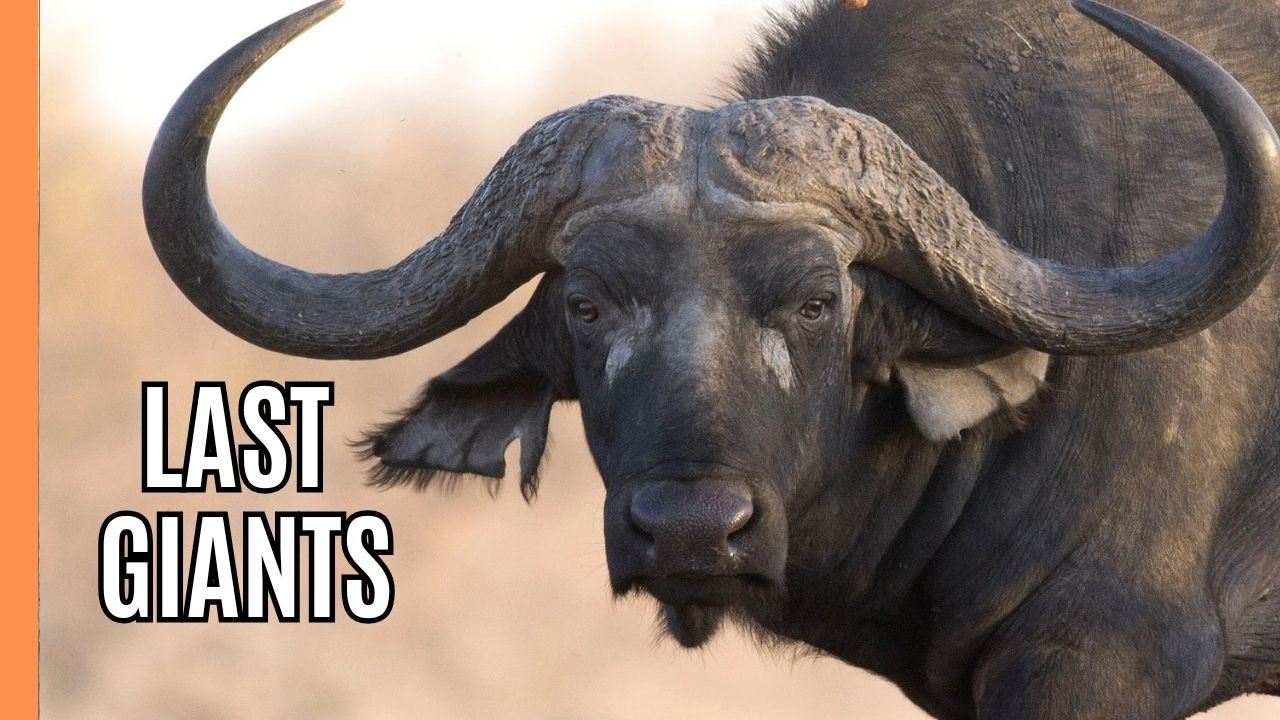
Earth's remaining megafauna, including elephants, rhinos, and hippos, face extinction as human activity threatens their survival in a rapidly changing environment.
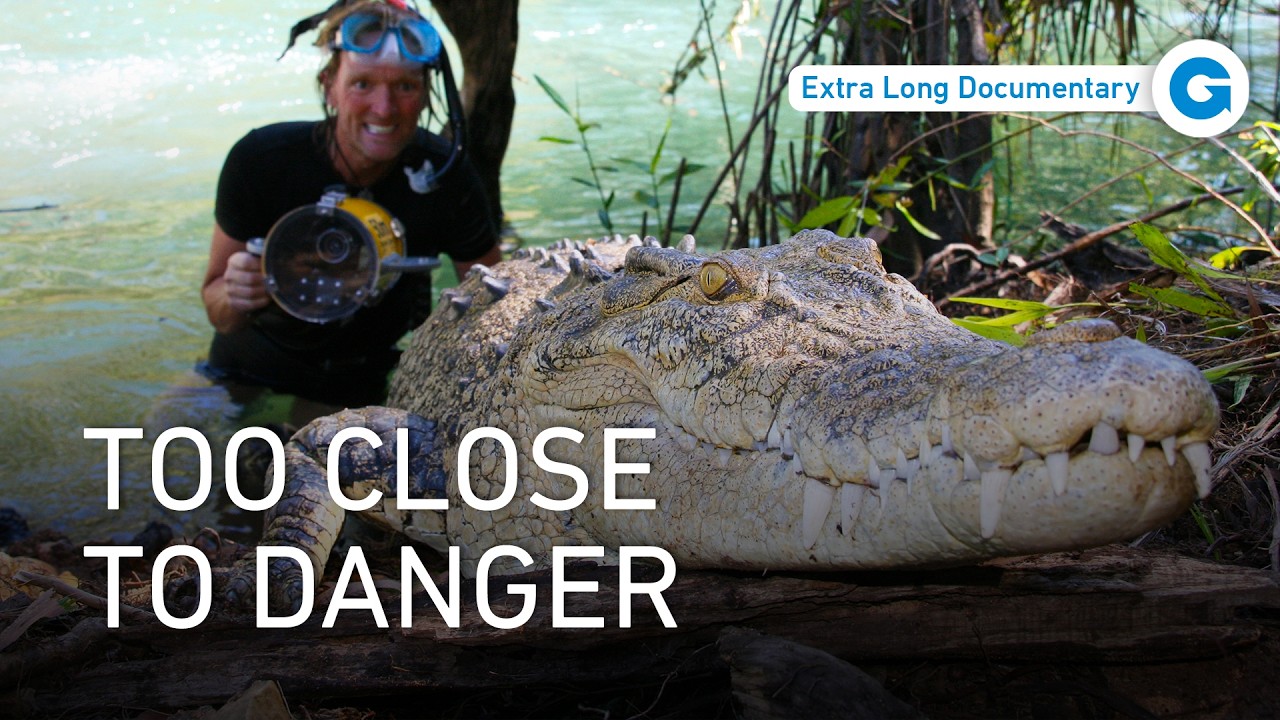
Gane Doyle Jr, raised at the WA Reptile Park in Perth, shares his experiences with Australia's apex predators while exploring exotic animal capture and sanctuary efforts.
In the African savanna, intense confrontations occur between lions, mongooses, caracals, jackals, and various other wildlife species.
Wildlife filmmaker Andreas Kieling travels to remote locations like Alaska to document rare predators and endangered species in their natural habitats.
Whale sharks can weigh more than 30 tons and are threatened by the global trade in shark fins and demand for their meat.
Martin and Osa Johnson spent four years in Kenya capturing the first close-up footage of African wildlife, including lions, in their natural habitat.
In 1928, Martin and Osa Johnson documented their four-year expedition across the Kenyan veld to track lions, showcasing groundbreaking wildlife cinematography.
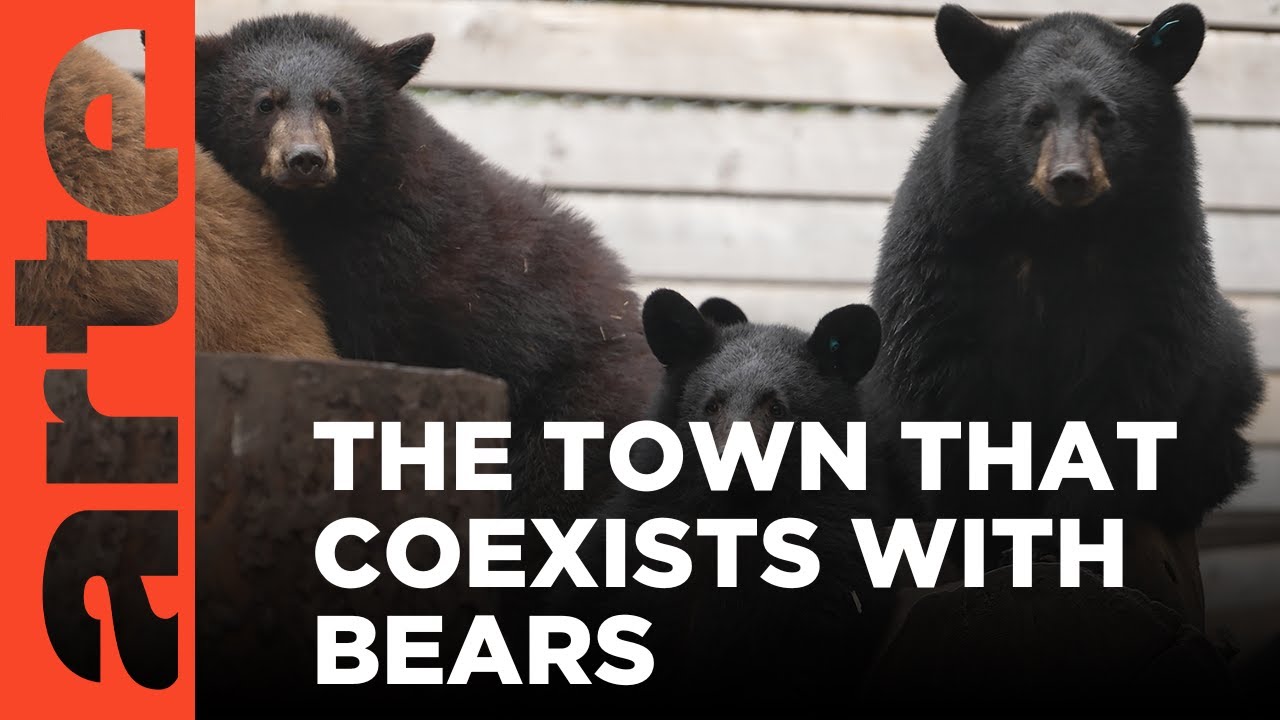
140,000 black bears inhabit British Columbia, where residents of Prince George face increasing encounters with wildlife as urban development expands.
The Pacific Ocean, which covers one third of the Earth's surface, features the Mariana Trench and showcases its diverse ecosystems and marine life.
In Zambia's wilderness, the sausage tree plays a vital role in supporting hippos, lions, leopards, and elephants as they navigate survival challenges.
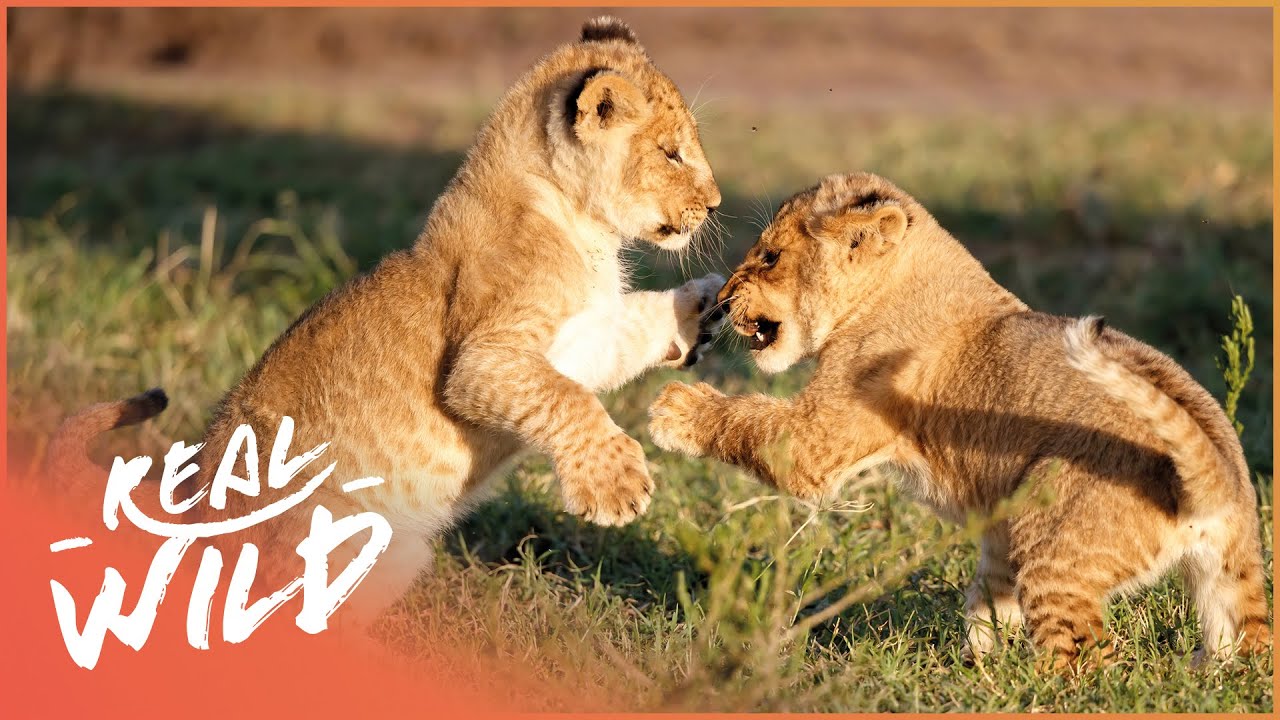
In the marshes of Africa, lion cubs engage in playful interactions with their mothers while attempting to stalk a warthog, showcasing their developing hunting skills.
In Sri Lanka's misty mountaintops, the rare purple-faced langur exemplifies unique adaptations for survival amid threats like the Indian rock python.
In Zambia's Luangwa Valley, a team led by Mark Evans conducts a rare dissection of a hippo, exploring its unique anatomy and survival strategies of rainforest creatures in Borneo.
Humanity's connection to the cosmos is explored through insights from scientists and scholars, including Brian Thomas Swimme and Mary Evelyn Tucker.
Australia is home to unique wildlife such as kangaroos, koalas, monarch butterflies, clownfish, and budgerigars, each exhibiting remarkable adaptations for survival.
Thirty-four years ago, Peter Meyer’s father envisioned a private safari to rehabilitate wildlife in a valley known as the Valley of Heaven.
A stag can weigh up to 250 kilos and is often misrepresented in folklore as a creature of evil, despite its majestic presence in the forest.
Manny Puig faces the intense challenge of capturing a larger wild boar in 90-degree heat after successfully catching a massive hog in Florida.
In Alberta, the endangered wild horses, originally domesticated, face threats from environmental limitations and their increasing population.
Over 200 billion stars populate the Milky Way, which has guided animals for hundreds of millions of years without artificial light sources.
In Katmai National Park, Alaska, an immense brown bear known as "Swap Meet Sam" navigates the challenges of survival as winter approaches and food sources dwindle.
In Serengeti, Tanzania, a lioness named Lucia and her cubs face the challenges of survival while humans contend with conflicts over livestock.
Austrian Alpine huts struggle with staff shortages as two couples take on the challenging role of hut wardens, managing essential mountain refuges.
In Churchill, known as the 'Polar Bear Capital,' journalist Michel Abdollahi examines the legalities and ethical implications of polar bear hunting.
Mart Stouffer examines the various functions of bird bills in species like pelicans, toucans, and hummingbirds, emphasizing their importance in feeding and communication.
Hyenas, often misunderstood as mere scavengers, demonstrate their hunting prowess by attempting to steal a lion's prey and chase a wildebeest giving birth.
Young predators in the animal kingdom, including lion cubs and killer whale calves, learn essential hunting skills and survival strategies from an early age.
In Greenland, polar bears coexist with traditional subsistence hunters while scientists study the impact of global pollution on Arctic ecosystems.
Hippopotamuses, responsible for more human deaths in Africa than any other animal, are explored through the tracking and survival skills of Brittany and Anga in the jungle.
Moles, capable of shifting twenty times their body weight and digging extensive tunnels, engage in fierce battles for territory while a diverse ecosystem thrives beneath the surface.
Urban foxes and resilient plant species adapt to human-altered environments, highlighting the importance of environmental protection for wildlife survival.
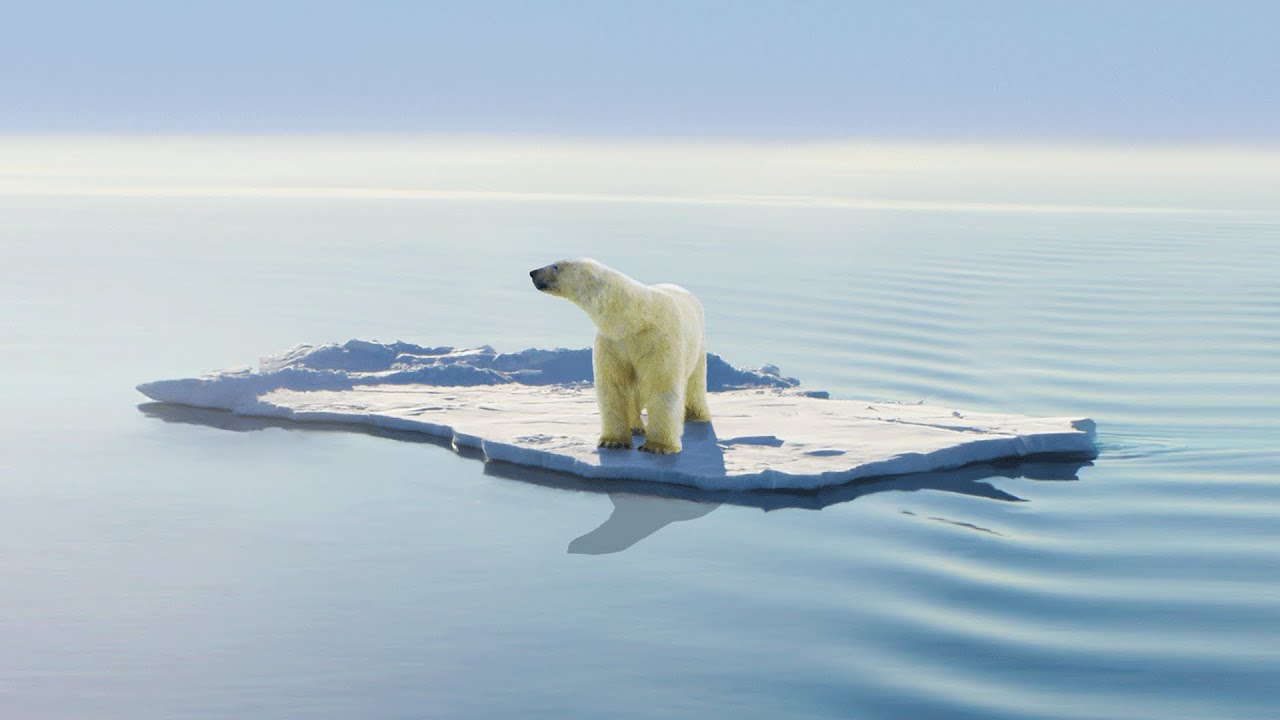
Polar bear cubs in the Arctic face challenges for survival as their habitat continues to shrink due to climate change and environmental pressures.
In Zimbabwe's Savé Valley Conservancy, the Sango Safari Lodge finances extensive anti-poaching efforts to protect critically endangered black and white rhinos.
Nearly 40,000 tourists visited the Chernobyl Exclusion Zone last year, drawn by its abandoned landscapes and the history of the nuclear disaster.
Madagascar is home to thousands of endemic species, including lemurs, which evolved in isolation for thousands of years, revealing unique evolutionary paths.
In India's Western Ghats, the Oriental Dwarf Kingfisher faces the challenges of breeding during the monsoon, battling predators and harsh conditions to raise its young.
Red foxes and death's head Hawk Moths are examined for their survival skills, migration patterns, and essential roles in ecological balance.
A chameleon's tongue extends four times faster than a jet fighter, demonstrating its unique feeding habits at Longleat.
Chiru antelopes migrate hundreds of miles to give birth, evading predators in one of the world's most extreme habitats.
Australia's wildlife, including unique species like the platypus, faces significant environmental challenges while showcasing remarkable adaptations to their habitats.
In southern Florida, the American crocodile, once on the brink of extinction, is reclaiming its territory, showcasing its survival tactics against alligators.
Brian Blessed travels through Yorkshire and Lincolnshire to observe rare species like Marsh Harriers and Grey Seals, highlighting conservation efforts in the UK.