From over 100,000 films, discover the handful you'll love.
Free or premium access to the world's largest documentary library.
4760 films(Page 52 of 100)
Current estimates put the number of nesting female green sea turtles at just a few hundred worldwide, as they face extinction from hunting and habitat loss.
The Batwa face challenges after being removed from their land for gorilla tourism.
Martin Adler reports on the Aceh Rebels after the tsunami in Indonesia's devastated Aceh.
Over the past hundred years, the number of black-owned farms in America has dropped more than 95 percent due to systemic inequalities in farm loans.
The illegal wildlife trade, fueled by demand in East Asia and operating through a complex global supply chain, threatens endangered species like rhinos in Kruger National Park.
Morgan Junction is a rugged four-hour drive south of Bougainville's capital, where the self-proclaimed King Minku operates a new banking system amid ongoing tensions.
28 EU ships are currently allowed to fish off the coast of Sao Tome and Principe, with each capable of catching 200 tons of fish a day.
Caviar can sell for upwards of $3,000 a kilo, while illegal trade may be twelve times larger than the legitimate market in Kazakhstan.
Thousands of Syrians escape to Lebanon, facing deadly conditions in refugee camps.
La Scala hosts the Aldo Kushi's rituals and economic plans in Chavez Catarina, Peru.
1 million species are at risk of extinction by 2050, prompting researchers in Shropshire to freeze horse semen and explore cloning to save endangered animals.
In September 2009, the demand for mobile phones drives the exploitation of Coltan in Congo's war zone, where armed militias force children to mine under perilous conditions.
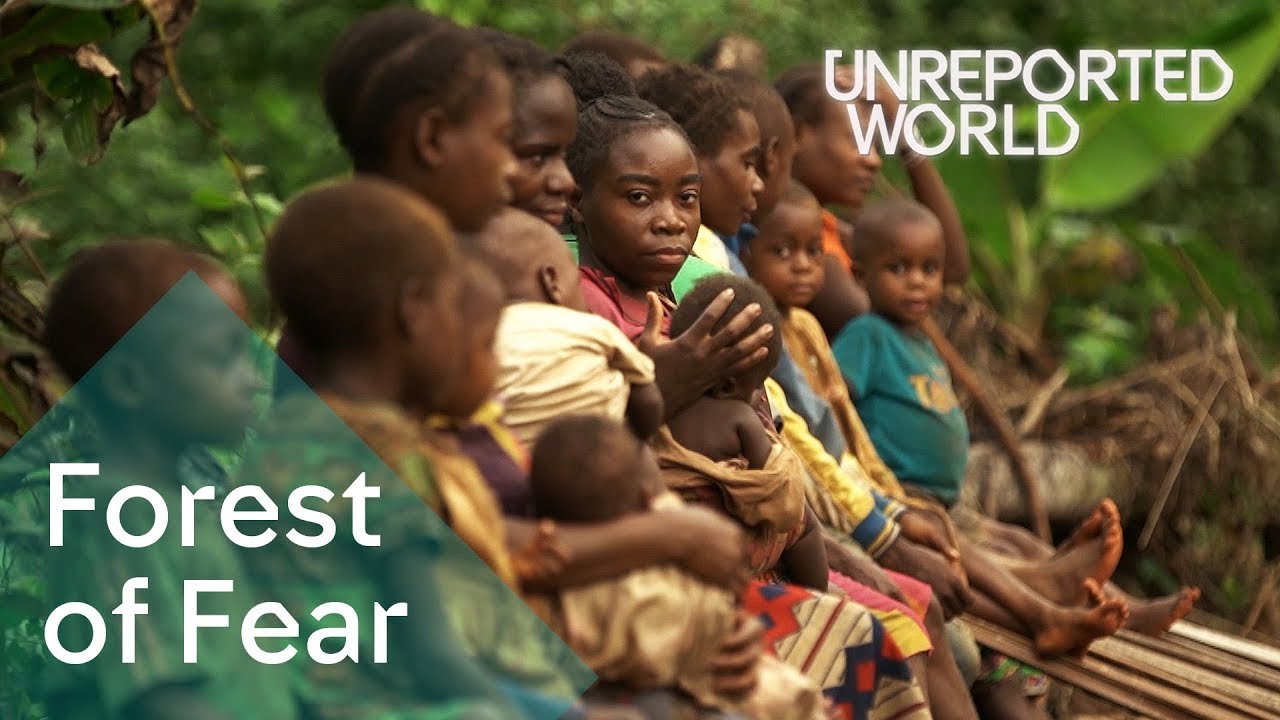
In the Congo, the Baka tribe faces threats and intimidation from park guards funded by the World Wildlife Fund as they struggle to access their traditional hunting grounds.
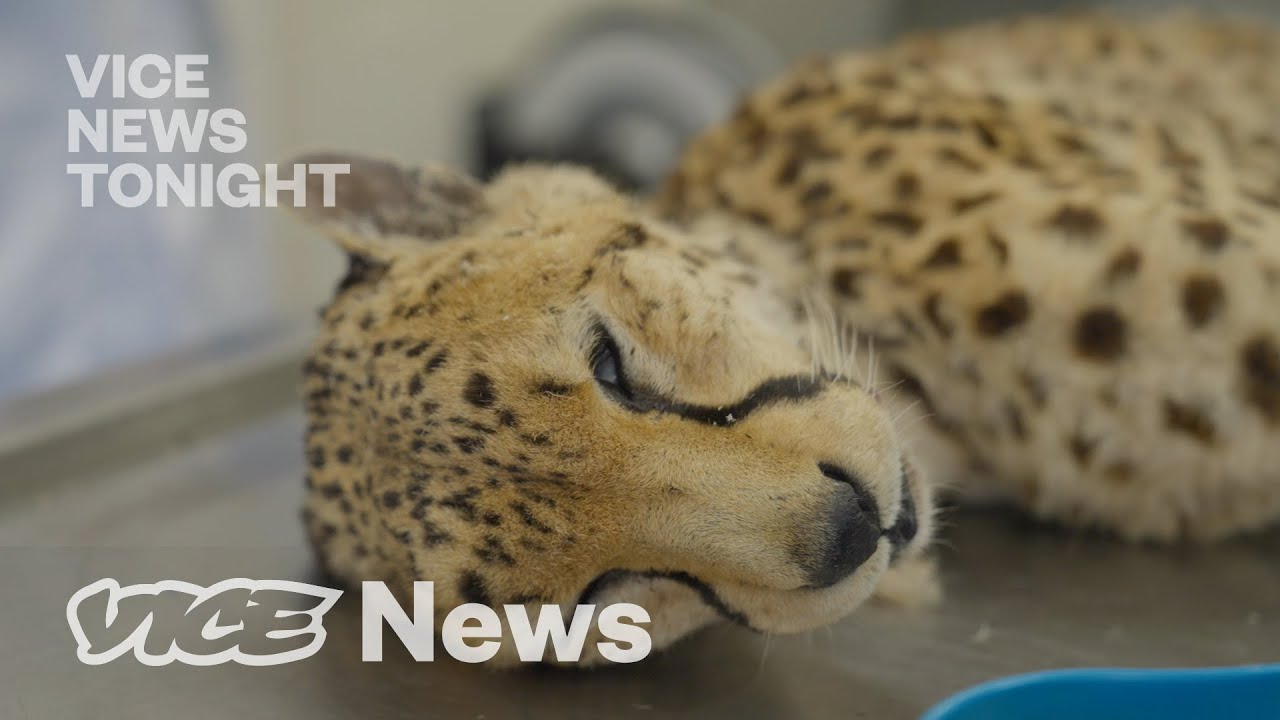
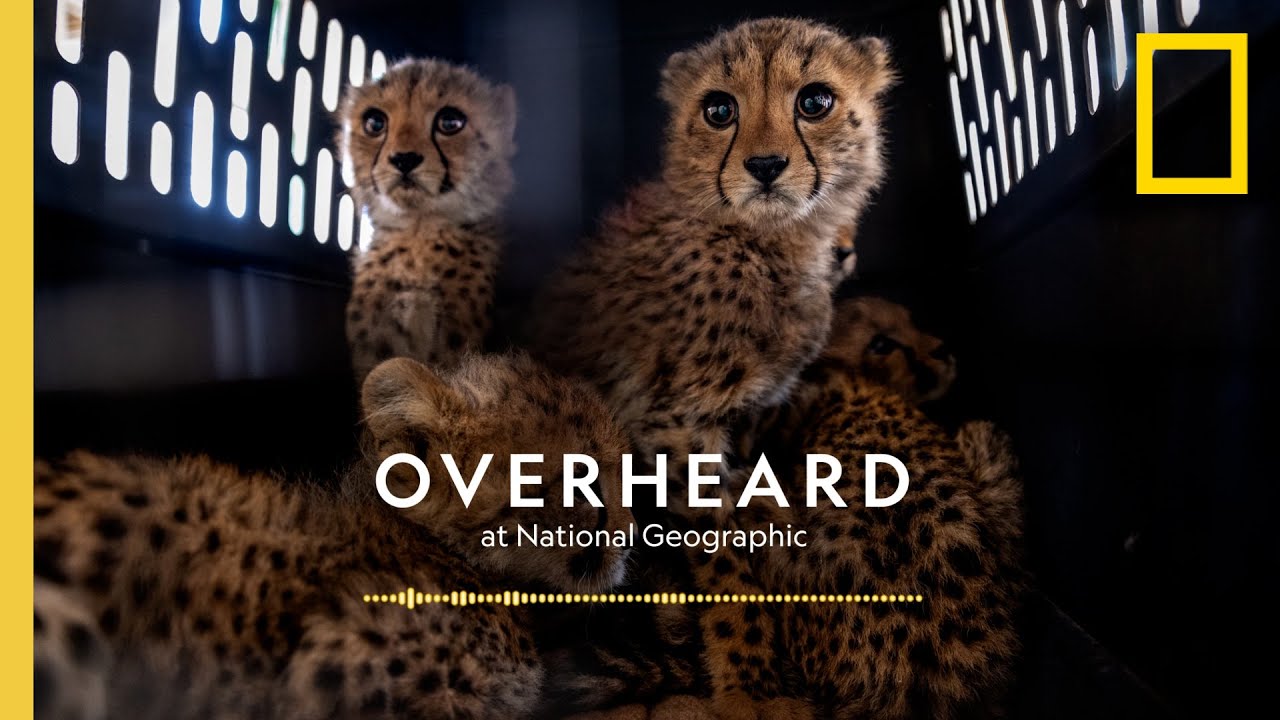
Ten cheetah cubs, taken from the wild, were presented as evidence during the trial of a notorious smuggler in Somaliland's capital, Hargeisa.
In Cameroon, the bushmeat trade threatens endangered gorillas and chimpanzees, raising concerns about potential global pandemics linked to wildlife consumption.
Coca production in the triple border region of Peru, Colombia, and Brazil increased by 73% from 2012 to 2013, raising concerns among local authorities.
Last year's fall salmon run in the Klamath River was just 12 percent of what it was eight years ago, threatening the Yurok tribe's fishing culture.
Over 1200 dead dolphins wash up on France's shores since January, raising urgent conservation concerns.
Tom Heap discusses tree planting failures in Cambridgeshire and a rewilding project in Kent.
In the Scottish Highlands, Patrick Barkham examines deer management practices, discussing their ecological impact and the importance of responsible culling for conservation.
Vegas Tenold visits Atlanta to discuss the impact of terrorism laws on activism and free speech.
Host Luke Tipple talks with shark divers about their dangerous jobs on Shark Week the Podcast.
Icelanders debate the future of whaling amid a long history and vocal opposition.
Children's lives have been affected by conflict in the Kivu region of the DRC.
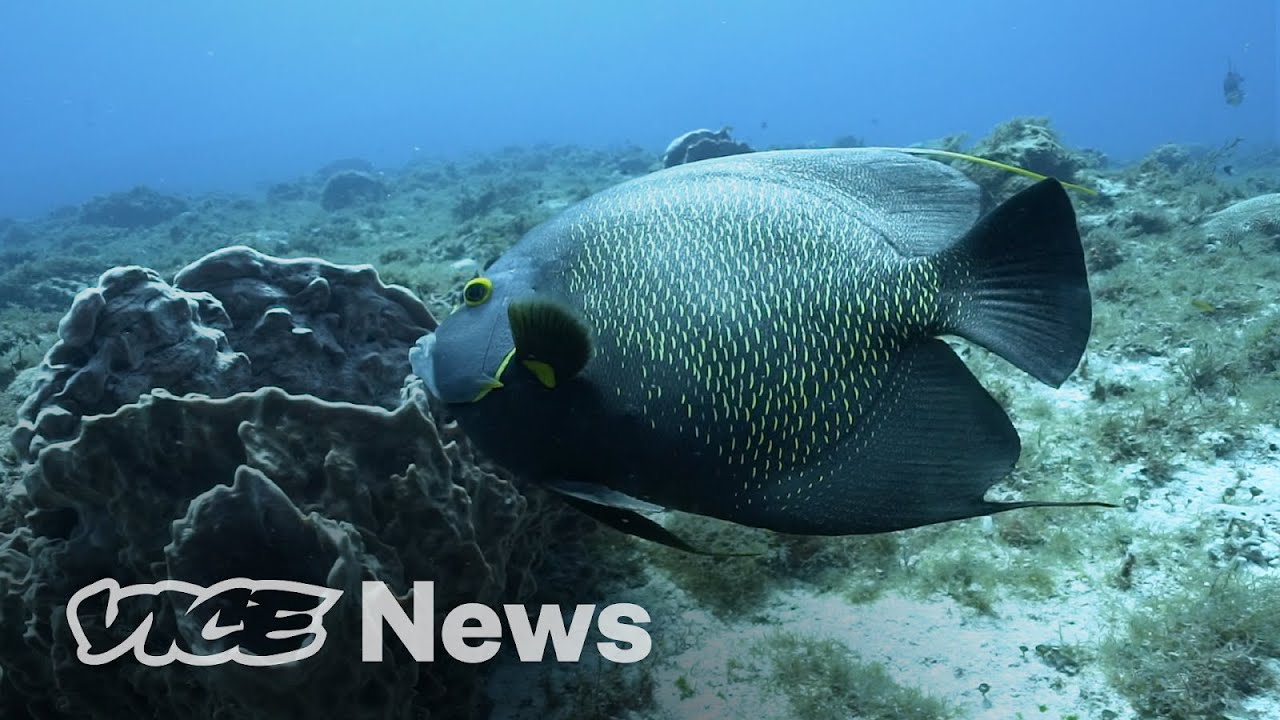
Tulum's underwater ecosystem is threatened by pollution from tourism and human activity.
In Kenya, rampant ivory poaching in 2010 led to thousands of elephant deaths, fueled by corruption among officials and a thriving black market in China.
Farmers in Kenya face challenges as anti-poaching laws increase elephant populations threatening crops.
America's emotional support animals, like Dexter the peacock, raise questions about mental health legitimacy.
Six baby chimpanzees and four monkeys were rescued at Nairobi airport in January 2005 after being smuggled from Cairo, with one already dead.
Aaron Gekoski highlights animal abuse in wildlife tourism in this Developing News episode.
Six to nine million feral hogs roam the U.S., causing about 1.5 billion dollars in damage each year, with Texas facing the largest impact.
The preview clip showcases the debate over wild horses in the Snowy Mountains' high country.
5,000 square meters of reef were illegally excavated by developers on Malolo Island, prompting local Fijians to fight for environmental protection.
Billions of invasive little fire ants threaten Hawaii's ecosystem, prompting conservationists to spray birth control from helicopters to control their population.
Congress debates funding for wild horse protection amid rising populations and ecological concerns.
1,000 Batwa people now live in poverty after being evicted from their ancestral land in Uganda over 20 years ago, with no compensation or land rights.
Katie Fight fights to protect Thacker Pass from a destructive lithium mining operation.
More than four tons of gold are exported from French Guyana each year, much of it illegally mined, contributing to environmental destruction in the Amazon.
Feral cats in Hawaii kill an estimated 2.4 billion birds each year in the U.S., posing a severe threat to the islands' native species.
Churchill, Manitoba faces polar bear attacks as climate change alters their habitat.
Ten people were killed in a racially motivated shooting at a Tops supermarket in Buffalo, leaving the local youth grappling with fear and loss.
In Gaza, children like Baylasan and Hadi face life-altering amputations due to Israeli strikes, prompting HEAL Palestine to provide prosthetic fittings in the U.S.
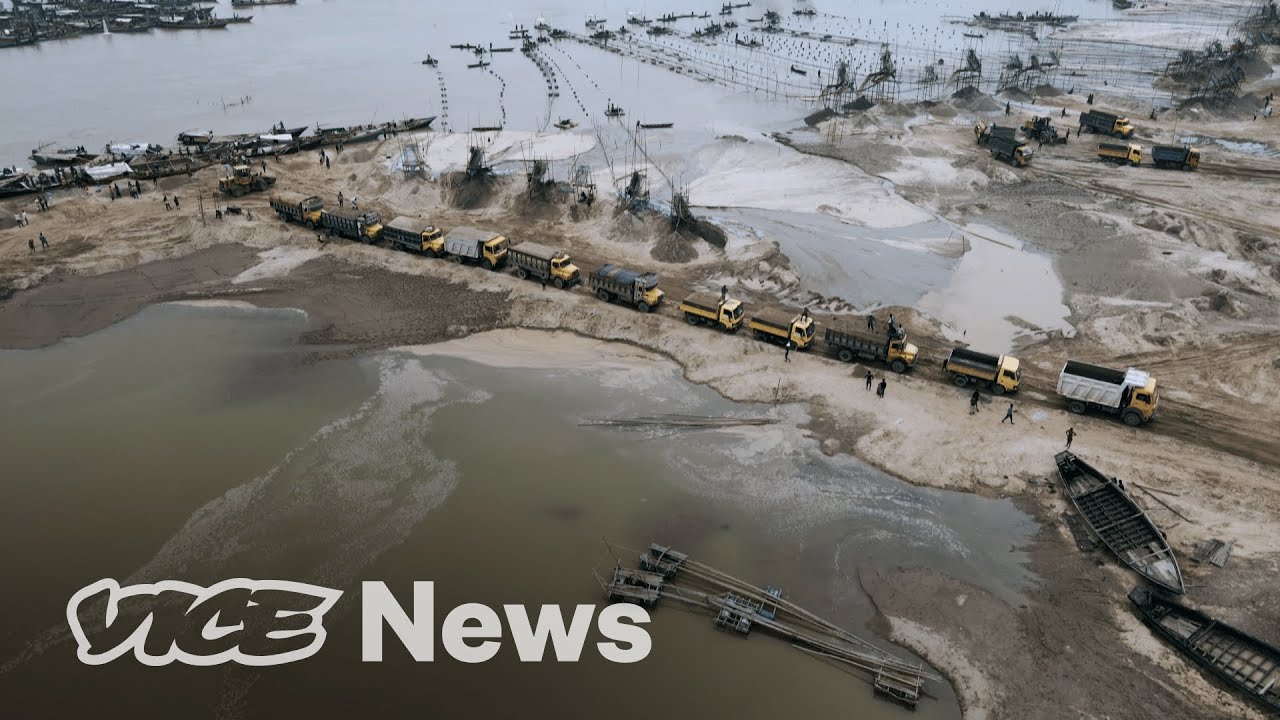
Fifteen men surrounded a journalist in Sunamganj while he documented illegal sand mining, a practice linked to violence and environmental degradation.
About 50 animals have died in just three months at Surabaya Zoo, which has been described as a "disease-carrying death zoo."
Yemen's ongoing civil war exacerbates a humanitarian crisis as thousands of migrants from the Horn of Africa face perilous conditions in Shabwa while seeking better opportunities.
FRONTLINE and ProPublica reveal ties between Atomwaffen Division and violent white supremacy in America.
Up to 350,000 Malaysian pythons were killed each year for luxury goods before a 2004 European Union ban halted the trade.
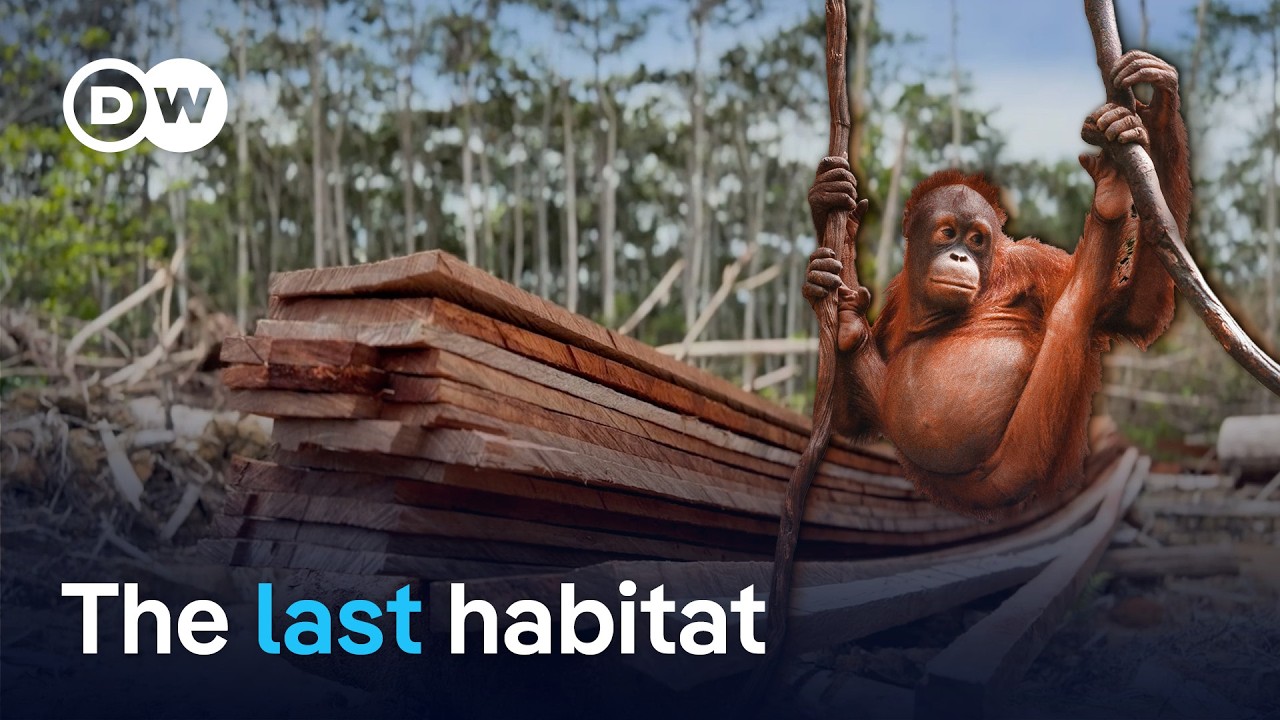
Borneo's orangutans face extinction as deforestation for palm oil and mining devastates their habitat, prompting local communities to fight for conservation efforts.