From over 100,000 films, discover the handful you'll love.
Free or premium access to the world's largest documentary library.
4759 films(Page 41 of 100)
At Pinda Reserve in South Africa's KwaZulu-Natal region, hosts Anga Makobalo and Brittany Bristow track leopards and interact with cheetah cubs.
In the waterways of Guyana, the green anaconda faces challenges from the black caiman and a changing environment while showcasing its unique reproductive behaviors.
Exotic pet ownership in suburban neighborhoods has surged, raising concerns about the welfare of apex predators like tigers and the challenges faced by wildlife sanctuaries.
In Southeast Asia's jungles, rare Sumatran tiger cubs, Asian elephant calves, and Borneo orangutans navigate survival challenges in their unique ecosystems.
In the frozen wilderness of the Arctic Tundra, apex predators like the Arctic Wolf, Snowy Owl, and Polar Bear showcase their survival strategies and adaptations.
In diverse ecosystems, animals engage in complex relationships characterized by predation, competition, and cooperation, highlighting the intricate social dynamics of nature.
Mana Pools National Park hosts a diverse array of wildlife, including elephants, hippos, and wild dogs, as observed during a safari with Zambezi Expeditions.
Exotic animal ownership raises ethical concerns as professionals train apex predators like Kodiak bears and lions, while efforts to save the endangered Tasmanian devil continue.
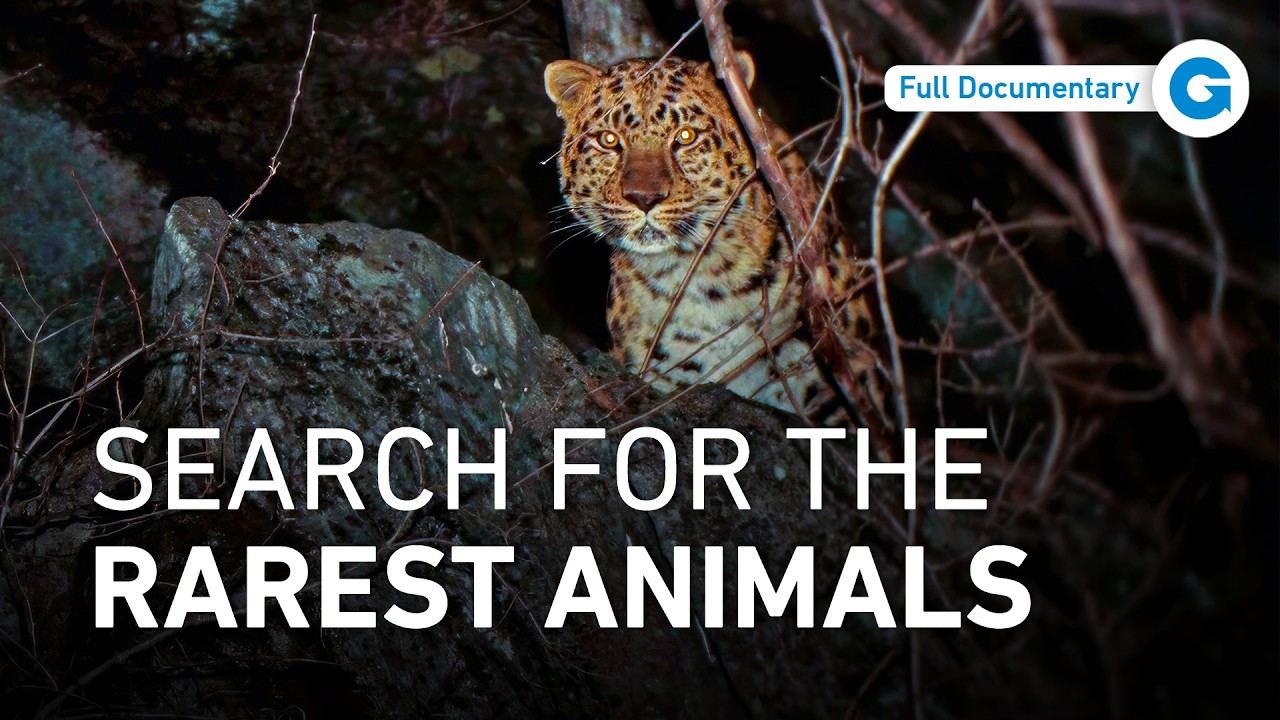
Andreas Kieling travels from the Amazon rainforest to Siberia and China in search of rare animals, including the giant anaconda and the endangered Siberian tiger.
Thailand's elephant tourism industry reveals harsh training methods used to control elephants, contrasted with the efforts of ethical advocates working for their rescue.
In the forests of Sri Lanka and the urban landscape of Mumbai, a young female leopard and her mother navigate challenges while showcasing the adaptability of their species.
Beneath the Iberian Peninsula lies a 100-meter deep canyon that has evolved into a unique ecosystem, home to species like the Eagle Owl and Wolf Spider.
In a wildlife documentary series, Steve Backshall assists at a hedgehog hospital while Miranda Krestovnikoff checks on a pregnant slow loris and Lindsey Chapman reports with Coco the cat.
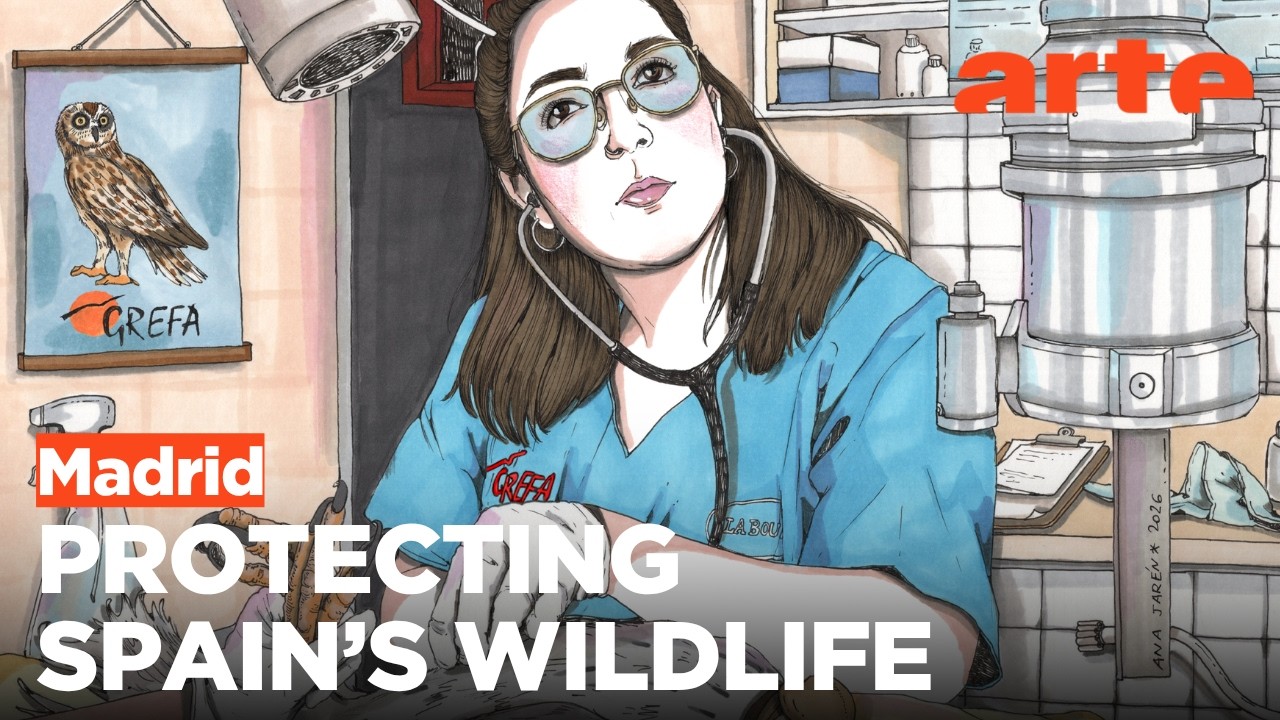
In the hills above Madrid, Grefa operates the largest wildlife hospital in Europe, treating over 10,000 animals annually for rehabilitation and release.
William Canning's 1973 film highlights the natural beauty and wildlife of the Canadian Rockies and Garibaldi Park, stressing the need for conservation.
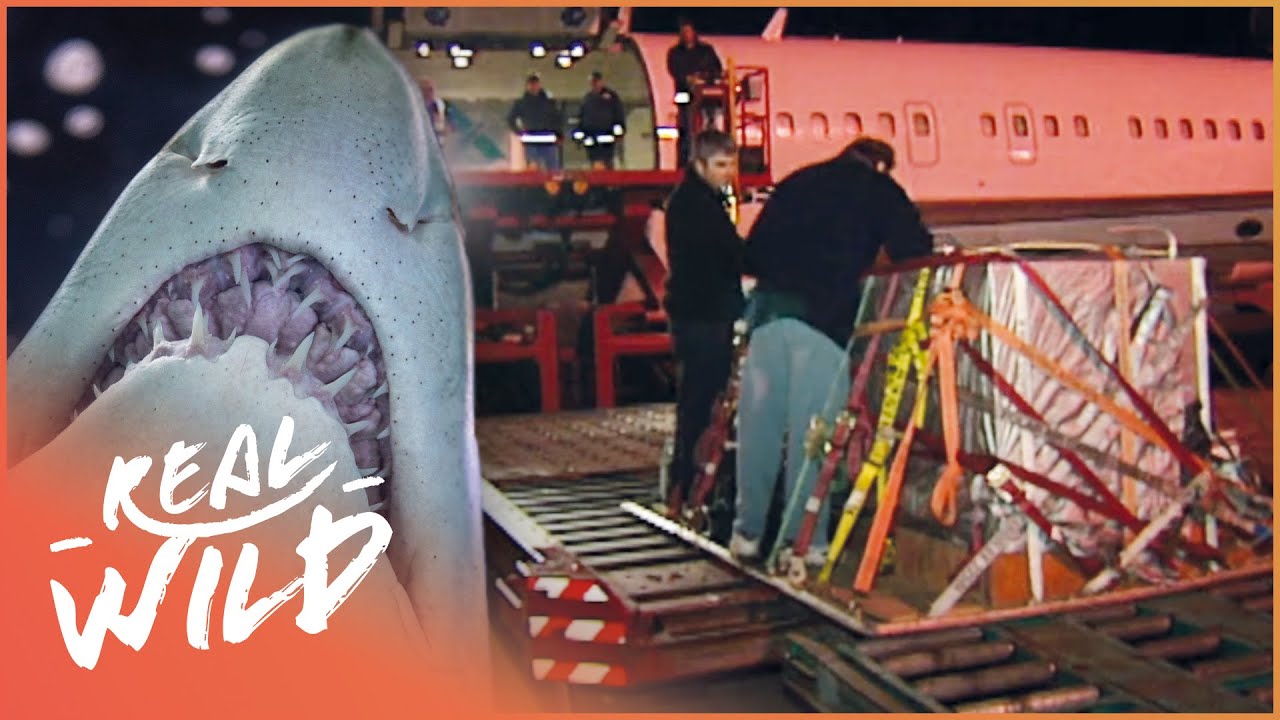
Ian Gordon transports a female grey nurse shark over 1,000 miles by air to Melbourne, Australia, to support the species' declining population.
Kakapo, the world's rarest parrot native to New Zealand, faces infertility challenges, but conservation efforts are underway to restore their population.
In Spain and Portugal, the Dehesa ecosystem showcases a rich biodiversity shaped by seasonal changes, including the arrival of common cranes and the deer rut.
Beluga whales, revered in ancient legends like that of Seawoman, are studied by scientists using advanced technology to understand their complex communication methods.
Two guests share their experiences in marine science, discussing how to pursue a career in shark research without a PhD.
In Northern Europe's harsh wilderness, newborn apex predators and prey face life-threatening challenges, including a mother brown bear protecting her cubs from male threats.
World-renowned animal trainer Andrew Simpson faces extreme conditions in -60C temperatures while filming a groundbreaking portrayal of wolves in their natural habitat.
In the Himalayas, Tashi, a single mother red panda, navigates bamboo thickets with her cub, showcasing their bond in a challenging environment.
In Antarctica, elephant seals and various penguin species rely on isolated islands as critical nurseries for breeding and teaching survival skills.
More than 170 species of fish inhabit the reefs around the archipelago of Fernando de Noronha, a key area for the spinner dolphins that visit daily.
More than 15,000 letters have been written advocating for the preservation of Canada's wilderness and national parks for future generations.
In Iran's Ilam province, rare reptiles like the spider-tailed horned viper thrive in a unique ecosystem, showcasing the region's remarkable biodiversity.
Dr. Dave Ebert and Luke Tipple discuss undiscovered shark species and their ocean importance.
In the African savannah, diverse species from mammals to insects navigate distinct ecological niches, competing for resources in a complex vertical habitat.
Namibia covers an area of over 300,000 square miles, most of it desert and bush, where Ian Max Maxwell tracks the elusive desert elephant.
A mother whale can carry her calf's small carcass over 1,000 miles, demonstrating the deep emotional bonds shared among cetaceans.
Over 10,000 bird species are examined, highlighting avian predators like eagles and falcons, as well as unique seabirds and flightless birds such as ostriches.
In Tanzania, over a million wildebeest and a quarter of a million zebras face perilous challenges during their thousand-kilometer migration across the Serengeti.
In the Sonoran Desert, Harris's hawks hunt cooperatively like wolves, while diverse species like the Gila monster and elf owl adapt to extreme conditions.
In Zimbabwe's Eastern Highlands, a high-security zone at Theford Estate protects white rhinos, showcasing their survival amid threats and exploring ancient San rock art.
Siam, an elephant born in India in 1946, transitioned from labor to fame in the Knie Circus and Pierre Etaix's film YoYo before his death in 1997.
In Brazil's Pantanal, a young male caiman faces the harsh realities of the dry season, competing for survival in a rapidly shrinking habitat.
In Durban, a young rhino is rescued from mud, while in Botswana, cheetah coalitions battle, and urban wildlife like baboons invade Cape Town.
In the remote wilderness of China, the last 27 wild Siberian tigers and one of the rarest monkey populations face survival challenges amid climate threats and human intervention.
In KwaZulu-Natal's Pinda Reserve, hosts Anga Makobalo and Brittany Bristow, along with Ranger Bruce Hedges, explore African penguins and various baby animals.
George Alexander Grant photographed Carlsbad Caverns and Mammoth Cave, capturing the beauty of America's natural landscapes in the mid 20th century.
More than 30 springs feed into the Wupper River, which flows 116 kilometers through western Germany, supporting a diverse ecosystem of unique wildlife.
Just a few drops of sea snake venom can kill a human, yet these toxins may lead to new medical treatments for severe pain and other ailments.
In 1947, a 58-acre nature preserve was established in Maine, where author Jeffrey H. Ryan spent time as a child exploring the changing tides.
In the African savannah, wildlife experiences time through instinct and natural rhythms rather than human constructs like clocks and calendars.
In the Chilkat Valley of Alaska, thousands of bald eagles gather to compete for salmon during winter, while golden eagles in the Italian Alps raise their young in a harsh environment.
A snow leopard has killed a quarter of the young yaks in a Tibetan village this year, threatening the traditional way of life for local herdsmen.
In the northern Republic of the Congo, a unique partnership between local communities and commercial logging has led to the thriving population of 70,000 western lowland gorillas.