From over 100,000 films, discover the handful you'll love.
Free or premium access to the world's largest documentary library.
4759 films(Page 63 of 100)
Plant-eating animals in various ecosystems face numerous threats from predators, relying on their instinct to run and adapt for survival in the wild.
In Colombia's challenging terrain, an adrenaline enthusiast consumes toxic four-eyed frogs while attempting to survive for 21 days amidst extreme conditions.
In Tanzania, adventurer Eva zu Beck learns essential tracking and foraging skills from the Hadza, one of the last hunter-gatherer tribes on Earth.
Tapirs, often misunderstood, exhibit their unique behavior of diving into water for food, highlighting their surprising relation to horses and hippos.
The Tarahumara Indians of northwest Mexico showcase their running culture and hospitality.
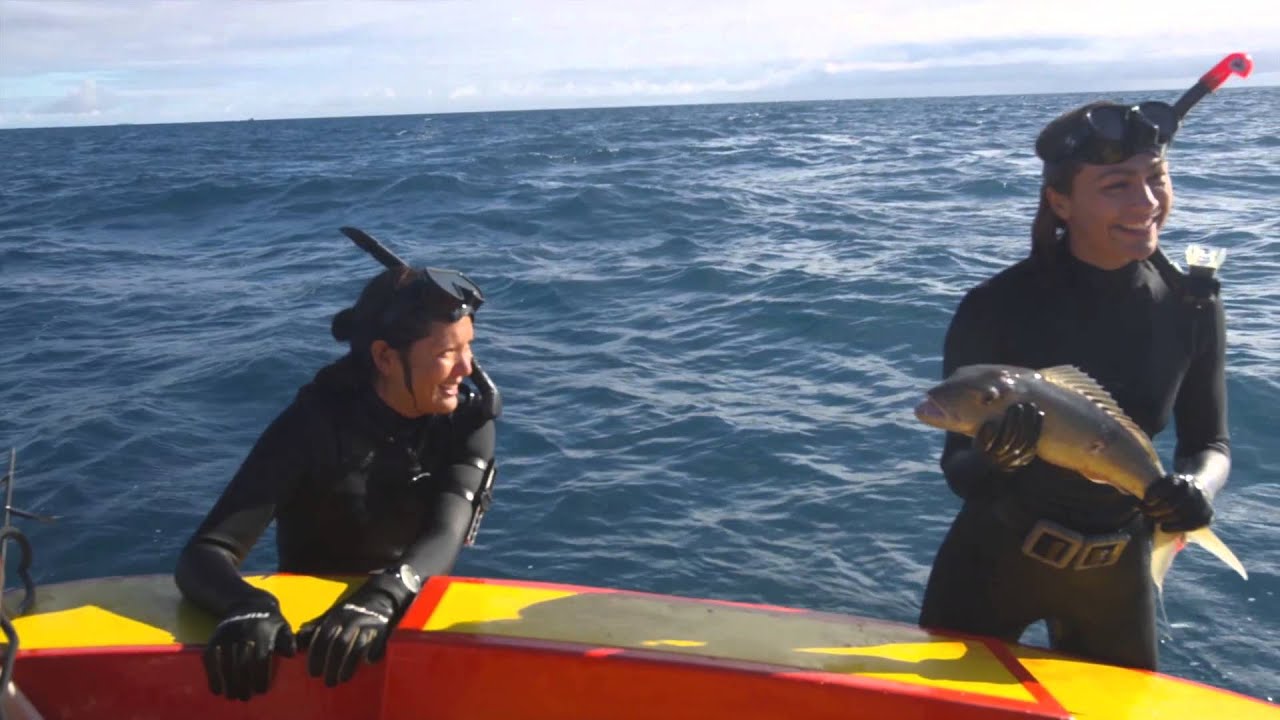
Kimi Werner reflects on her transition from competitive diving to sustainable fishing in the Tuamotu Archipelago, emphasizing community, cultural connection, and knowledge-sharing.
The narrator sails from Santa Barbara to Panama, seeking freedom and self-discovery.
Termites are social insects found in Australia, with colonies reaching millions in size.
Early American inhabitants in the Chesapeake Bay faced threats from formidable predators like the short-faced bear while developing survival strategies.
A sidewinder snake can travel at speeds of up to 18 miles per hour while minimizing contact with the hot desert sand.
Two rival lemur troops in Southern Madagascar face off over territory and resources.
1500 species of sea cucumbers are trafficked globally, with a black market in India valued at $200 million threatening marine ecosystems and local communities.
The total value of counterfeit goods in world trade amounts to $500 billion annually, impacting health, safety, and criminal networks.
Houtouwan, a deserted village in China, has become a popular tourist destination as nature reclaims its structures, raising concerns about environmental degradation.
Fewer than 2,000 giant pandas exist in the world, making each new birth a significant achievement for this endangered species.
Weddell seals thrive in Antarctica's cold waters, showcasing their resilient adaptations.
Milton Hershey builds schools and parks for workers, believing it leads to mutual success.
The Asian lion lives in Gir, India, coexisting with humans in a unique environment.
Coyote outsmarts the giant Nuwuzo'ho to save the animal people from danger.
In the Galapagos Islands, world-class scientists and filmmakers from National Geographic explore unique ecosystems, ancient civilizations, and conservation efforts.
A baby shark pushes through its tight eggshell at the Bright Now Aquarium, marking a significant moment in its early life.
Moorish geckos in Carcassonne exhibit unique adaptations for evading predators, particularly during vulnerable moulting stages in their historic habitat.
Bees use pollen for protein, while wasps rely on meat, highlighting their key differences.
20,000 dogs served in World War I as scouts, rescue dogs, and messengers, forming strong bonds with their military handlers.
Carmel, California, showcases stunning coastlines and a vibrant marine ecosystem, attracting nature lovers and notable figures like Clint Eastwood.
Only two rattlesnakes are killed on roads each year after the installation of ecopassages in Ontario, down from 15 fatalities annually.
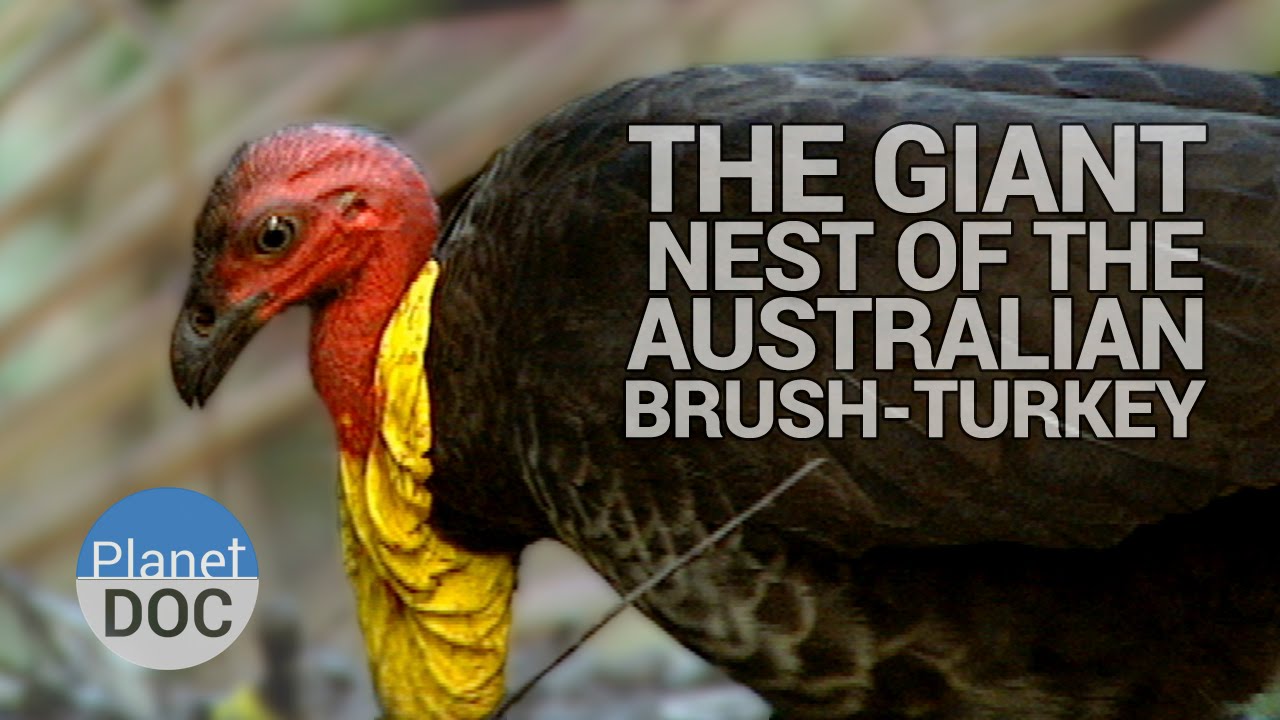
Some nests built by the Talégalo red-headed turkey can weigh as much as four tons, serving as incubators for their eggs through a unique decomposition process.
Scientists use high-speed cameras to document bats flying from a cave to feed.
The Mississippi River, a vital resource for power and wildlife, also conceals approximately 10,000 bodies and poses significant flooding risks to surrounding communities.
The male burying beetle buries animals to attract females for mating and egg-laying.
Ancient trees are vital for biodiversity, and Meg Lowman leads efforts to protect them.
Thai researchers track the elusive clouded leopard for three years without a sighting.
This episode shows many different ways wildlife prepares for winter survival.
Forest elephants in Central Africa, including a female named Lean, play a crucial role in seed dispersal and exhibit strong social bonds within their herds.
The Galapagos host The Giant Galapagos Tortoises, which can survive a year without water.
The South Island giant moa is a massive bird native to New Zealand, towering over its ecosystem.
The australian turkey builds a giant nest for laying eggs in this short documentary.
The Gurung tribe collects honey in a deep valley at the foot of Annapurna peaks.
The Galapagos Marine Iguana, the only lizard that can live in the sea, showcases unique adaptations that enable it to thrive in marine environments.
The fossil reveals the amazing body structure of the dimorphodon, an early flying reptile.
Reaching the summit of Mount Bromo in Probolinggo, East Java, presents significant climbing challenges and rewards with stunning views of the volcanic landscape.
Researchers track a black rhino bull using spoor after his transmitter fails.
In the rainforests of Sumatra and Borneo, the habitat of the orangutan is explored, highlighting the need for conservation efforts to protect these endangered species.
Speedy predatory dinosaurs like the cathus thrived in Europe during the Jurassic period, which lasted from approximately 201 to 145 million years ago.
A King Cobra snake charmer performs the dangerous Kiss of Death, raising ethical concerns.
In the Kalahari Desert, meerkats exhibit complex social behaviors, showcasing their teamwork, communication, and survival strategies against predators.
Orphaned bears struggle to survive as other mothers rarely adopt them in 'The Return of the Bears.'
Wild salmon, once abundant in the Americas, now face extinction in the West due to genetic decline.