From over 100,000 films, discover the handful you'll love.
Free or premium access to the world's largest documentary library.
4759 films(Page 59 of 100)
World-class scientists and filmmakers from National Geographic explore how science can enhance quality of life and promote sustainable living for the future.
Male Hercules beetles engage in a fierce battle for feeding rights, demonstrating their remarkable strength and competitive behavior in nature.
The Komodo dragon is the largest lizard, known for its powerful claws and deadly bite.
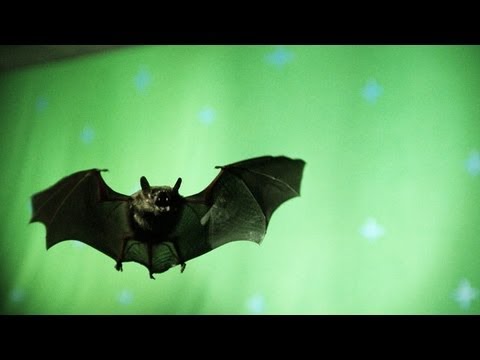
High-speed cameras capture a bat's flight in super slow motion, revealing its unique anatomy and impressive agility as part of the series 'Killer in the Caves.
Hippos are dangerous, often killing more people than sharks each year.
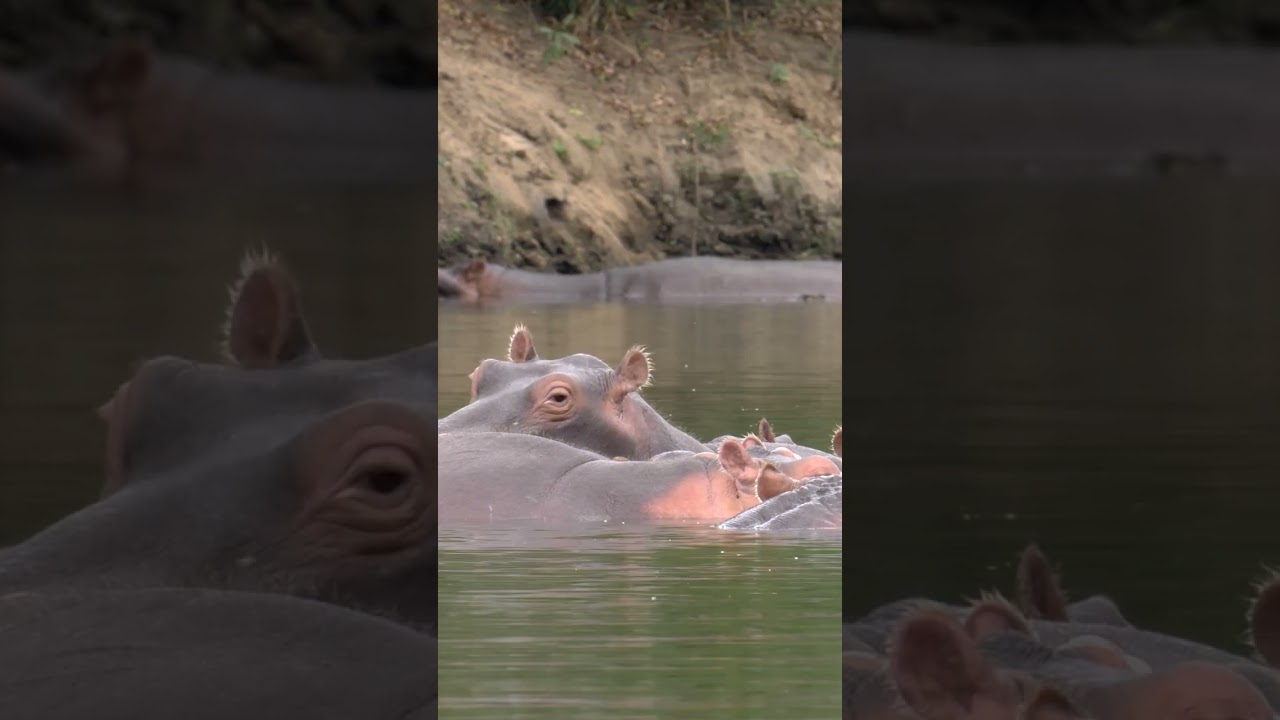
A 15-foot male hippopotamus in Zambia climbs a steep cliff to access water, showcasing the species' agility and adaptability in its natural habitat.
The Holiday Train Show in New York features amazing architecture made from natural materials.
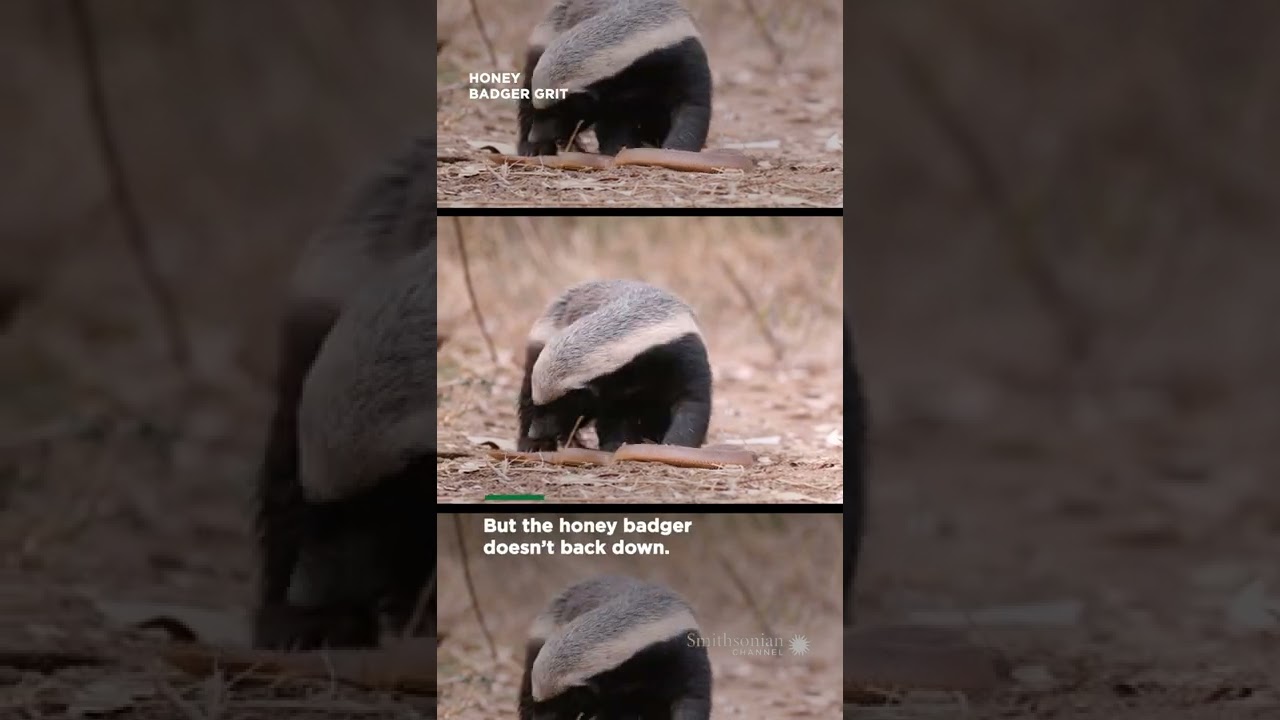
Both predators inflict deadly pain in a fierce battle between a honey badger and a mole snake.
Jaime Lerner revolutionizes urban planning in Curitiba by prioritizing people over cars.
A vast slow-moving river of grass, 60 miles wide and 100 miles long, meanders through South Florida, forming the Everglades' diverse ecosystems.
Caretakers at the Smithsonian's National Zoo explain the difference between seals and sea lions.
Artificial light has been around since fire, impacting civilizations like the Egyptians and Romans.
In 1895, Edward Ned McIlhenny raised eight young snowy egrets in a rookery on Avery Island, establishing Louisiana's first wildlife preserve.
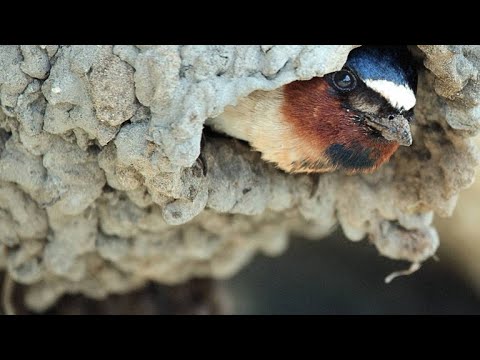
In Yellowstone National Park, bison contribute to the ecosystem by providing mud pellets essential for cliff swallows to build their nests.
Orangutan Jungle School orphans learn to avoid snakes in Borneo for their safety.
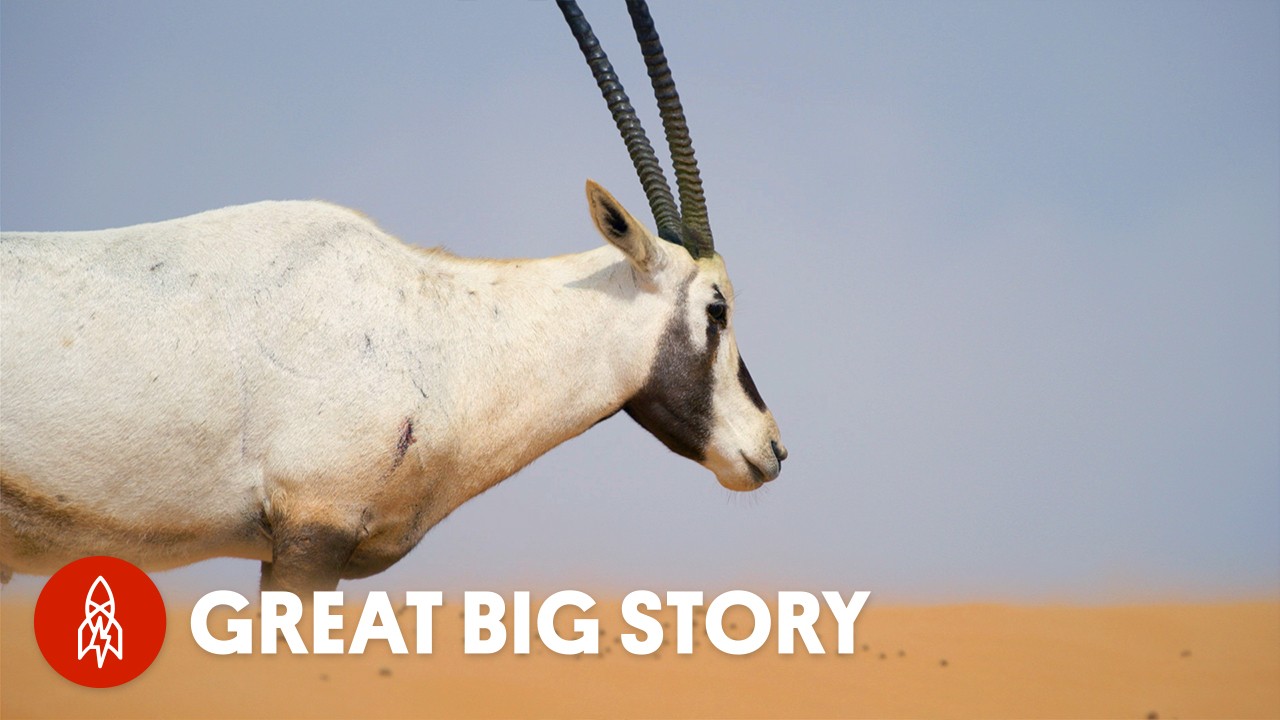
The Arabian Oryx survives extinction due to conservation efforts in the UAE since the 1970s.
In Kenya, animals like elephants adapt to survive in the wild, as Mufasa taught Simba.
Eagles engage in combat by using their powerful talons to pin each other down while throwing punches with their muscular wings.
In Tanzania's Ruaha reserve, elephants struggle to survive during extreme drought, competing for scarce resources with hungry lions.
A biodiversity survey in Pride Lands reveals essential wildlife data for conservation efforts.
Giant anacondas in the Amazon rainforest exhibit remarkable adaptations that enable their survival during periods of drought and changing environmental conditions.
Fungi play a crucial role in ecosystems by feeding on their environment and interacting with other life forms, including humans, as potential hosts.
Humboldt, the Explorer, advocates for the abolition of slavery and equality for all human beings.
Lizard biologists in the Caribbean reveal surprising traits shared among island lizard species.
Kodiak bears, the largest brown bear subspecies, are shown consuming large amounts of salmon during the spawning season on Kodiak Island in Alaska.
In Patagonia, orcas demonstrate advanced hunting techniques and teamwork as they pursue sea lions, highlighting their status as apex predators in the ocean.
John D. Rockefeller Jr. secretly buys land in Jackson Hole to create a national park.
Svalbard has about 1,100 glaciers, which melt in summer, creating rivers of cold fresh water that attract thousands of seabirds and marine life.
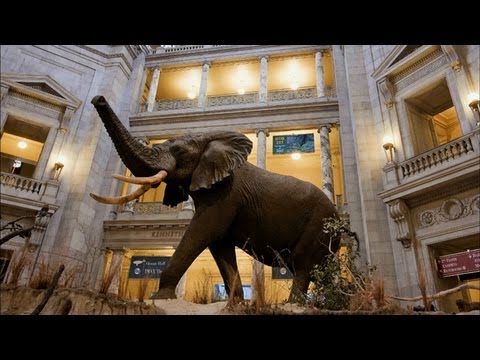
The largest elephant ever prepared for a museum weighs approximately 27,000 pounds and was installed at the Smithsonian in 1959 after extensive taxidermy work.
The desert-dwelling oryx survives extreme heat through a unique panting mechanism.
The Peregrine falcon dives at 242 mph to catch prey, showcasing its triumph as the fastest animal.
Pelagornis sandersi, the largest flying bird, uses ocean currents to stay airborne with a 24-foot wingspan.
Great white sharks raise their body temperature to hunt fatty prey in colder waters.
Desert elephants consume up to 600 pounds of vegetation daily to survive in the harsh conditions of northwestern Namibia's dry riverbeds.
Greg Turner, a wildlife biologist, manages animal care for the Pennsylvania Game Commission.
Sudeley Castle transitions from pheasant hunting ground to sanctuary for rare breeds today.
A unique lizard from Namibia uses its fringed toes to dive through hot desert sand, showcasing its remarkable adaptation to survive in harsh environments.
Katie Acosta, a non-directed kidney donor, exemplifies a rising trend in altruism, with living kidney donations to strangers increasing by 31% from 2017 to 2018.
Zoo vets give Kaylee, a 400-lb dolphin, a CT scan in a challenging medical procedure.
Madison Stewart educates about sharks to reduce fear and promote understanding in schools.
A single elephant tusk can sell for over $4,000 on the black market, contributing to the ongoing threat of extinction for the species.
Over 300 vultures now inhabit Bulgaria, with the first wild vulture chick born in 50 years, as conservationists work to restore the ecosystem.
In 1948, archaeologist Graham Clark led a dig at Star Car, uncovering one of the best Mesolithic settlements in Europe, preserved for 10,000 years.
Red Rock Canyon forms from ancient sea and tectonic plate movement in Las Vegas Valley.
Scientists in Yellowstone combat invasive lake trout threatening cutthroat trout survival.
Zambian villagers and Norman Carr find a way to coexist with elephant herds in the 1950s.
Costa Rica's hummingbirds are captured in ultra slow-motion 4K footage, revealing their vibrant colors and unique behaviors through detailed observation.
In Mongolia, the Kazakhs hunt with golden eagles, the biggest hunters of the sky.